The Man Singh Observatory, located inside the Man Singh Mahal in Varanasi, is an extraordinary destination that offers visitors a virtual experiential journey through the history of astronomy. As a unique blend of technology and heritage, this observatory stands out as one of the best places to visit in Banaras.
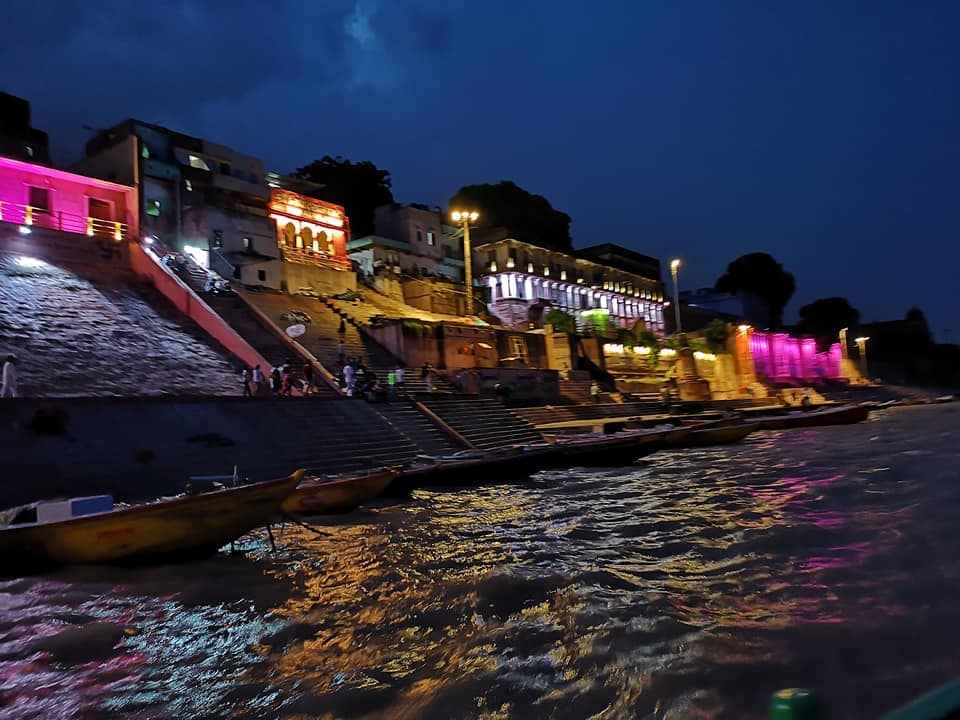
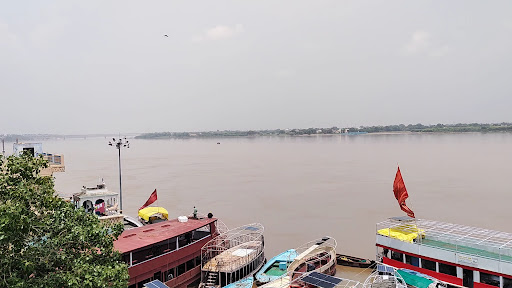
Situated beside the serene Rajendra Prasad Ghat, the observatory enjoys a picturesque location that is both tourist-friendly and easily accessible. The ease of reaching the site adds to the overall charm of the experience, especially for those exploring the spiritual and cultural wonders of Varanasi.
Upon entering the observatory, visitors are greeted with a clean environment and well-maintained premises. The caretakers take pride in keeping the place spotless, allowing tourists to immerse themselves fully in the historical and educational journey that awaits. The combination of cleanliness and historical significance creates an inviting atmosphere, making it an enjoyable experience for people of all ages.
What sets the Man Singh Observatory apart from traditional museums is its virtual experiential concept. The museum utilizes cutting-edge technology to offer visitors an interactive and engaging experience. As guests explore the various exhibits, they can virtually travel through time and witness the advancements in astronomy over the centuries. From ancient celestial instruments to modern-day telescopes, the observatory presents a comprehensive view of mankind's quest to understand the cosmos.
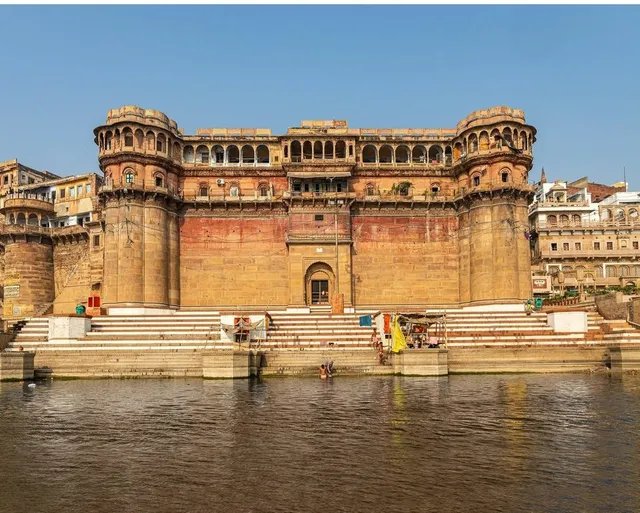
The presence of the observatory within the magnificent Man Singh Mahal adds to its allure. The historical significance of the Mahal complements the scientific theme of the observatory, creating a seamless fusion of heritage and astronomy. Visitors can appreciate the architectural splendor of the Mahal before delving into the wonders of the universe within.
For tourists interested in both science and history, the Man Singh Observatory is a must-visit attraction. It offers a refreshing and innovative approach to learning, making it an ideal destination for educational trips and family outings. The informative exhibits and virtual experiences captivate the imagination and leave visitors with a deeper appreciation for the fascinating world of astronomy.
While the observatory offers an enriching experience, there is always room for improvement. The addition of more interactive exhibits and hands-on activities could further enhance the overall engagement of visitors. Additionally, efforts to promote the observatory as a significant tourist spot within Varanasi could help attract a wider audience and increase its popularity.
In conclusion, the Man Singh Observatory is a hidden gem within Varanasi, offering a blend of history, technology, and scientific exploration. Its location beside the Rajendra Prasad Ghat and within the splendid Man Singh Mahal makes it a captivating destination for tourists seeking a unique experience in the spiritual city of Banaras. With its virtual experiential museum concept and commitment to cleanliness, the observatory provides an enlightening and enjoyable journey through the evolution of astronomy. While there is room for growth, the Man Singh Observatory remains one of the best places to visit in Varanasi for those eager to explore the wonders of the universe and India's rich...
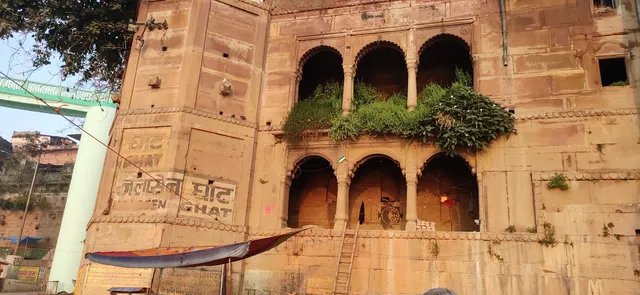
Read moreThe Man Singh Observatory, also known as Jantar Mantar, is a significant historical and astronomical site located in Varanasi, Uttar Pradesh, on the rooftop of Man Mandir Ghat (also called Someshwar Ghat) near the sacred Ganges River. Constructed in 1737 by Maharaja Sawai Jai Singh II of Jaipur, the observatory stands as one of the five such ancient astronomical observatories built by the ruler across India—in Delhi, Jaipur, Ujjain, Mathura, and Varanasi. It reflects the pinnacle of scientific knowledge and architectural innovation of 18th-century India in astronomy and timekeeping.
Maharaja Jai Singh II was a scholar, astronomer, and mathematician who had a deep fascination with celestial phenomena. By sending scholars abroad to study contemporary observatories and scientific advancements, he gathered knowledge and returned to create state-of-the-art masonry observatories or Jantar Mantars. These observatories integrated architectural ingenuity with astronomical instruments designed to measure time, declination, altitude, and the movement of celestial bodies with remarkable precision.
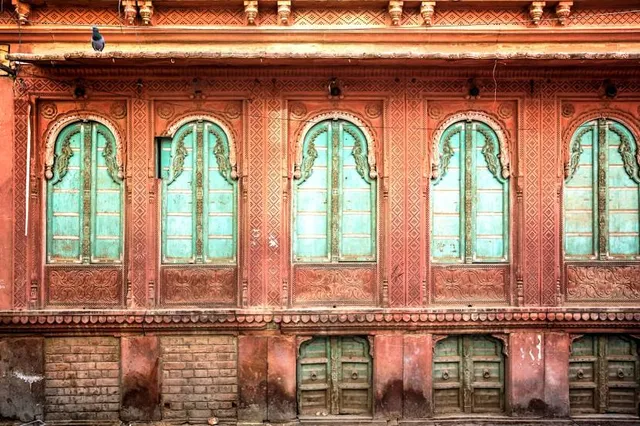
The Man Singh Observatory in Varanasi is situated atop the 300-year-old Man Mahal palace, blending Rajput and Mughal architectural styles, including ornately painted ceilings and balconies overlooking the river. The observatory’s eastern façade faces the holy Ganges, providing visitors both scientific insight and scenic views.
Among the notable instruments preserved here are:
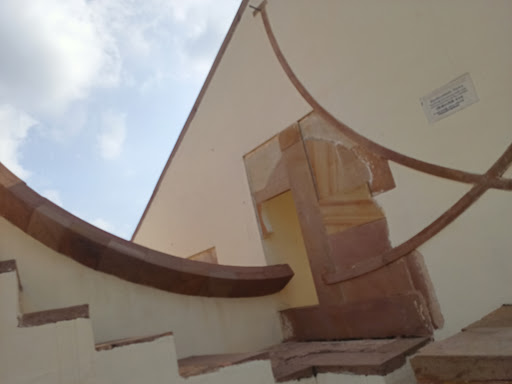
Samrat Yantra: A giant sundial used to determine time and angular measurements of celestial bodies.
Narivalaya Dakshinay Yantra: Instrument indicating whether stars are in the northern or southern hemisphere and providing time readings.
Chakra Yantra: Measures the declinations of the sun, moon, and stars and their temporal distances from the meridian.
Digamsa Yantra: Determines the azimuth of heavenly bodies.
Dakshinobhitti Yantra: Used to calculate the altitude of celestial bodies when on the meridian.
These instruments are made entirely from masonry and marble and stand as sophisticated tools crafted before the era of modern telescopes or digital devices, underscoring the advanced level of ancient Indian astronomy.
The observatory’s purpose was to prepare lunar and solar calendars, predict eclipses, and observe astronomical phenomena with exceptional accuracy. Today, it offers visitors a window into the past, showcasing the remarkable scientific achievements of Indian astronomers and architects.
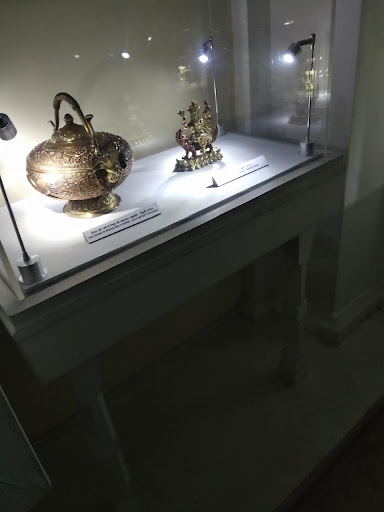
The Man Singh Observatory was restored in 1911 and further modernized in recent years into a virtual experiential museum featuring audiovisual presentations, interactive art, 3D and light shows, enriching visitor engagement with the science and history behind the observatory.
Entry to the observatory is affordable, promoting accessibility for tourists, students, historians, and scholars. It is located about four kilometers from Varanasi Junction railway station and close to major heritage sites such as the Kashi Vishwanath Temple and Dashashwamedh Ghat, making it an integral part of Varanasi’s cultural heritage trail.
The observatory requires visitors to dress modestly to respect the cultural atmosphere, with recommendations favoring traditional Indian attire or...
Read moreMan Singh Observatory: A Journey Through Time and Stars
The Man Singh Observatory, also known as the Jantar Mantar in Varanasi, is a remarkable historical site that offers a fascinating glimpse into the scientific achievements of ancient India. Built in the early 18th century by Maharaja Jai Singh II, this observatory stands as a testament to the advanced astronomical knowledge and architectural ingenuity of its time.
The Setting:
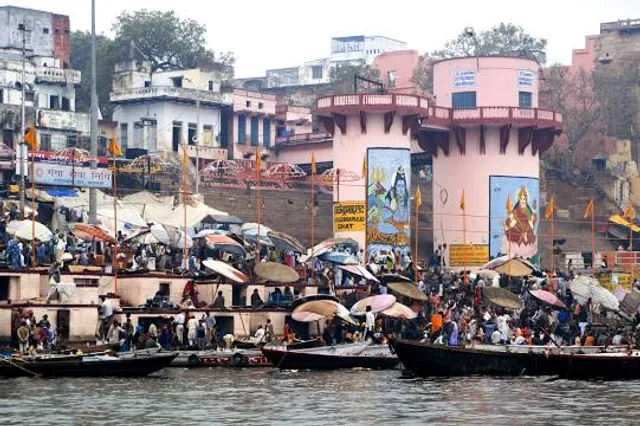
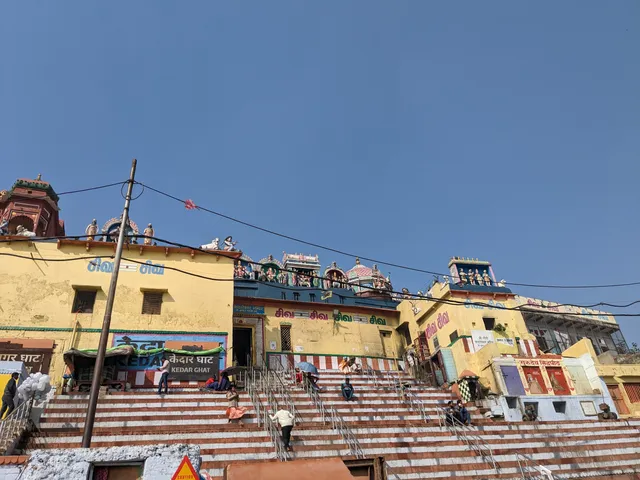
Situated near the Dashashwamedh Ghat along the sacred Ganges River, the observatory's location itself is steeped in cultural and spiritual significance. The serene surroundings, coupled with the bustling life of Varanasi, create a unique contrast that adds to the charm of this historical site.
Architectural Marvel:
The observatory features a collection of large, impressive instruments made of stone and masonry. These instruments were designed to measure time, predict eclipses, and track celestial bodies. As I wandered through the site, I was struck by the sheer scale and precision of the structures, especially considering they were built centuries ago. The Samrat Yantra, a massive sundial, stands out with its towering presence and intricate calibrations.
Educational Experience:
Visiting the Man Singh Observatory is not just about admiring ancient architecture; it's also an educational journey. Information plaques and guides are available to explain the purpose and functioning of each instrument. I found it fascinating to learn how these devices were used for astronomical observations long before the advent of modern technology. The ingenuity and scientific prowess of the era are truly awe-inspiring.
Challenges:
However, the observatory is not without its flaws. Some of the instruments show signs of wear and tear, and there is a noticeable lack of maintenance in certain areas. This neglect can detract from the overall experience and the site's historical value. Additionally, better signage and more detailed explanations could enhance the educational aspect for visitors who are not well-versed in astronomy.
Conclusion:
Despite these challenges, the Man Singh Observatory remains a captivating destination for history buffs, science enthusiasts, and curious travelers. Its rich historical significance and the opportunity to step back in time and explore ancient scientific achievements make it a must-visit in Varanasi. With improved maintenance and better interpretative resources, this observatory could shine even brighter as a beacon of India's illustrious past in astronomy and...
Read more