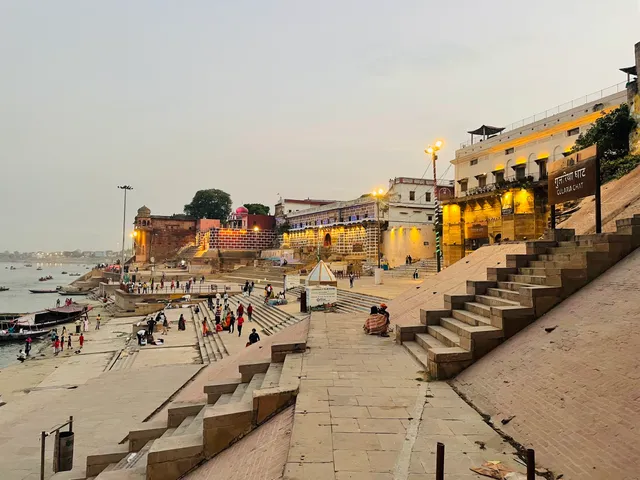
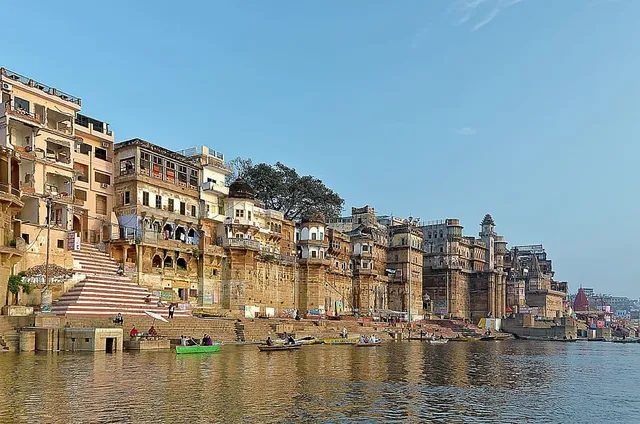
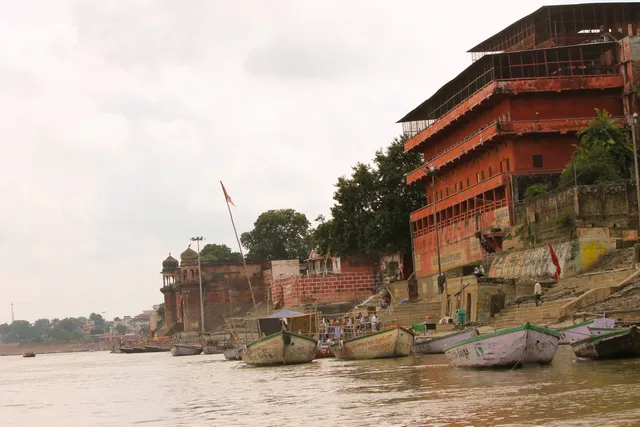
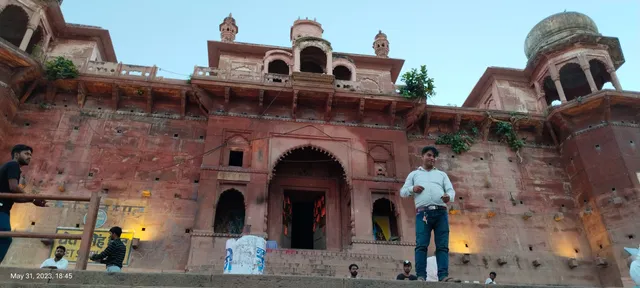
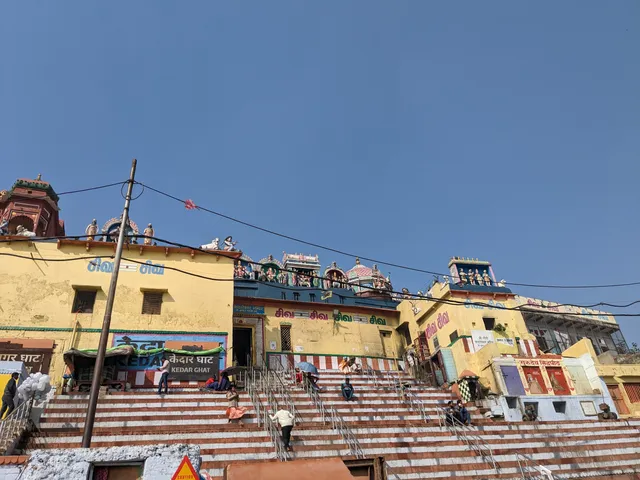
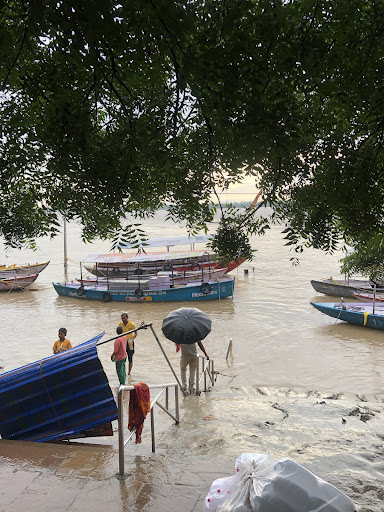
Shivala Ghat, located on the banks of the holy River Ganges in Varanasi, Uttar Pradesh, is one of the largest and historically significant ghats in the ancient city. Named after the nearby Shiva Temple, the ghat holds deep spiritual, cultural, and historical importance, attracting pilgrims, scholars, and tourists who seek a tranquil yet profound connection with the city’s sacred heritage.
Historically, Shivala Ghat was constructed under the patronage of King Balwant Singh in the 18th century, who ruled the princely state of Benares. Built as a tribute to Lord Shiva, the ghat has strong religious resonance linked to Shaivism, an influential Hindu sect devoted to Lord Shiva. Over the years, the ghat emerged as a hub for religious rituals, intellectual discourse, and spiritual congregation, particularly during the Bhakti movement where saints, poets, and devotees gathered to share devotional practices and teachings.
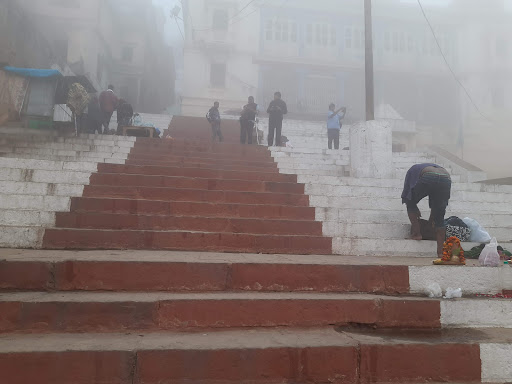
The architecture and layout of Shivala Ghat reflect its royal origins and spiritual purpose. The ghat stretches along a long riverbank and is lined with sturdy stone steps leading into the Ganges, facilitating ritual baths, ceremonial offerings, and meditative gatherings. The riverside houses several temples and shrines dedicated to Lord Shiva, Hanuman, as well as the Ganges Goddess, emphasizing a sacred atmosphere.
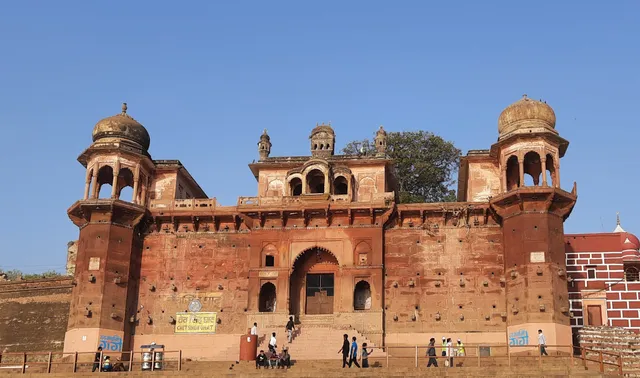
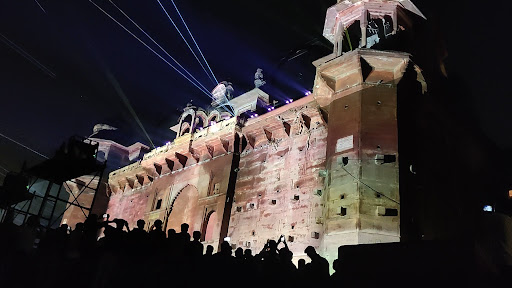
One of the prominent architectural features near the ghat is the imposing 19th-century palace built by the Nepali King Sanjay Vikram Shah. This palace, along with other mansions and spiritual centers such as the Brahmendra Math (a spiritual ashram established by the King of Varanasi), hints at the culturally rich history of the area. Though much of this grand architecture has moved under military or administrative control following British colonial suppression of the rebellion led by King Balwant Singh and his successors, its essence continues to be felt.
Shivala Ghat is inhabited predominantly by South Indian Hindu communities who have migrated over the last two centuries, thereby adding to the rich cultural tapestry of Varanasi. The colony near the ghat is dotted with monasteries, temples, and ashrams, which serve both spiritual functions and social needs for residents and pilgrims.
The ghat is renowned for its serene and reflective ambiance, providing a respite from the busier ghats nearby like Dashashwamedh and Assi. Early mornings and evenings are especially enchanting here, when the first light bathes the Ganges and the rhythmic sounds of devotion and prayers fill the air. The evening Ganga Aarti, a ritual of worship involving oil lamps and chanting, is a particularly moving sight at Shivala Ghat, drawing devotees who seek to immerse themselves in Varanasi's sacred traditions.
In addition to its religious and cultural significance, Shivala Ghat offers a fascinating glimpse into the everyday lives of the local population, who engage in rituals, trade, and social interactions along the riverside. This blend of spirituality, history, and community life makes the ghat a compelling destination for visitors seeking authentic experiences of Varanasi’s...
Read moreVaranasi is a holy city in India. It keeps the tourists curious about its religious charm, splendid ghats and rich culture. Talking about its Ghats, they leave no visitor disappointed. The entire city is brimming with gorgeous ghats which cater a spiritual and beautiful ambience. If you think that ghat is just a shore of a river then you are wrong. These ghats are endowed with abundance of spirituality and thrill. If you don’t believe, go ahead and visit them. You can easily find hotel Varanasi for your cosy stay. Here, let us go through three of the numerous ghats of this land. This is the popular ghat frequently visited for recreation and during the times of festivals. You know around 300 people visit Assi Ghat every single hour in the mornings on regular days. And talking about the festivals around twenty five hundred people visit per hour. Not just the locals but people from different areas of country and even abroad visit the ghat. Assi ghat houses about twenty-two thousand five hundred people at once during the times of festivals such as Shivratri. It has been believed that goddess Durga after slaying the demon Shumbha-Nishumbha threw her sword. The spot wherein sword was fallen outcome in flowing of huge stream called ASIRiver. The mergence spot of river Ganga and ASI is called Assi ghat. Chet Singh Ghat is a historical encouraged Ghat. The spot has seen a battle between troops of Warren Hastings and Chet Singh in the year 1781. The fort and Ghat were snatched from British by Maharaja Prabhu Narayan Singh in the second half of 19th century. Originally the Ghat was called Khirki Ghat. Now it possesses four parts called Cheta Singh Ghat, Nirvani Ghat, Niranjani Ghat and Shivala Ghat. The ghat has three Shiva temples. People visit this ghat in a huge number and the rush is magnificent during the times of festivals. You can find a great cheerfulness in the times of evenings at this spot. Even in the lot of noises, you can feel a distinct type of calm and tranquillity. Tripura Bhairavi Ghat is a spiritual spot for South Indian pilgrims specifically for the ones coming from Tamil Nadu and Karnataka. It has taken its name from Tripura Bhairavi which was the fifth great cosmic power of the Hindu pantheon. His shrine is situated on this Ghat. Varanasi is one of the fabulous city for hinduism. Moreover the shrine of Varahi, who is one of nine mother-goddesses, is also mapped here. Thus, these were the three ghats of the city, if you want to taste the entire number of ghats; you have to visit this spiritual land. You won’t just get to know so much about the culture and Hinduism but also experience the richness of the land. If you really want to experience the core of spirituality and charm of natural beauty then these ghats are must...
Read moreShivalya Ghat, located in the heart of Varanasi, is a lesser-known but deeply revered ghat along the banks of the Ganges River. This ghat holds a special place in the spiritual landscape of Varanasi, known for its association with Lord Shiva, the city's presiding deity. The name "Shivalya" itself suggests the presence of a Shiva temple or shrine, which adds to the religious significance of this location.
The atmosphere at Shivalya Ghat is peaceful and steeped in devotion. It’s an ideal spot for those looking to escape the more crowded and commercialized ghats of Varanasi. Here, one can observe the simple yet profound rituals performed by the locals, including daily offerings to the Ganges and prayers to Lord Shiva.
What sets Shivalya Ghat apart is its authentic and unspoiled charm. The ghat is surrounded by old temples and traditional homes, giving visitors a glimpse into the timeless culture and spiritual heritage of Varanasi. The area is particularly beautiful during early mornings when the first rays of the sun illuminate the ghat, creating a serene and almost mystical atmosphere.
For anyone seeking a more intimate and less tourist-driven experience in Varanasi, Shivalya Ghat offers a perfect blend of spirituality, history, and natural beauty. It’s a place where one can truly connect with the essence of the city and its...
Read more