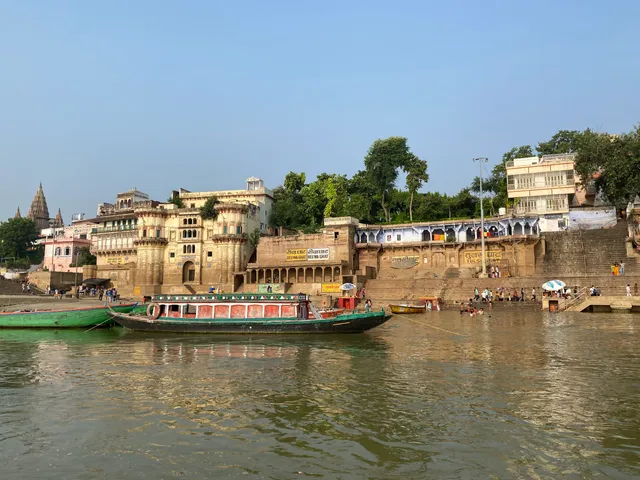
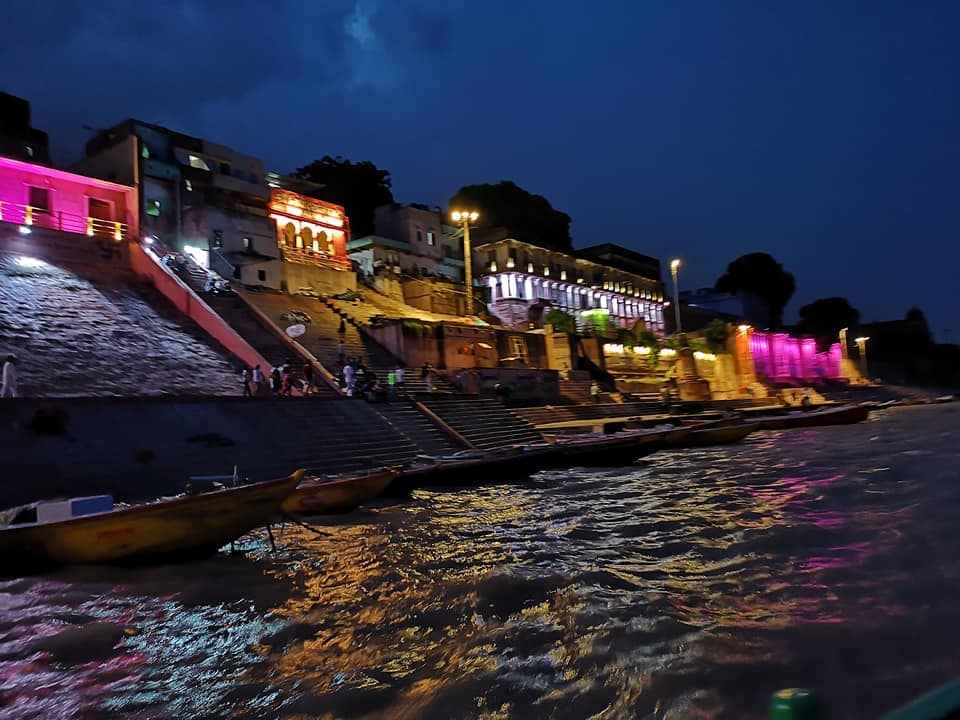
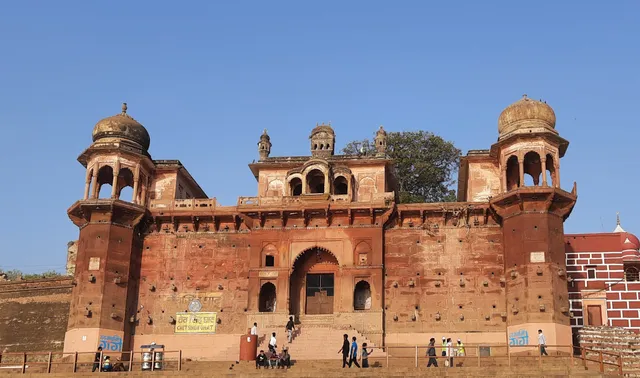
Tulsi Ghat is one of the significant and historically rich ghats located on the banks of the sacred River Ganga in Varanasi, Uttar Pradesh. It is named in honor of the renowned 16th-century poet-saint Goswami Tulsidas, who is celebrated primarily for composing the Hindu epic Ramcharitmanas, a vernacular version of the Ramayana, and the Hanuman Chalisa. Tulsi Ghat holds immense religious, cultural, and literary importance, making it a revered pilgrimage and tourist destination in Varanasi.
Originally known as Lolark Ghat, the site was renamed Tulsi Ghat to commemorate Tulsidas’s profound connection with the place, where he is believed to have lived, meditated, and written much of his work. The ghat was historically associated with legendary episodes, including the tale that the manuscript of the Ramcharitmanas once fell into the Ganges here and miraculously floated without sinking, symbolizing divine approval of his scripture. Tulsi Ghat was physically enhanced and made sturdy in 1941 by the industrialist Baldeo Das Birla.
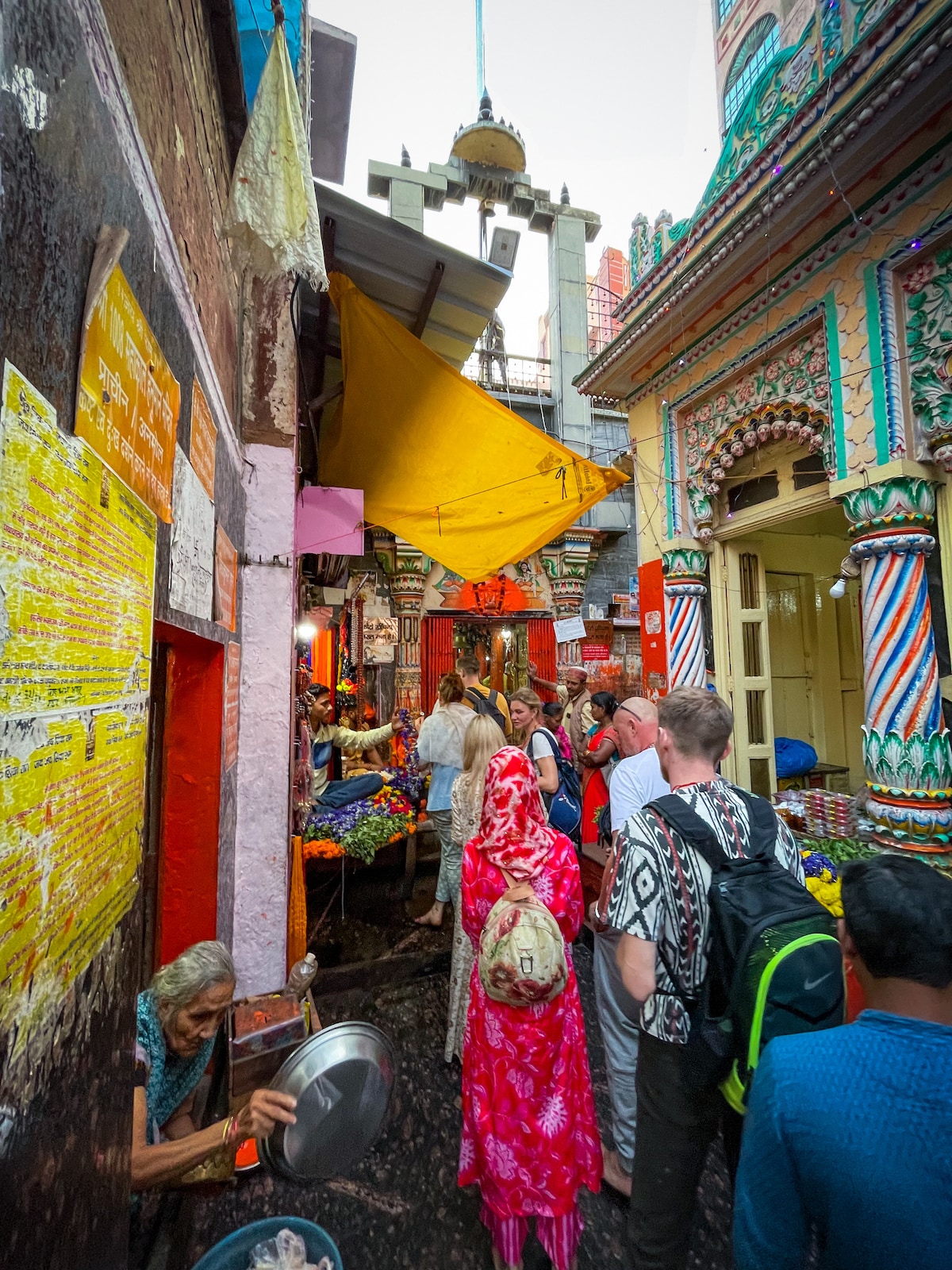
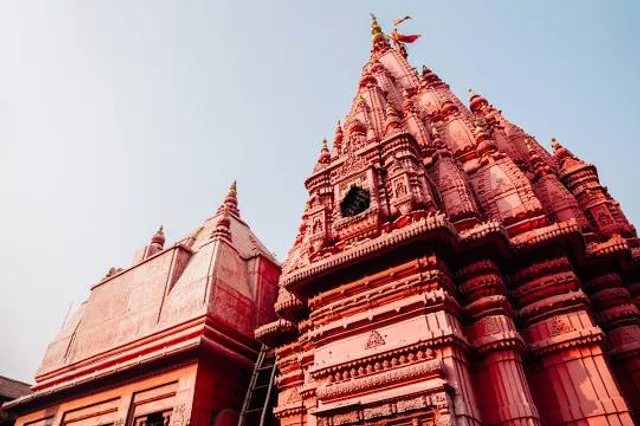
The ghat stands as an enduring tribute to Tulsidas’s spiritual and literary legacy. One can find the Tulsi Manas Mandir situated nearby, a temple dedicated to Lord Rama built at the site where Tulsidas reportedly had a divine vision of Lord Rama, which inspired his writing of the Ramcharitmanas. The temple’s architecture draws devotees and tourists alike, featuring intricate carvings, sculptures, and beautifully painted panels depicting scenes from the Ramayana.
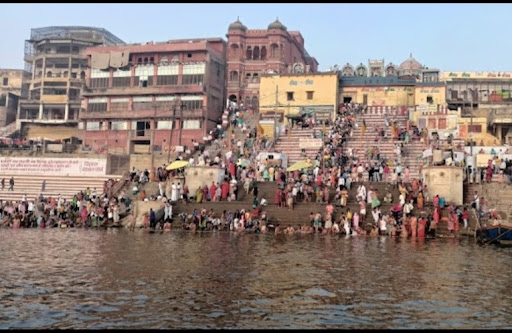
Aside from its literary heritage, Tulsi Ghat is culturally significant due to various Hindu rituals and festivities held there. It is known for the Lolark Kund, a sacred pond close to the ghat, where devotees take ritualistic baths believed to confer blessings for the birth and well-being of sons and to cure skin ailments like leprosy. The ghat also comes alive during the Hindu lunar month of Kartika (typically October-November), when the famous Krishna Lila is performed with great devotion and fanfare.
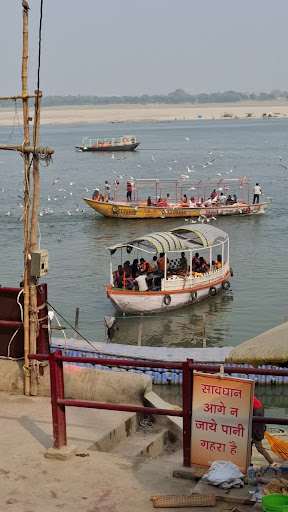
The atmosphere of Tulsi Ghat is serene, combining spirituality, history, and daily life on the riverbank. The ghat’s wide steps provide perfect vantage points for witnessing the sunrise and sunset over the Ganges, creating visually stunning and spiritually uplifting experiences. Tourists often take boat rides here as part of broader explorations of Varanasi’s famous riverfront ghats.
Tulsi Ghat has educational and cultural institutions nearby, including a Sanskrit school and the Sankat Mochan Foundation, which engages in the cleaning and conservation of the Ganges and surrounding areas. The ghat also preserves relics connected to Tulsidas — including holy manuscripts, his wooden clogs, and a pillow — reminding visitors of the saint-poet’s longstanding influence.
In essence, Tulsi Ghat is much more than just a riverfront embankment. It is a place where history, religion, literature, and daily devotion intersect deeply. Pilgrims, history lovers, and travelers alike are drawn to Tulsi Ghat to experience the spiritual ambiance and to connect with the legacy of Tulsidas, whose works continue to inspire millions.
Visitors to Varanasi find Tulsi Ghat to be a peaceful yet spiritually potent spot on the sacred Ganges where one can soak in the cultural richness, witness vibrant rituals, and pay homage to one of Hinduism’s great poet-saints.
Overall, Tulsi Ghat represents the vibrant soul of Varanasi—where faith, artistry, and tradition flow harmoniously on the banks of the timeless...
Read moreA Tranquil Blend of Spirituality and Culture at Tulsi Ghat
Tulsi Ghat, named after the revered poet-saint Tulsidas, is one of the most serene and culturally rich ghats in Varanasi. Here's a detailed review based on my visit:
Location and Accessibility: Tulsi Ghat is located in the southern part of Varanasi, easily accessible by rickshaw, auto-rickshaw, or on foot from the nearby Assi Ghat. The ghat's peaceful environment makes it a refreshing change from the more crowded ghats like Dashashwamedh.
Atmosphere: The atmosphere at Tulsi Ghat is calm and spiritual. Unlike the bustling Dashashwamedh Ghat, Tulsi Ghat offers a more tranquil experience. The ghat is less crowded, providing a perfect setting for quiet reflection and meditation. The gentle lapping of the Ganges against the steps, combined with the occasional sounds of temple bells and devotional songs, creates a soothing ambiance.
Historical and Cultural Significance: Tulsi Ghat holds immense historical and cultural importance. It is named after Tulsidas, the poet-saint who authored the Ramcharitmanas, a revered retelling of the Ramayana in Awadhi. It is believed that Tulsidas spent a considerable part of his life at this ghat, and there is a small temple dedicated to him.
Activities: Devotional Practices: The ghat is an important site for religious rituals and prayers. Devotees often perform aartis and offer prayers at the Tulsidas Temple. Cultural Events: Tulsi Ghat is a hub for cultural activities, especially during the month of Kartik (October-November), when classical music concerts and poetry recitals are held in honor of Tulsidas. Yoga and Meditation: The serene environment makes it an ideal spot for yoga and meditation sessions. You can often find groups practicing yoga in the early mornings. Boat Rides: Like other ghats, Tulsi Ghat offers boat rides, which provide a unique perspective of Varanasi's skyline and the various ghats along the Ganges.
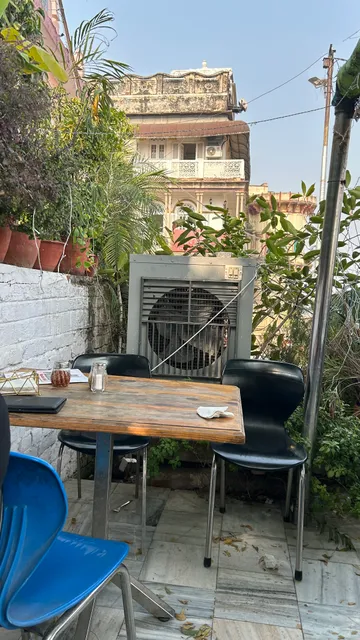
Cleanliness and Facilities: Tulsi Ghat is relatively clean compared to many other ghats in Varanasi. Efforts by local authorities and community groups help maintain its cleanliness. Basic facilities such as restrooms and small eateries are available nearby, making it convenient for visitors.
Safety: The ghat is generally safe for visitors. There is a peaceful local community, and the presence of devotees and regular visitors ensures a sense of security. However, it’s always advisable to keep an eye on your belongings and be cautious during late hours.
Conclusion: Tulsi Ghat is a must-visit for those seeking a deeper spiritual and cultural experience in Varanasi. Its historical significance, combined with a peaceful environment and cultural richness, makes it a standout destination. Whether you are a devotee, a history enthusiast, or simply a traveler looking for tranquility, Tulsi Ghat offers a unique and enriching experience.
Pro Tips: Visit early in the morning for a serene experience and to avoid the heat. Participate in or witness the cultural events, especially during festivals. Spend some time at the Tulsidas Temple to appreciate its spiritual ambiance.
Final Thoughts: My visit to Tulsi Ghat was deeply fulfilling. The blend of spirituality, history, and cultural vibrancy creates an atmosphere that is both peaceful and inspiring. Tulsi Ghat truly embodies the soul of Varanasi, making it an essential part of any itinerary in this...
Read moreTulsi Ghat is one of the revered ghats (riverfront steps) along the banks of the Ganges River in Varanasi, Uttar Pradesh, India. Here's some information about this significant goal:
Location: Tulsi Ghat is located in the southern part of Varanasi, Uttar Pradesh, India. It is situated between Assi Ghat and Bhadaini Ghat, along the eastern bank of the Ganges River.
Religious Significance: Tulsi Ghat is named after the Hindu poet-saint Goswami Tulsidas, who authored the epic poem "Ramcharitmanas," which narrates the life story of Lord Rama. The ghat is associated with the life and teachings of Tulsidas and is considered a sacred pilgrimage site for devotees of Lord Rama and other Hindu deities.
Historical Importance: Tulsi Ghat has historical significance in Hindu mythology and tradition. It is believed to be where Goswami Tulsidas spent a significant part of his life composing his literary works and spreading the teachings of Lord Rama. The ghat is also associated with various legends and stories related to Tulsidas.
Religious Activities: Tulsi Ghat is a popular destination for pilgrims and devotees who take a holy dip in the waters of the Ganges River, offer prayers at nearby temples and perform religious rituals and ceremonies. The ghat is exceptionally crowded during religious festivals and auspicious occasions.
Temple: The Tulsi Ghat is home to the Tulsidas Temple, dedicated to Goswami Tulsidas. The temple is an important pilgrimage site for devotees who pay their respects to Tulsidas and seek his blessings. The temple architecture and design reflect the traditional Hindu style of temple construction.
Cultural Activities: Tulsi Ghat is a cultural activity and event centre. It is a venue for various religious discourses, bhajan (devotional song) sessions, and spiritual gatherings where devotees celebrate their faith and devotion.
Boat Rides: Visitors to Tulsi Ghat can enjoy boat rides on the Ganges River, offering scenic views of the riverfront, the ancient temples, and the bustling ghatscape of Varanasi. Boat rides are a popular way to explore the city and experience its rich cultural heritage.
Overall, Tulsi Ghat is a place of deep spiritual and cultural significance in Varanasi, where the legacy of Goswami Tulsidas and the devotion to Lord Rama continue to inspire and uplift devotees and...
Read more