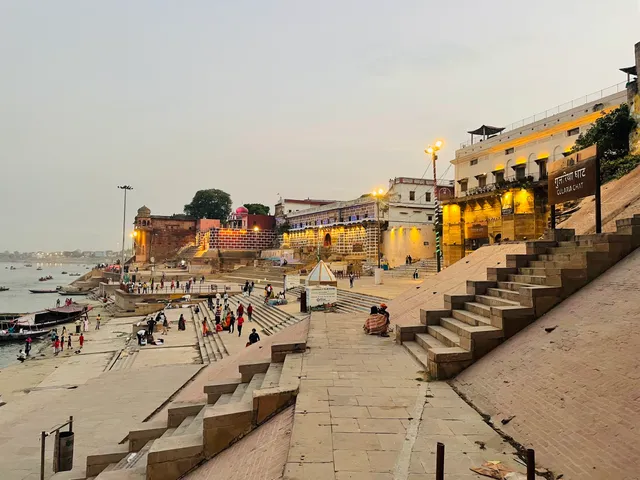
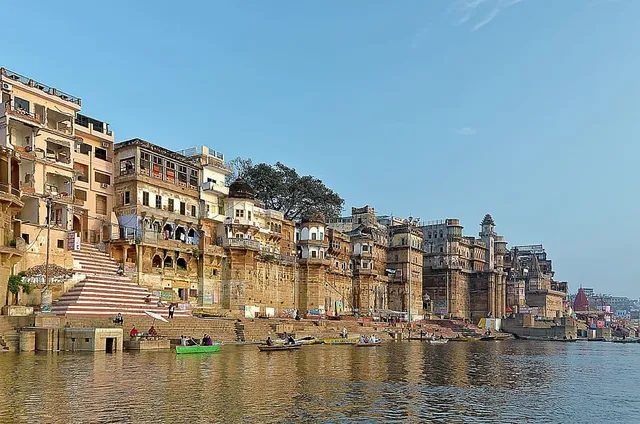
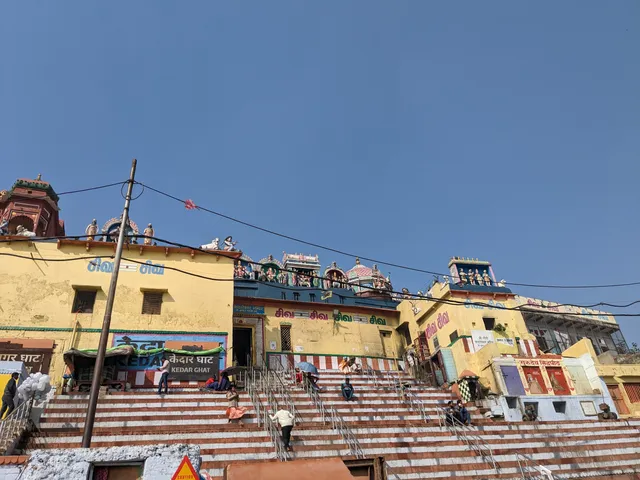
Varanasi is known all over the world for its ghats on the holy River Ganga and old-world charm. In fact, the ghats in Varanasi are landmark & hallmark of the entire city. These ghats have mystic appeal and beautiful appearance. The oldest living city of the World, Varanasi, is perfectly in sync with modern developments and ancient cultural heritage. Among scores of ghats of Kashi, Chet Singh Ghat holds immense historical significance. This ghat had witnessed one of the fiercest battles of Indian history fought between the British troops and the army of Raja Chet Singh in 1781 AD. After the defeat of Chet Singh, the area had been occupied by the British forces. It was Prabhu Narayan Singh who retrieved the ghat back. Naturally, Chet Singh Ghat, a fortified ghat, has imprints and memories of India’s freedom struggle. Chet Singh Ghat is also known as Khirki Ghat. The original Chet Singh Ghat is divided into four different ghats - Chet Singh Ghat, Nirrvani Ghat, Niranjani Ghat and Shivala Ghat. Anyone can visit the ghat for any purpose at any hour of the day. The ghat is named after the brave ruler Chet Singh. Chet Singh was an illegitimate son of first Maharaj of Banaras Balwant Singh. He was born in Gwalior but became a ruler of Varanasi (Banaras/ Kashi). He was a successor of the Banaras throne after the death of his father, Raja Balwant Singh. Actually, he grabbed the throne by bribing the Nawab of Awadh but it was not recognized rightful by British Governor Warren Hastings. Also, Chet Singh denied providing his troops to East India Company As a result, fierce battle took place at Chet Singh Ghat. Chet Singh lost the battle and lived in oblivion for next 30 years but Hastings’ was also court-martialled for attack on King of Varanasi.
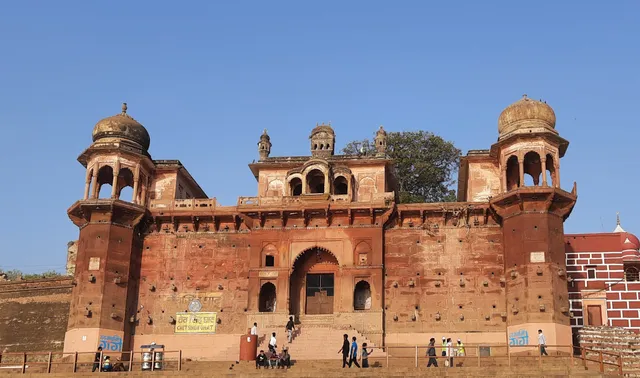
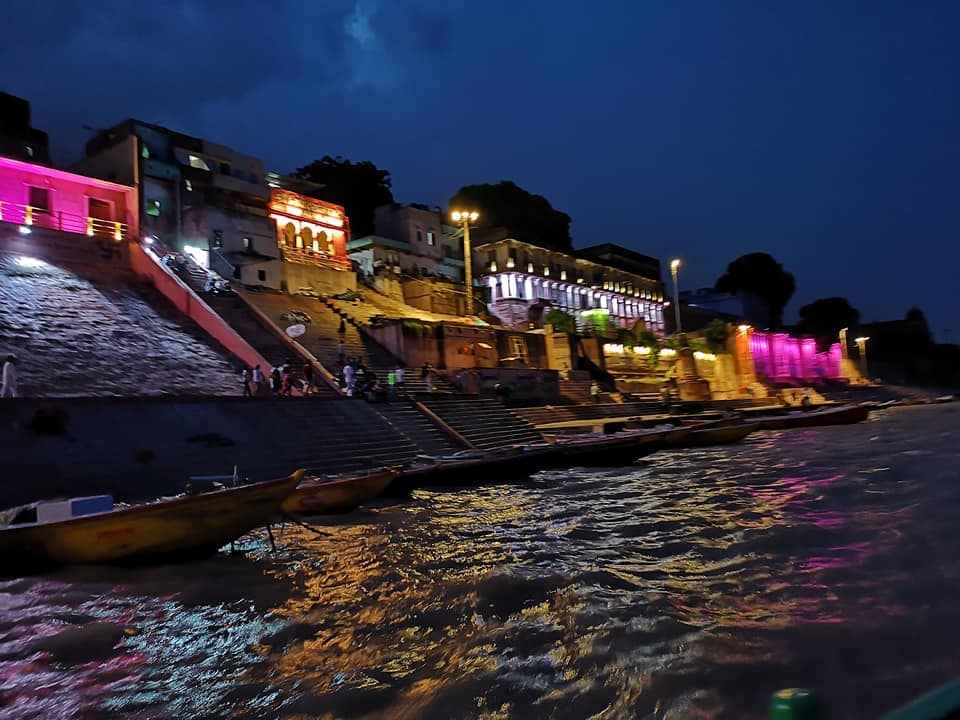
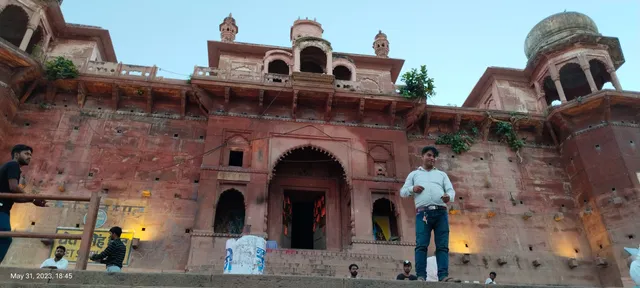
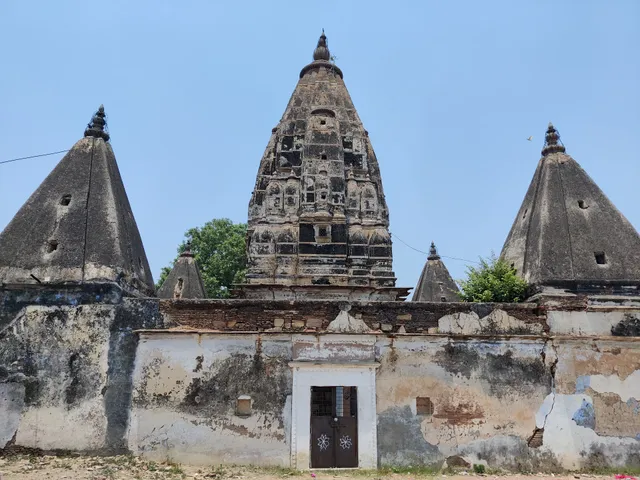
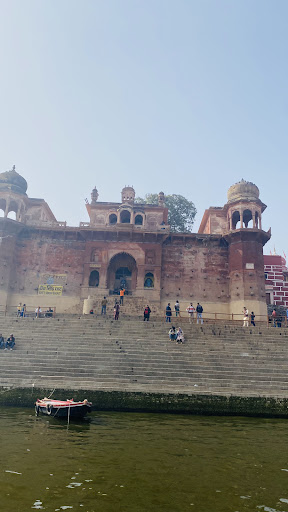
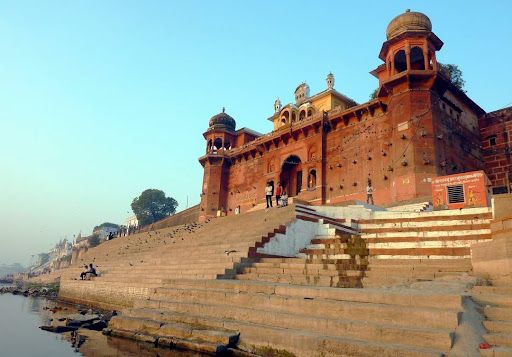
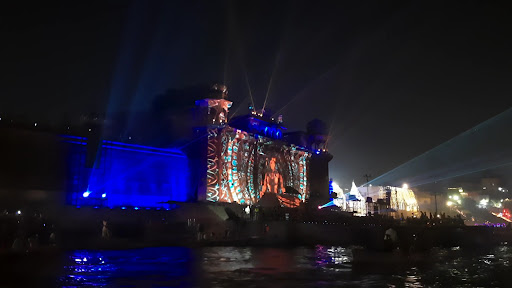
There is a temple of Lord Shiva on Chet Singh Ghat. The temple was built in 18th century. The devotees keep offering prayer here. Thus, continuous fragrance of incense sticks, earthen oil lamps (‘diyas’), aroma of beautiful flowers and uninterrupted chants of ‘shlokas’, hymns & ‘bhajans’ create a religiously pious ambience on the ghat. Its cultural importance can easily be understood by the fact that Varanasi’s very own seven-day long Budhawa Mangal festival is organized on Chet Singh Ghat. One can have a spiritually rich time over here. It offers stunning views of fort like palace, popularly called Chet Singh Fort, not far away from Harishchandra Ghat. The Chet Singh Fort is made of rich red sandstone. The buildings alongside the ghats on the Ganga need to be explored from architectural point of view. During afternoon Chet Singh Fort offers best view. It’s really mesmerizing to see its facades glow. The architecture of the fort is grand and fantastic. Chet Singh had built this palace cum fort building to prevent the region from invaders and enemies. The appearance of the fort looks quite old with trees and shrubs growing from all the sides. Chet Singh Fort is a pleasant and imposing site to behold while doing a boat ride in the Ganga. Though it’s a pleasant ghat but its river-front is not suitable for bathing due to swift current. So, swimming and bathing is avoided here. Preservation and conservation of the historical heritage of Chet Sing Ghat & Fort is done by the Kashiraj Trust of the Maharaja.
Chet Singh Ghat is located at a distance of about 5 km from Varanasi railway station. It is located exactly in front of Chet Singh Fort. The recommended duration for the tourists to explore the ghat is around 30 minutes. All the ghats are open for public 24X7. There is no entry fee...
Read moreChet Singh Ghat, situated on the banks of the Ganges in Varanasi, is a historically significant and visually stunning location. The ghat is named after Maharaja Chet Singh, who once ruled Varanasi and fought against the British during the 18th century. The fort at the ghat adds to its historical charm, though it remains largely abandoned.
Pros:
✔ Scenic Beauty – Offers a mesmerizing view of the Ganges, especially during sunrise and sunset. ✔ Less Crowded – Compared to Dashashwamedh Ghat, it is relatively peaceful, making it ideal for those seeking solitude. ✔ Historical Significance – The fort and its battle history make it a point of interest for history lovers. ✔ Good for Photography – The architecture, riverfront, and serene ambiance make it a great spot for photographers.
Cons:
❌ Limited Accessibility – Fewer boats stop here, and the pathways are not well-maintained. ❌ Not Very Clean – While it’s better than some ghats, cleanliness can still be improved. ❌ Lack of Facilities – Few shops and amenities are available nearby compared to other famous ghats.
Final Verdict:
Chet Singh Ghat is a great spot for those looking to explore the lesser-known yet historically rich parts of Varanasi. It’s an ideal place for photography, meditation, and enjoying the tranquility of the Ganges. If you love history and peaceful surroundings, it’s worth a visit. However, better maintenance and facilities would enhance the experience.
Would you like any modifications based on...
Read moreChet Singh (1770-1781) built the palatial building of Chet Singh Ghat in mid the 18th century as a small fortress, which witnessed the fierce battle between the troops of Warren Hastings and Chet Singh in 1781 that resulted to the defeat of Chet Singh. Thus this fortress went under the control of British. In late 19th century the King Prabhunarayan Singh had again took the possession of this fort. The northern part of it was donated to Naga group of ascetics who late on built their monasteries and ghats, called Niranjani Ghat and Nirvani Ghat.
Description and History ===: This palace has been his principal residence. This building composed of (a) a palace with pavilions, built on the terrace overlooking the Ganga, (b) a group of buildings for the women (demolished), and (c) a Mughal garden with darbar and water tower. The palace has a particularly favoured relationship to the Ganga. It opens out onto the ghat which are a continuation of the palace and reached by means of a monumental gateways. The gateway houses a stairway, which gives access to the terrace. There, a central pavilion stands looking out over the Ganga, on which the Maharaja appeared for glimpse. The terraced level is defined at two corners by two massive structures tapped by octagonal domed pavilions. There are three state temples of Shiva in the compound, built in...
Read more