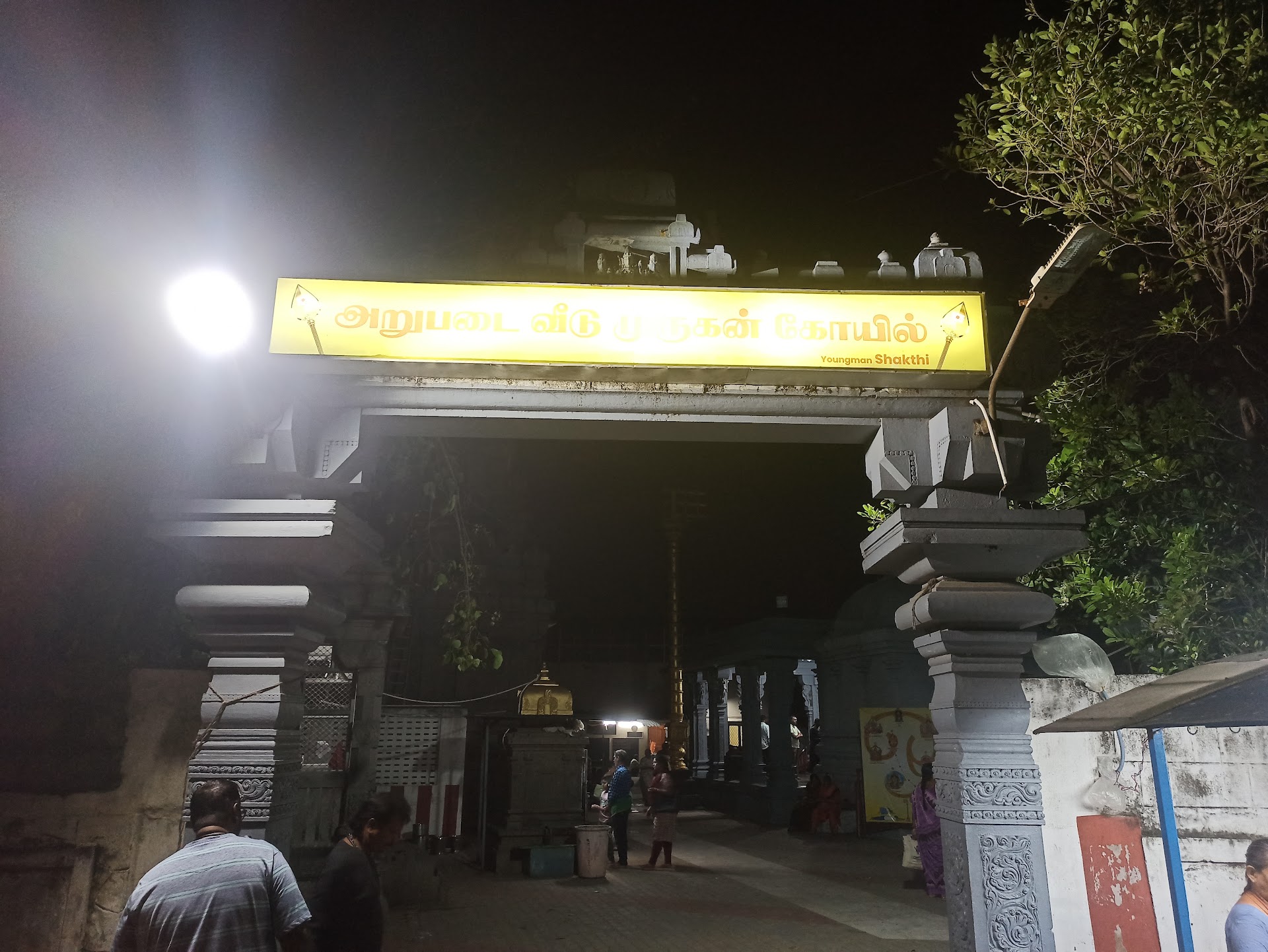
Location: Arupadai Veedu Murugan Temple, Thiru Murugan Street, Kalakshetra Colony, Besant Nagar, Chennai, Tamil Nadu - 600 090.
Timings: 6:00 a.m. to 12:00 p.m. and 6:00 p.m. to 8:00 p.m.
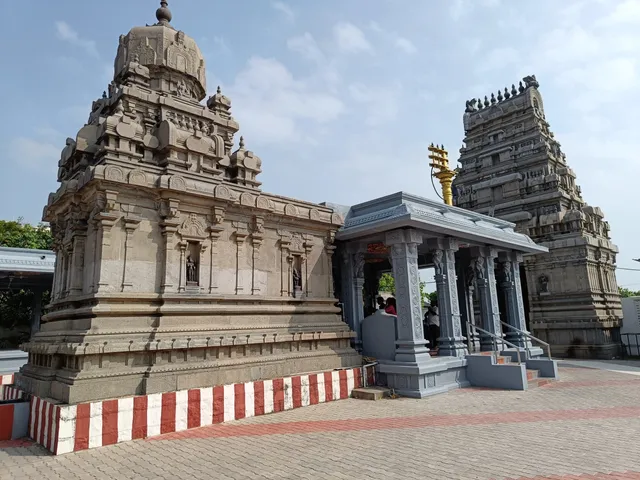
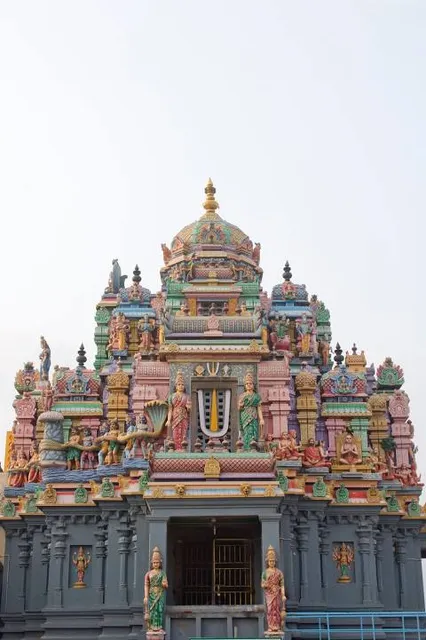
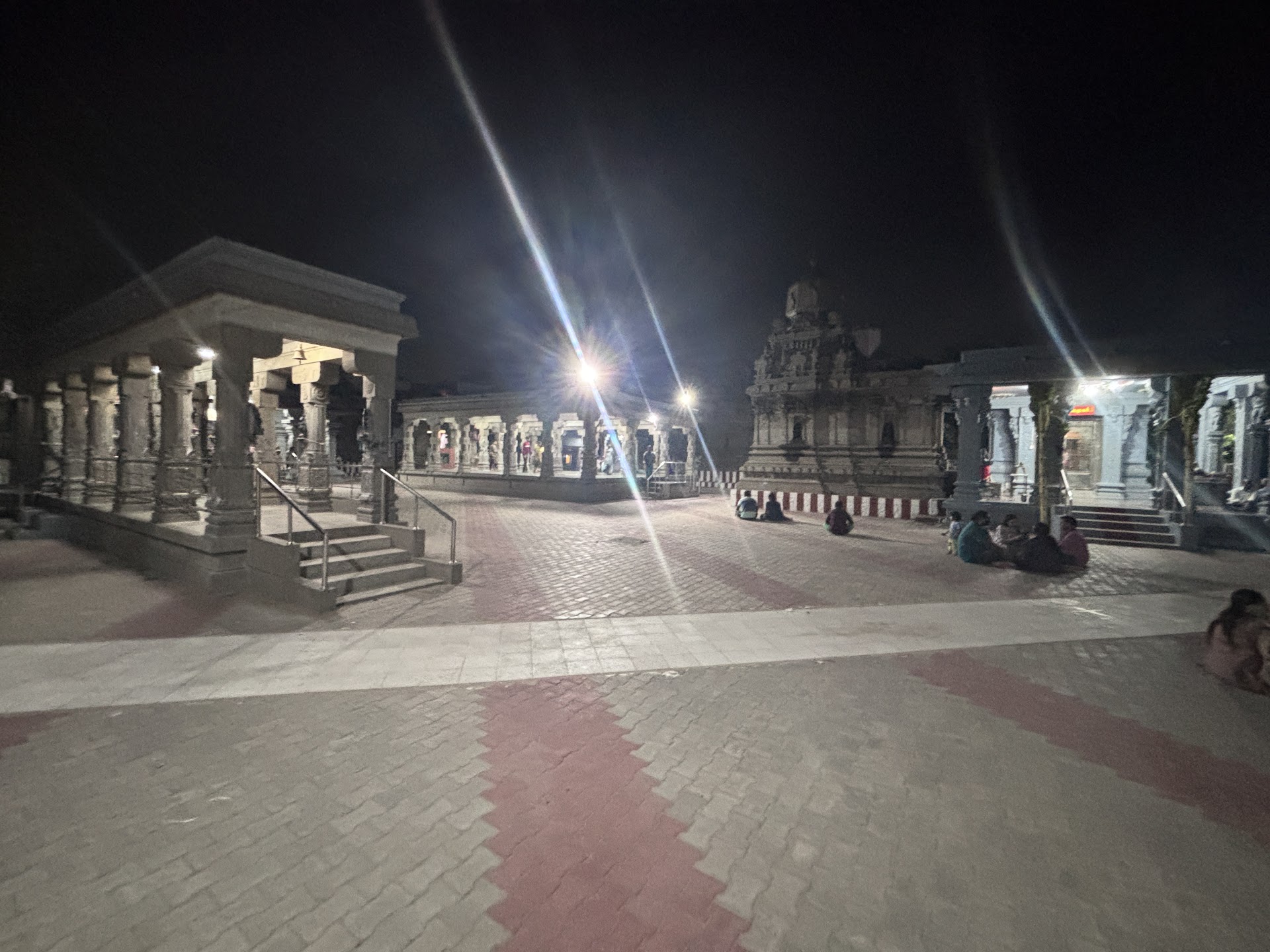
About: The Arupadai Veedu Murugan Temple, located in Kalakshetra Colony, Besant Nagar, Chennai, is dedicated to Lord Muruga. The temple complex comprises all six Lord Muruga temples, uniquely arranged to facilitate worship of all six deities in one shrine.
The six Muruga temples are positioned as follows:
The Swamimalai temple is situated in the northeast. The Tiruchendur temple is located in the east. The Pazhamudirsolai and Tirupparankundram temples are positioned in the south. The Palani temple is situated in the west. The Tiruttani temple is located in the northwest.
The Mahavallabha Ganapati temple is centrally located.
Lord Subramanya, the son of Lord Shiva, is a revered deity in Tamil Nadu, India. He is also known as Skanda, Shanmukha, or Murugan. Throughout the state, there are numerous significant temples dedicated to him. Six of these temples are considered the most important and are collectively referred to as the "Arupadai Veedu" temples.
History: In 1984, Dr. Alagappa Alagappan conceived the idea of building a temple complex that would house all six Arupadai Veedu temples. He sought the blessings of Sage Kanchi Paramacharya, who approved the project. An acre of land was allocated by the then-Chief Minister, Dr. M.G. Ramachandran, for the construction of this granite temple.
The temple complex was built with the sole purpose of allowing devotees to worship all six Murugas in one shrine. Dr. Alagappa Alagappan initiated the project with the blessings of Sri Sri Maha Periyavaal of Kanchi Mutt.
The construction of the temple complex began in 1995 with the building of the Swamimalai praahaaram. The Mahaavallabha Ganapati sannadhi, the Palani, and Tiruttani praakaarams were completed and consecrated in 1998. The Tiruchendur, Tirupparankundram, and Palamudirsolai sannadhis were completed in 2002, and the consecration ceremony took place on June 21, 2002, in the presence of His Holiness Sri Jayendra Saraswati Swamigal of Sri Kanchi Kamakoti Peetam.
Experience: Visiting the Arupadai Veedu Murugan Temple is a truly wonderful experience. The temple complex offers a serene and divine environment, where devotees can worship all six abodes of Murugan. The temple's unique design and architecture create a sense of connection with the divine.
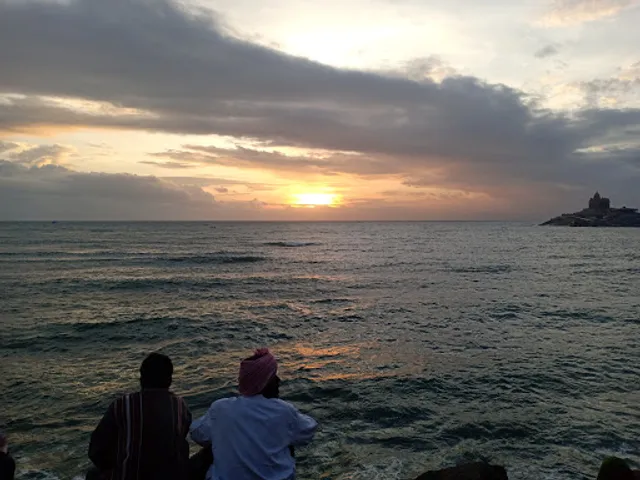
One of the unique features of the temple is the few steps leading to the sea, recreating the experience of the Thiruchendur Murugan temple. The morning and evening hours offer a wonderful breeze, making it an ideal destination for people of all ages.
Overall, the Arupadai Veedu Murugan Temple is a must-visit destination for those seeking a divine and...
Read moreThe Besant Nagar Arupadai Veedu houses the replicas of six sacred temples of Lord Murugan. These temples represent key events in Murugan's life.
Tirupparamkunram: This is where Lord Murugan married Deivanai, the daughter of Indra, the king of the gods.
Temple Specialty: The temple is carved into a hill and showcases rock-cut architecture. Murugan is worshipped here as Subramanya Swami.
Presiding Deity: Murugan with Deivanai.
Tiruchendur: Located on the seashore, this is where Lord Murugan defeated the demon Surapadman in a fierce battle and demonstrated his role as the protector of dharma.
Temple Specialty: Unique as it is situated on the coast, unlike most hill-based Murugan temples.
Presiding Deity: Senthil Andavar.
Palani: At this hill temple, Lord Murugan is worshipped as Dhandayuthapani Swami, symbolizing renunciation. History says he came here after a disagreement with his family over a divine fruit (mango).
Temple Specialty: Murugan is depicted in a meditative pose, holding a staff (danda).
Presiding Deity: Dhandayuthapani.
Swamimalai: Here, Lord Murugan is said to have taught the meaning of the Pranava Mantra (Om) to his father, Lord Shiva, demonstrating his wisdom and divinity.
Temple Specialty: Situated on a small hill with 60 steps representing the Tamil years.
Presiding Deity: Swaminatha Swami.
Tiruttani: This is where Murugan is believed to have married Valli, his second consort, symbolizing his compassionate and loving nature.
Temple Specialty: Located on a hill with a peaceful ambiance, symbolizing Murugan's blessing of mental peace.
Presiding Deity: Subramanya Swami.
Pazhamudircholai: The last of the six temples, this temple is located in a lush forest near Madurai. It signifies Murugan's role as a benevolent deity who grants wisdom and blessings.
Temple Specialty: The temple is surrounded by nature, and Murugan is worshipped alongside his consorts, Valli and Deivanai.
Presiding Deity: Murugan with Valli and Deivanai.
This place in besant nagar chennai is a treasure for people to worship all six temples in a...
Read moreMurugan Temple
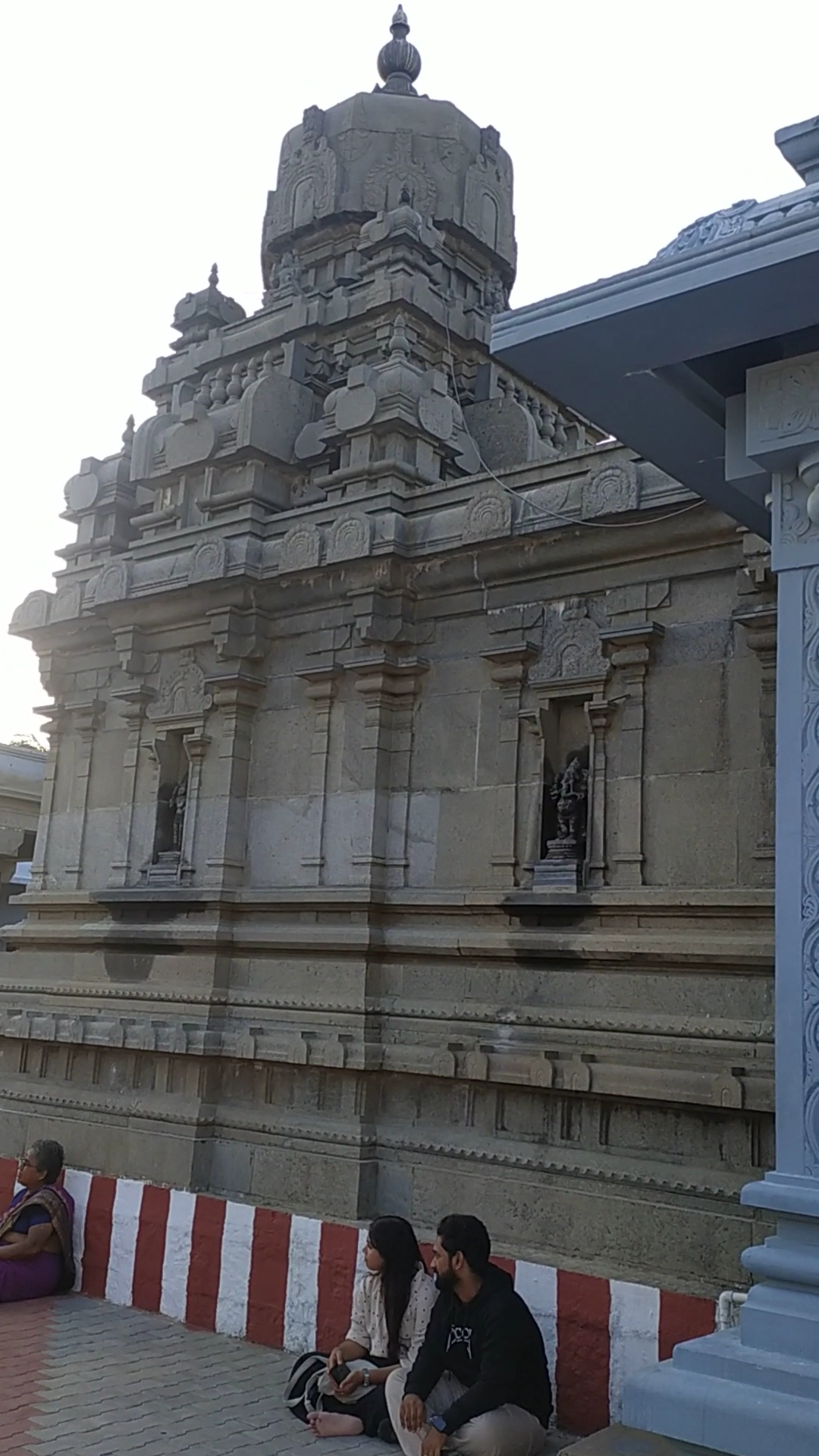
Unified Representation of Six Abodes: This temple uniquely brings together replicas of all six sacred abodes (Arupadai Veedu) of Lord Murugan—Palani, Swamimalai, Thiruchendur, Thiruthani, Thiruparankundram, and Pazhamudircholai—within a single complex. Each shrine is meticulously designed to reflect the distinct characteristics of its original counterpart, offering devotees the experience of visiting all six abodes in one place.   Architectural Layout and Orientation: The temple’s layout is thoughtfully planned, with each shrine positioned to mirror its geographical location in Tamil Nadu. For instance, Swamimalai is placed in the northeast, Thiruchendur in the east, Palani in the west, Thiruthani in the northwest, and both Thiruparankundram and Pazhamudircholai in the south. At the center lies the Mahavallabha Ganapati shrine, symbolizing harmony and balance.  Granite Construction and Artistic Detailing: Constructed entirely from granite, the temple showcases traditional Dravidian architecture. Intricate carvings and sculptures adorn the pillars and walls, depicting various forms and legends of Lord Murugan. This craftsmanship not only enhances the temple’s aesthetic appeal but also provides a serene ambiance for worshippers. Historical Inception and Development: The temple’s construction commenced in 1995, inspired by Dr. Alagappa Alagappan’s vision to create a unified space for Murugan devotees. With the blessings of the Kanchi Paramacharya and support from the Tamil Nadu government, the temple was completed and consecrated in phases, culminating in 2002.   Proximity to Coastal Landmarks: Situated near the Bay of Bengal, the temple offers devotees a tranquil environment complemented by the soothing sea breeze. It’s also in close vicinity to other notable spiritual sites, such as the Ashtalakshmi Temple, making it a significant part of Chennai’s religious and...
Read more