Kannagi Statue things to do, attractions, restaurants, events info and trip planning

Basic Info
Kannagi Statue
Bharathi Salai, Marina Beach, Triplicane, Chennai, Tamil Nadu 600005, India
4.4(2.4K)
Open until 12:00 AM
Save
spot
spot
Ratings & Description
Info
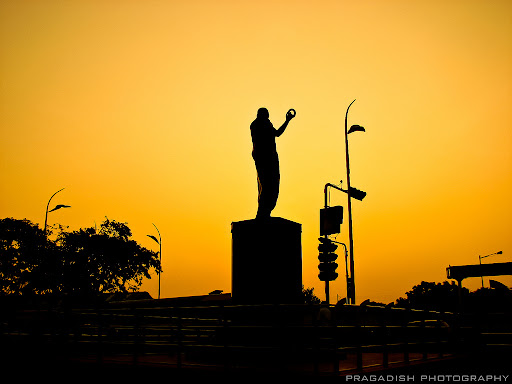
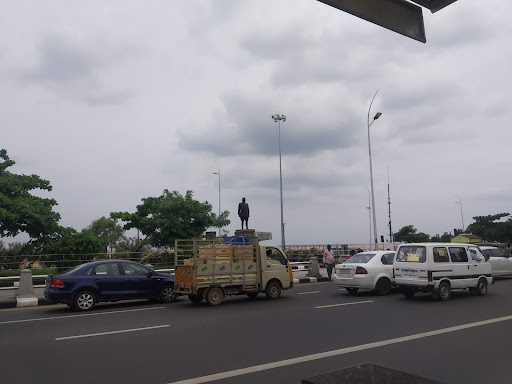
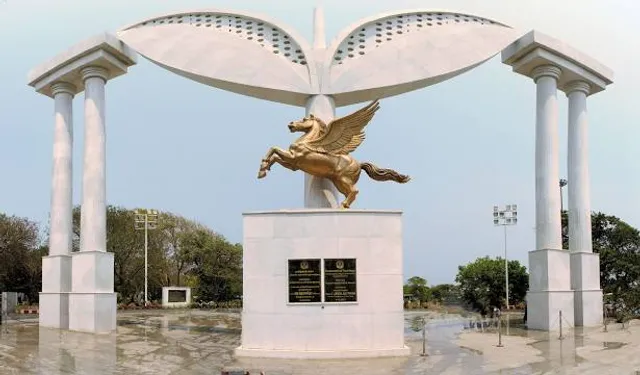
Kannagi statue is a statue at the Marina Beach, Chennai, India. It is located at the intersection of Bharathi Salai and Kamarajar promenade. On 2 January 1968, it was erected as Kannagi holding an anklet in her hand and demanding justice.
Cultural
Accessibility
attractions: Marina Beach Photo Spot, M. A. Chidambaram Stadium, Arulmigu Sri Parthasarathy Perumal Temple Tiruvallikeni, Marina Beach, Labour Statue, Vivekananda House, Chepauk Palace, Perarignar Anna Memorial, Big Street Masjid, Amma Museum, restaurants: Sundari Akka Kadai, Marina beach, Triplicane Bharathi Mess, SVR Sangeetha Vegetarian Restaurant, Mak N Bajji Shop, Govindammal Live Food, ECR fast food, Udhaya Veeramani Akka Food Corner, Anu fast food, Adyar Ananda Bhavan - A2B, local businesses: World's Second Longest Beach - Marina Beach point, Dr MGR Memorial, VmvGramiya Wood Pressed Oil Mill Store, Sri Krishna Sweets, Puratchi Thalaivi Amma Dr. J. Jayalalithaa Memorial, Sri Guru Inippagam, FB Cakes Triplicane, Kalam Sea Shell Mart, OnlyMutton
 Learn more insights from Wanderboat AI.
Open hoursSee all hours
ThuOpen 24 hoursOpen
Plan your stay

Pet-friendly Hotels in Zone 9 Teynampet
Find a cozy hotel nearby and make it a full experience.

Affordable Hotels in Zone 9 Teynampet
Find a cozy hotel nearby and make it a full experience.

The Coolest Hotels You Haven't Heard Of (Yet)
Find a cozy hotel nearby and make it a full experience.

Trending Stays Worth the Hype in Zone 9 Teynampet
Find a cozy hotel nearby and make it a full experience.
Reviews
Live events

Candlelight : Timeless Love Songs from Classic Films
Sat, Feb 14 • 6:30 PM
opp. Elcot Sez, It Expressway, Chennai, 600119
View details

Agentic Marketing Shift - Mixer
Fri, Feb 13 • 12:30 PM
Courtyard by Marriott Chennai, 564, Anna Salai, Teynampet, Thiru Vi Ka Kudiyiruppu, Teynampet, Chennai, Tamil Nadu 600018, India
View details
Candlelight: Tribute to S.P. Balasubramanium
Sun, Feb 15 • 6:00 PM
Museum Compound, Pantheon Road, Egmore, Chennai, 600008
View details
Nearby attractions of Kannagi Statue
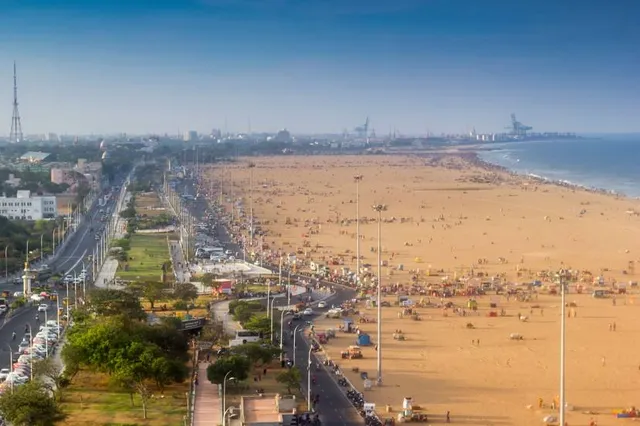
Marina Beach Photo Spot
M. A. Chidambaram Stadium
Arulmigu Sri Parthasarathy Perumal Temple Tiruvallikeni
Marina Beach
Labour Statue
Vivekananda House
Chepauk Palace
Perarignar Anna Memorial
Big Street Masjid
Amma Museum
Marina Beach Photo Spot
4.4
(833)
Open 24 hours
Click for details
M. A. Chidambaram Stadium
4.5
(9.5K)
Open 24 hours
Click for details
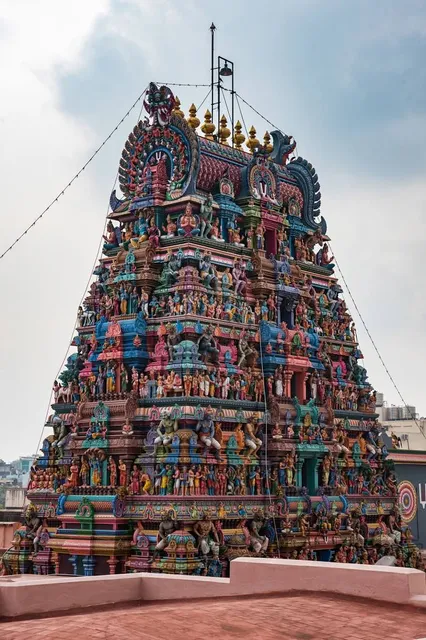
Arulmigu Sri Parthasarathy Perumal Temple Tiruvallikeni
4.7
(10K)
Closed
Click for details
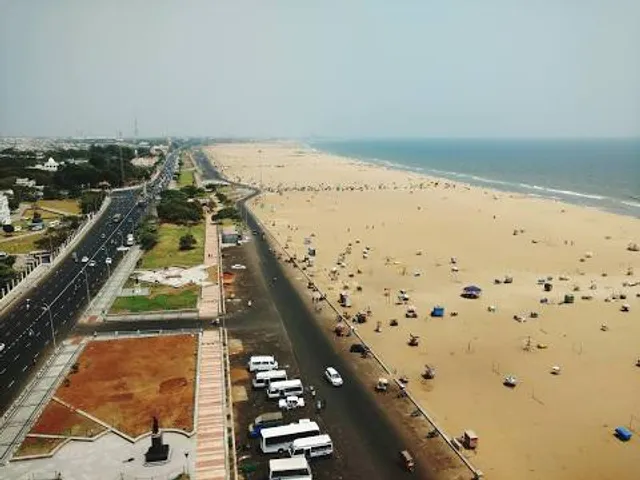
Marina Beach
4.3
(23.2K)
Open 24 hours
Click for details
Nearby restaurants of Kannagi Statue
Sundari Akka Kadai
Marina beach
Triplicane Bharathi Mess
SVR Sangeetha Vegetarian Restaurant
Mak N Bajji Shop
Govindammal Live Food
ECR fast food
Udhaya Veeramani Akka Food Corner
Anu fast food
Adyar Ananda Bhavan - A2B
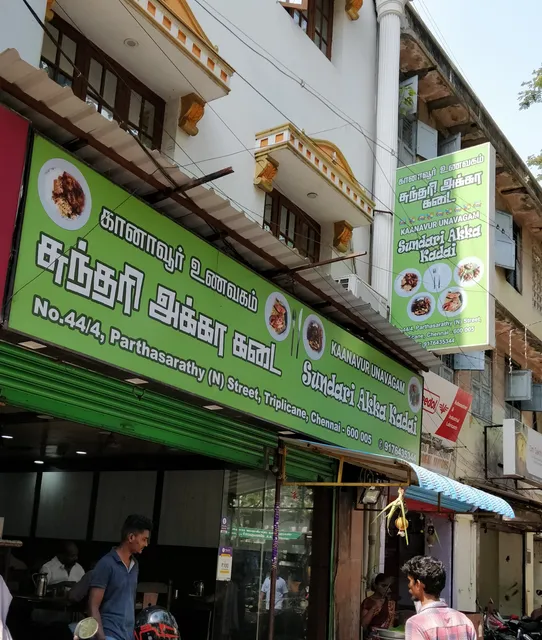
Sundari Akka Kadai
3.7
(3.6K)
Closed
Click for details
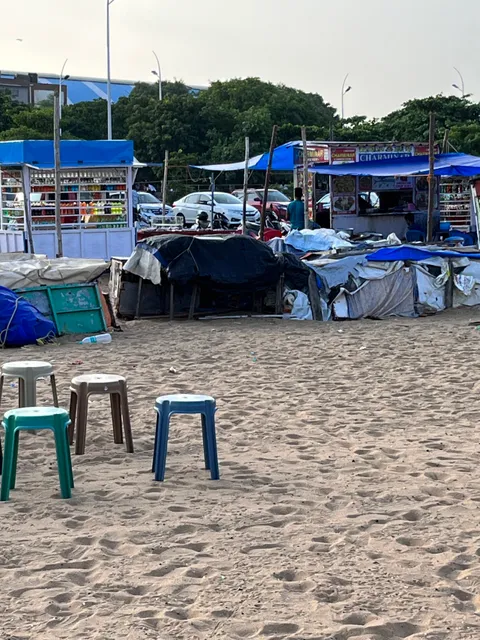
Marina beach
4.3
(8)
Click for details
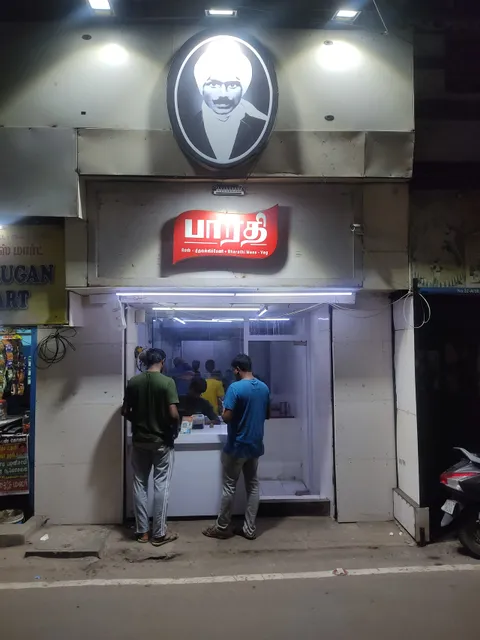
Triplicane Bharathi Mess
4.4
(1.4K)
Closed
Click for details
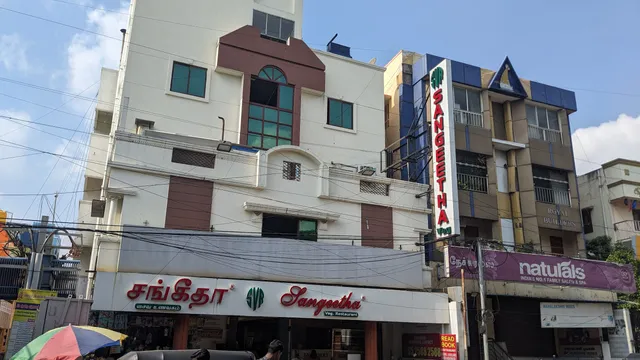
SVR Sangeetha Vegetarian Restaurant
4.0
(744)
Closed
Click for details
Nearby local services of Kannagi Statue
World's Second Longest Beach - Marina Beach point
Dr MGR Memorial
VmvGramiya Wood Pressed Oil Mill Store
Sri Krishna Sweets
Puratchi Thalaivi Amma Dr. J. Jayalalithaa Memorial
Sri Guru Inippagam
FB Cakes Triplicane
Kalam Sea Shell Mart
OnlyMutton
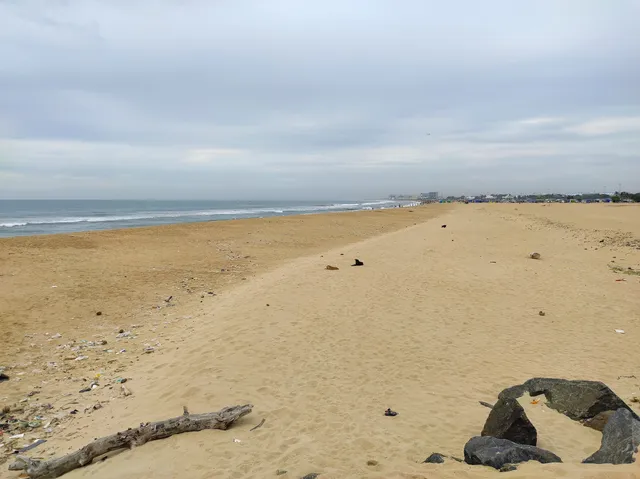
World's Second Longest Beach - Marina Beach point
4.4
(154)
Click for details
Dr MGR Memorial
4.2
(12.4K)
Click for details
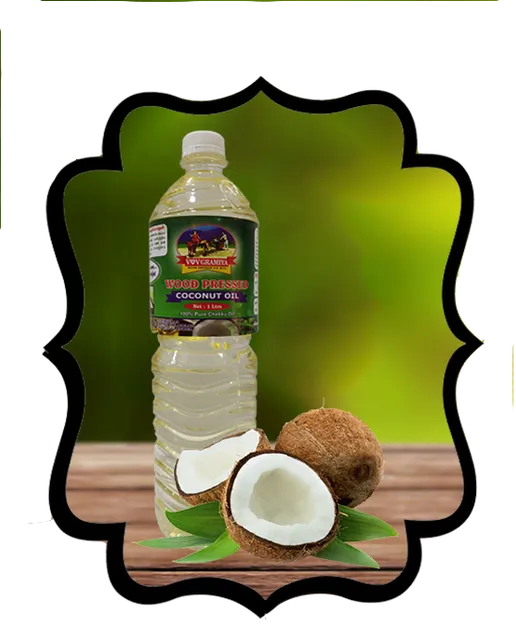
VmvGramiya Wood Pressed Oil Mill Store
4.3
(42)
Click for details
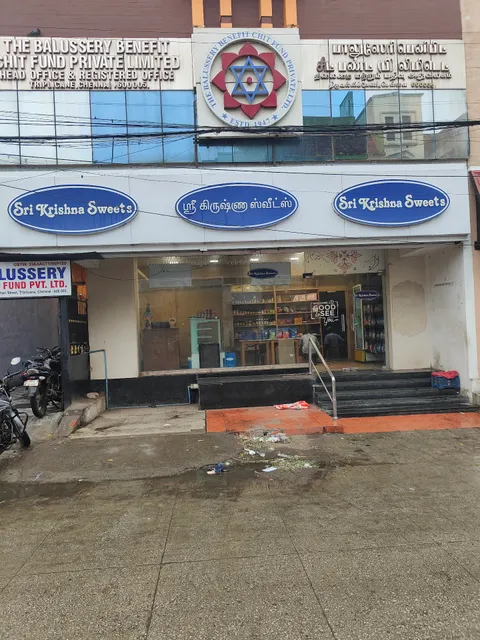
Sri Krishna Sweets
4.0
(223)
Click for details