History of Uluwatu Temple
Uluwatu Temple, or Pura Luhur Uluwatu, is one of the six key directional temples in Bali. Its exact founding date remains uncertain, but historical records suggest that the temple dates back to at least the 9th century, with evidence of an ancient candi kurung (split gateway) bearing a candrasengkala (chronogram) indicating the year 808 Isaka (886 AD).
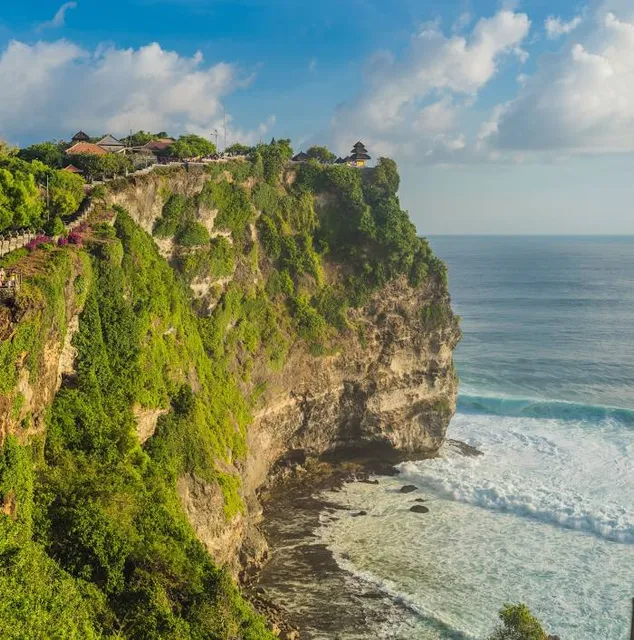
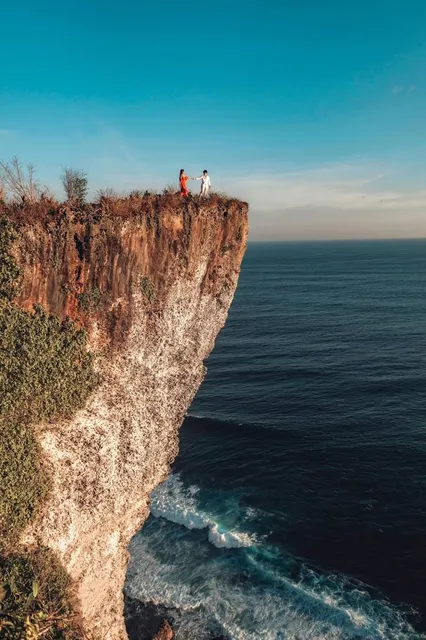
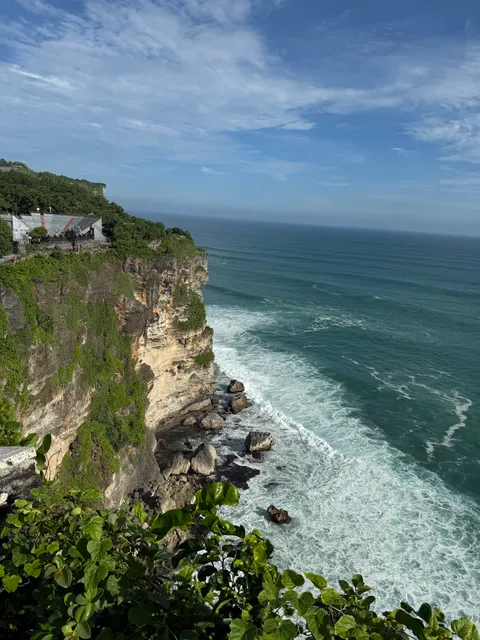
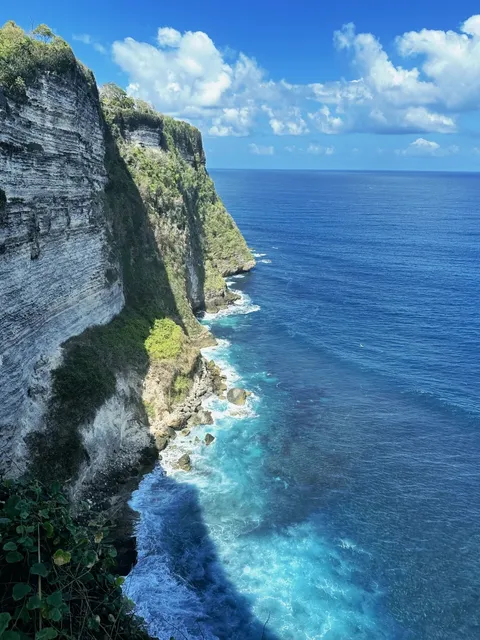
The temple’s development is often attributed to Mpu Kuturan, a highly influential Hindu sage who arrived in Bali during the reign of King Sri Msula-Masuli in the 11th century. Mpu Kuturan introduced the concept of Tri Kahyangan, which classified Balinese temples into three spiritual centers: village temples, mountain temples, and sea temples. Uluwatu Temple was established as a sea temple, meant to protect Bali from negative spiritual forces coming from the ocean. Its dramatic location, perched on a 70-meter-high limestone cliff, symbolizes its role as a guardian of Bali’s southwestern coastline.
The Role of Uluwatu Temple in Balinese Hindu Culture
Uluwatu Temple is one of Bali’s Sad Kahyangan, or six holiest temples, strategically placed around the island to maintain spiritual balance. It serves as a guardian of the southwest direction, protecting Bali from negative forces and aligning with other directional temples to create a sacred grid of energy.
The temple is dedicated to Shiva Rudra, the manifestation of Lord Shiva as the god of transformation and dissolution. Balinese Hindus regularly visit Uluwatu Temple to offer prayers, seek blessings, and participate in religious ceremonies, particularly during Piodalan, the temple’s anniversary, which is celebrated every 210 days according to the Balinese Pawukon calendar
Iconic Statues of Uluwatu
Kumba Karna Kerebut Statue
The Kumba Karna Kerebut Statue at Uluwatu Temple depicts Kumbakarna, a legendary warrior from the Hindu epic Ramayana. Known for his immense strength and unwavering loyalty, Kumbakarna fought in the battle against Lord Rama out of duty rather than malice. The statue symbolizes sacrifice, devotion, and moral integrity, values deeply embedded in Balinese Hindu teachings.
Positioned among Uluwatu’s dramatic cliffs, the statue is often associated with the sacred monkeys that inhabit the temple grounds. The intricate carvings bring to life the struggle between Kumbakarna and the Vanara army, blending mythology with the natural surroundings, making it an important cultural and spiritual landmark. Danghyang Nirartha Statue The Danghyang Nirartha Statue honors one of Bali’s most revered Hindu priests, Danghyang Nirartha, who played a crucial role in shaping Balinese Hinduism in the 16th century. He is credited with founding several major temples, including Pura Uluwatu, where he is believed to have attained moksha (spiritual liberation) through deep meditation on the temple’s cliffs.
The statue, depicted in a serene meditative pose, represents wisdom, enlightenment, and spiritual guidance. As a key figure in Balinese religious history, Nirartha’s influence is still felt today in temple rituals and traditional ceremonies, making his statue a place of reverence and reflection for visitors.
The Wonderful Beauties of Uluwatu Temple Cliffside Temple-Perched 70 meters above the Indian Ocean. Breathtaking Sunset-One of Bali’s most spectacular sunset spots.
Plan Your Visit Opening Hours & Entrance Fees Entrance Fee To enter Uluwatu Temple, visitors are required to pay an entrance fee, which helps with the temple’s maintenance and conservation efforts. Below is the updated ticket pricing: International Visitors: Adult: IDR 50,000 Child: IDR 30,000 Domestic Visitors: Adult: IDR 30,000 Child: IDR 20,000 Note: The entrance fee does not include parking or the ticket for the Kecak Dance performance, which requires a separate ticket purchase. Opening Hours Uluwatu Temple is open to visitors every day from 7:00 AM to 7:00 PM. The temple welcomes both local and international travelers who wish to experience its breathtaking views, cultural heritage,...
Read moreVisiting Uluwatu Temple is an unforgettable experience—this place has breathtaking ocean views, stunning cliffside landscapes, magical sunsets, and a deep spiritual atmosphere. It’s one of Bali’s most iconic landmarks, and for good reason. However, there is one major downside that visitors should be aware of before coming.
The Temple & Its Spectacular Views
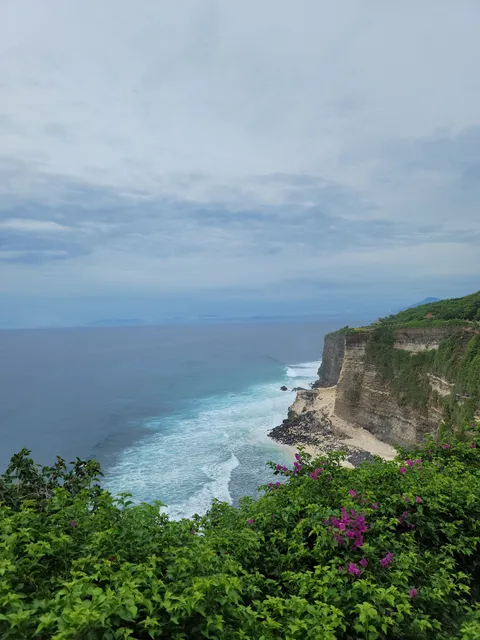
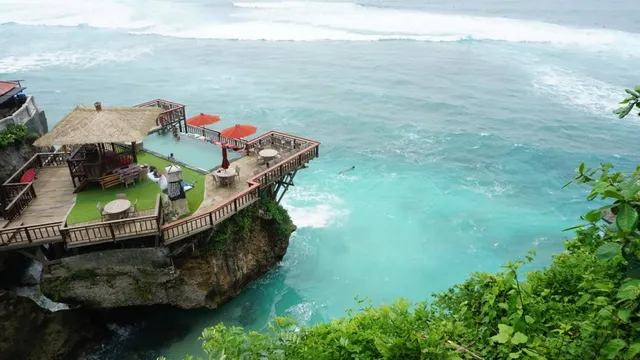
Perched on a dramatic cliffside, Uluwatu Temple offers some of the most stunning panoramic views you will ever see. The waves crash against the cliffs below, creating a mesmerizing scene that makes this temple feel almost surreal. Walking around the temple grounds, you’ll find beautiful Balinese architecture, intricate carvings, and a peaceful atmosphere, making it an amazing place to soak in Bali’s rich cultural and religious heritage.
The Legendary Sunset
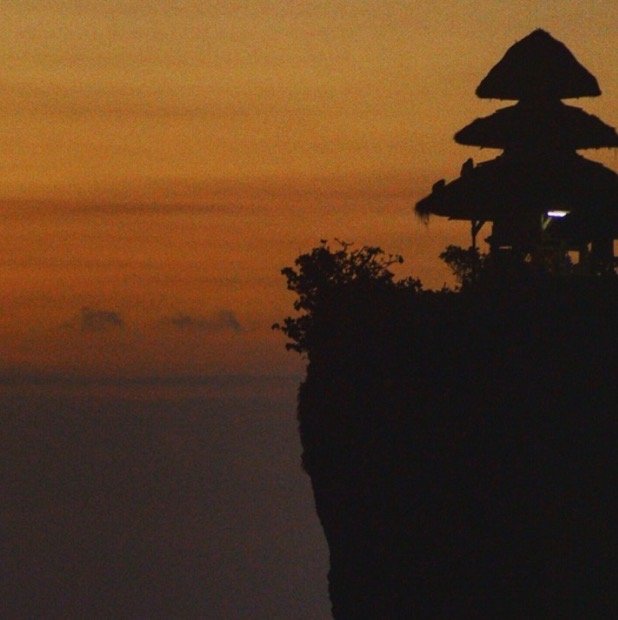
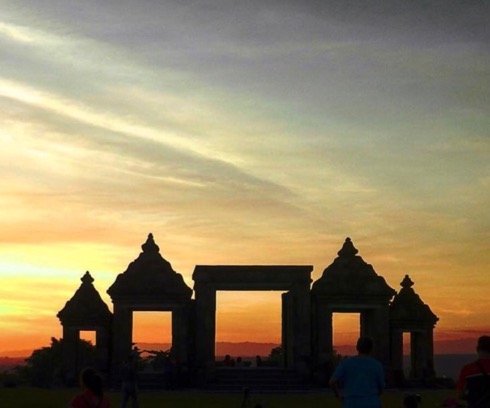
If you’re looking for one of the most spectacular sunsets in Bali, this is the place. As the sun begins to set, the sky transforms into a blend of fiery orange, pink, and purple, creating an unforgettable moment. Watching the sunset over the vast ocean from Uluwatu is a once-in-a-lifetime experience, and it’s worth planning your visit around this magical time of day.
The Monkeys – Cute but Sneaky!
One of the most entertaining (and slightly dangerous) aspects of Uluwatu Temple is its infamous monkey population. These monkeys are smart, playful, and absolute experts at stealing things. They will grab your sunglasses, hats, phones, and even water bottles before you even realize what happened. If you don’t want to negotiate with a monkey to get your stuff back, keep everything secured and avoid holding loose items in your hands.
The Amazing Staff
One of the best things about this place is the friendly and helpful staff. They are always around, making sure visitors are safe and guiding them through the temple complex. If a monkey does snatch something from you, the staff often help retrieve it—sometimes in exchange for food, because even the monkeys know how to make a deal here!
Hidden Fees – The Unpleasant Surprise
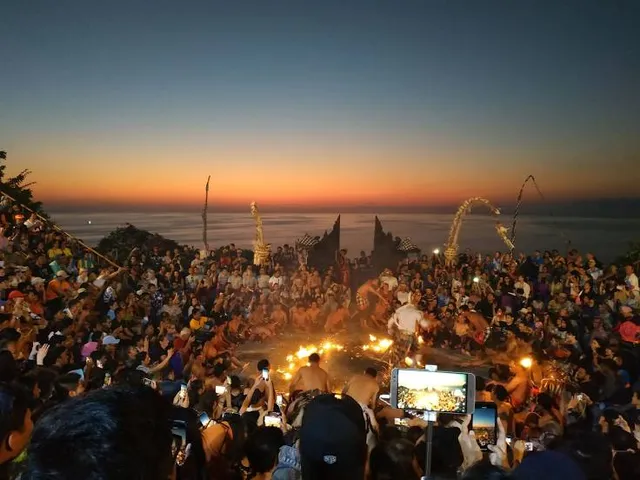
Now, here’s the one big issue that really feels like a rip-off. The entrance fee to the temple is 50,000 IDR, which seems fair for such a beautiful and historic site. However, what they don’t tell you upfront is that if you want to see the famous Kecak Fire Dance, you’ll need to pay an extra 150,000 IDR once you’re already inside.
This is extremely misleading, as many visitors assume the dance is part of the original entrance fee. Only after you’ve entered do you realize that you need to pay more if you want to watch it. While the Kecak dance is an incredible experience, the way they handle the pricing is disappointing. They should be more transparent about this at the entrance so that visitors know exactly what to expect.
Final Thoughts
Uluwatu Temple is a must-visit for its breathtaking views, incredible sunsets, rich cultural experience, and entertaining monkeys. The staff are wonderful, and the overall atmosphere is magical. However, the lack of transparency about the hidden extra fees is frustrating, and visitors should be aware of this before going.
P.S. Hold on to your hats, sunglasses, and phones! The monkeys will steal them in seconds, and unless you want to negotiate with a banana as currency, it’s best to keep your belongings secured.
Would I recommend Uluwatu Temple? Absolutely. But go prepared, and don’t let the hidden fees catch...
Read moreUluwatu Temple, or Pura Luhur Uluwatu, is a breathtaking Balinese sea temple perched on a 70-meter-high cliff overlooking the Indian Ocean. Renowned for its stunning sunsets, it attracts many visitors seeking both spiritual and scenic experiences. The temple's intricate architecture, dating back to the 11th century, adds to its allure.Visitors can enjoy the captivating Kecak fire dance performed at sunset, set against the dramatic backdrop of the ocean. The temple is also home to playful monkeys, enhancing the lively atmosphere. With its spiritual significance and picturesque views, Uluwatu Temple is a must-visit destination in Bali for several compelling reasons:
Spectacular Cliffside Location: Perched 70 meters above the Indian Ocean, the temple offers breathtaking panoramic views, especially at sunset when the sky transforms into vibrant hues of orange and pink.
Cultural Significance: As one of Bali’s six holiest temples, Uluwatu plays a vital role in the island's spiritual landscape, dedicated to the God of Storms, Sang Hyang Widhi Wasa.
Iconic Kecak Dance: The temple hosts the famous Kecak fire dance at sunset, a mesmerizing performance that narrates the Ramayana story against a stunning backdrop.
Playful Monkeys: The cheeky monkeys that roam the area add a lively atmosphere, making for amusing encounters for visitors.
These elements combine to create an unforgettable experience, making Uluwatu Temple a highlight of any Bali itinerary.
The best times to visit Uluwatu Temple for the Kecak dance are during the dry season, from April to October, when the weather is typically sunny and pleasant. Arriving around 4:30 PM to 5:00 PM allows you to explore the temple grounds and secure a good spot for the dance, which starts at 6:00 PM and 7:00 PM. This timing also ensures you can enjoy the stunning sunset before the performance begins, enhancing the overall experience with a beautiful backdrop.
The best spots to watch the Kecak dance at Uluwatu Temple include:
Kecak Dance Amphitheater: This dedicated area offers a semi-circular seating arrangement, providing excellent views of the performance against the stunning ocean backdrop. Arriving early ensures you get a prime seat.
Middle Rows: Aim for seats in the middle section of the amphitheater, facing the stage directly for the best experience.
Cliffside Areas: While not designated seating, some visitors enjoy views from nearby cliffside spots before the performance starts, capturing beautiful sunset photos. Make sure to arrive early, as seating is first-come,...
Read more