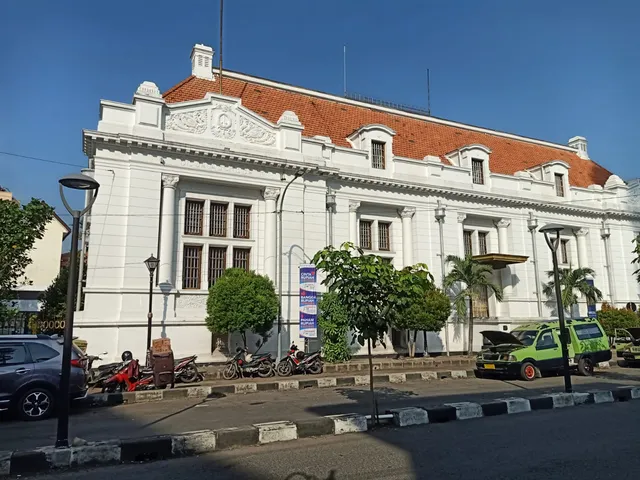
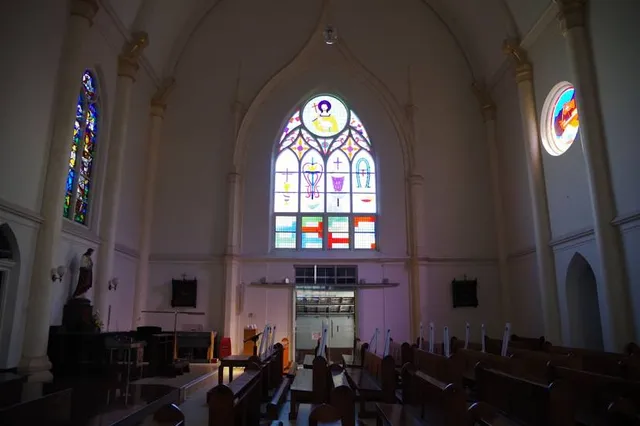
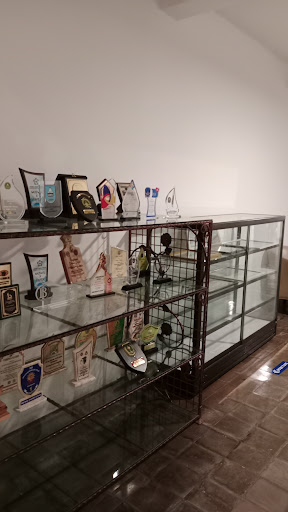
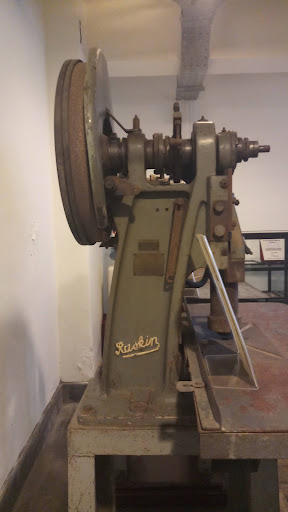
Visited this place unplanned last Saturday and got amazed as i walked into the basement. Yes, the entrance lured us to the basement which was rooms for the bank's vault (with thick and heavy vault doors). The rooms used for the display of museum's collections (old currencies, bank machineries, (faux) gold bar, antique furnitures from the past and so on). To be honest, the collection was so dull and definitely need more additions to make this museum better and more attracting. But i was super excited and literally exclaimed "WOW" (for a gazillion times) as I climbed the stairs to the main hall above. First thing that caught my attention was the painted glass skylight! That beautiful skylight illuminate the whole main hall thoroughly. This floor was literally just a very beautiful hall with a row of antique teller stations in the west corner that remind me of 'confessional' in the church (seriously, that was the first thing that came into my mind when i saw it). In the north median of this main hall there was a main gate with its still-very-well functioned revolving door (unfortunately this gate is only open in special occasions). The hall is mainly used for artistry events such as fine arts or photography exhibition, classical music concert and so on. Oh, by the way, I learned that the restoration was held with delicate and detailed studies. For example one column was left un-repainted to show the original layer which exposed original motif that they eventually reduplicated it to the rest of the other columns. Just above the main hall floor there was an attic which was used for archives room in the past. I saw rows of antique wooden archives-shelves in the far south corner. Unlike other floors which was airconditioned, the attic floor was so hot (but at the same time gave me chill and made me rush back down to the hall floor).
Overall. This one fine dutch colonial style building is really worth to visit. The tour guide and security were so nice and informative. I wish there would be more publicly open restorated old buildings in...
Read moreThis is such an amazing conserved-museum of De Javache Bank! It looks like we go back to the old era in Surabaya where we still find european architecture, ornament, and a lot of things. From this building, we migjt find something wonderful about its history that we never even hear before.
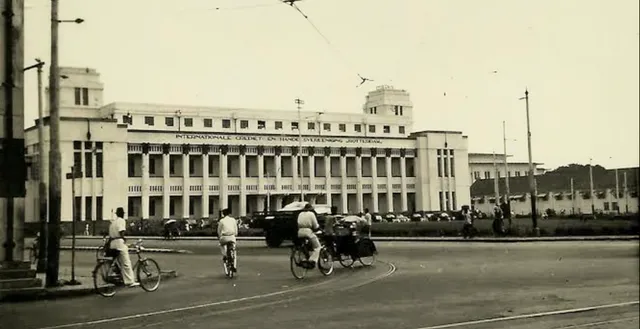
From what I read in infographic here with title "From Garuda to Pahlawan", De Javache Bank (DJB) was a circulation bank in the period of Dutch Indies colonialism established in 1828, and its head office is in Batavia (Jakarta). The building here in Jalan Garuda Surabaya is one of its branches that opened on 14 September 1829. It became the most prestigious bulding in Surabaya at that time. On 1 July 1953, De Javache Bank changed to Bank Indonesia, and the building in Jalan Garuda become the office and could not support the operational activities because the capacity of the building was limited. It no longer be used so the new office was constructed on Jalan Pahlawan no. 105 which is still being used as Bank Surabaya office.
That important information should be informed to people as the citizen of Surabaya. From what I saw yesterday, this building was still lack of visitors, especially the domestics itself. There must be a big promotion and support from people and government to make this place hype again especially for the young generations so this kind of cultural building will be exist. The historical foundation should be known for the sake of that place and the nationalism character of the citizen. Its kind of appreciation if we can help to conserve this building by visiting and introducing this place start to our friends or relations. It will be a big help.
🌟🌟🌟🌟, it truly amazing but needs more promotion and...
Read moreMuseum Bank Indonesia Surabaya, Saksi Sejarah Perbankan Indonesia
Berwisata di Surabaya kota lama, tidaklah lengkap tanpa ber wisata ke Museum Bank Indonesia Surabaya .
Museum ini terletak di wilayah Surabaya Utara, dan nama awal gedung ini adalah De Javasche Bank. Museum ini terletak di Jalan Garuda No 1 yang tempatnya tidak jauh dari pusat perbelanjaan Jembatan Merah Plaza.
De Javasche Bank adalah bank yang didirikan oleh pemerintah Belanda pada tanggal 24 Januari 1828 dengan pusat di Batavia. Sedangkan di Surabaya, pemerintah Belanda membuka cabang De Javasche Bank pada 14 September 1829 dengan menempati gedung De Javasche Bank.
Kantor BI ini pernah dikuasai oleh pemerintah kolonial Jepang pada tahun 1942. Dan De Javasche Bank itu baru beroperasi kembali pada 6 April 1946, setelah tentara Sekutu masuk dan berkuasa.
De Javasche Bank berubah menjadi Bank Indonesia pada 1 Juli 1953. Dan untuk operasionalnya masih bertempat di gedung yang sama selama beberapa tahun. Sampai akhirnya pada tahun 1973, Bank Indonesia menempati kantor di Jalan Pahlawan 105 Surabaya.
Hal ini karena gedung ini tidak cukup luas untuk operasional perbankan di Bank Indonesia. Sampai saat ini, Bank Indonesia masih bertempat di gedung BI Jalan Pahlawan 105 Surabaya.
Pada tahun 2012, gedung De Javasche Bank berubah menjadi salah satu bangunan cagar budaya milik Bank Indonesia (BI) . Dan difungsikan untuk museum dan ruang pameran. Salah satu bagian dalam gedung ini yaitu bagian aula yang dapat menampung sekitar 500 orang.
Ruangan ini dapat dipinjam oleh masyarakat umum dengan mengajukan permohonan ke pegelola untuk berbagai kegiatan seni, budaya dan pendidikan.
Gedung De Javasche Bank merupakan gedung yang terdiri dari 3 lantai. Dan yang digunakan sebagai museum dan ruang pamer adalah lantai dasar yang merupakan lantai bawah tanah atau basement. Ada beberapa ruangan yang berisi koleksi mata uang kuno, koleksi hasil konservasi dan koleksi pusaka budaya.
Di ruang koleksi uang kuno tersimpan berbagai macam koleksi uang kuno. Uang kuno ini sejak dari jaman Belanda baik uang kertas dan koin yang disimpan didalam etalase yang berjajar. Di ruang selanjutnya yaitu ruang koleksi benda konservasi.
Disini tidak terlalu banyak barang. Hanya ada meja yang menampilkan beberapa bahan bagunan gedung De Javasche Bank seperti keramik dan genteng. Sebelum naik ke lantai 2, dapat dijumpai mesin-mesin yang digunakan di dunia perbankan kuno. Mesin tersebut berupa alat mesin pemotong uang, alat penghitung uang dan juga alat penghancur uang. Beberapa foto Surabaya tempo dulu juga ditampilkan dalam ruangan tersebut.
Di lantai 2, berupa aula yang saat ini sering digunakan untuk ruangan pameran seni dan budaya. Ruangan ini dapat digunakan oleh masyarakat umum dengan mengajukan surat peminjaman ruangan sesuai dengan prosedur yang berlaku. Dahulunya, ruangan luas ini digunakan untuk aktivitas perbankan penyimpanan dan penarikan uang oleh nasabah.
Lantai 3 dari gedung ini berupa ruang Arsip. Namun ruangan ini tidak dibuka untuk umum dan hanya khusus untuk pegawai. Sehingga pengunjung museum hanya bisa sampai lantai 2 saja. Museum bank Indonesia Surabaya ini buka setiap hari kecuali hari Senin dengan jam buka mulai pukul 8 pagi sampai dengan 4 sore.
Untuk masuk ke museum ini, pengunjung tidak perlu membayar tiket masuk. Hanya mengisi buku tamu saja yang tersedia di meja...
Read more