HTML SitemapExplore
logo
Find Things to DoFind The Best Restaurants

Naqsh-e Jahan Square — Attraction in Isfahan

Name
Naqsh-e Jahan Square
Description
Nearby attractions
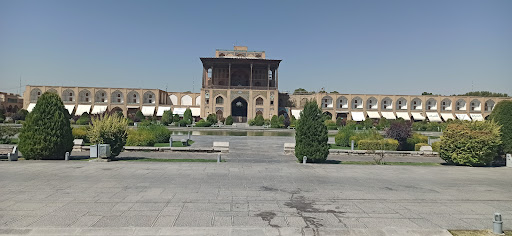
Aali Qapu Palace
MM4G+RM6, Isfahan, Isfahan Province, Iran
Sheikh Lotfollah Mosque
Isfahan Province, Isfahan، میدان مسجد شیخ لطف الله، MM4H+WFR, Iran
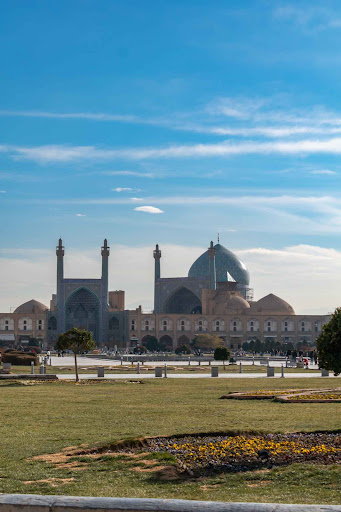
Shah Mosque
Isfahan Province Isfahan ضلع جنوبی, میدان, No. No, Iran
Qeysarie Gate
Isfahan Province, Isfahan, میدان, MM6G+4P4, Iran
Chehel Sotoon Palace
استان اصفهان اصفهان دروازه دولت) خیابان سپه، Imam Hossein Square, Iran
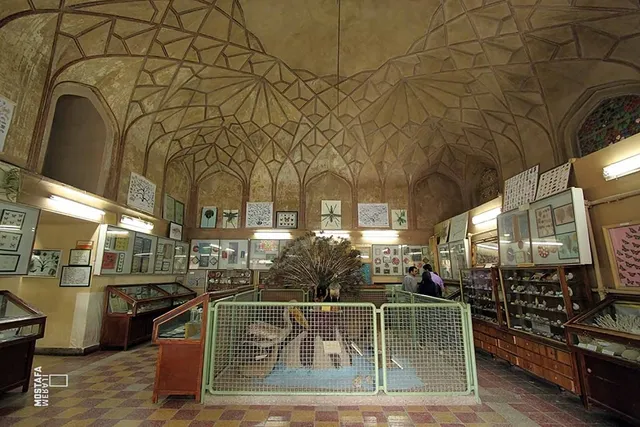
Museum Of Decorative Arts
MM4F+PM4, Isfahan, Isfahan Province, Iran
Assarkhaneh Shahi Museum
Isfahan Province, Isfahan، عصاری، MM6H+937, Iran
Maqsoudbeyk Mosque
MM6H+2WM, Isfahan, Isfahan Province, Iran
Emamzadeh Ahmad
MM3J+F32, Isfahan, Isfahan Province, Iran
خانه مشروطیت
Isfahan Province, Isfahan, W Hasht Behesht St, MM3J+99Q, Iran
Nearby restaurants
Bastani Restaurant
استان اصفهان، اصفهان، اصفهان،میدان نقش جهان،جنب مسجد امام،پلاک، 15،, Iran
Hamdamossaltaneh Cafe Restaurant
Isfahan Province, Isfahan, Unnamed Road, MM5H+CMJ, Iran
Atigh Traditional Restaurant
MM5H+MG8, Isfahan, Isfahan Province, Iran
Keryas Cafe&Restaurant
Isfahan Province, Isfahan، کوچه شهید عمرانی، MM3G+JR9, Iran
Sogoli Cafe Restaurant
MM5F+WFH, Isfahan, Isfahan Province, Iran
Nayeb restaurant
MM5J+W7Q, Isfahan, Isfahan Province, Iran
Shomale Shahr Restaurant
MM3J+CXH, Isfahan, Isfahan Province, Iran
Jarchibashi Restaurant
Isfahan Province, Isfahan, Hakim St, MM7G+F44, Iran
Azam Beryani
Isfahan Province, Isfahan, Chahar Bagh Paeen St, MM69+4W5, Iran
رستوران قصر منشی
Isfahan Province, Isfahan, Ghasr-e-Monshi, MM3J+4PH, Iran
Nearby hotels
Ghasr hotel
MM2J+WJG, Isfahan, Isfahan Province, Iran
Jamshid Hotel
Isfahan Province, Isfahan, Chahar Bagh Paeen St, MM69+CQC, Iran
Related posts
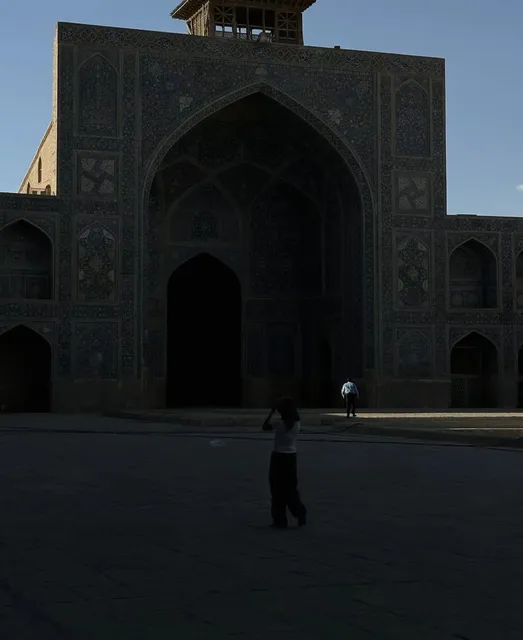
🌟 Afternoon Light and Shadow in the Persian Mosque📍 Isfahan, Iran
Keywords
Naqsh-e Jahan Square tourism.Naqsh-e Jahan Square hotels.Naqsh-e Jahan Square bed and breakfast. flights to Naqsh-e Jahan Square.Naqsh-e Jahan Square attractions.Naqsh-e Jahan Square restaurants.Naqsh-e Jahan Square travel.Naqsh-e Jahan Square travel guide.Naqsh-e Jahan Square travel blog.Naqsh-e Jahan Square pictures.Naqsh-e Jahan Square photos.Naqsh-e Jahan Square travel tips.Naqsh-e Jahan Square maps.Naqsh-e Jahan Square things to do.
Naqsh-e Jahan Square things to do, attractions, restaurants, events info and trip planning
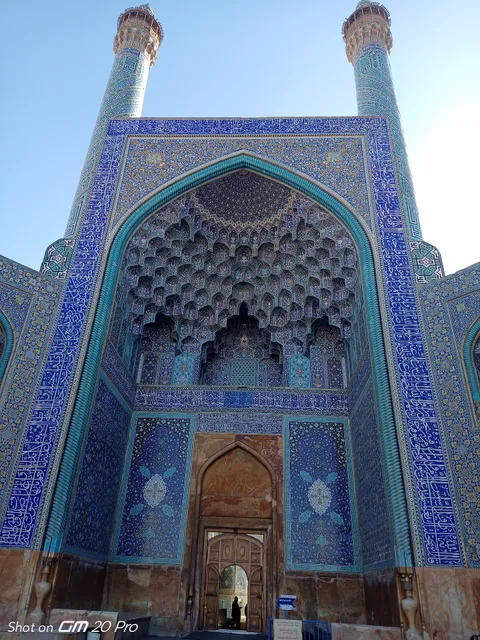
Naqsh-e Jahan Square
IranIsfahan ProvinceIsfahanNaqsh-e Jahan Square

Basic Info

Naqsh-e Jahan Square

Isfahan Province, Isfahan، میدان, Iran
4.8(557)
Open 24 hours
Save
spot

Ratings & Description

Info

Cultural
Scenic
Family friendly
Accessibility
attractions: Aali Qapu Palace, Sheikh Lotfollah Mosque, Shah Mosque, Qeysarie Gate, Chehel Sotoon Palace, Museum Of Decorative Arts, Assarkhaneh Shahi Museum, Maqsoudbeyk Mosque, Emamzadeh Ahmad, خانه مشروطیت, restaurants: Bastani Restaurant, Hamdamossaltaneh Cafe Restaurant, Atigh Traditional Restaurant, Keryas Cafe&Restaurant, Sogoli Cafe Restaurant, Nayeb restaurant, Shomale Shahr Restaurant, Jarchibashi Restaurant, Azam Beryani, رستوران قصر منشی
logoLearn more insights from Wanderboat AI.

Plan your stay

hotel
Pet-friendly Hotels in Isfahan
Find a cozy hotel nearby and make it a full experience.

hotel
Affordable Hotels in Isfahan
Find a cozy hotel nearby and make it a full experience.

hotel
The Coolest Hotels You Haven't Heard Of (Yet)
Find a cozy hotel nearby and make it a full experience.

hotel
Trending Stays Worth the Hype in Isfahan
Find a cozy hotel nearby and make it a full experience.

Reviews

Nearby attractions of Naqsh-e Jahan Square

Aali Qapu Palace

Sheikh Lotfollah Mosque

Shah Mosque

Qeysarie Gate

Chehel Sotoon Palace

Museum Of Decorative Arts

Assarkhaneh Shahi Museum

Maqsoudbeyk Mosque

Emamzadeh Ahmad

خانه مشروطیت
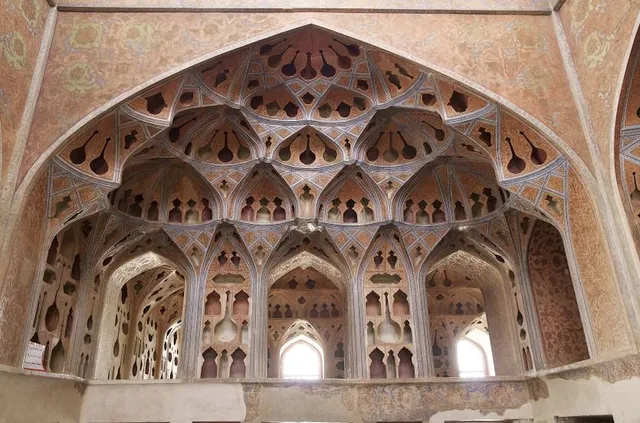
Aali Qapu Palace

Aali Qapu Palace

4.7

(944)

Closed
Click for details
Sheikh Lotfollah Mosque

Sheikh Lotfollah Mosque

4.8

(611)

Closed
Click for details
Shah Mosque

Shah Mosque

4.8

(639)

Open 24 hours
Click for details
Qeysarie Gate

Qeysarie Gate

4.7

(153)

Open until 10:00 PM
Click for details
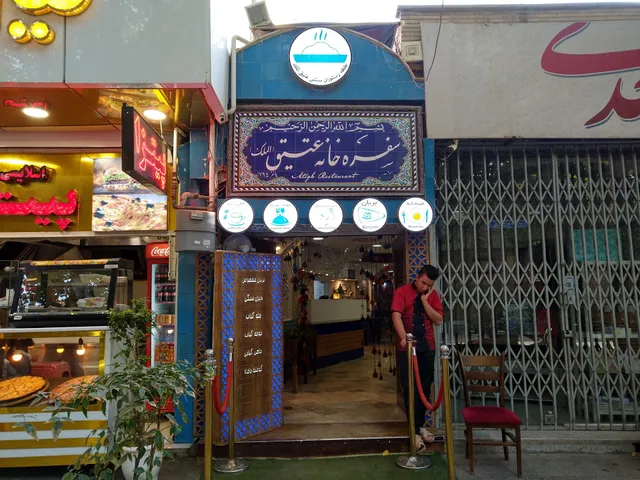
Nearby restaurants of Naqsh-e Jahan Square

Bastani Restaurant

Hamdamossaltaneh Cafe Restaurant

Atigh Traditional Restaurant

Keryas Cafe&Restaurant

Sogoli Cafe Restaurant

Nayeb restaurant

Shomale Shahr Restaurant

Jarchibashi Restaurant

Azam Beryani

رستوران قصر منشی

Bastani Restaurant

Bastani Restaurant

3.6

(207)

Click for details
Hamdamossaltaneh Cafe Restaurant

Hamdamossaltaneh Cafe Restaurant

3.8

(139)

Click for details
Atigh Traditional Restaurant

Atigh Traditional Restaurant

3.3

(81)

Click for details
Keryas Cafe&Restaurant

Keryas Cafe&Restaurant

4.1

(39)

Click for details
Get the Appoverlay
Get the AppOne tap to find yournext favorite spots!
Wanderboat LogoWanderboat

Your everyday Al companion for getaway ideas

CompanyAbout Us
InformationAI Trip PlannerSitemap
SocialXInstagramTiktokLinkedin
LegalTerms of ServicePrivacy Policy

Get the app

© 2025 Wanderboat. All rights reserved.
logo

Reviews of Naqsh-e Jahan Square

4.8
(557)
avatar
5.0
2y

Naqsh-e Jahan Square, also known as Imam Square, is a UNESCO World Heritage site located in Isfahan, Iran. It is one of the most iconic and historically significant landmarks in the country, attracting both locals and tourists alike. Here is a review of Naqsh-e Jahan Square:

Historical Significance: Naqsh-e Jahan Square has a rich history dating back to the 17th century when it was built during the Safavid dynasty. It was designed as a centerpiece of the capital city, Isfahan, and served as a grand showcase of the city's cultural and architectural prowess during that era.

Architectural Marvel: The square is an architectural masterpiece, showcasing remarkable Islamic architecture and design. Surrounded by impressive structures like the Imam Mosque, Sheikh Lotfollah Mosque, Ali Qapu Palace, and Qeysarieh Portal, the square embodies the artistic and cultural achievements of the Safavid period.

Spacious and Vibrant: The vastness of the square is awe-inspiring. Its large open space allows for various activities, such as picnics, games, and social gatherings. It is particularly lively during the evenings when locals and tourists gather to enjoy the atmosphere and interact with each other.

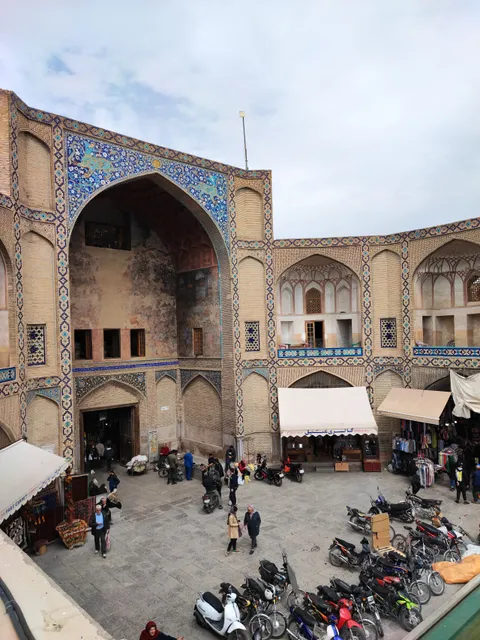
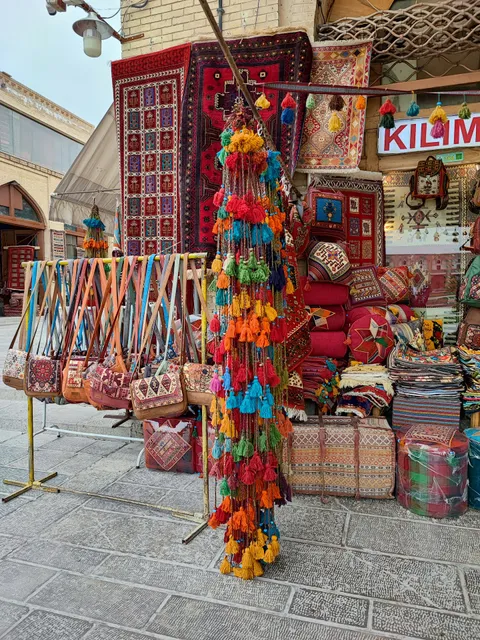
Cultural Hub: Naqsh-e Jahan Square is not just a historical site but also a cultural hub in Isfahan. Artisans and vendors often set up stalls around the square, selling traditional handicrafts, souvenirs, and local snacks. This adds to the vibrant and bustling ambiance of the place.

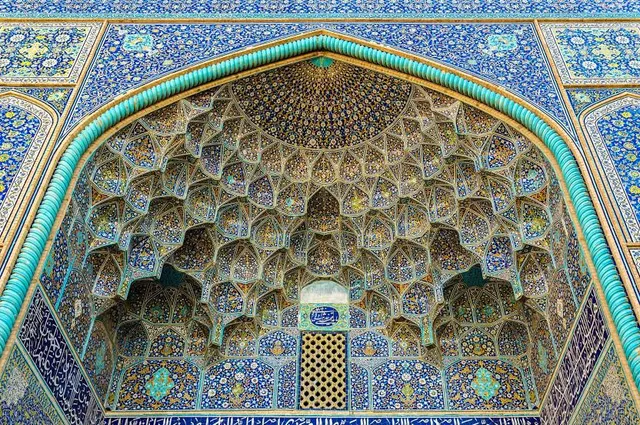
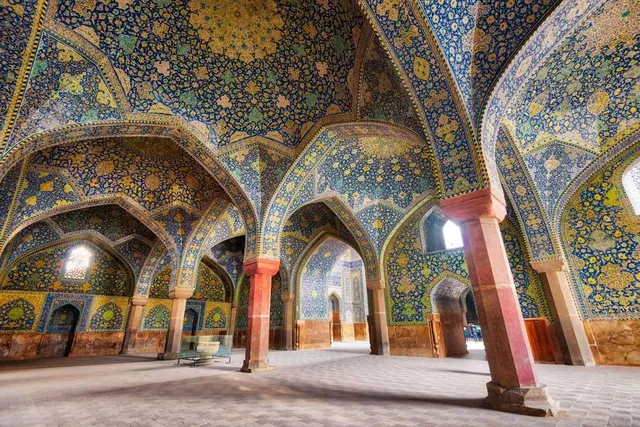
Stunning Islamic Art: The intricate tile work, calligraphy, and mosaics found in the mosques and buildings surrounding the square are breathtaking. The colors and patterns are mesmerizing, reflecting the expertise of the artisans of that time.

Accessibility: The square is conveniently located in the heart of Isfahan, making it easily accessible by foot or public transportation. It is also surrounded by various other attractions, making it a must-visit location for tourists exploring the city.

Crowds and Noise: As a popular tourist destination, Naqsh-e Jahan Square can get quite crowded, especially during peak seasons. This might affect the overall experience, particularly for those seeking a more tranquil atmosphere.

Overall, Naqsh-e Jahan Square is a cultural gem and a testament to Iran's rich history and architectural brilliance. It is a must-visit destination for history enthusiasts, architecture lovers, and anyone eager to experience the vibrant atmosphere of this iconic Iranian landmark. However, visitors should be prepared for crowds and might want to visit during quieter times for a more...

   Read more
avatar
5.0
44w

Prior to its designation as the capital during the Safavid era, the site of the magnificent Naqsh-e Jahan Square was once adorned by an expansive and exquisite garden of the same name. This verdant oasis, replete with governmental edifices and royal palaces dating back to the Aq Qoyunlu and Timurid dynasties, also boasted a smaller square within its confines. During the Seljuk period, this garden served as a focal point for grand celebrations and festivities.

Under the auspices of Shah Abbas the Great, the square was significantly enlarged, leading many to attribute its current form to his reign. From the lofty perch of the Ali Qapu Palace, the Shah would witness a variety of spectacles, including dazzling fireworks displays and thrilling equestrian competitions. Construction commenced in 1011 and continued until 1025, when the surrounding structures were completed.

In the Safavid era, Naqsh-e Jahan Square served as the heart of Isfahan. The Ali Qapu Palace served as the seat of government, the Sheikh Lotfollah Mosque as a place of worship, the Grand Mosque as a social hub, and the bazaar as the economic center. Intriguingly, the design of this square was inspired by the ancient square of Utique, and it bears striking similarities to the Amir Chakhmaq Square in Yazd and the Shah Square in Qazvin.

Upon the demise of the Safavid dynasty, the once-vibrant square fell into a state of neglect as its surrounding canals dried up. This decline was exacerbated by the Afghan invasion and the subsequent indifference of the Qajar shahs. Many of the square's historic structures, such as the Naqqareh House, were lost during this period.

With the advent of the Pahlavi dynasty, Naqsh-e Jahan Square underwent a much-needed restoration and regained its former splendor. In 1934, it was officially recognized as a national heritage site. Prior to the Islamic Revolution, the square was known as Shah Square, but was subsequently renamed Imam Square. Over the centuries, it has been referred to by various titles, including Palace Square, New Square, Royal Square, and...

   Read more
avatar
5.0
17w

Naqsh-e Jahan Square (Imam Square), Isfahan.

Naqsh-e Jahan Square, located in the heart of Isfahan, Iran, is one of the largest and most spectacular squares in the world. Built in the early 17th century during the reign of Shah Abbas I of the Safavid dynasty, it was intended as a showcase of the empire's glory and a unifying space for religious, political, and commercial life. The square measures approximately 160 by 560 meters and is a UNESCO World Heritage Site.

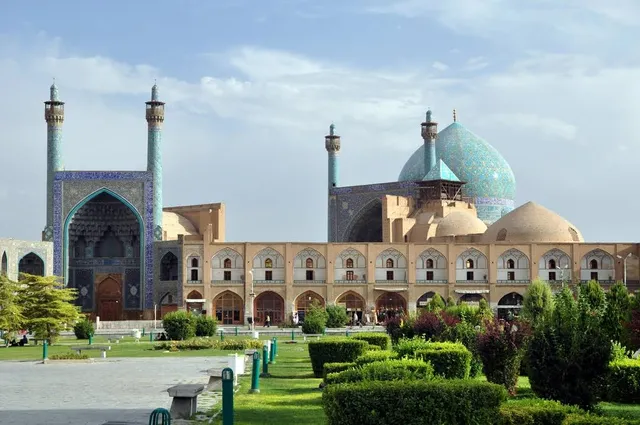
The name “Naqsh-e Jahan” means “Image of the World,” a reflection of the square’s ambition to represent the richness of Safavid culture. Four monumental structures frame it: the Shah Mosque (Imam Mosque) to the south, the Sheikh Lotfollah Mosque to the east, the Ali Qapu Palace to the west, and the Qeysarieh Gate leading to the Grand Bazaar to the north. Together, they form a harmonious ensemble of Islamic architecture.

The square served as a ceremonial ground, marketplace, polo field, and public gathering space. Its layout was carefully planned to reflect both religious devotion and royal power while providing open access to the city's commercial life.

Today, Naqsh-e Jahan remains a vibrant public space, admired for its architectural beauty, historical importance, and enduring spirit of Persian...

   Read more
Page 1 of 7
Previous
Next

Posts

🌟 Afternoon Light and Shadow in the Persian Mosque📍 Isfahan, Iran
Sophia AndersonSophia Anderson
🌟 Afternoon Light and Shadow in the Persian Mosque📍 Isfahan, Iran
Saber FendereskiSaber Fendereski
Naqsh-e Jahan Square, also known as Imam Square, is a UNESCO World Heritage site located in Isfahan, Iran. It is one of the most iconic and historically significant landmarks in the country, attracting both locals and tourists alike. Here is a review of Naqsh-e Jahan Square: Historical Significance: Naqsh-e Jahan Square has a rich history dating back to the 17th century when it was built during the Safavid dynasty. It was designed as a centerpiece of the capital city, Isfahan, and served as a grand showcase of the city's cultural and architectural prowess during that era. Architectural Marvel: The square is an architectural masterpiece, showcasing remarkable Islamic architecture and design. Surrounded by impressive structures like the Imam Mosque, Sheikh Lotfollah Mosque, Ali Qapu Palace, and Qeysarieh Portal, the square embodies the artistic and cultural achievements of the Safavid period. Spacious and Vibrant: The vastness of the square is awe-inspiring. Its large open space allows for various activities, such as picnics, games, and social gatherings. It is particularly lively during the evenings when locals and tourists gather to enjoy the atmosphere and interact with each other. Cultural Hub: Naqsh-e Jahan Square is not just a historical site but also a cultural hub in Isfahan. Artisans and vendors often set up stalls around the square, selling traditional handicrafts, souvenirs, and local snacks. This adds to the vibrant and bustling ambiance of the place. Stunning Islamic Art: The intricate tile work, calligraphy, and mosaics found in the mosques and buildings surrounding the square are breathtaking. The colors and patterns are mesmerizing, reflecting the expertise of the artisans of that time. Accessibility: The square is conveniently located in the heart of Isfahan, making it easily accessible by foot or public transportation. It is also surrounded by various other attractions, making it a must-visit location for tourists exploring the city. Crowds and Noise: As a popular tourist destination, Naqsh-e Jahan Square can get quite crowded, especially during peak seasons. This might affect the overall experience, particularly for those seeking a more tranquil atmosphere. Overall, Naqsh-e Jahan Square is a cultural gem and a testament to Iran's rich history and architectural brilliance. It is a must-visit destination for history enthusiasts, architecture lovers, and anyone eager to experience the vibrant atmosphere of this iconic Iranian landmark. However, visitors should be prepared for crowds and might want to visit during quieter times for a more intimate experience.
pegah esmailipegah esmaili
Prior to its designation as the capital during the Safavid era, the site of the magnificent Naqsh-e Jahan Square was once adorned by an expansive and exquisite garden of the same name. This verdant oasis, replete with governmental edifices and royal palaces dating back to the Aq Qoyunlu and Timurid dynasties, also boasted a smaller square within its confines. During the Seljuk period, this garden served as a focal point for grand celebrations and festivities. Under the auspices of Shah Abbas the Great, the square was significantly enlarged, leading many to attribute its current form to his reign. From the lofty perch of the Ali Qapu Palace, the Shah would witness a variety of spectacles, including dazzling fireworks displays and thrilling equestrian competitions. Construction commenced in 1011 and continued until 1025, when the surrounding structures were completed. In the Safavid era, Naqsh-e Jahan Square served as the heart of Isfahan. The Ali Qapu Palace served as the seat of government, the Sheikh Lotfollah Mosque as a place of worship, the Grand Mosque as a social hub, and the bazaar as the economic center. Intriguingly, the design of this square was inspired by the ancient square of Utique, and it bears striking similarities to the Amir Chakhmaq Square in Yazd and the Shah Square in Qazvin. Upon the demise of the Safavid dynasty, the once-vibrant square fell into a state of neglect as its surrounding canals dried up. This decline was exacerbated by the Afghan invasion and the subsequent indifference of the Qajar shahs. Many of the square's historic structures, such as the Naqqareh House, were lost during this period. With the advent of the Pahlavi dynasty, Naqsh-e Jahan Square underwent a much-needed restoration and regained its former splendor. In 1934, it was officially recognized as a national heritage site. Prior to the Islamic Revolution, the square was known as Shah Square, but was subsequently renamed Imam Square. Over the centuries, it has been referred to by various titles, including Palace Square, New Square, Royal Square, and Grand Square.
See more posts
See more posts
hotel
Find your stay

Pet-friendly Hotels in Isfahan

Find a cozy hotel nearby and make it a full experience.

🌟 Afternoon Light and Shadow in the Persian Mosque📍 Isfahan, Iran
Sophia Anderson

Sophia Anderson

hotel
Find your stay

Affordable Hotels in Isfahan

Find a cozy hotel nearby and make it a full experience.

Get the Appoverlay
Get the AppOne tap to find yournext favorite spots!
Naqsh-e Jahan Square, also known as Imam Square, is a UNESCO World Heritage site located in Isfahan, Iran. It is one of the most iconic and historically significant landmarks in the country, attracting both locals and tourists alike. Here is a review of Naqsh-e Jahan Square: Historical Significance: Naqsh-e Jahan Square has a rich history dating back to the 17th century when it was built during the Safavid dynasty. It was designed as a centerpiece of the capital city, Isfahan, and served as a grand showcase of the city's cultural and architectural prowess during that era. Architectural Marvel: The square is an architectural masterpiece, showcasing remarkable Islamic architecture and design. Surrounded by impressive structures like the Imam Mosque, Sheikh Lotfollah Mosque, Ali Qapu Palace, and Qeysarieh Portal, the square embodies the artistic and cultural achievements of the Safavid period. Spacious and Vibrant: The vastness of the square is awe-inspiring. Its large open space allows for various activities, such as picnics, games, and social gatherings. It is particularly lively during the evenings when locals and tourists gather to enjoy the atmosphere and interact with each other. Cultural Hub: Naqsh-e Jahan Square is not just a historical site but also a cultural hub in Isfahan. Artisans and vendors often set up stalls around the square, selling traditional handicrafts, souvenirs, and local snacks. This adds to the vibrant and bustling ambiance of the place. Stunning Islamic Art: The intricate tile work, calligraphy, and mosaics found in the mosques and buildings surrounding the square are breathtaking. The colors and patterns are mesmerizing, reflecting the expertise of the artisans of that time. Accessibility: The square is conveniently located in the heart of Isfahan, making it easily accessible by foot or public transportation. It is also surrounded by various other attractions, making it a must-visit location for tourists exploring the city. Crowds and Noise: As a popular tourist destination, Naqsh-e Jahan Square can get quite crowded, especially during peak seasons. This might affect the overall experience, particularly for those seeking a more tranquil atmosphere. Overall, Naqsh-e Jahan Square is a cultural gem and a testament to Iran's rich history and architectural brilliance. It is a must-visit destination for history enthusiasts, architecture lovers, and anyone eager to experience the vibrant atmosphere of this iconic Iranian landmark. However, visitors should be prepared for crowds and might want to visit during quieter times for a more intimate experience.
Saber Fendereski

Saber Fendereski

hotel
Find your stay

The Coolest Hotels You Haven't Heard Of (Yet)

Find a cozy hotel nearby and make it a full experience.

hotel
Find your stay

Trending Stays Worth the Hype in Isfahan

Find a cozy hotel nearby and make it a full experience.

Prior to its designation as the capital during the Safavid era, the site of the magnificent Naqsh-e Jahan Square was once adorned by an expansive and exquisite garden of the same name. This verdant oasis, replete with governmental edifices and royal palaces dating back to the Aq Qoyunlu and Timurid dynasties, also boasted a smaller square within its confines. During the Seljuk period, this garden served as a focal point for grand celebrations and festivities. Under the auspices of Shah Abbas the Great, the square was significantly enlarged, leading many to attribute its current form to his reign. From the lofty perch of the Ali Qapu Palace, the Shah would witness a variety of spectacles, including dazzling fireworks displays and thrilling equestrian competitions. Construction commenced in 1011 and continued until 1025, when the surrounding structures were completed. In the Safavid era, Naqsh-e Jahan Square served as the heart of Isfahan. The Ali Qapu Palace served as the seat of government, the Sheikh Lotfollah Mosque as a place of worship, the Grand Mosque as a social hub, and the bazaar as the economic center. Intriguingly, the design of this square was inspired by the ancient square of Utique, and it bears striking similarities to the Amir Chakhmaq Square in Yazd and the Shah Square in Qazvin. Upon the demise of the Safavid dynasty, the once-vibrant square fell into a state of neglect as its surrounding canals dried up. This decline was exacerbated by the Afghan invasion and the subsequent indifference of the Qajar shahs. Many of the square's historic structures, such as the Naqqareh House, were lost during this period. With the advent of the Pahlavi dynasty, Naqsh-e Jahan Square underwent a much-needed restoration and regained its former splendor. In 1934, it was officially recognized as a national heritage site. Prior to the Islamic Revolution, the square was known as Shah Square, but was subsequently renamed Imam Square. Over the centuries, it has been referred to by various titles, including Palace Square, New Square, Royal Square, and Grand Square.
pegah esmaili

pegah esmaili

See more posts
See more posts