Chehel Sotoon Palace things to do, attractions, restaurants, events info and trip planning
Basic Info
Chehel Sotoon Palace
استان اصفهان اصفهان دروازه دولت) خیابان سپه، Imam Hossein Square, Iran
4.7(1.6K)
Open until 8:30 PM
Save
spot
spot
Ratings & Description
Info
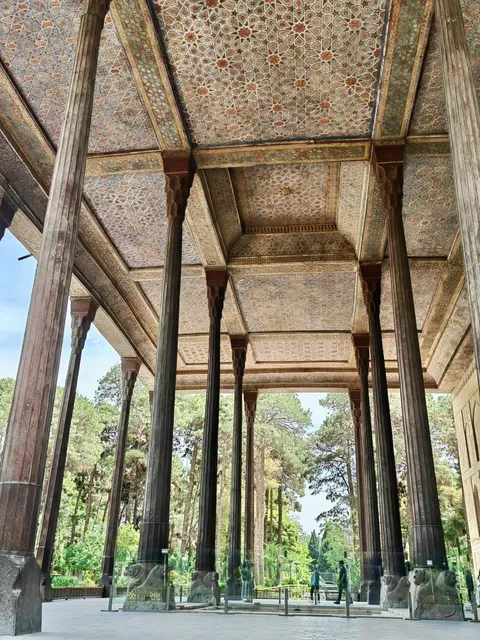
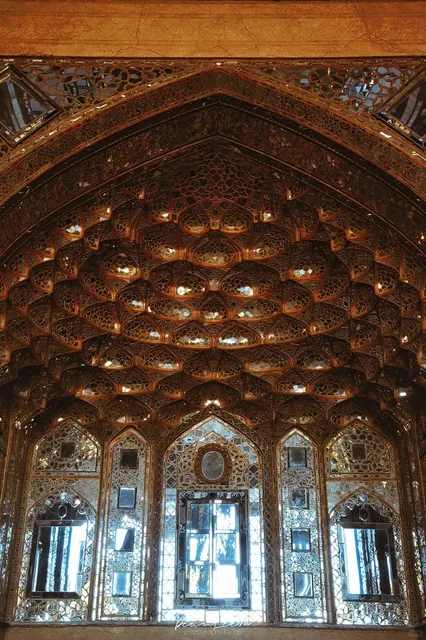
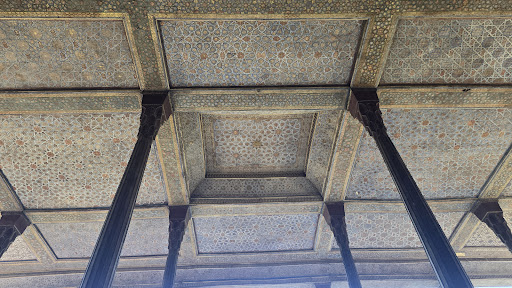
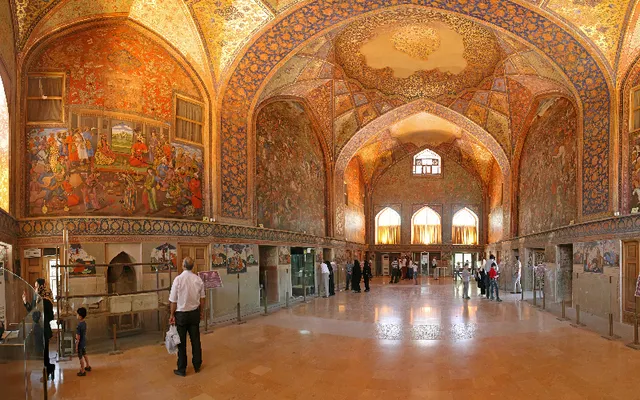
Chehel Sotoun is a Persian pavilion in the middle of a park at the far end of a long pool, in Isfahan, Iran, built by Shah Abbas II to be used for his entertainment and receptions.
Cultural
Accessibility
attractions: میدان امام حسین (دروازه دولت), Aali Qapu Palace, Museum Of Decorative Arts, Hasht Behesht Garden, Hasht Behesht Palace, Jahan Nama Palace Ruins, Shah Square, Shah Square, Jame Abbasi Mosque, Sheikh Lotfollah Mosque, restaurants: Azam Beryani, Sogoli Cafe Restaurant, Messoqali Cafe Restaurant, Houger Cafe, Keyvan Cafe Restaurant, Bastani Restaurant, Keryas Cafe&Restaurant, Abbasi Traditional Restaurant, Hamdamossaltaneh Cafe Restaurant, Jarchibashi Restaurant, local businesses: Isfahan Museum of Natural History, Jahan Nama Shopping Center, Mesgarha Bazaar, Hakim Grand Bazaar, Shah Mosque, Azadegan tea house, Qeysarie Bazaar, Grand Bazaar Of Isfahan, Isfahan Mall, Hendouha Bazar
 Learn more insights from Wanderboat AI.
Phone
+98 31 3222 0181
Open hoursSee all hours
Wed9 AM - 8:30 PMOpen
Plan your stay

Pet-friendly Hotels in Isfahan
Find a cozy hotel nearby and make it a full experience.

Affordable Hotels in Isfahan
Find a cozy hotel nearby and make it a full experience.

The Coolest Hotels You Haven't Heard Of (Yet)
Find a cozy hotel nearby and make it a full experience.

Trending Stays Worth the Hype in Isfahan
Find a cozy hotel nearby and make it a full experience.
Reviews
Nearby attractions of Chehel Sotoon Palace
میدان امام حسین (دروازه دولت)
Aali Qapu Palace
Museum Of Decorative Arts
Hasht Behesht Garden
Hasht Behesht Palace
Jahan Nama Palace Ruins
Shah Square
Shah Square
Jame Abbasi Mosque
Sheikh Lotfollah Mosque
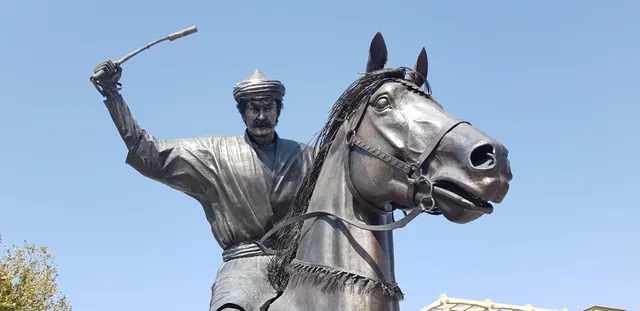
میدان امام حسین (دروازه دولت)
4.7
(44)
Open until 12:00 AM
Click for details
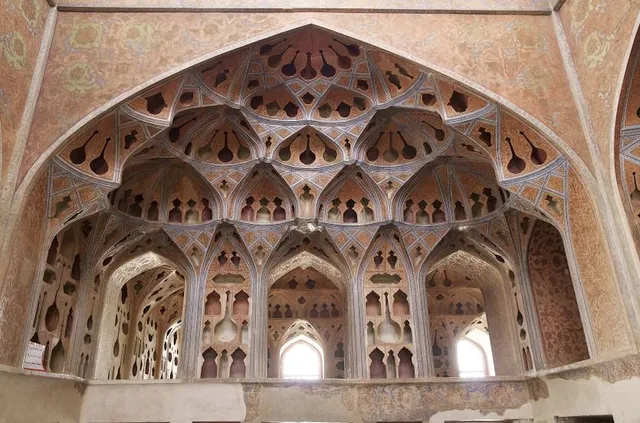
Aali Qapu Palace
4.7
(952)
Open until 8:30 PM
Click for details
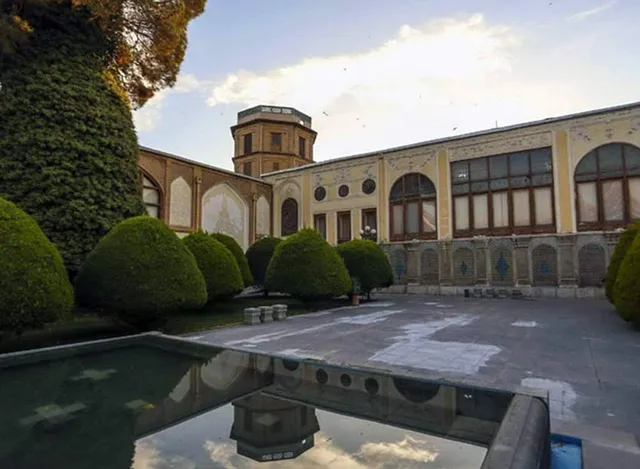
Museum Of Decorative Arts
4.4
(35)
Closed
Click for details
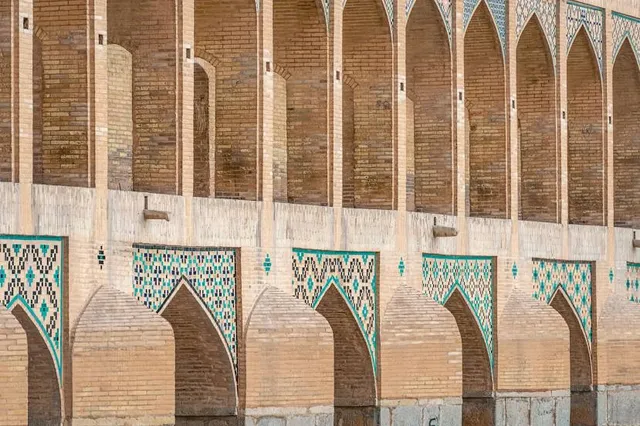
Hasht Behesht Garden
4.4
(184)
Open until 12:00 AM
Click for details
Nearby restaurants of Chehel Sotoon Palace
Azam Beryani
Sogoli Cafe Restaurant
Messoqali Cafe Restaurant
Houger Cafe
Keyvan Cafe Restaurant
Bastani Restaurant
Keryas Cafe&Restaurant
Abbasi Traditional Restaurant
Hamdamossaltaneh Cafe Restaurant
Jarchibashi Restaurant
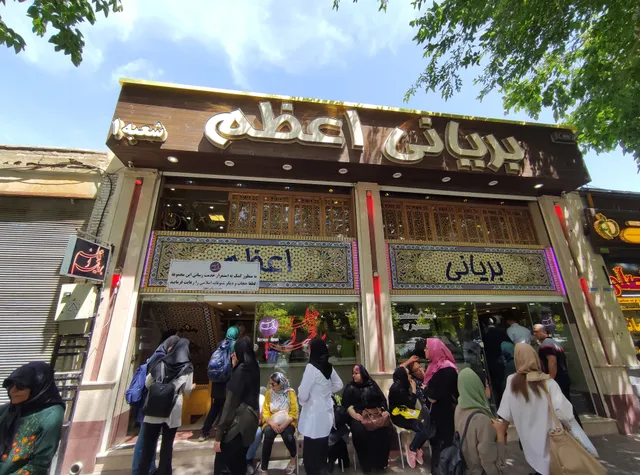
Azam Beryani
4.2
(285)
Open until 4:00 PM
Click for details
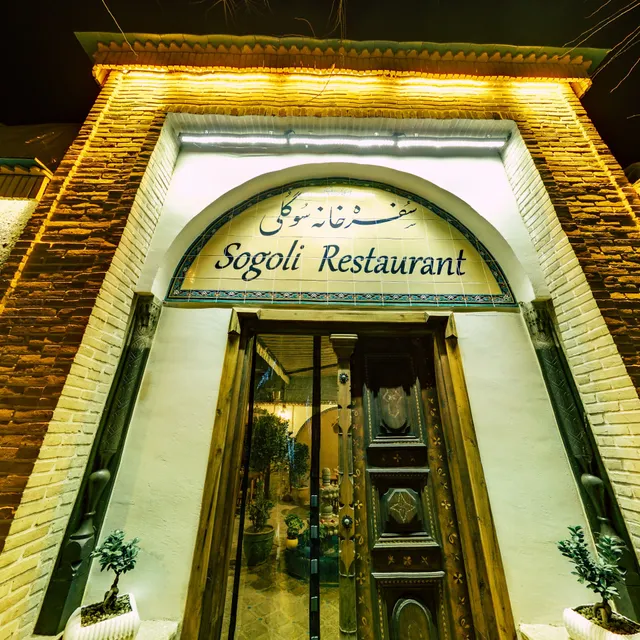
Sogoli Cafe Restaurant
3.9
(91)
Open until 11:30 PM
Click for details
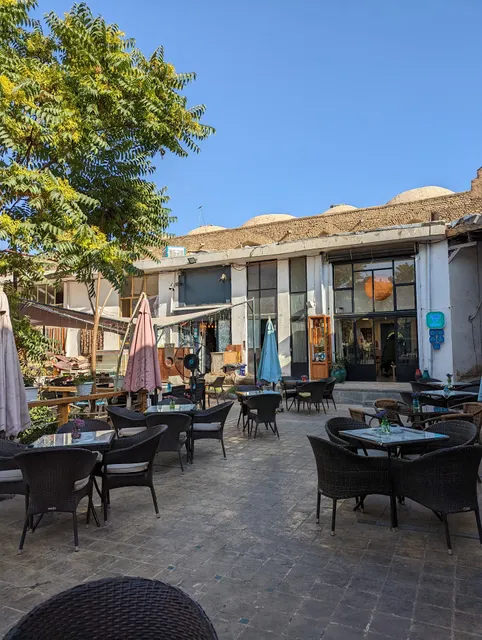
Messoqali Cafe Restaurant
4.0
(119)
Open until 11:45 PM
Click for details
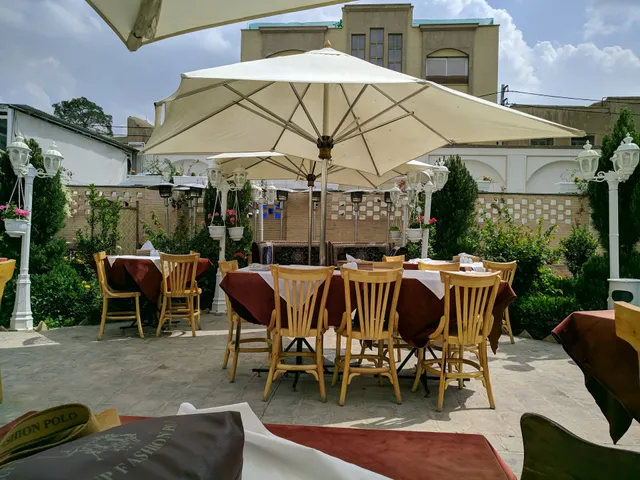
Houger Cafe
3.7
(308)
Open until 11:00 PM
Click for details
Nearby local services of Chehel Sotoon Palace
Isfahan Museum of Natural History
Jahan Nama Shopping Center
Mesgarha Bazaar
Hakim Grand Bazaar
Shah Mosque
Azadegan tea house
Qeysarie Bazaar
Grand Bazaar Of Isfahan
Isfahan Mall
Hendouha Bazar
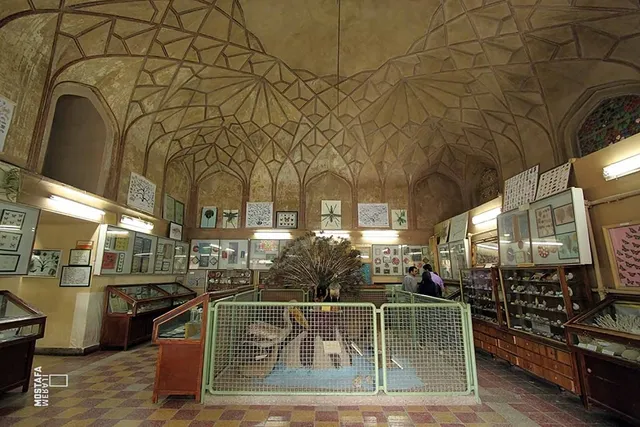
Isfahan Museum of Natural History
4.1
(45)
Click for details
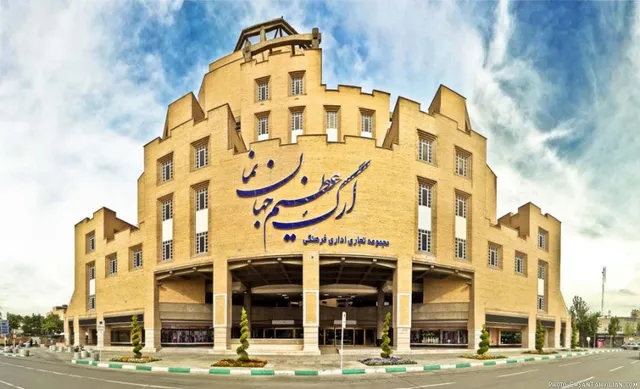
Jahan Nama Shopping Center
3.9
(131)
Click for details
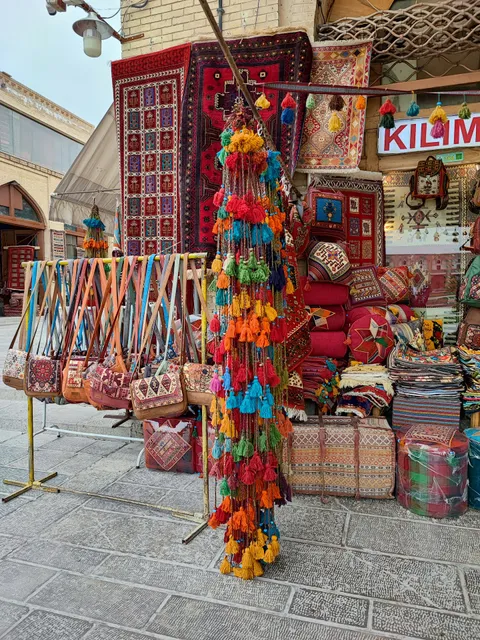
Mesgarha Bazaar
4.5
(162)
Click for details

Hakim Grand Bazaar
4.1
(69)
Click for details