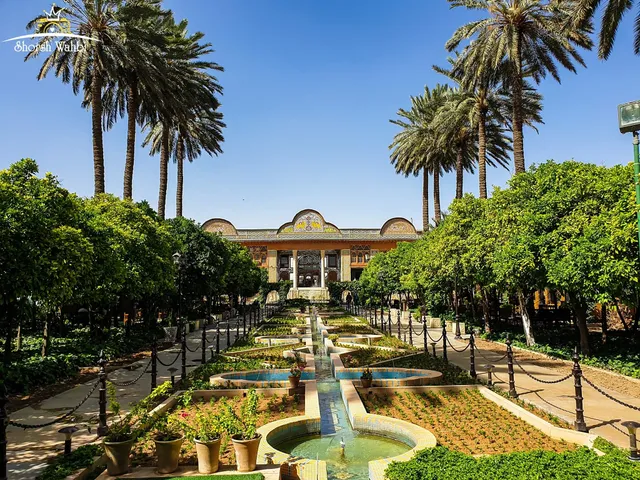
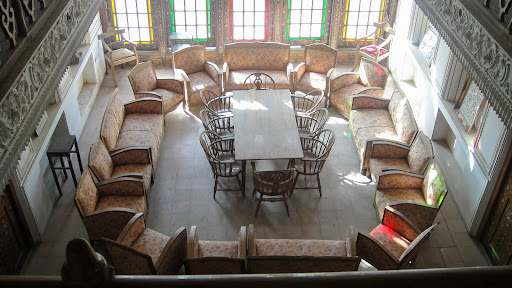
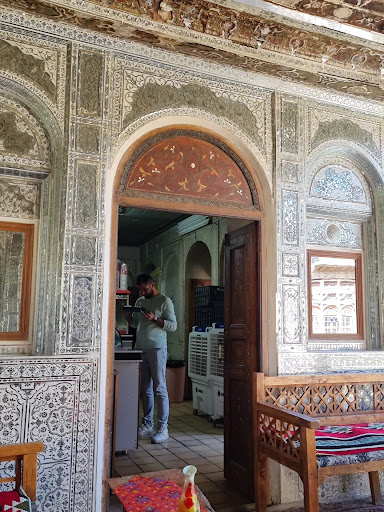
The house of Zeenat-ul-Maluk Shiraz is located in the center of the city, on Lotfali Khan Zand street and in the eight district of Shiraz municipality. This historical house is located on the western side of Narenjestan Qawam, near other places of interest in Shiraz, such as the tomb of Sheikh Rozbahan Fasai, the Vakil complex, Nasir al-Mulk Mosque and Shahcheragh. Zainat al-Mulk house in Shiraz is 25 km (half an hour) from the train station and 10 km (15 minutes) from Shiraz airport. To access the house of Zeenat al-Mulk, drive to Lotfali Khan Zand street in Gudaraban neighborhood. The head of this historical house is located next to the Narenjestan garden on the left side of the Qawam tourist walkway. Those interested can access the house of Zaint al-Mulk by taxi, bus and subway; The nearest bus station is Valiasr at a distance of 850 meters (11 minutes' walk) on Zand St. and the nearest metro stations are Vakil at a distance of 750 meters (9 minutes' walk) on Zand Street and Valiasr at a distance of one kilometer (14 minutes' walk) on Valiasr Square. Is. The construction of the historical house of Zaint al-Mulk with the architectural style of Qajar houses was started in 1290 AH in Shiraz by Mohammad Khan Qavam al-Mulk II (grandson of Haj Ibrahim Khan of the Sheriff of Estimad-dulleh Shirazi) and after 12 years (in 1302 AH) by Mohammad Reza Khan Qavam al-Mulk III. receipt completion This historical house was the residence of a woman named Zeenat al-Mulk Qavami for many years. A good and kind woman who always served the needy with offerings.
There is only one inscription in the entire collection of the house of Zaint al-Mulk with the inscription "Chaker Dargah of Abul Qasim Shirazi dated 1302 AH"; The inscription installed in the mirror room and the western part of the entrance to the mirror rooms. Since mirror work is the last project of the construction of the building, experts consider the year 1302 AH as the year of the end of the construction of the building. In one of the rooms, the date 1298 AH can be seen on the plasterwork, which shows the year of completion of the plastering work. Therefore, it seems that the mirroring of the building took about four years. After the death of Zeenat al-Mulk, the ownership of the house went to Abdullah Khan Qawami, and later this house was bought from the owner and turned into a museum. The Narenjestan mansion later became the headquarters of the Asian Foundation under the supervision of Professor Arthur Pope, an American Iranologist, and it was renovated by Shiraz University during that period. The house of Zaint al-Mulk was registered as one of Iran's national monuments on 10 December 1354 with registration number 938.
During the revolution, irreparable damages were caused to the building, including fire and destruction of the eastern part of the porch. After the revolution, during the imposed war between Iran and Iraq, the house of Zeenat al-Mulk was used as a safe shelter for war-torn families, and it suffered many damages, among them, the nails in the rooms were replaced and the mirrors on the walls were removed to remove the photos.
In 1373, the Zaint al-Mulk House of Shiraz was given to the Persian Studies Foundation and its restoration project was started with the help of cultural heritage. The basement of Zinat al-Mulk Mansion started working in 1374 under the title of Fars Gallery; A gallery where the works of artists from Fars, Iran and other countries were exhibited. Until a few years ago, it was possible to take photos next to the statues in the Fars History Museum in the basement of the Zaint al-Mulk house in Shiraz; However, due to damage such as statues falling during photography, damage caused by camera flash, and other cases, photography was prohibited and a guard was installed in front of the statues. Do not forget that you should not touch objects while visiting historical collections. In addition, photography with professional flash cameras...
Read moreThe House of Zinat al-Mulk exemplifies the luxury and elegance of Qajar-era Iran. Ali Mohammad Khan Qavam al-Mulk built this beautiful home for his daughter, Zinat al-Mulk, in 1302 AH (1885 CE), and it has been scrupulously kept to become a cherished historical site.
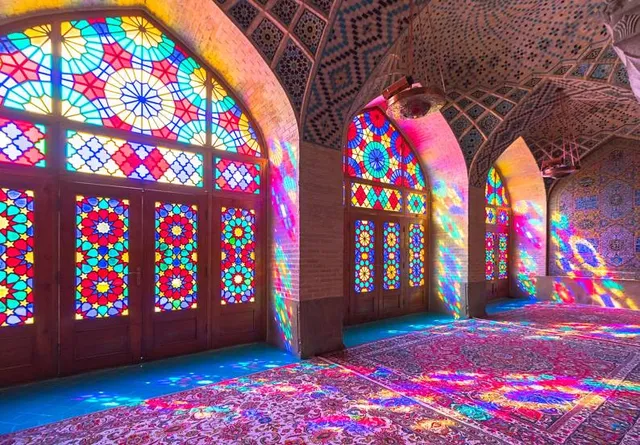
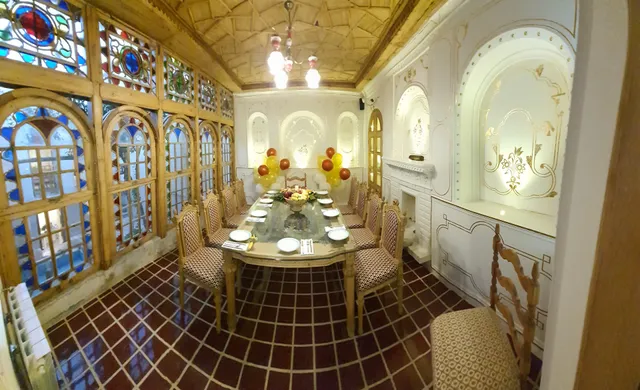
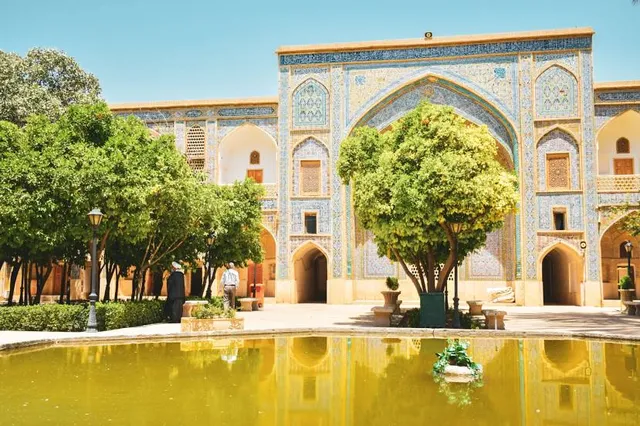
The home is known for its complex tilework, excellent plasterwork, and spectacular stained-glass windows. When tourists arrive, they are met with a lovely courtyard filled with lush gardens, peaceful fountains, and a variety of trees and flowers. The courtyard is surrounded by various rooms, each with detailed features and providing a look into the Qajar aristocracy's lifestyle.
The center hall, or shahneshin, is without a doubt the house's most distinctive feature. This large chamber features superb mirror work, delicate plasterwork, and European-style paintings. The ceiling is a work of art, containing elaborate woodwork and mirror work that produces a stunning impression. The large windows provide stunning views of the courtyard and garden.
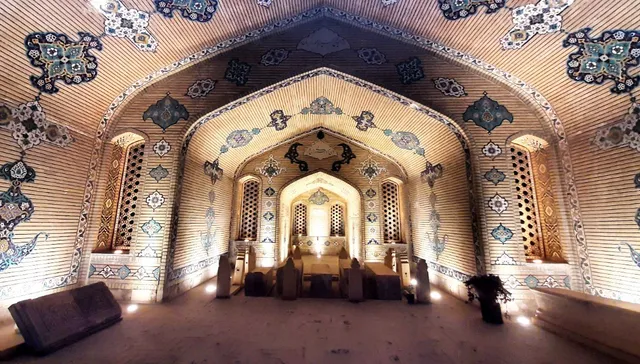
One of the House of Zinat al-Mulk's distinguishing features is its expansive basement, which extends beneath the whole structure. These underground caves served a variety of uses, including storage and a cool escape during the hot summer months. The basement also has complex masonry and ventilation shafts, which allow for natural light and air flow.
The house was named after Zinat al-Mulk, a generous woman who used her home to help the destitute. She organized various philanthropic activities and provided a safe haven for people in need. During the Iran-Iraq War, the mansion provided sanctuary for displaced families from Khuzestan province.
Today, the House of Zinat al-Mulk is a renowned tourist site, providing tourists with a rare opportunity to experience the majesty and refinement of Qajar-era Iran. The house's elaborate décor, tranquil ambiance, and rich history make it a must-see for any...
Read moreشهر شیراز با قدمت تاریخی بسیارش آثار متعددی را در خود جای داده و همانند گنجینه ای در استان فارس است که گردشگران به راحتی با تهیه بلیط هواپیما میتوانند به این شهر زیبا سفر کنند. یکی از این جاهای دیدنی شیراز که شاید به اندازه حافظیه و باغ ارم نزد مردم شناخته شده نباشد اما زیبایی آن کم از سایر جاذبههای تاریخی شیراز ندارد، خانه زینتالملک است که قدمت آن به زمان قاجاریه برمیگردد. این مکان توسط علی محمد خان قوام الملک دوم در سال ۱۲۹۰ شروع شد و سرانجام پس از ۱۲ سال توسط محمد رضا خان قوام الملک سوم به پایان رسید. در فاصله نه چندان دور از این خانه در سمت غربی آن خانه قوام السلطنه قرار گرفته است. جالب است بدانید فاصله خانه زینتالملک شیراز تا خانه قوام تنها یک کوچه است که توسط یک راه زیر زمینی به خانه قوام میرسد. در واقع این خانه اندرونی خانه قوام است و محلی برای عبور محارم بوده است. برای آنکه درباره گردشگری در شهر زیبای شیراز بدانید، میتوانید نوشتار راهنمای سفر به شیراز را مطالعه کنید. خانه زینت الملک شیراز این خانه به دلیل سکونت داشتن خانم زینتالملک قوامی، دختر قوامالملک چهارم، به این نام معروف است. قبل از ورود به خانه در زیبایی که روی آن به صورت ماهرانه ای معرق شده نظرتان را جلب می کند سپس بعد از ورود و گذشتن از راهرو ورودی به قسمتس میرسید که به آن هشتی میگویند زیرا اتاقی کوچک است که دارای هشت وجهه میباشد. علت و جود هشت وجهی در خانههای قدیمی این بود که نامحرمان به سرعت وارد حیاط اصلی خانه نشوند پس از ورود از هشتی به حیات خانه میرسید که دورتادور آن اتاقهای زیادی قرار دارد که وسط آن حوض بزرگ و زیبایی قرار گرفته که گلدان ها و باغچه های سرسبز دورتاردور این حیاط زیبایی این خانه را دوچندان کرده است. در بالای یکی از اتاقها سر دری به صورت هلالی دارد که با کاشی کاریهای هفت رنگ به صورت هلالی تزئین شده است. بر روی کاشیها نقشی از دو شیر که شمشیر به دست دارند به همراه دو فرشته بالای سرشان نقش بسته است. اتاقهای این خانه داری سقفی از جنس چوب است که نقشهایی از حیوانات، پرنده و گل به زیبایی هرچه تمام نقش بسته است. پنجرههایی که به صورت هنرمندانه ای به شیشههای رنگی مزین شده تا با تابش خورشید به آنها انعکاس چشم نوازی را درون اتاقها ایجاد کند. خانه زینت الملک شیراز زیباترین اتاق این خانه را میتوان قسمت شاه نشین آن در قسمت غربی ساختمان دانست. اتاقی بزرگ که دیوارهای آن به زیبایی هر چه تمام به آینه کاری، گچبری های چشم نواز و نقاشیهایی به سبک اروپایی مزین شده است. همچنین سقف این اتاق از جنس چوب است که نقشی همانند فرش بر روی آن نقش بسته که با آینه کاریهای زیبایی ترکیب شده است. این اتاق دارای پنجرههای متعدد با شیشههای رنگی رو به ایوان و حیاط اصلی خانه دارد. دور تا دور حیاط میتوانید دیوارهای سنگی مشجری را ببینید که نقش تهویه و نورگیر را برای زیرزمین خانه ایفا میکند، زیرا خانه زینتالملک شیراز جز معدود خانههایی است که دارای زیرزمینی به صورت سراسری است. این خانه در زمان حیات زینتالملک بسار پررونق بوده است به خصوص در مناسبتهایی مانند محرم مراسم عزاداری و سفرههای خیریه برپا میشد. بخشی نیز برای کمک به نیازمندان و امور خیریه مربوط به بانوان اختصاص داشت. بعدها در سال ۱۳۵۹ همزمان با جنگ تحملی ایران عراق این خانه به عنوان پناهگاه مردم جنگ زده خوزستان مورد استفاده قرار گرفت. بازدید از زیرزمین این خانه را فراموش نکنید که امروزه تبدیل به موزه ای برای افراد مشهور شده است. دوست داران سفر به شیراز می توانند از شهر خود، مثلا تهران با خرید بلیط هواپیما از تهران به شیراز و بلیط هواپیما شیراز تهران به راحتی به شیراز سفر کنند و بازگردند. زیر زمین خانه مملو از مجسمههای مومی از افراد مشهور مانند شاپور اول، کریم خان زند و حتی شخص زینتالملک است که همانند موزه مادان توسو در لندن میباشد. در این موزه میتوانید مجسمه افرادی را ببینید که با چهره واقعیشان فرقی ندارند و کنارشان عکس بگیرید. هزینه و زمان بازدید از آرامگاه حافظیه شیراز
برای بادید از این مکان مدت ۱ ساعت پیشنهاد شده. همچنین بازدید از این خانه خیره کننده مشمول هزینه است. چگونه به خانه زینتالملک شیراز برویم؟
در هر گوشه از شهر شیراز قرار دارید خودتان رابه خیابان لطفعلی خان زند برسانید و به سمت جنوب حرکت کنید تا به محله گود عربان برسید که خانه زینت الملوک و نارنجستان قوام در آن قرار دارد. جاذبههای اطراف خانه زینتالملک شیراز
مدرسه خان: ۶۰۰ متر خانه تاریخی منطقی نژاد: ۱.۷ کیلومتر آرامگاه...
Read more