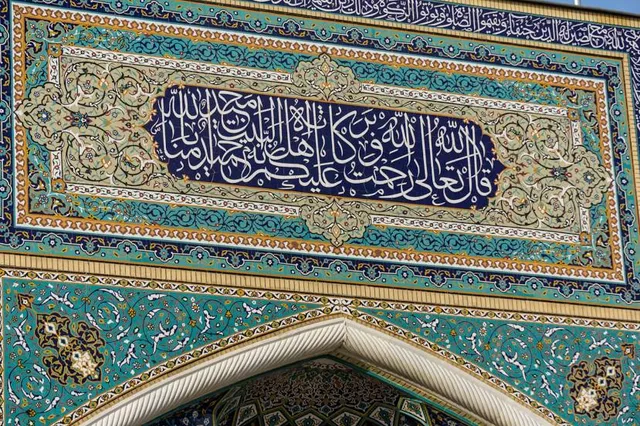
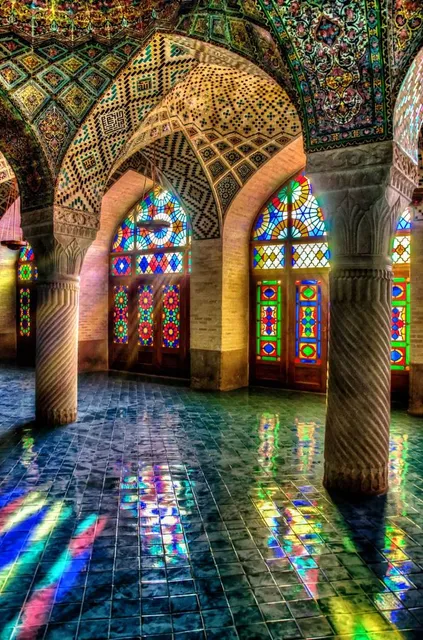
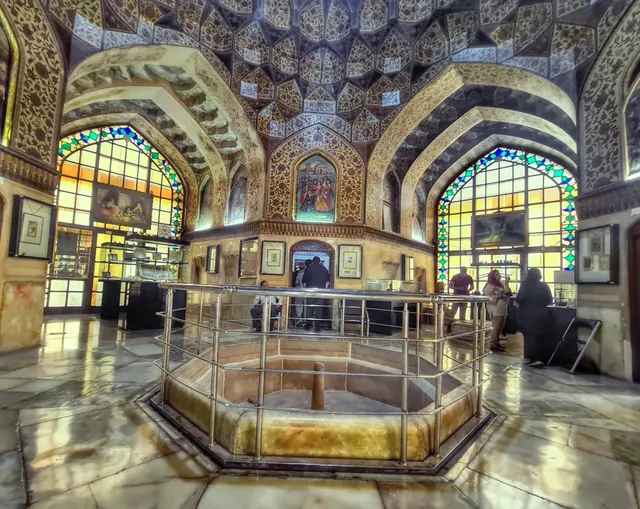
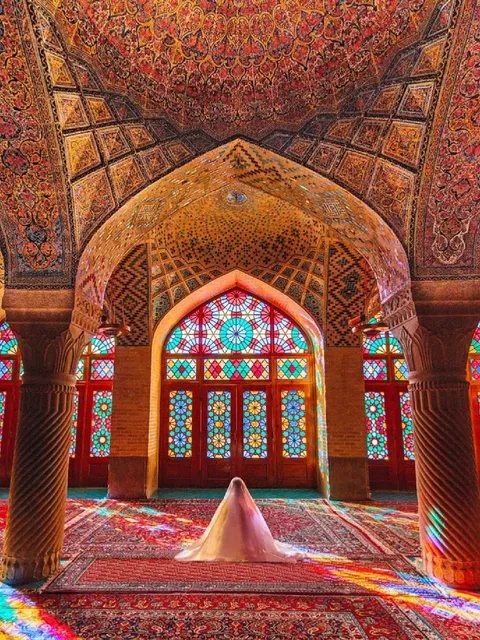
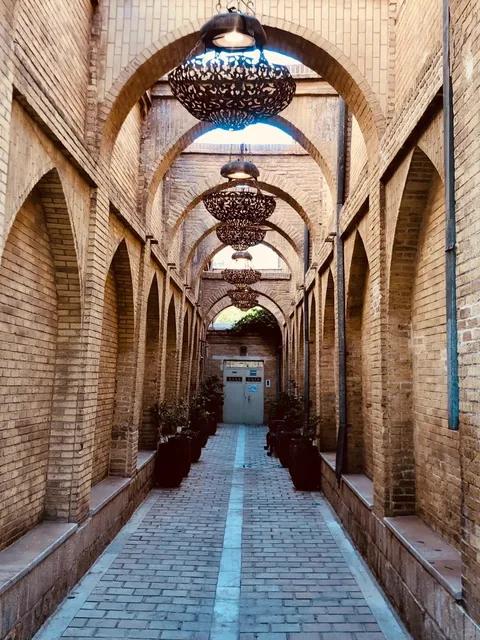
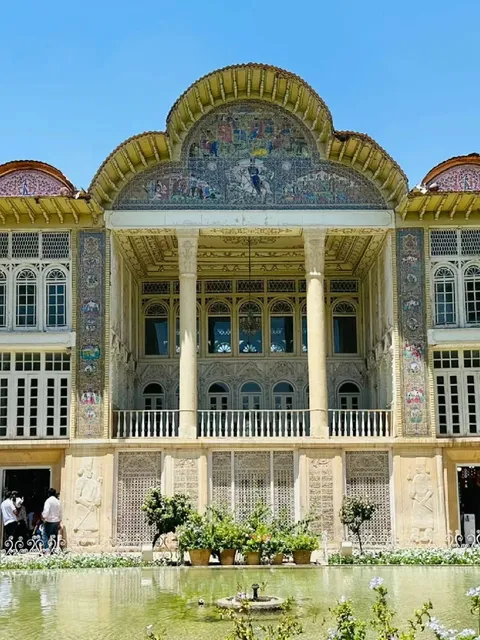
Nasir al-Mulk mosque is located in Gudaraban neighborhood and Lotfali Khan Zand street. You can use public transport or private car to reach this place. The closest metro station to the mosque is Valiasr station, which is about 1.5 km away. You can travel this distance by taxi or on foot. If you intend to use the bus, take the buses from Valiasr Terminal-Namazi Terminal and get off at Moshir Crossroad Station. Also, if you plan to visit the mosque by car, Esteghlal, Farhang, and Taleghani parking lots are located on Pirouzi Street and five minutes away from the destination, which you can use to park your car. Nasir al-Mulk Mosque was built by the order of Mirza Hassan Ali, nicknamed Nasir al-Mulk, who was one of the elders of the Qajar dynasty. The architecture of the mosque was done by Mohammad Hassan Memar. The construction period of the building lasted for about 12 years, from 1293 to 1305 AH. The infrastructure of the mosque is equal to 2212 square meters and its area is equal to 2980 square meters. The restoration, preservation and maintenance of this magnificent and valuable building, in accordance with the international standards for the restoration of historical monuments, was started many years ago by the Nasir al-Molk Endowment under the supervision of Mr. Mahmoud Qavam and the management of Mr. Korosh Javidi Parsi Jani, and it continues. The entrance has a large arch whose roof is decorated with seven-colored tiles. Its arched plinth is made of Gandmak stone, and its entrance arched has a beautiful moqrans work of seven-colored tiles. The entrance doors of this mosque are two big wooden doors, above which a poem by Shurideh Shirazi can be seen on the marble on the occasion of the builder of the mosque and the year of its completion. The mosque has two eastern and western naves, both of which, unlike usual, are located along the qibla axis due to the orientation of the Qiblah building. The western nave has a brick cover and is more worked on and more beautiful. The arch of this nave is on stone pillars with a spiral design. These columns are placed in two rows of 6 and are twelve in number for the purpose of the twelve imams. Also, this nave has seven doors, which connect it to the courtyard of the mosque with seven wooden doors and colorful glass. This Shabestan is known as the Winter Shabestan. The stone carving and decoration of this nave is inspired by Vakil Mosque and Moshir Mosque in Shiraz and it is made of one-piece Gandamak stone. The vault and walls of the nave are decorated with beautiful tiles, and the ceiling is decorated with patterns such as flowers, Islamic motifs, and some verses from the Qur'an in the high third line. The floor of the nave is decorated with turquoise tiles, and the floor of the altar, which is located below the floor of the nave, is made of marble. Agarchins between the toises of Shabestan Khiz slightly Darp. This Shabestan is actually a summer Shabestan. The visiting hours of Nasir al-Mulk Mosque are different in the two halves of the year. In the first half of the year, you can visit the mosque between 8:00 and 17:00 and in the second half of the year from 7:00 to 16:30. This collection is closed on the days of Arbaeen, Tasua and Ashura, the martyrdom of Imam Ali (pbuh), the death of the Prophet (pbuh), the death of Imam Khomeini (pbuh) and the martyrdom of Imam Jafar Sadiq (pbuh). Today, Nasir al-Mulk Mosque is more active as a mosque-museum, and its ticket price in 2019 was five thousand tomans for domestic tourists and 20 thousand tomans for foreign tourists. It is possible to pray individually. The best time to visit Nasir al-Mulk Mosque and watch the play of light and color is from 8 to 10 o'clock. During this interval, you can take the best photos of the lovely nave...
Read moreSHIRAZ IS ONE OF THE oldest Iranian cities, with a vibrant culture of art and craftsmanship and a rich history, both of which are on spectacular display at the Nasir al-Mulk Mosque, one of the most beautiful mosques in Iran.
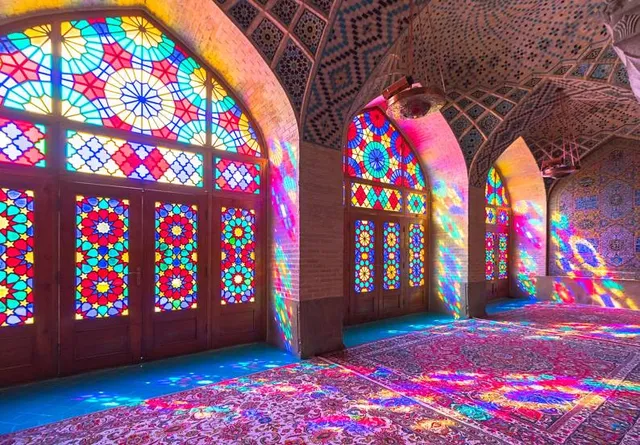
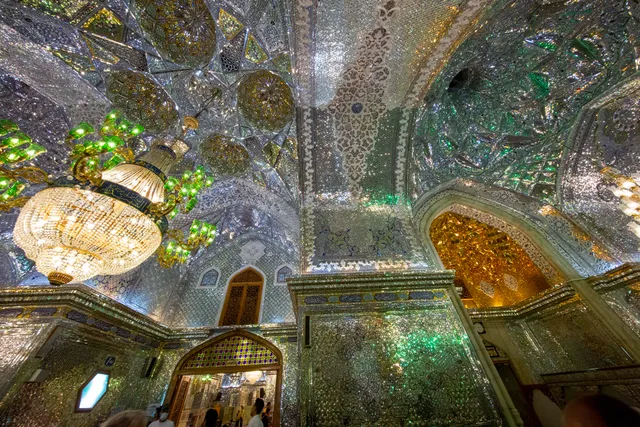
With dazzling stained glass, thousands of painted tiles on the ceiling and Persian rugs covering the floor, this place of worship is a gorgeous rainbow of color in every direction, like stepping into a kaleidoscope.
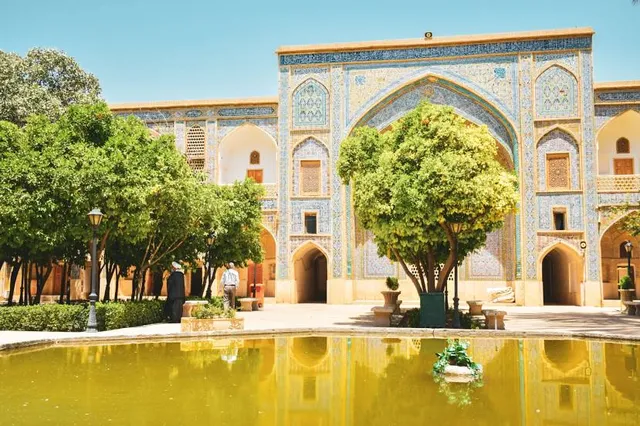
Inside the mosque is an open courtyard with a rectangular pool in the center, surrounded by flowers. The building’s facade features dozens of arabesque arches, adding to the beauty of the light show from the stained glass.
Nasir al-Mulk Mosque was constructed between 1876 and 1888, during the Qajar dynasty, which ruled Iran from 1785 to 1925. It has been dubbed the “Pink Mosque” due to the plethora of pink-colored tiles blanketing the ceiling. The best time to visit the mosque is in the early morning, when the sun reflects the stained glass patterns onto the floor.
Nasir-Ol Molk Mosque is one of the most ancient mosques of Shiraz and undoubtedly one of the most beautiful sites in Iran. Nasir-Ol Molk Mosque, also known as the Pink Mosque or Rainbow Mosque, looks like an ordinary Islamic mosque at first sight, but as the sun rises, the art of architecture turns the mosque into a huge kaleidoscope. Sunlight, passing through mosaic windows, paints the walls and floor carpets with hundreds of colors. Magic will vanish in a couple of hours, so plan your visit for an early morning.
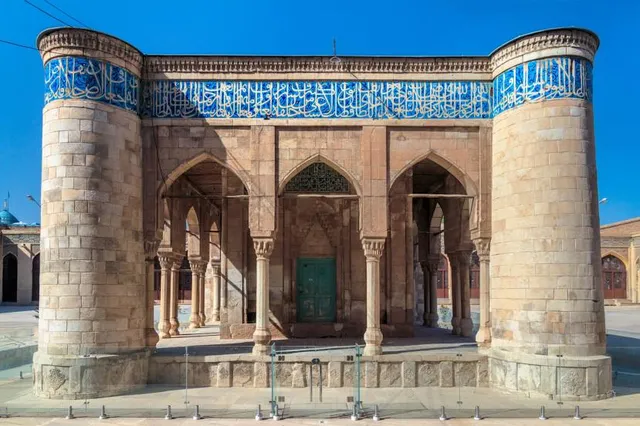
Nasir-Ol Molk Mosque is located in a region in the southern part of Lotf Ali Khan Zand Street. When in this area, you can visit many attractions that their antiquity dates back to the Zand dynasty. They are Vakil Bazaar, Vakil Bath, Karim Khan Citadel, Pars Museum, Atiq Jameh Mosque, Shah Cheragh, and Tomb of Hafez. Do not forget to add them to your long scroll of attractions you are...
Read moreمسجد نصیرالملک افزودن توضیحات عنوان مسجد نصیرالملک یا مسجد صورتی یکی از مساجد قدیمی شیراز است. این مسجد در محله گود عربان که در قدیم به محله اسحق بیگ معروف بوده واقع در جنوب خیابان لطفعلیخان زند و در نزدیکی شاهچراغ و در کوچهٔ نصیرالملک قرار دارد. میرزا حسن علی خان ملقب به نصیرالملک فرزند میرزا علیاکبر عوامل مؤثر حاکم وقت فارس بنای مسجد را در تاریخ ۱۲۹۴ه. ق آغاز و در تاریخ ۱۳۰۵ه. ق به پایان برسانید که به معماری میرزا محمد حسن و محمد رضا ساخته شدهاست. این اثر در تاریخ ۳۰ خرداد ۱۳۵۸ با شمارهٔ ثبت ۳۹۶ بهعنوان یکی از آثار ملی ایران به ثبت رسیده است.
تاریخچه این بنا به دستور میرزا حسن علی خان ملقب به نصیرالملک، که از اعیان و اشراف شیراز بود، ساخته شد. معماری آن کار محمد حسن معمار بودهاست. ساخت آن حدود ۱۲ سال و از سال ۱۲۵۵ تا ۱۲۶۷ خورشیدی به طول انجامیدهاست. مرمت، حفظ و نگهداری این بنا با رعایت استانداردهای بینالمللی مرمت آثار تاریخی از سالها پیش توسط موقوفه نصیرالملک به تولیت محمود قوام آغاز شده و همچنان ادامه دارد. در و پنجرههای رنگین شبستان این بنا توسط دو استاد بزرگ نجار شیرازی بنامهای استاد محمد جعفر و استاد محمد رحیم در زمان احداث این بنا ساخته شد. و در سال ۱۳۴۸ خورشیدی توسط میرزا آیت باز سازی گردیدهاست.
مسجد نصیرالملک از دیدگاه کاشی کاری از ارزندهترین مساجد ایران و از دیدگاه ساختمانسازی به ویژه مقرنس بیمانند است مساحت آن ۲۸۹۰ متر مربع و زیربنای آن ۲۲۱۶ متر مربع است در این مسجد از شیشههای رنگی استفاده شده به همین علت آن را مسجد صورتی ایران نیز میگویند. مسجد یک سر در ورودی دارد و دو ورودی دیگر آن به کوچهٔ جنوبی و مسجد و به امامزادهٔ جنب آن مرتبط است. ورودی اصلی مسجد از کاشی هفت رنگ با تزیینات فراوانی از گل سرخ گل زنبق شیراز است. این سردر دارای دو جرز است و هر جرز به سه قسمت تقسیم شده و در بالای آن یک تابلو با کاشی هفت رنگی قرار دارد سردر با یک فرورفتگی قرار دارد در چوبی مسجد دارای قابی سنگی با تزیینات اسلیمی و سنگ یکپارچه بزرگ است و روی آن یک قوس پنج او هفت به کار رفته در بالای قاب سنگی یک کتیبهٔ کوچک که سنگی با شعر شوریده شیرازی و تاریخ ساخت آن با خط نستعلیق آمدهاست. از ورودی اصلی مسجد وارد هشتی میشویم که با یک پیچ ۹۰ درجه در سمت چپ به راهرویی میرسد که به حیاط مسجد وصل میشود این هشتی با آجر ساخته شده و تنها به قرینه در ورودی تابلوی از کاشی نصب گردید که در پایین این تابلو شعر معروف سعدی و نام معمار ان آماده است. حیاط این مسجد به شکل چهار گوش است که در میان آن یک حوض به طول و عرض ۴/۵ _۱۶/۵ متر در مقابل ایوان مسجد احداث شده و دور تا دور ایم مسجد با کاشی هفترنگ تزیین شده. این مسجد دارای دو ایوان است ایوان شمالی که با ارتفاع هشت متر ساخته شده و ایوان جنوبی که فاقد کاربری خاصی میباشد به منظور قرینهسازی با ایوان شمالی ایجاد شده. طاق نمای سمت ایوان جنوبی به علت وجود دو در که یکی به داخل اتاق کوچک ایجاد شده و دیگری به گلدستهها راه دارد تقارن خود را از دست دادهاند.
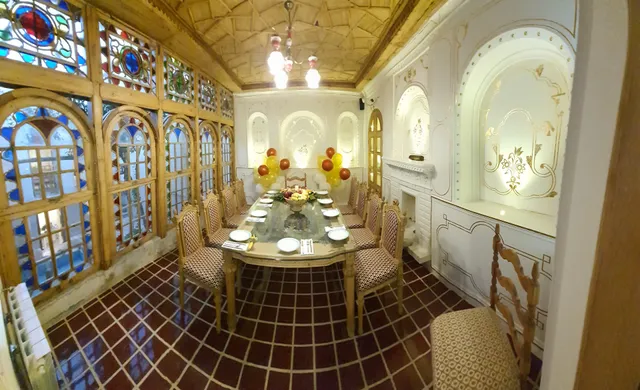
این مسجد دو شبستان دارد یکی در غرب و دیگری در شرق شبستان شرقی یک شبستان زمستانی بوده که به سمت قبله است همچنین در هوای بسیار گرم تابستان میبایست مورد استفاده قرار میگرفت که جهت جلوگیری از تابش مستقیم نور آفتاب و گرم شدن شبستان طراحی شدهاست. در پشت این شبستان دری است که به چاه بزرگی باز میشود که به ان گاو چاه میگویند این قسمت محل نگهداری حیوان آبکش هدایت گردیدهاست. شبستان غربی یکی از زیباترین شبستانهای مساجد ایران است که با تزیینات کاشی و آجر با نقاشیهایی از گل سرخ کار شده بود اما تعمیراتی در حدود ۷۰ سال قبل روی ان انجام شده بود که کاشی فیروزهای روی ان را پوشاند. ستونهای مسجد نصیرالملک یکی از زیباترین ستونهای اماکن تاریخی شیراز است که با یک سری گلدان شروع میشود این شبستان دارای ستون ۶ تائی است که دو طاق چشمه پوشش سقف را نگه داشته پوششها از کاربندی ۲۲ است هفت طاق چشمهای در بین دو ستون قرار دارد در انتهای این ردیف و چشمهای کاشی کاری شده به محراب فوقالعاده زیبا میرسیم. بدنه این مسجد عمدتاً اجر است اما معمار برای پرهیز از یکنواختی دیوار کاشی آوردهاست در شبستان غربی یک محراب بسیار زیبا با ایجاد یک فرورفتگی در بدنه چوبی شبستان ایجاد گردیده. مسجد نصیر الملک معماری ایران در زمان قاجار است که مانند یک نگین میدرخشد که بعد از ان معماری مذهبی دچار افول شد. تمام سقف، داخل و بیرون آن کاشی کاری رنگارنگ شدهاست و بر روی آن آیات قرآنی نوشته شدهاست در سمت جنوب طاقی وجود دارد که ارتفاعش کمتر از طاق مروارید است و تمام سطح بیرونی و داخلی آن کاشیکاری شده و سقف آن مانند طاق شمالی مقرنسکاری گشتهاست در پایان نام...
Read more