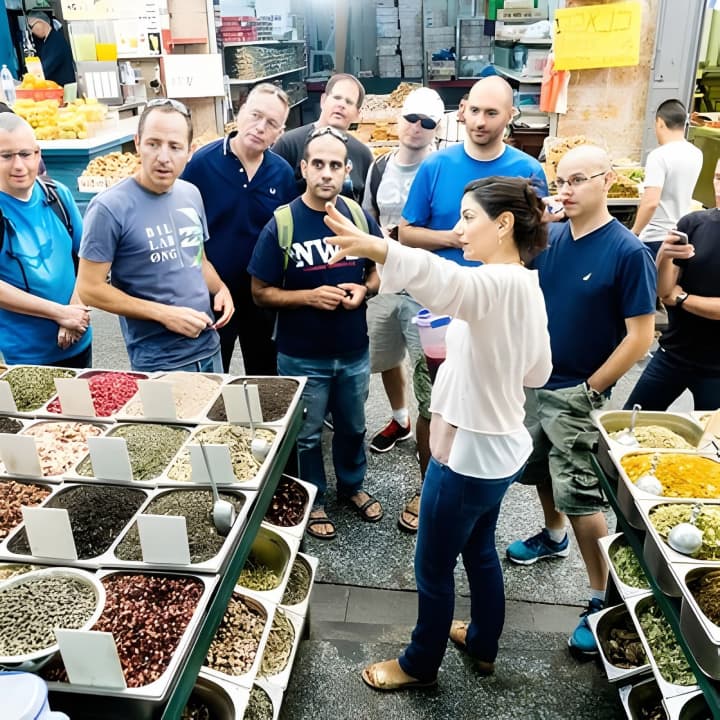
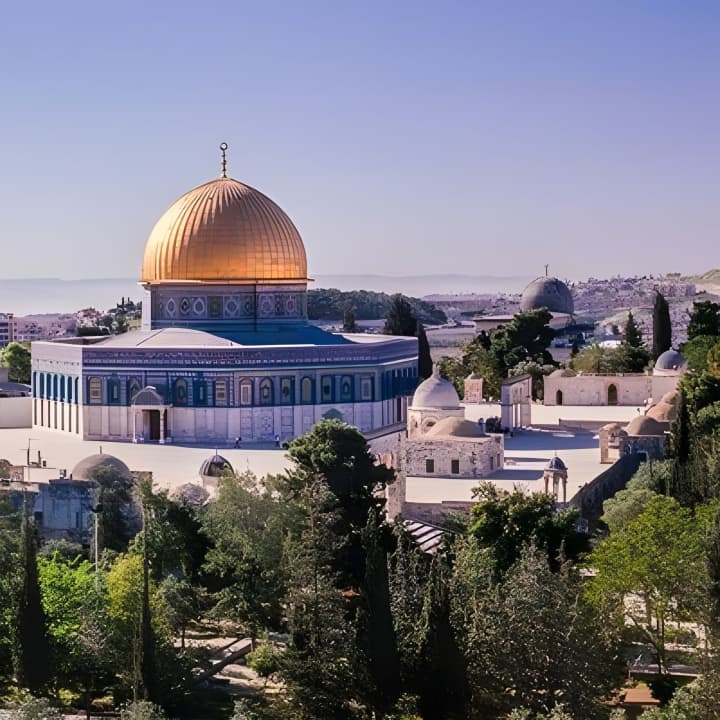
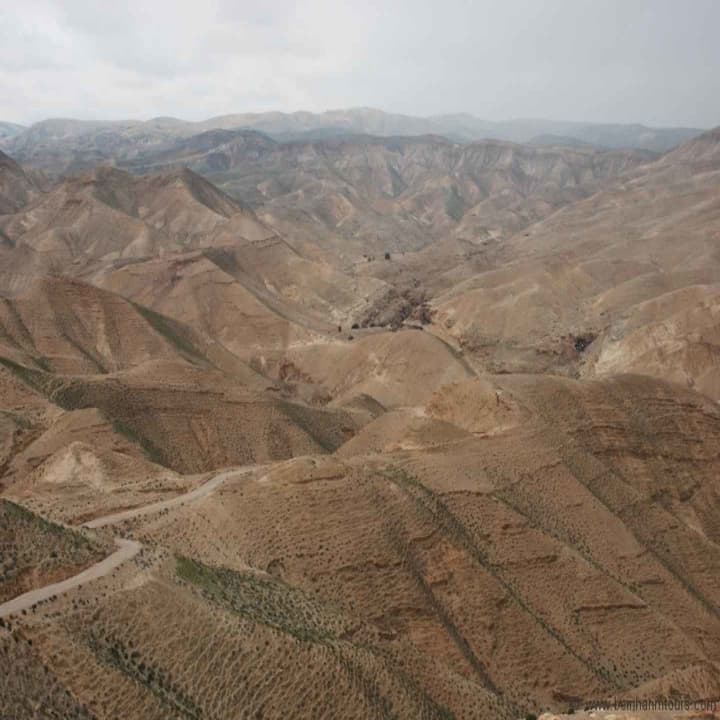
When I was in my mid-20s, I had the opportunity to visit Jerusalem, a city whose name always carried a deep sense of nostalgia for me. It felt as though it existed beyond time, a place that had always been a part of history. I’d often heard about it, read about it, and seen it in books and movies, but nothing could have prepared me for the experience of actually being there. In the days leading up to the trip, I felt an overwhelming sense of excitement. The anticipation was palpable, but nothing could have prepared me for the emotions I would feel once I actually set foot in the city.
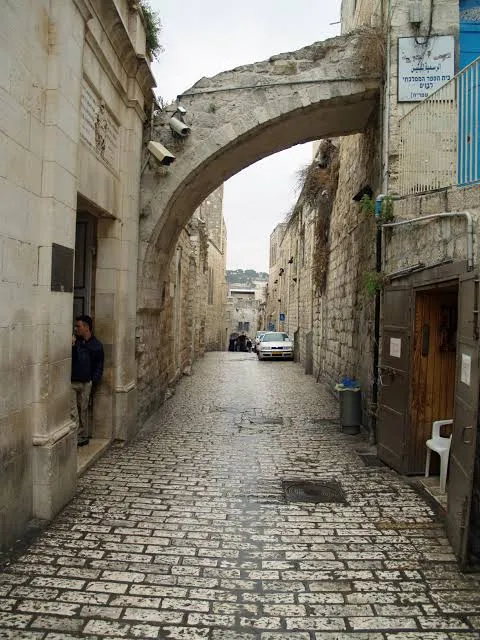
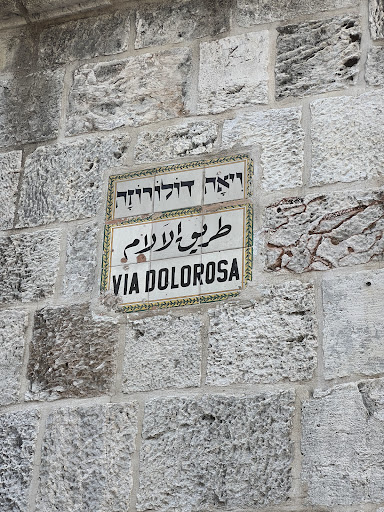
Upon arriving, I found myself struck silent. I was in awe of the history, the sacredness of the place. The tour guide began by explaining that we were walking on the Via Dolorosa, the "Way of the Cross," the very path that Jesus had taken while carrying the cross to his crucifixion. This realization hit me like a wave—this was not just another historic site; this was a living piece of history, a sacred space where significant events had taken place.
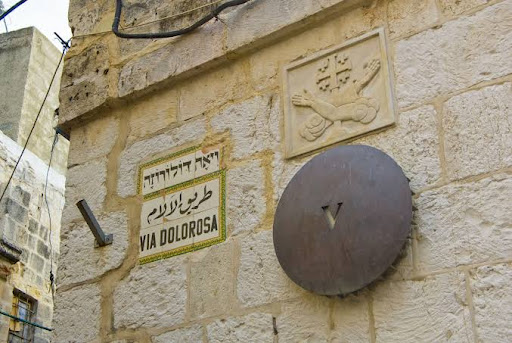
The guide pointed out various stations along the route, each one marked to commemorate the key moments of Jesus’ journey. As I stood at these stops, I couldn’t help but feel a deep, almost spiritual connection to the past. It wasn’t just history I was walking through—it was a sacred narrative that had shaped the beliefs of millions for centuries. I could feel the weight of it, and it was more powerful than I could have imagined. My heart raced, and I experienced a profound sense of reverence.
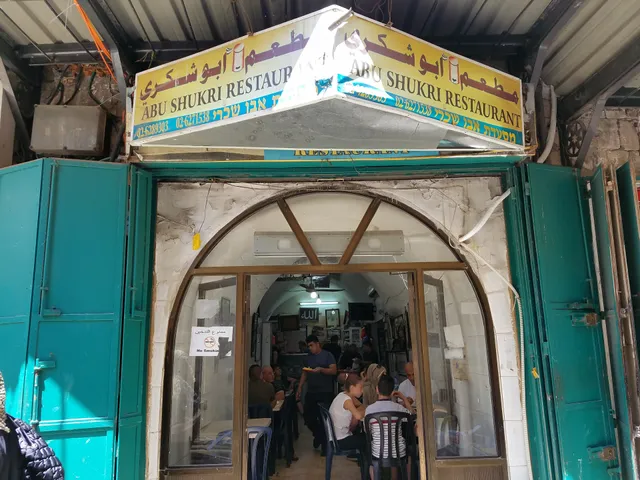
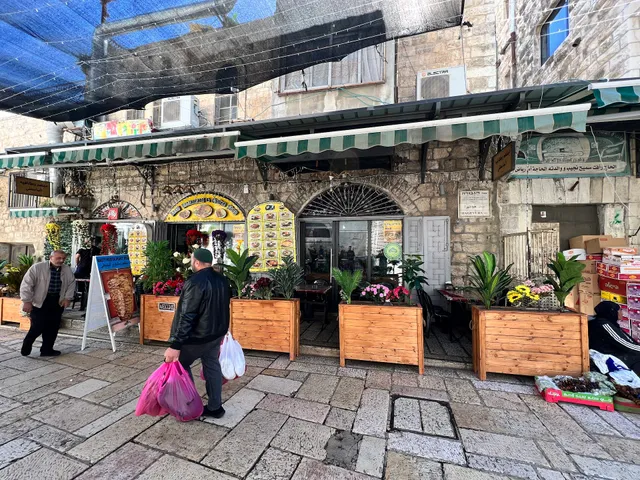
The environment itself only added to the emotional intensity. The narrow, winding cobblestone streets, the ancient stone buildings, each with its own story to tell, and the people around me dressed in traditional clothing—all of it created an atmosphere that felt timeless. The air seemed thick with history and culture, and I felt as if I were walking in the footsteps of those who had lived through so many significant events in the past.
There was a magical quality to it all—an unspoken connection between that moment and centuries of history. The mysticism of the place was almost palpable, as if the city itself held the weight of countless stories, prayers, and struggles within its walls. Walking through those streets, listening to the guide’s explanations, I had a surreal sense of reliving those moments, of being part of something much larger than myself.
It was an experience unlike any other, one that left a lasting impression on my soul. The walk through Jerusalem, particularly along the Via Dolorosa, was not just a journey through history—it was a deeply emotional and spiritual experience, one I will...
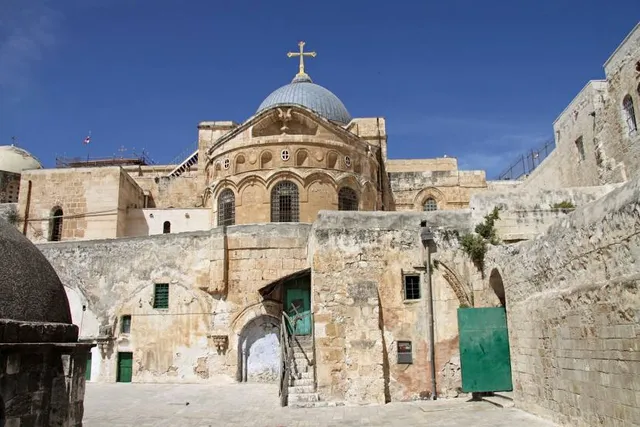
Read moreThe Via Dolorosa (“Sorrowful Way”, often translated “Way of Suffering”) is a processional route in the Old City of Jerusalem. It represents the path that Jesus would have taken, forced by the Roman soldiers, on the way to his crucifixion. The winding route from the former Antonia Fortress to the Church of the Holy Sepulchre - a distance of about 600 metres - is a celebrated place of Christian pilgrimage. The current route has been established since the 18th century, replacing various earlier versions. It is today marked by fourteen Stations of the Cross, nine of which are outside, in the streets, with the remaining five stations being currently inside the Church of the...
Read moreDie Via Dolorosa in Jerusalem ist eine der bekanntesten Pilgerstrecken der Welt, die jedes Jahr von tausenden Gläubigen besucht wird. Diese rund 600 Meter lange Straße führt durch die Altstadt und markiert den Weg, den Jesus Christus auf seinem Weg zur Kreuzigung gegangen sein soll. Für Christen ist dies eine zutiefst spirituelle Erfahrung, da die Route die 14 Stationen des Kreuzwegs nachbildet, jede mit einer besonderen Bedeutung und historischen Verbindung.
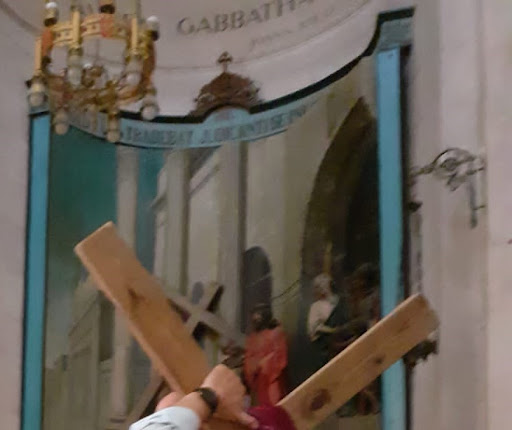
Der Weg beginnt im muslimischen Viertel und führt bis zur Grabeskirche, einem der heiligsten Orte des Christentums. Unterwegs gibt es zahlreiche Kapellen, Kirchen und Denkmäler, die an entscheidende Momente der Passion Christi erinnern. Jede Station lädt zum Nachdenken ein, und viele Pilger tragen symbolisch ein Holzkreuz als Ausdruck ihres Glaubens und ihrer Anteilnahme.
Was die Via Dolorosa besonders beeindruckend macht, ist die Mischung aus Geschichte, Glauben und lebendiger Gegenwart. Während man durch enge, teils belebte Straßen geht, die von Marktständen gesäumt sind, wird einem bewusst, dass dieser Pfad seit Jahrhunderten dieselbe Bedeutung trägt. Es ist erstaunlich, wie sich spirituelle und weltliche Welten hier vermischen: Pilger beten und verweilen an den Stationen, während das geschäftige Leben Jerusalems um sie herum weitergeht.
Auch für Nicht-Gläubige oder Geschichtsinteressierte ist die Via Dolorosa ein Erlebnis. Die antike Atmosphäre der Altstadt, die engen Gassen und die beeindruckenden Gebäude verleihen dem Weg eine mystische Aura. Der Gedanke, dass man auf demselben Weg geht, auf dem möglicherweise Jesus selbst seine letzten Schritte machte, ist bewegend und gibt Raum für tiefe Reflexion – ob religiös oder historisch.
Insgesamt ist die Via Dolorosa mehr als nur eine touristische Sehenswürdigkeit; sie ist ein Ort der Besinnung, der Spiritualität und der Geschichte. Ob man gläubig ist oder nicht, der Weg hinterlässt einen tiefen Eindruck und lädt dazu ein, innezuhalten und über die universellen Themen von Leid, Hoffnung und Menschlichkeit...
Read more