PLEASE DO NOT HIT LIKE.
The Glorious HOPE Mysteries. Part 1. D: (PRAY on Friday or Saturday) D. LOVE of God:
A. Meditation: The LOVE of God (Live God’s Commandments)
The Beatitudes. Now when he saw the crowds, he went up on a mountainside and sat down. His disciples came to him, and he began to teach them, saying:
Blessed are the poor in Spirit, for theirs is the kingdom of heaven. Blessed are those who mourn, for they will be comforted. Blessed are the meek, for they will inherit the earth. Blessed are those who hunger and thirst after righteousness, for they will be filled. Blessed are the merciful, for they shall be shown mercy. Blessed are the pure in heart, for they will see God. Blessed are the peacemakers, for they will be called the sons of God. Blessed are those who are persecuted because of righteousness, for theirs is the kingdom of heaven. Blessed are you when people insult you, persecute you and falsely say all kinds of evil against you because of me. Rejoice and be glad, because great is your reward in heaven, for in the same way they persecuted the prophets who were before you. St. Matthew 5:3-12
B. Pray One Our Father.
C. Pray the Act of LOVE
My God, I acknowledge Your Eternity LOVE for us. I truly LOVE You above all things; with my true prayer from the soul, repentant and enduring my penance for sins I have committed. In Your greatest LOVE; I live according to Your Commandments, virtue myself to the revelation of Beatitudes, and acts of mercy to all but firm in FAITH. To ask Your forgiveness of my sins and those who had sinned against me. I truly believe in Your Sacrament of Reconciliation through the Body and Blood of Your Beloved Son that redeem us for our salvation in Your Glorious Hope...
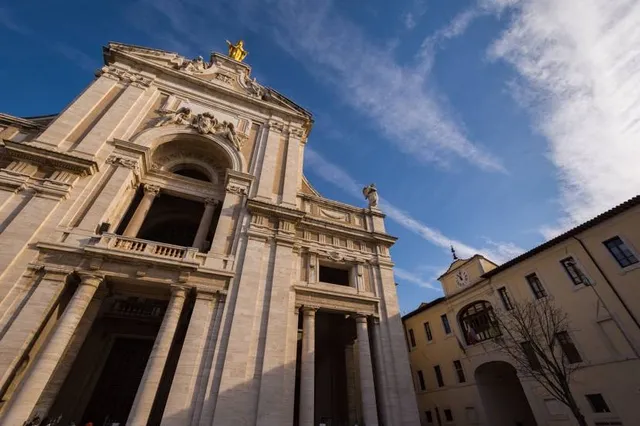
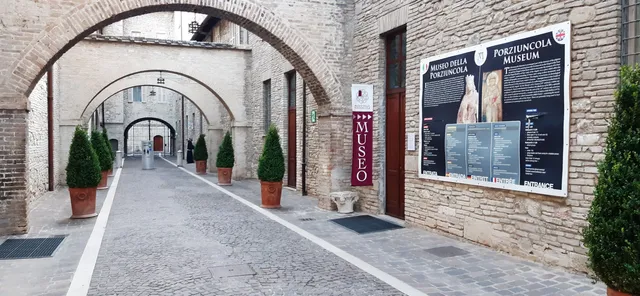
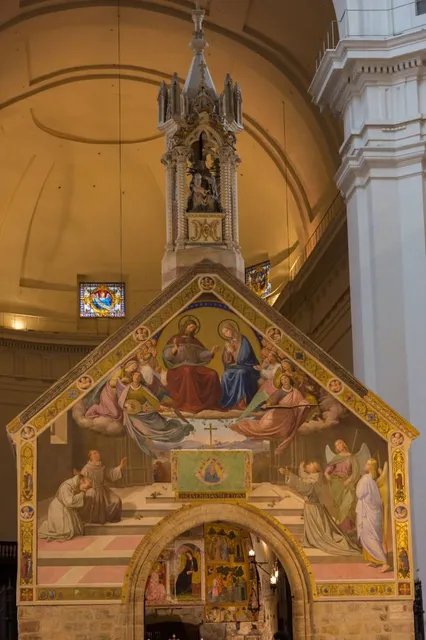
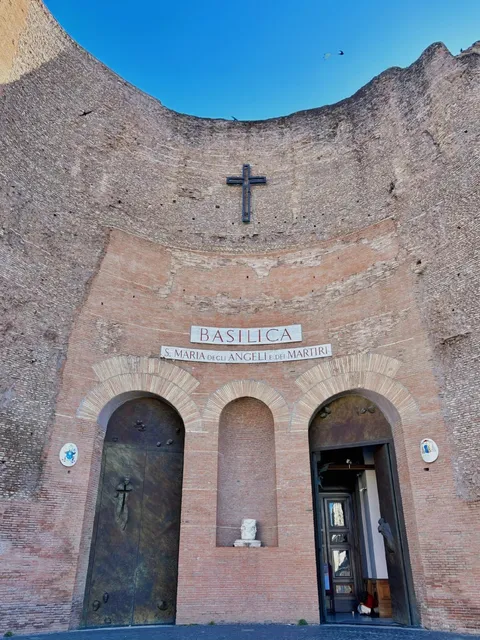
Read moreThe Basilica di Santa Maria degli Angeli is a site of profound historical and spiritual significance, located in Assisi, Italy. This grand basilica, built between the 16th and 17th centuries, is a remarkable example of Renaissance architecture, distinguished by its imposing facade and expansive interior. It is most famous for housing the Porziuncola, a small, humble chapel where St. Francis of Assisi is said to have founded the Franciscan order and received his divine calling.
Visitors to the basilica are often struck by the contrast between the simplicity of the Porziuncola and the grandeur of the surrounding church, a juxtaposition that powerfully reflects the Franciscan ideals of humility and devotion. The basilica also contains the Cappella del Transito, the place where St. Francis passed away, making it a site of pilgrimage for those devoted to the saint and the Franciscan spiritual heritage.
Beyond its religious significance, the Basilica di Santa Maria degli Angeli is a cultural treasure, rich with art and history. The interior is adorned with beautiful frescoes and artworks that depict scenes from the life of St. Francis, contributing to the basilica's atmosphere of reverence and contemplation.
Throughout the year, the basilica attracts countless pilgrims and tourists who come not only to honor St. Francis but also to admire the basilica's architectural beauty and serene surroundings. Its importance in Assisi cannot be overstated, as it continues to be a focal point of both religious worship and cultural heritage, embodying the spirit of St. Francis and the enduring legacy of the...
Read moreLa Basilica di Santa Maria degli Angeli ed Assisi, sono a mio avviso, luoghi da visitare almeno una volta nella vita e l'invito è per tutti. Se si arriva in treno o in autobus, la Basilica si raggiunge a piedi in circa 10 minuti, percorrendo il sottopasso pedonale nei pressi della stazione di Assisi_ S.Maria degli Angeli. Assisi centro, dista circa 4 Km dalla stazione..Se si arriva in auto, è possibile parcheggiare a circa 150 metri dalla Basilica, se i posti fossero esauriti potete provare in via dei Protomartiri. La grande Basilica Papale di Santa Maria degli Angeli, è il cuore pulsante dell'ordine dei Minori, perché custodisce al suo interno la Porziuncola , dove il serafico Francesco fondò la Regola nel 1209..Ai tempi di Francesco, la Porziuncola era una delle tante chiese sparse sul territorio, abbandonate e in rovina. La piccola chiesetta, era dedicata a SANTA MARIA DEGLI ANGELI, ed apparteneva insieme al bosco circostante ai Monaci Benedettini, che la donarono a Francesco quando fondò l'Ordine. La Porziuncola, è la terza chiesa restaurata da Francesco , dopo l'evento miracoloso del Crocifisso di San Damiano che parlò al giovane Francesco dicendo: " Francesco, va e ripara la mia casa." Alla Porziuncola, nel 1211,avvenne anche la Vestizione di Santa Chiara e la fondazione dell'Ordine delle Clarisse, successivamente, nel luglio del 1216, mentre Francesco era in preghiera nella Porziuncola, ebbe una visione. Gli apparvero la Madonna con Gesù e una schiera di Angeli, da questo evento di grazia, scaturi l'istituzione della festa del Perdono di Assisi , che ricorre ogni anno il 2 agosto. Infine, nella cella del convento costruito a ridosso della Porziuncola, Francesco incontro' " Sorella Morte corporale" , circondato dai suoi confratelli in assoluta povertà,la sera del 3 ottobre 1226, all'età di 44 anni. La cella dove San Francesco morì , è stata poi trasformata nella cappella del Transito. La Basilica , è stata edificata per volere del Papa Pio V, nella seconda metà del XVI secolo, per custodire la Porziuncola, la cappella del Transito e per accogliere i numerosi pellegrini che accorrevano numerosi al Santo luogo del Perdono di Assisi. Il progetto , fu affidato all'architetto perugino Galeazzo Alessi, che concepì la pianta a partire dalla Porziuncola, che si trova all'incrocio tra il transetto e le tre navate, ed è coperta da una cupola che si erge su un tamburo poligonale, L'edificio, termina con un'abside semicircolare dove si trova il Coro e l'altare maggiore. La facciata, invece, è stata realizzata nel 1930, in stile tardo rinascimentale, alla sommità del timpano è collocata una statua della Madonna in bronzo dorato, alta circa otto metri, che domina tutta la pianura circostante e il piazzale antistante. All'interno della Porziuncola, potrete contemplare il polittico di Ilario da Viterbo ( 1363), che al centro presenta l'Annunciazione, mentre le tavole circostanti, rappresentano le scene del Perdono di Assisi. Uscendo dalla Porziuncola, si può visitare la Cappella del Transito e attraverso il transetto destro si può accedere alla Sacrestia e al corridoio che porta al Roseto e alla Cappella delle Rose e che consente di accedere al Bookshop. Lungo il corridoio di uscita, si trova l'Ufficio delle Benedizioni, la Sala penitenziale e il Museo. Attualmente, sono in corso all'interno della Basilica lavori di restauro , pertanto non tutte le cappelle presenti lungo le navate sono accessibili. Le messe sono frequenti, gli orari sono sul sito. Assisi è la città della Pace, per i cattolici devoti a San Francesco, è una tappa obbligata del percorso spirituale ed un luogo dove si ritorna sempre con gioia. Il messaggio di San Francesco, è stato profetico ed oggi più che mai il desiderio di Pace dovrebbe albergare nel cuore di tutte le creature. Cosa aspettate ad andare ? Pace e...
Read more