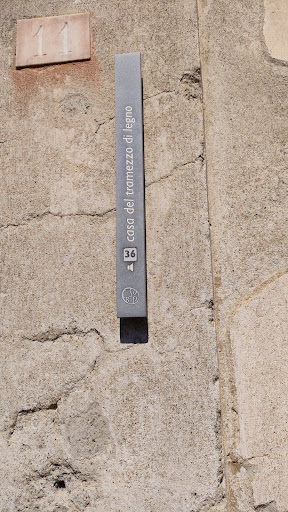
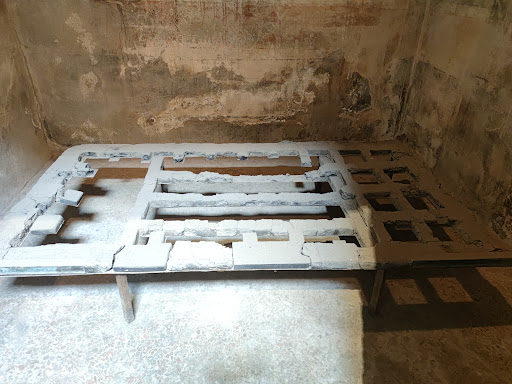
House of the Wooden Sacellum things to do, attractions, restaurants, events info and trip planning
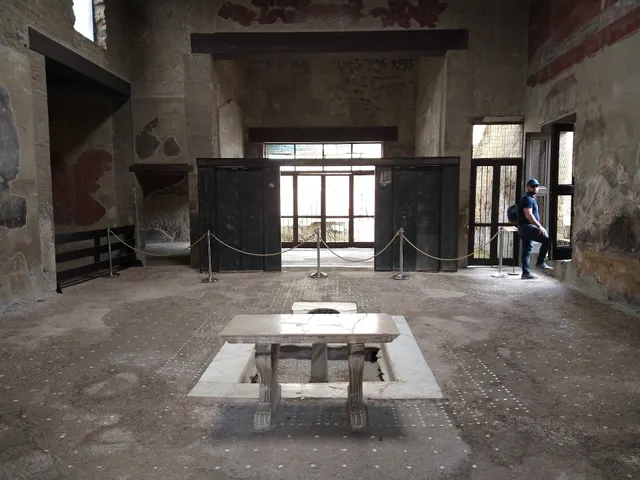
Basic Info
House of the Wooden Sacellum
Via Mare, 38-42, 80056 Ercolano NA, Italy
4.6(9)
Closed

tickets
Save
spot
spot
Ratings & Description
Info
Cultural
Scenic
Family friendly
attractions: Archaeological Park of Herculaneum, House of Neptune and Amphitrite, Casa dello Scheletro, MAV - Virtual Archaeological Museum, House of the Deer, Suburban Baths, Mosaic Atrium House, Casa del Bicentenario, House of the Gem - Excavations, Teatro di Herculaneum, restaurants: Pappamonte, RoVi, Le Danzatrici Pizzeria, Burger Vi.P., Bar Sandwich Herculaneum Cafè, Umami Bakery Bistrot, Vitae Campania Winery, Vesuvius, ristorante pizzeria degli scavi da Ernesto, Spagaeteria, local businesses: Sacellum of Augustali, Mercato di Resina, Santuario del Sacro Cuore, Reggia di Portici, Basilica Madonna Della Neve, Eleganza, St Mary Pugliano Basilica, Parco di Piazza Pugliano, Museo Gracco
 Learn more insights from Wanderboat AI.
Open hoursSee all hours
Sat8:30 AM - 7 PMClosed
Plan your stay

Pet-friendly Hotels in Ercolano
Find a cozy hotel nearby and make it a full experience.

Affordable Hotels in Ercolano
Find a cozy hotel nearby and make it a full experience.

The Coolest Hotels You Haven't Heard Of (Yet)
Find a cozy hotel nearby and make it a full experience.

Trending Stays Worth the Hype in Ercolano
Find a cozy hotel nearby and make it a full experience.
Reviews
Live events
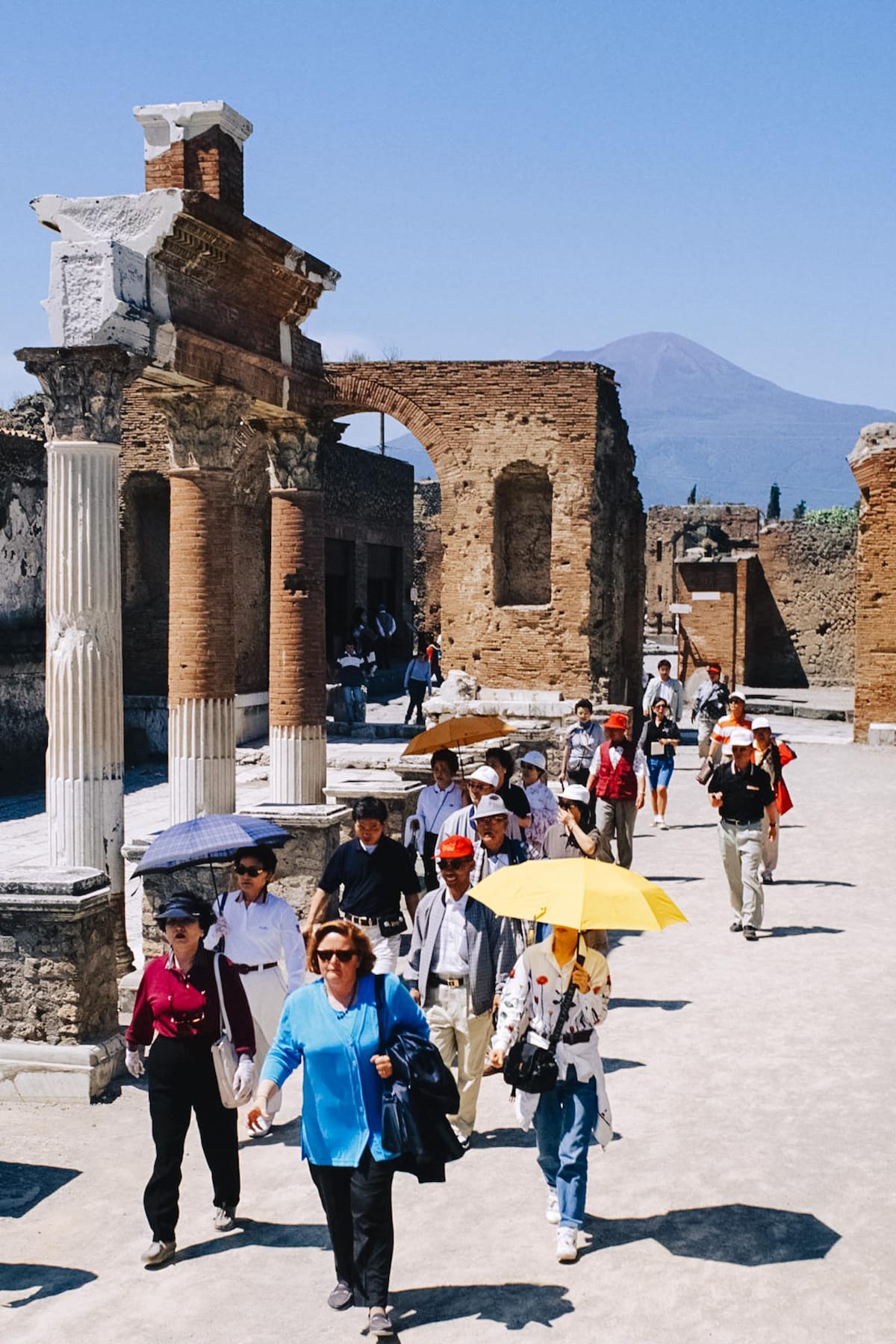
Explore Pompeii and Herculaneum
Sat, Feb 7 • 10:30 AM
80045, Pompei, Campania, Italy
View details
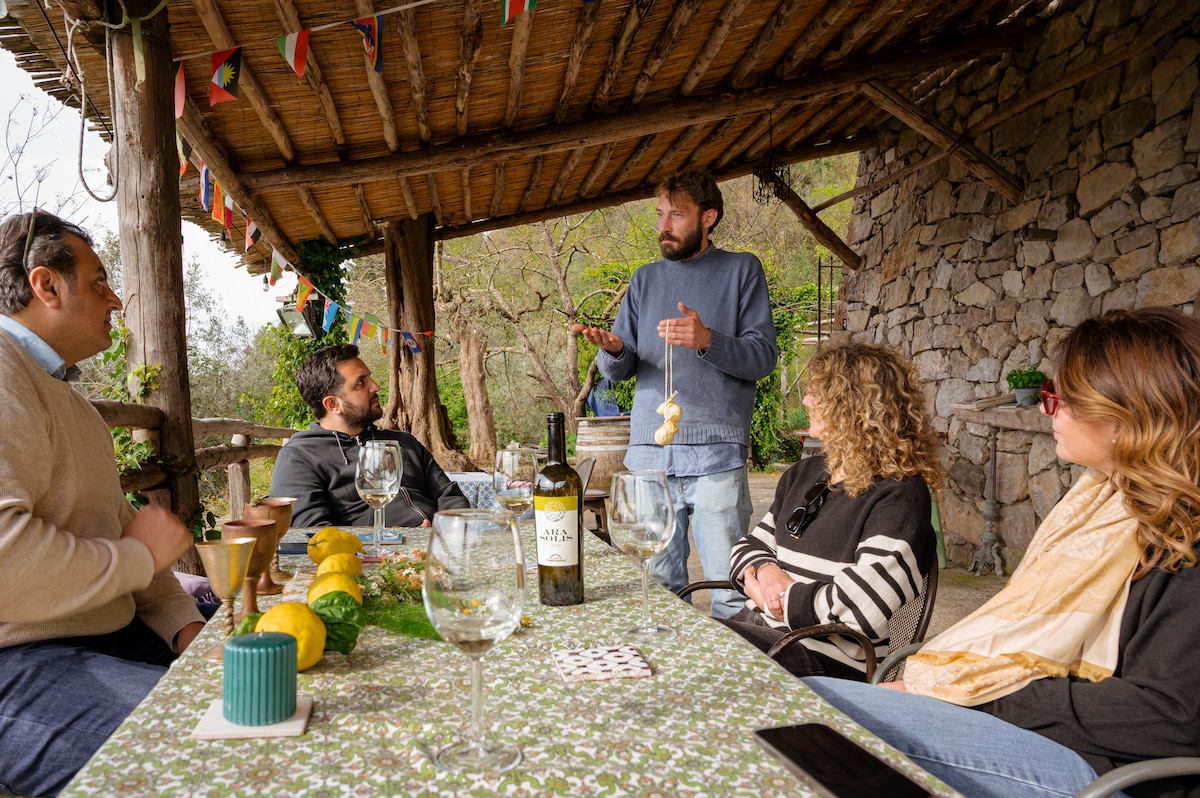
Taste wine and cheese in a paradise
Mon, Feb 9 • 1:30 PM
80069, Vico Equense, Campania, Italy
View details
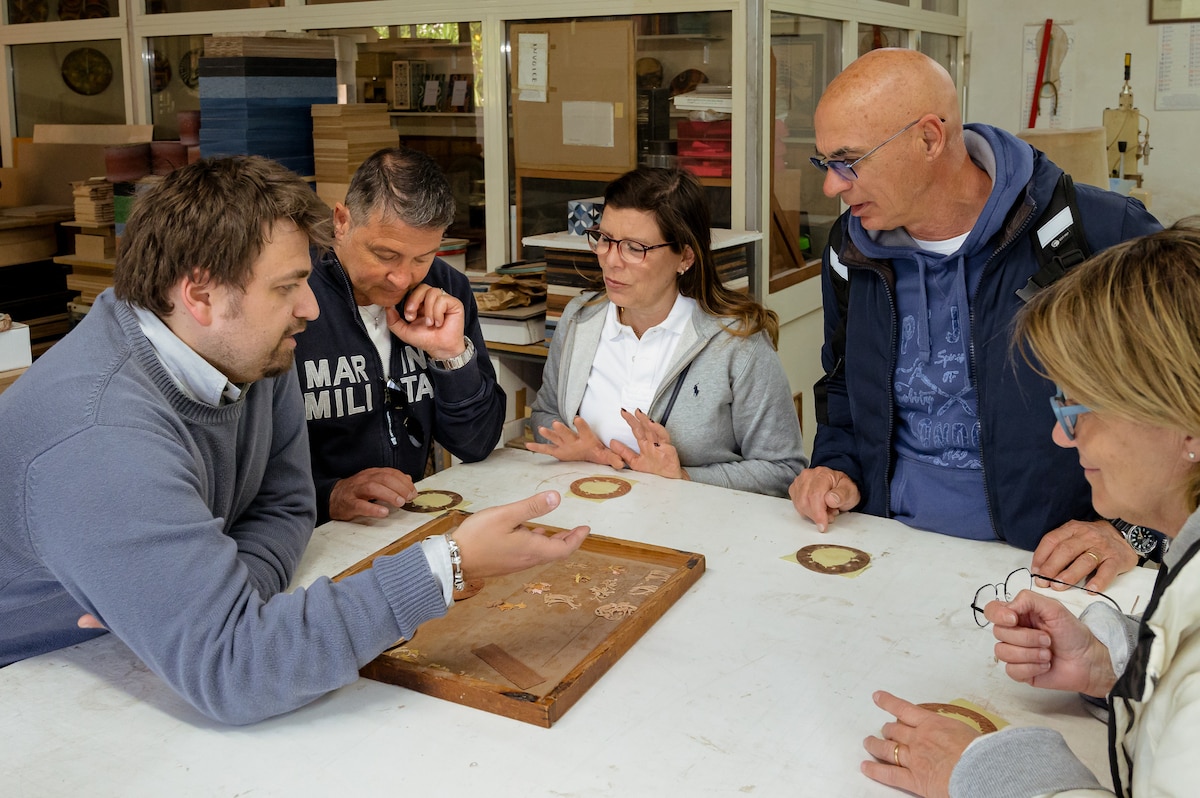
Craft a wood inlay piece with an artisan
Sat, Feb 7 • 9:30 AM
80067, Sorrento, Campania, Italy
View details
Nearby attractions of House of the Wooden Sacellum
Archaeological Park of Herculaneum
House of Neptune and Amphitrite
Casa dello Scheletro
MAV - Virtual Archaeological Museum
House of the Deer
Suburban Baths
Mosaic Atrium House
Casa del Bicentenario
House of the Gem - Excavations
Teatro di Herculaneum
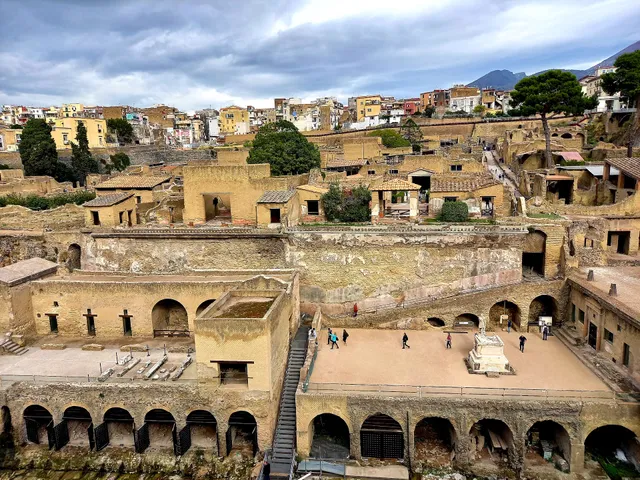
Archaeological Park of Herculaneum
4.8
(5.7K)
Closed
Click for details
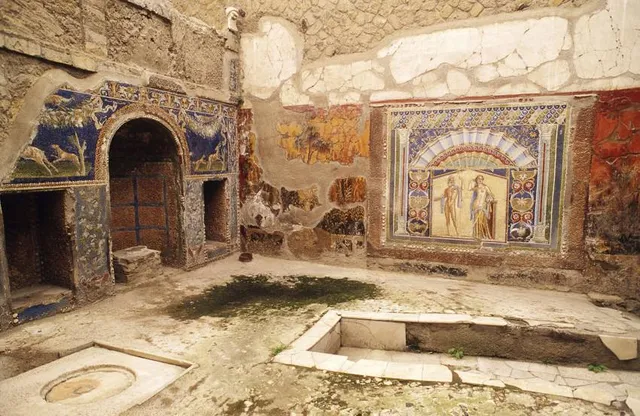
House of Neptune and Amphitrite
4.9
(32)
Closed
Click for details
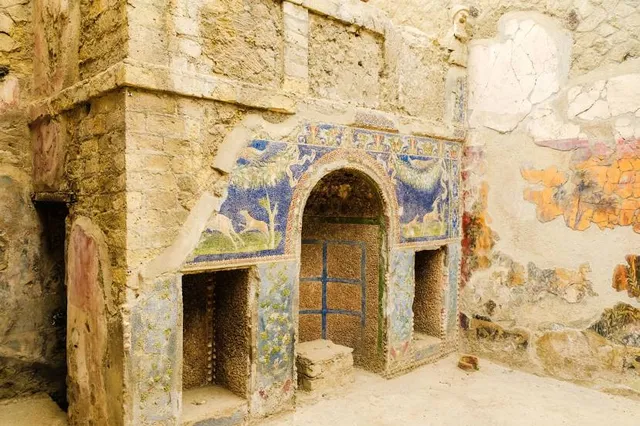
Casa dello Scheletro
4.6
(19)
Closed
Click for details
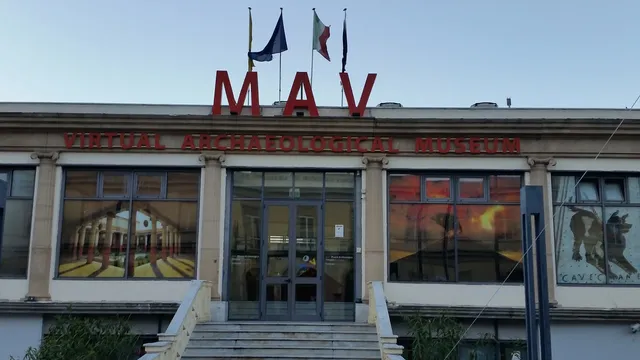
MAV - Virtual Archaeological Museum
4.0
(964)
Closed
Click for details
Nearby restaurants of House of the Wooden Sacellum
Pappamonte
RoVi
Le Danzatrici Pizzeria
Burger Vi.P.
Bar Sandwich Herculaneum Cafè
Umami Bakery Bistrot
Vitae Campania Winery
Vesuvius
ristorante pizzeria degli scavi da Ernesto
Spagaeteria
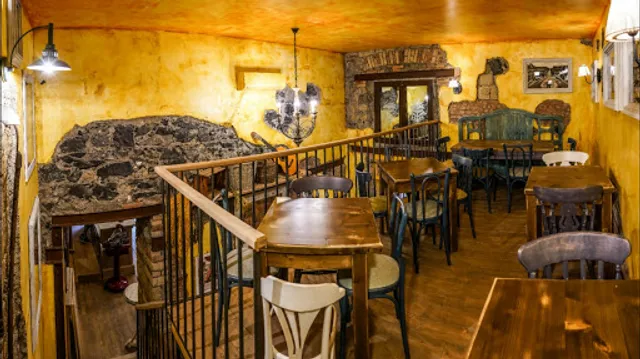
Pappamonte
4.3
(563)
Closed
Click for details
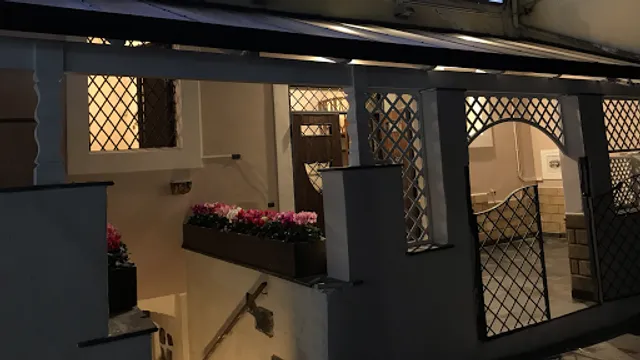
RoVi
4.5
(723)
Closed
Click for details
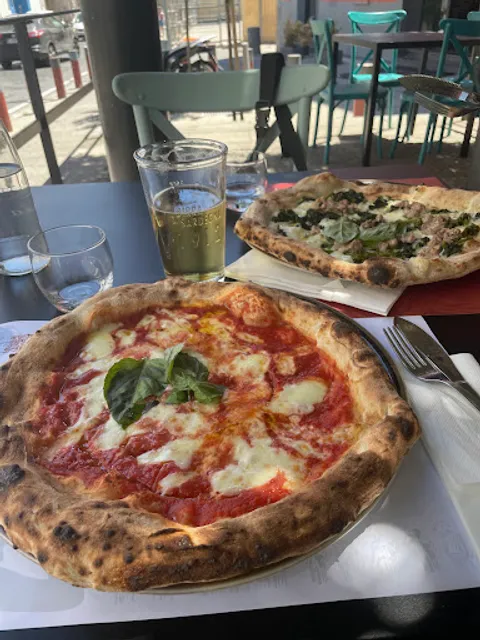
Le Danzatrici Pizzeria
4.8
(177)
Closed
Click for details
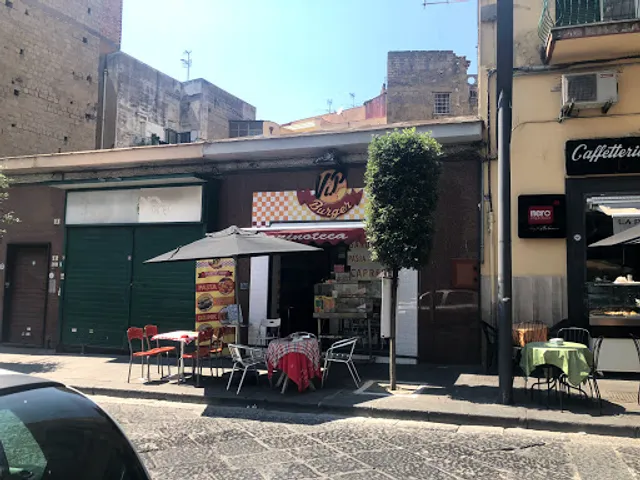
Burger Vi.P.
4.8
(278)
Click for details
Nearby local services of House of the Wooden Sacellum
Sacellum of Augustali
Mercato di Resina
Santuario del Sacro Cuore
Reggia di Portici
Basilica Madonna Della Neve
Eleganza
St Mary Pugliano Basilica
Parco di Piazza Pugliano
Museo Gracco
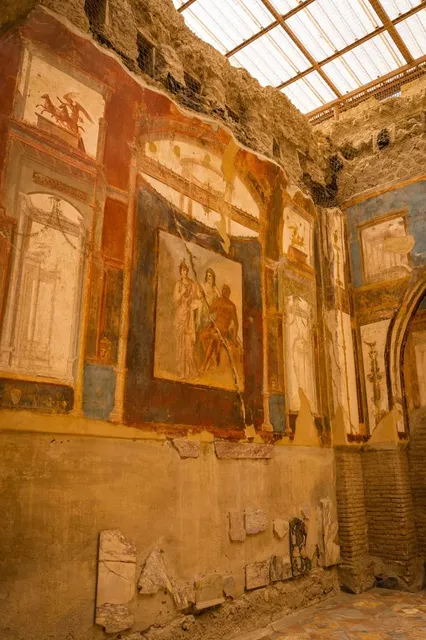
Sacellum of Augustali
4.8
(18)
Click for details
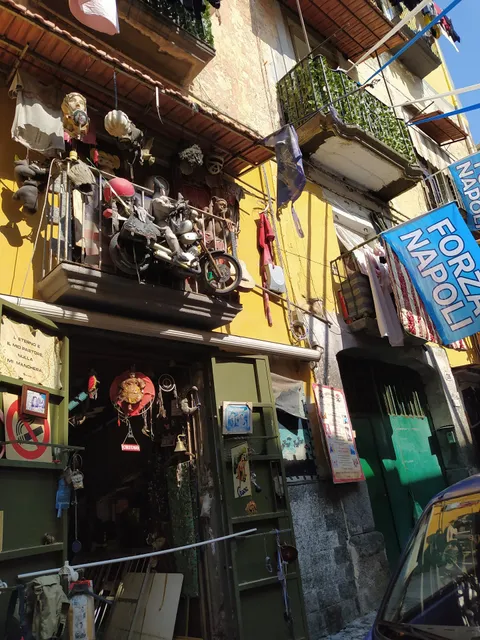
Mercato di Resina
4.2
(280)
Click for details

Santuario del Sacro Cuore
4.7
(72)
Click for details
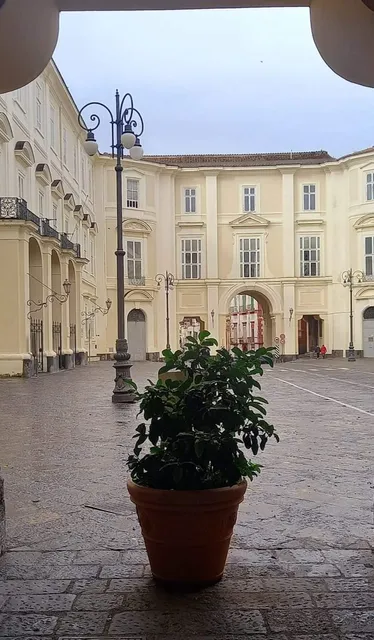
Reggia di Portici
4.5
(530)
Click for details