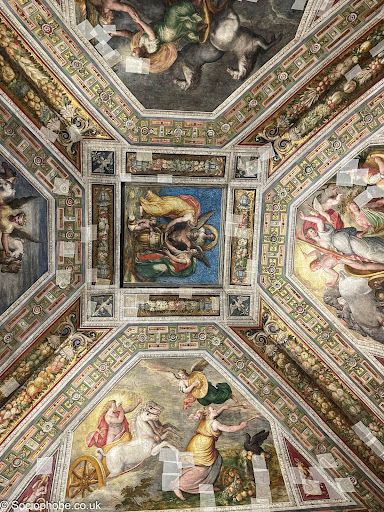
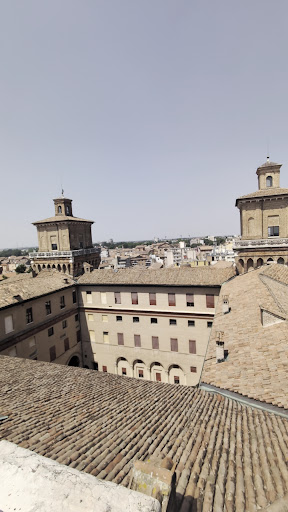
Este Castle things to do, attractions, restaurants, events info and trip planning
Basic Info
Este Castle
L.go Castello, 1, 44121 Ferrara FE, Italy
4.6(12.5K)
Open until 12:00 AM

tickets
Save
spot
spot
Ratings & Description
Info
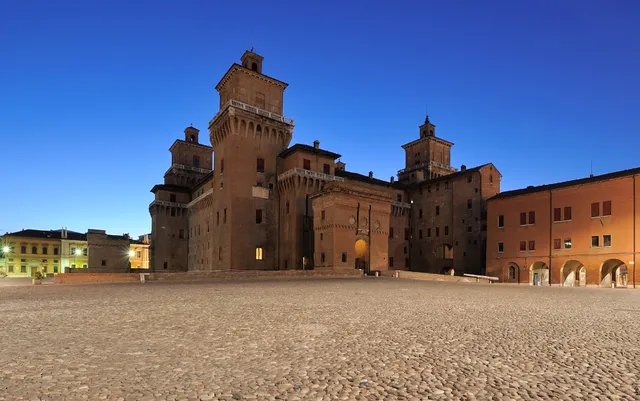
The Castello Estense or castello di San Michele is a moated medieval castle in the center of Ferrara, northern Italy. It consists of a large block with four corner towers.
Cultural
Family friendly
attractions: Teatro Comunale di Ferrara, Rotonda Foschini, Giardino delle Duchesse, Sala Estense, Centro Storico Ferrara, Civic Museum of Natural History of Ferrara, Cathedrals Museum, Volto del Cavallo, Palazzo Naselli Crispi, Church of Jesus, restaurants: Ristorante Hostaria Savonarola, Osteria I Quattro Angeli, Birraria Giori Dal 1881, Oi Mà - Food&Aperitifs, L'Antica Pizzeria Da Michele Ferrara, Ristorante Duca D'Este, Locanda 22, The Lab - Food to Feel, Al Brindisi, Osteria Della Campana, local businesses: Cathedral of Ferrara, Juice Ferrara Apple Premium Reseller, Feltrinelli Bookstores, Piazza Savonarola, Via Guglielmo degli Adelardi, 27, Despar Cavour Market, Libreria Libraccio Ferrara, Cinema Boldini, Star Shop Ferrara, BOUTIQUE D'ESSENCE - LUXURY PERFUMES -
 Learn more insights from Wanderboat AI.
Phone
+39 0532 419180
Website
castelloestense.it
Open hoursSee all hours
TueClosedOpen
Plan your stay

Pet-friendly Hotels in Ferrara
Find a cozy hotel nearby and make it a full experience.

Affordable Hotels in Ferrara
Find a cozy hotel nearby and make it a full experience.

The Coolest Hotels You Haven't Heard Of (Yet)
Find a cozy hotel nearby and make it a full experience.

Trending Stays Worth the Hype in Ferrara
Find a cozy hotel nearby and make it a full experience.
Reviews
Live events
Candlelight: Il meglio di Ennio Morricone
Sat, Feb 28 • 9:30 PM
Via Darsena, 57, Ferrara, 44122
View details

Corso Base di Fotografia a Ferrara
Tue, Feb 24 • 7:30 PM
79 Via Annibale Zucchini 44122 Ferrara
View details

Torneo Local Retro Format Yu-Gi-Oh!
Tue, Feb 24 • 9:30 PM
Corso Porta Reno 33 44121 Ferrara
View details
Nearby attractions of Este Castle
Teatro Comunale di Ferrara
Rotonda Foschini
Giardino delle Duchesse
Sala Estense
Centro Storico Ferrara
Civic Museum of Natural History of Ferrara
Cathedrals Museum
Volto del Cavallo
Palazzo Naselli Crispi
Church of Jesus
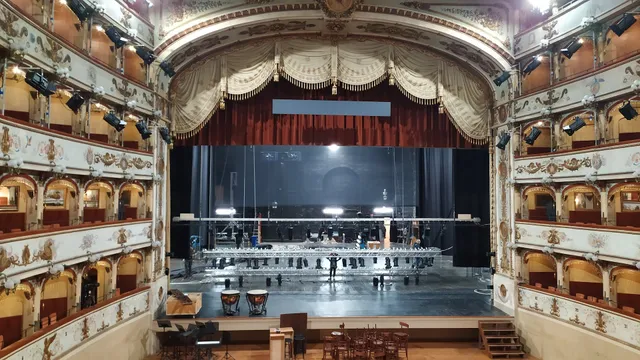
Teatro Comunale di Ferrara
4.7
(1.0K)
Open 24 hours
Click for details
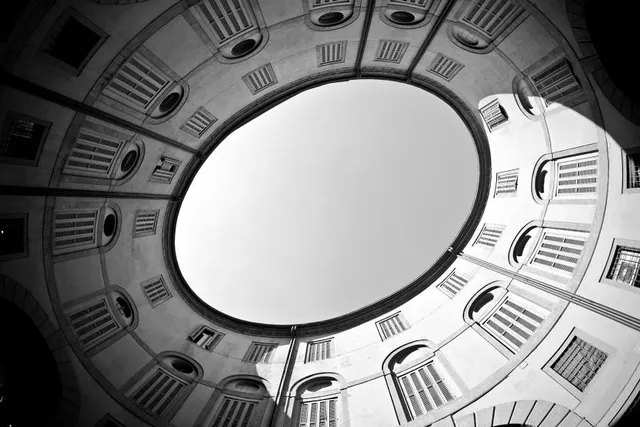
Rotonda Foschini
4.6
(273)
Open until 12:00 AM
Click for details
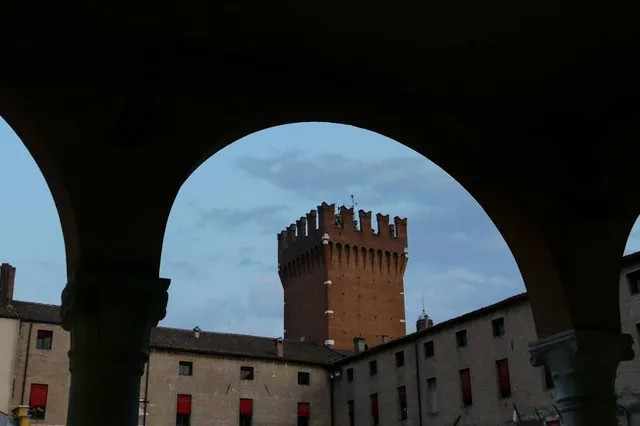
Giardino delle Duchesse
4.4
(226)
Open 24 hours
Click for details
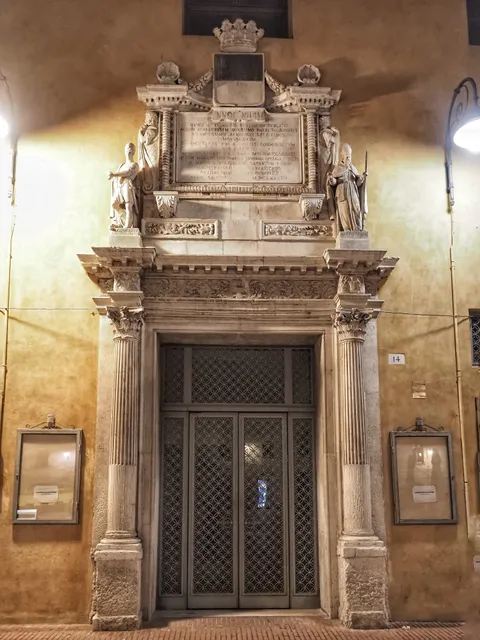
Sala Estense
4.3
(278)
Open 24 hours
Click for details
Nearby restaurants of Este Castle
Ristorante Hostaria Savonarola
Osteria I Quattro Angeli
Birraria Giori Dal 1881
Oi Mà - Food&Aperitifs
L'Antica Pizzeria Da Michele Ferrara
Ristorante Duca D'Este
Locanda 22
The Lab - Food to Feel
Al Brindisi
Osteria Della Campana
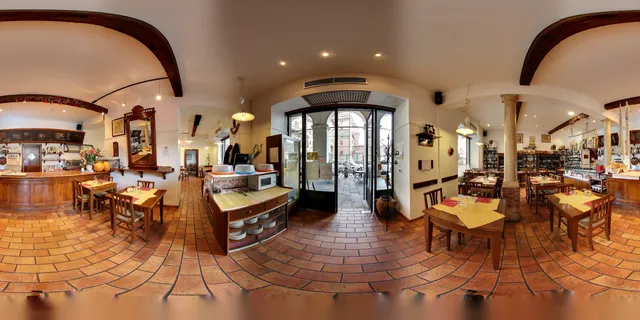
Ristorante Hostaria Savonarola
4.5
(2.3K)
Open until 12:00 AM
Click for details
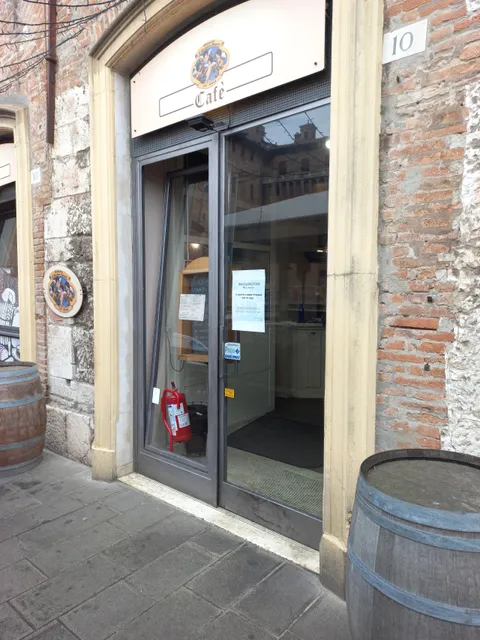
Osteria I Quattro Angeli
4.2
(941)
Open until 12:00 AM
Click for details
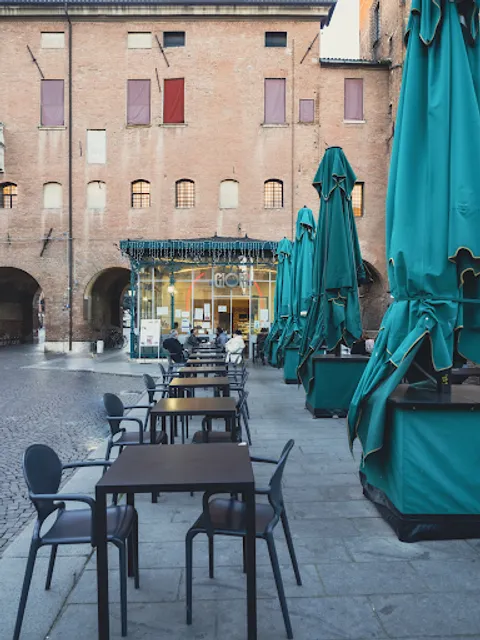
Birraria Giori Dal 1881
3.9
(505)
Open until 12:00 AM
Click for details

Oi Mà - Food&Aperitifs
4.9
(12)
Open until 10:00 PM
Click for details
Nearby local services of Este Castle
Cathedral of Ferrara
Juice Ferrara Apple Premium Reseller
Feltrinelli Bookstores
Piazza Savonarola
Via Guglielmo degli Adelardi, 27
Despar Cavour Market
Libreria Libraccio Ferrara
Cinema Boldini
Star Shop Ferrara
BOUTIQUE D'ESSENCE - LUXURY PERFUMES -
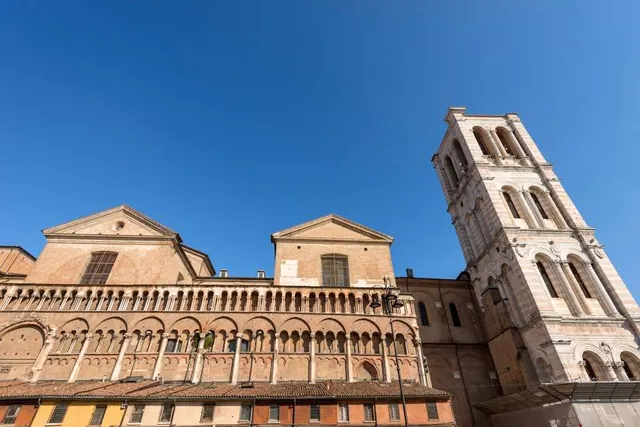
Cathedral of Ferrara
4.5
(3.1K)
Click for details
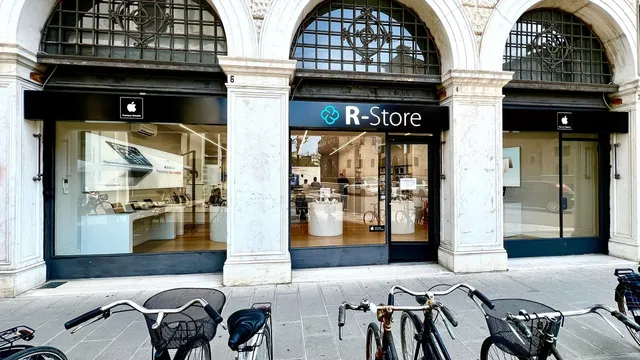
Juice Ferrara Apple Premium Reseller
4.7
(481)
Click for details
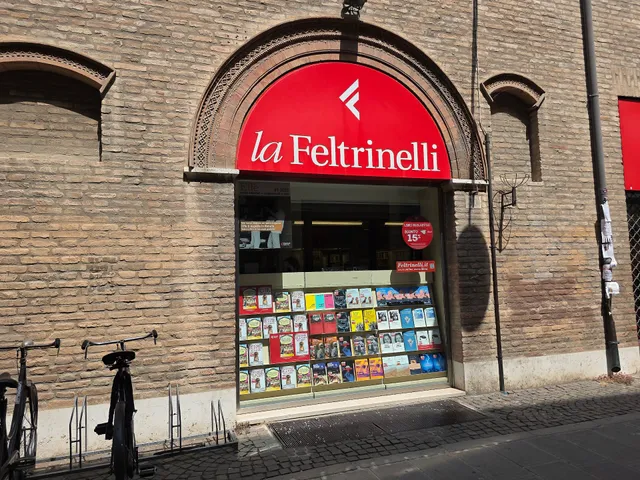
Feltrinelli Bookstores
4.5
(860)
Click for details
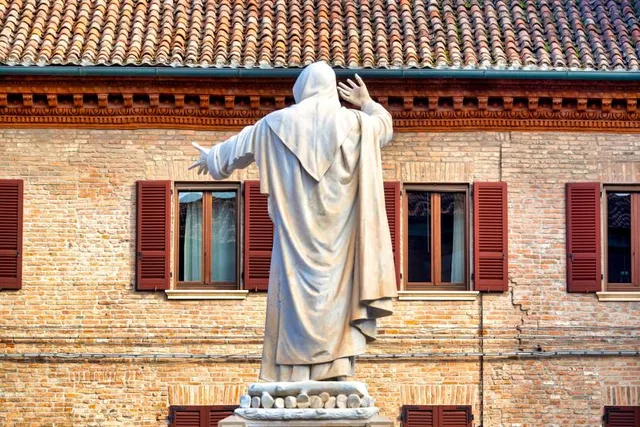
Piazza Savonarola
4.6
(233)
Click for details