Cenacolo di Andrea del Sarto things to do, attractions, restaurants, events info and trip planning
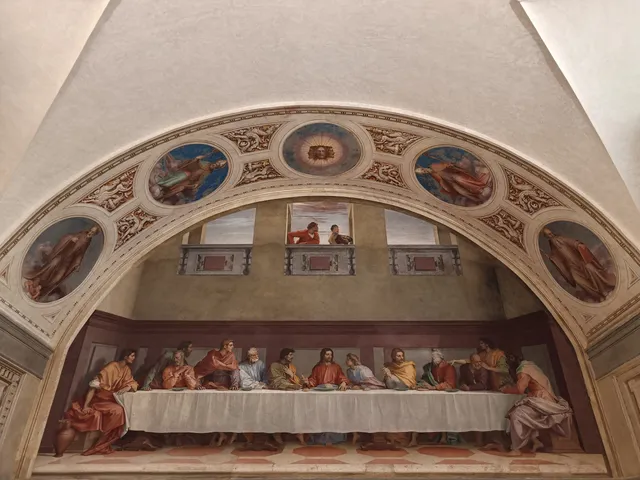
Basic Info
Cenacolo di Andrea del Sarto
Via di S. Salvi, 16, 50135 Firenze FI, Italy
4.8(124)
Open until 12:00 AM

tickets
Save
spot
spot
Ratings & Description
Info
Cultural
Accessibility
attractions: Artemio Franchi Stadium, Teatro Cartiere Carrara, Wellness Firenze Marathon, Luigi Ridolfi Stadium 🏟, Sport Clinic Center, Parco dell'Albereta, restaurants: Taverna Dei Matti, L'angolo del mare, PiazzaDelVino / Bistrò Magazzino 84 ComfortFood, Green Store Pub - La Guerrina, Jazz Bistrot - JB7 - Ristorante Caffetteria Pasticceria Pizzeria, Pallaio, Sangelato, Giumella Gastronomia Vegana, Il Povero Pesce, Pizza Man, local businesses: Ganzaroli Hobby, Cinema Fiorella, Nelson Mandela Forum, L'Arcipelago, gamelife, EXPERT FIRENZE, Asus Gold Store Firenze - Tradeco s.r.l., Pasticceria Noisette, Cinema Multisala “Il Portico”, Nelson Mandela Forum
 Learn more insights from Wanderboat AI.
Phone
+39 055 051 7211
Website
cultura.gov.it
Open hoursSee all hours
Tue8:30 AM - 1:20 PMOpen
Plan your stay

Pet-friendly Hotels in Florence
Find a cozy hotel nearby and make it a full experience.

Affordable Hotels in Florence
Find a cozy hotel nearby and make it a full experience.

The Coolest Hotels You Haven't Heard Of (Yet)
Find a cozy hotel nearby and make it a full experience.

Trending Stays Worth the Hype in Florence
Find a cozy hotel nearby and make it a full experience.
Reviews
Live events

The Jury Experience: morte per mano dell’IA. Chi paga il prezzo?
Sat, Feb 28 • 4:00 PM
Largo Piero Farulli, 1, 50014 Fiesole (FI), 50014
View details
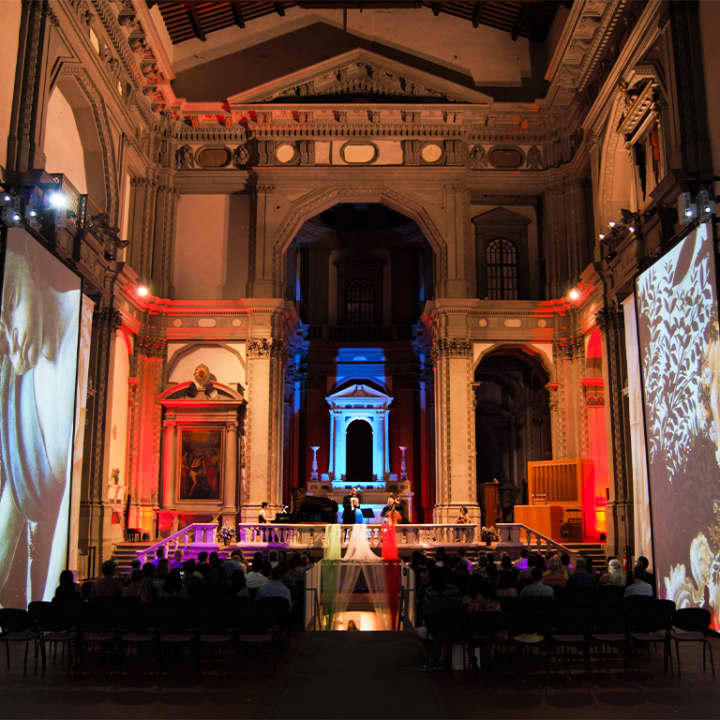
Opera in Roma: Three Tenors - Nessun Dorma Cattedrale dellImmagine
Tue, Feb 24 • 8:30 PM
Piazza di Santo Stefano, 5, Firenze, 50122
View details
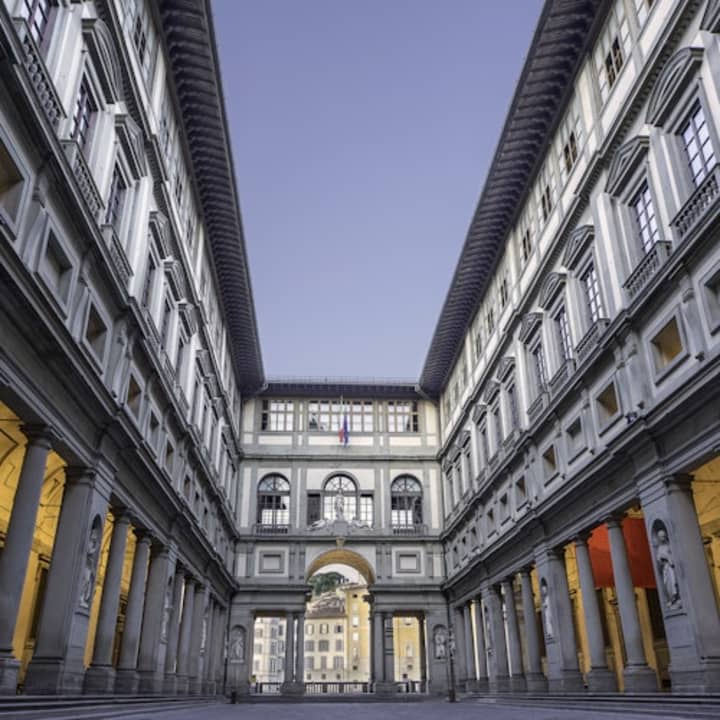
Galleria degli Uffizi, Palazzo Pitti e Giardino di Boboli: Ingresso riservato + audioguida
Tue, Feb 24 • 9:00 AM
Piazzale degli Uffizi, 6, Firenze, 50122
View details
Nearby attractions of Cenacolo di Andrea del Sarto
Artemio Franchi Stadium
Teatro Cartiere Carrara
Wellness Firenze Marathon
Luigi Ridolfi Stadium 🏟
Sport Clinic Center
Parco dell'Albereta

Artemio Franchi Stadium
4.1
(4.6K)
Open 24 hours
Click for details

Teatro Cartiere Carrara
4.3
(2.7K)
Open 24 hours
Click for details

Wellness Firenze Marathon
4.4
(68)
Open until 9:30 PM
Click for details
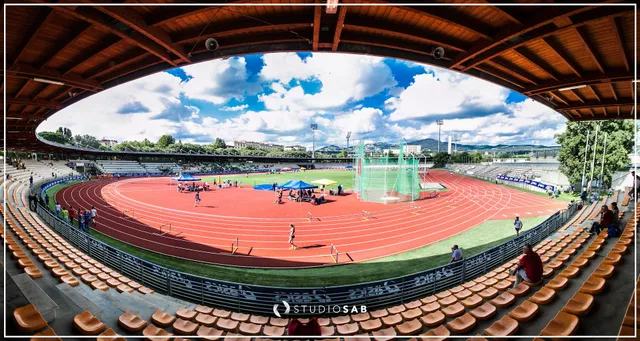
Luigi Ridolfi Stadium 🏟
4.5
(217)
Open 24 hours
Click for details
Nearby restaurants of Cenacolo di Andrea del Sarto
Taverna Dei Matti
L'angolo del mare
PiazzaDelVino / Bistrò Magazzino 84 ComfortFood
Green Store Pub - La Guerrina
Jazz Bistrot - JB7 - Ristorante Caffetteria Pasticceria Pizzeria
Pallaio
Sangelato
Giumella Gastronomia Vegana
Il Povero Pesce
Pizza Man
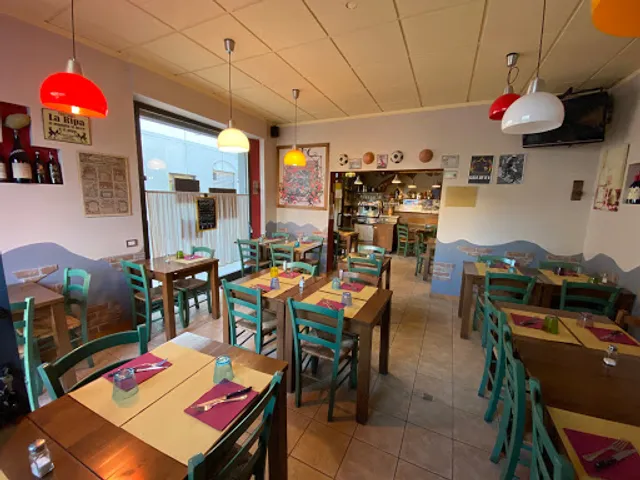
Taverna Dei Matti
4.3
(281)
Open until 3:00 PM
Click for details
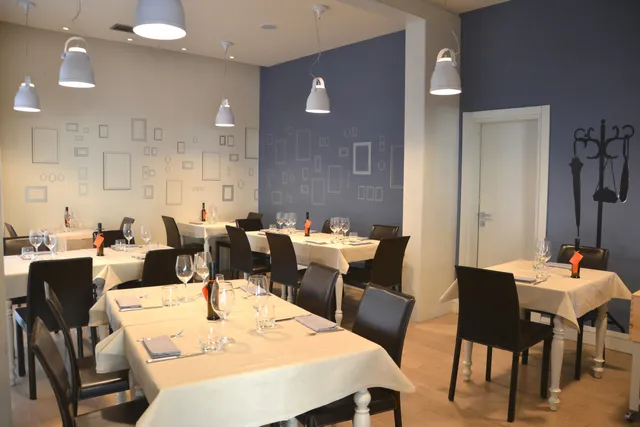
L'angolo del mare
4.6
(389)
$$$
Open until 2:30 PM
Click for details
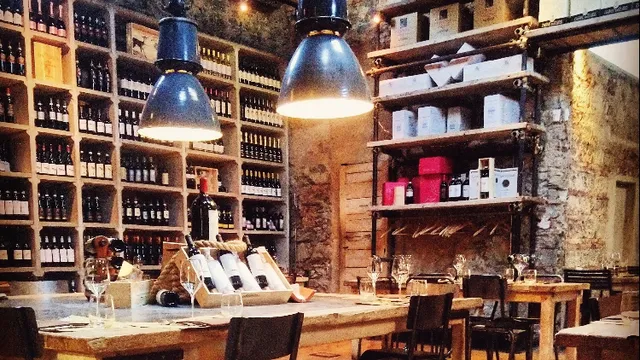
PiazzaDelVino / Bistrò Magazzino 84 ComfortFood
4.3
(421)
Click for details
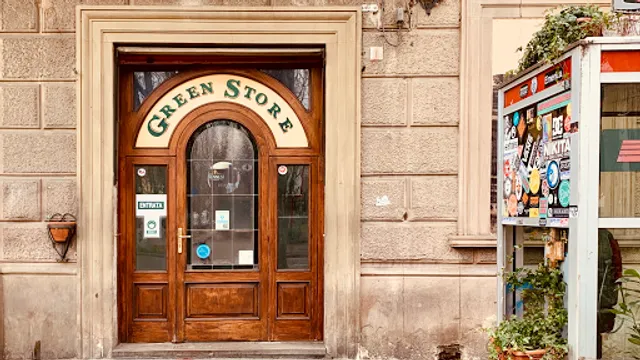
Green Store Pub - La Guerrina
4.5
(1.0K)
Click for details
Nearby local services of Cenacolo di Andrea del Sarto
Ganzaroli Hobby
Cinema Fiorella
Nelson Mandela Forum
L'Arcipelago
gamelife
EXPERT FIRENZE
Asus Gold Store Firenze - Tradeco s.r.l.
Pasticceria Noisette
Cinema Multisala “Il Portico”
Nelson Mandela Forum
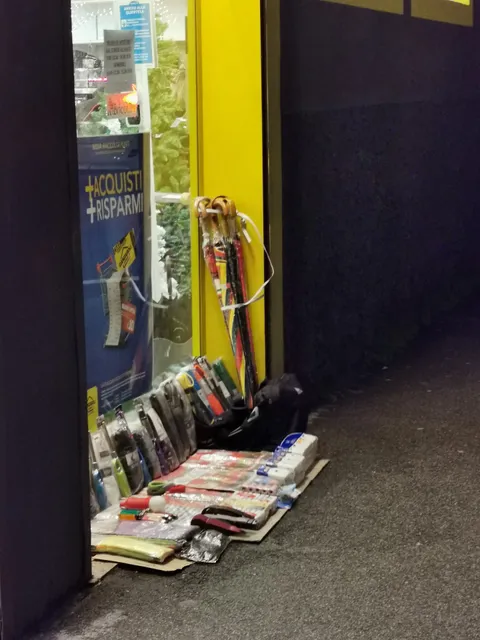
Ganzaroli Hobby
4.0
(709)
Click for details
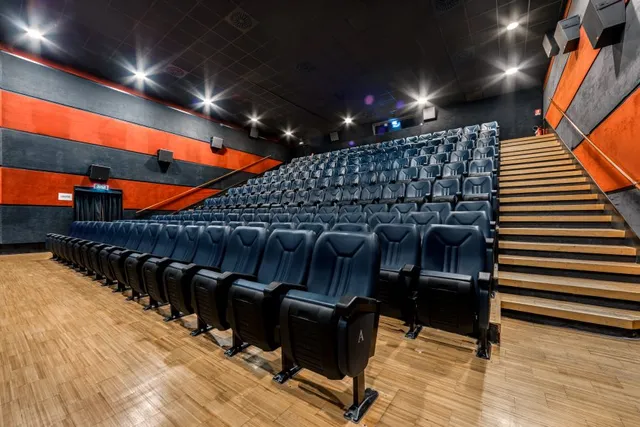
Cinema Fiorella
4.1
(484)
Click for details
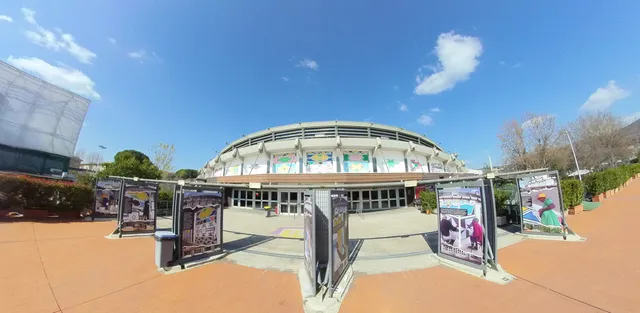
Nelson Mandela Forum
4.5
(4.8K)
Click for details
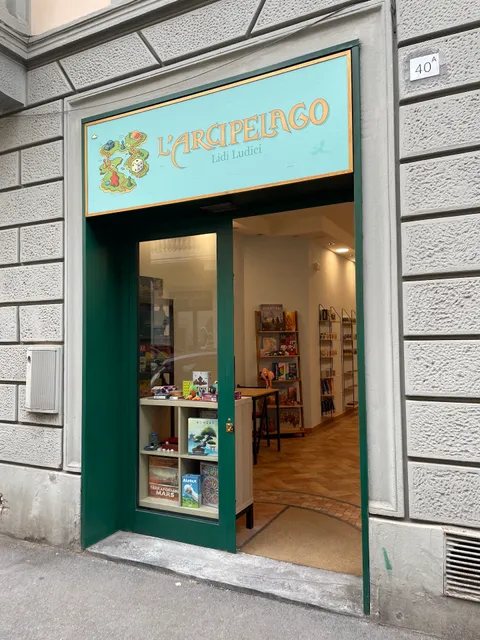
L'Arcipelago
5.0
(24)
Click for details