David of Michelangelo things to do, attractions, restaurants, events info and trip planning
Basic Info
David of Michelangelo
Via Ricasoli, 58/60, 50129 Firenze FI, Italy
4.9(7.6K)
Closed


tickets
Save
spot
spot
Ratings & Description
Info
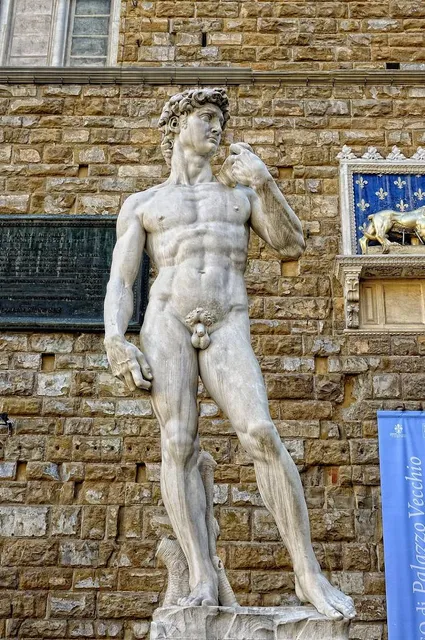
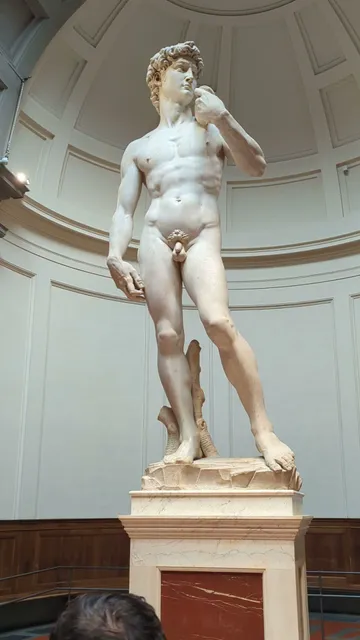
David is a masterpiece of Italian Renaissance sculpture, created from 1501 to 1504 by Michelangelo. With a height of 5.17 metres, the David was the first colossal marble statue made in the early modern period following classical antiquity, a precedent for the 16th century and beyond.
Cultural
Accessibility
attractions: Accademia Gallery, Museo Leonardo Da Vinci, Piazza San Marco, Piazza della Santissima Annunziata, Opificio delle Pietre Dure, Museo degli Innocenti, The SS. Annunziata di Firenze, National Archaeological Museum, Florence, San Marco Museum, Hospital of Innocents, restaurants: Antiche Dogane, Ristorante Rosso Crudo, Carabè Firenze, L'osteria Dell'ok 🇮🇹, Shake Café, Ristorante Accademia, Ricordi, La Cranceria, All'Antico Vinaio, Ristorante Cinese Tian Tian Hong, local businesses: Leonardo da Vinci Interactive Museum, The SS. Annunziata di Firenze, Florence Academy of Fine Arts, Flying Tiger Copenhagen, Piazza del Duomo, Made in Tuscany Firenze, Cinema La Compagnia, Museo de Historia Natural de Florencia, Zenio - Negozio e Laboratorio, Luigi Cherubini Conservatory of Music
 Learn more insights from Wanderboat AI.
Phone
+39 055 098 7100
Website
galleriaaccademiafirenze.it
Open hoursSee all hours
Wed8:15 a.m. - 6:20 p.m.Closed
Plan your stay

Pet-friendly Hotels in Florence
Find a cozy hotel nearby and make it a full experience.

Affordable Hotels in Florence
Find a cozy hotel nearby and make it a full experience.

The Coolest Hotels You Haven't Heard Of (Yet)
Find a cozy hotel nearby and make it a full experience.

Trending Stays Worth the Hype in Florence
Find a cozy hotel nearby and make it a full experience.
Reviews
Live events

The Jury Experience: morte per mano dell’IA. Chi paga il prezzo?
Sat, Feb 28 • 4:00 PM
Largo Piero Farulli, 1, 50014 Fiesole (FI), 50014
View details
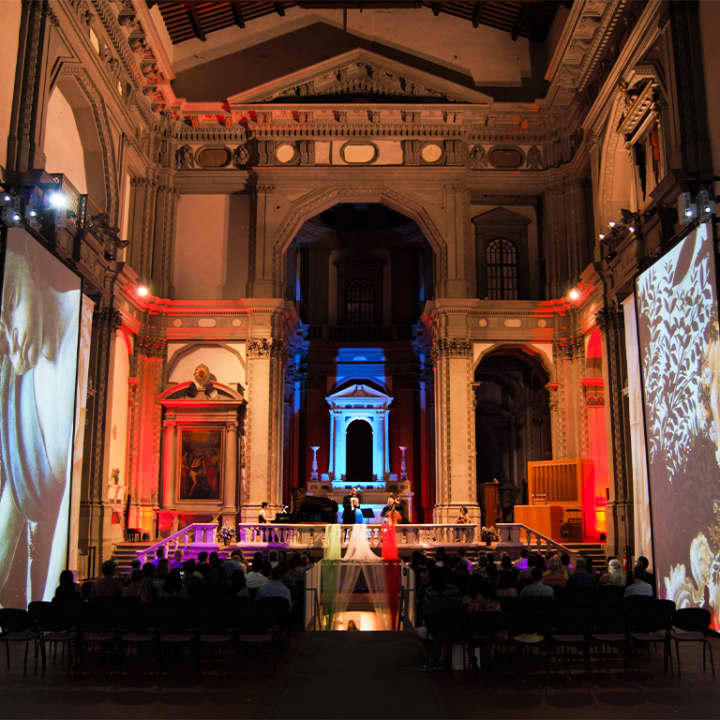
Opera in Roma: Three Tenors - Nessun Dorma Cattedrale dellImmagine
Fri, Feb 27 • 8:30 PM
Piazza di Santo Stefano, 5, Firenze, 50122
View details
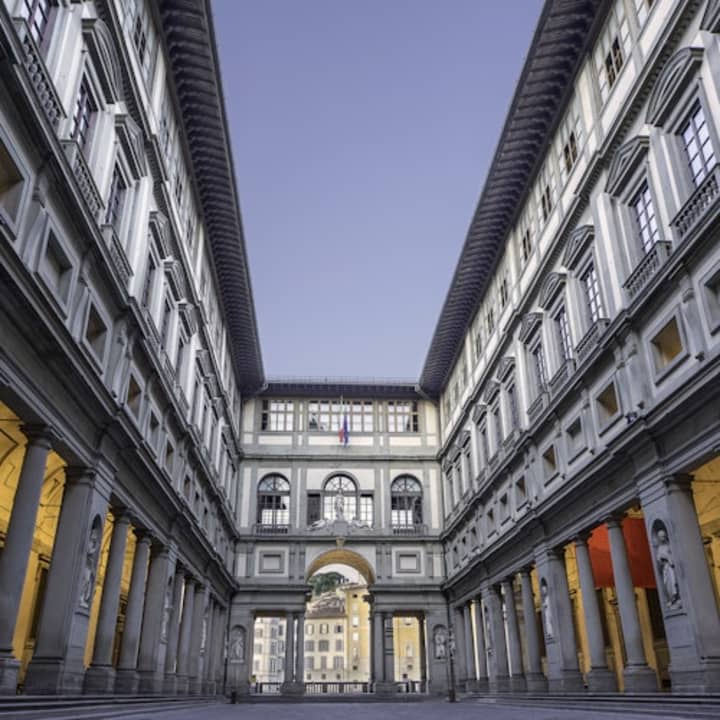
Galleria degli Uffizi, Palazzo Pitti e Giardino di Boboli: Ingresso riservato + audioguida
Wed, Feb 25 • 9:00 AM
Piazzale degli Uffizi, 6, Firenze, 50122
View details
Nearby attractions of David of Michelangelo
Accademia Gallery
Museo Leonardo Da Vinci
Piazza San Marco
Piazza della Santissima Annunziata
Opificio delle Pietre Dure
Museo degli Innocenti
The SS. Annunziata di Firenze
National Archaeological Museum, Florence
San Marco Museum
Hospital of Innocents
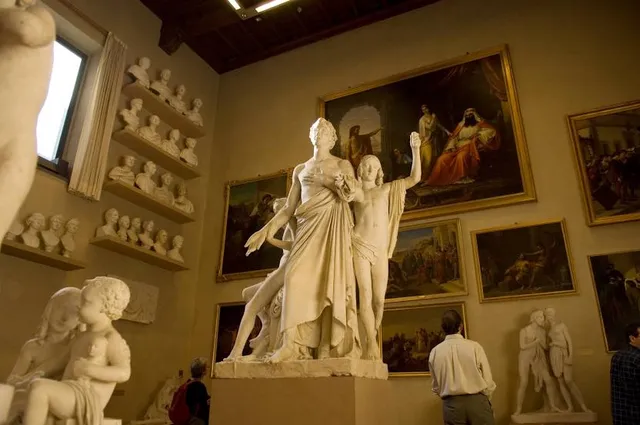
Accademia Gallery
4.6
(18.3K)
Closed
Click for details
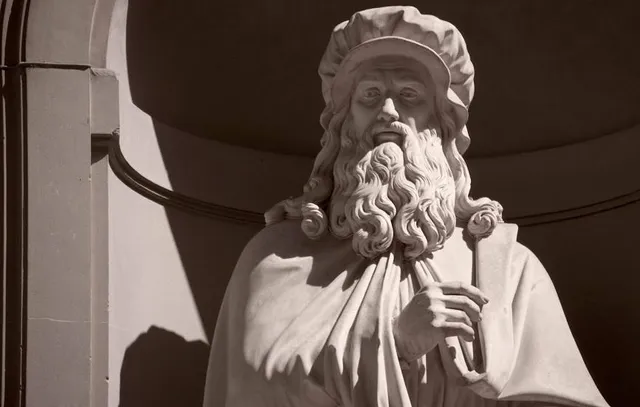
Museo Leonardo Da Vinci
4.7
(18K)
Closed
Click for details
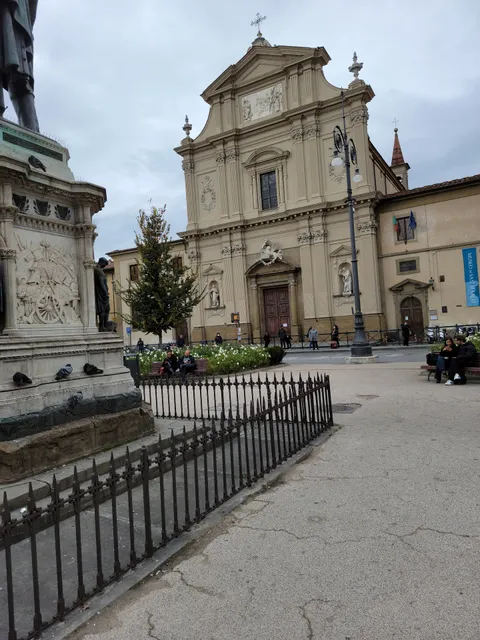
Piazza San Marco
4.4
(2.9K)
Open 24 hours
Click for details
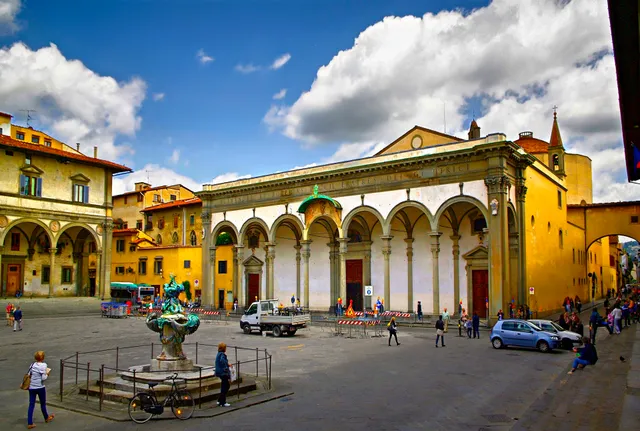
Piazza della Santissima Annunziata
4.6
(1.4K)
Open until 12:00 AM
Click for details
Nearby restaurants of David of Michelangelo
Antiche Dogane
Ristorante Rosso Crudo
Carabè Firenze
L'osteria Dell'ok 🇮🇹
Shake Café
Ristorante Accademia
Ricordi
La Cranceria
All'Antico Vinaio
Ristorante Cinese Tian Tian Hong

Antiche Dogane
4.8
(902)
$
Closed
Click for details
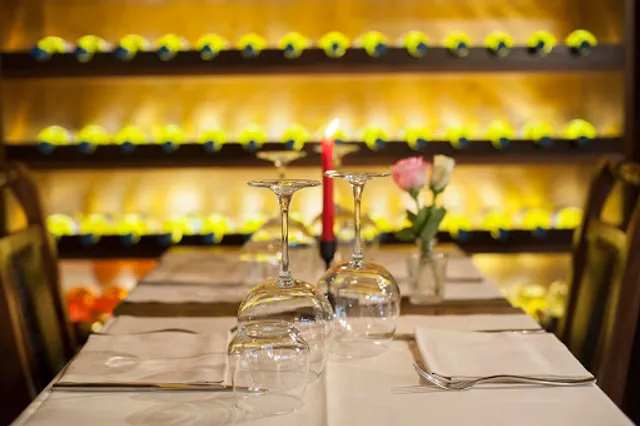
Ristorante Rosso Crudo
4.7
(1.0K)
Closed
Click for details
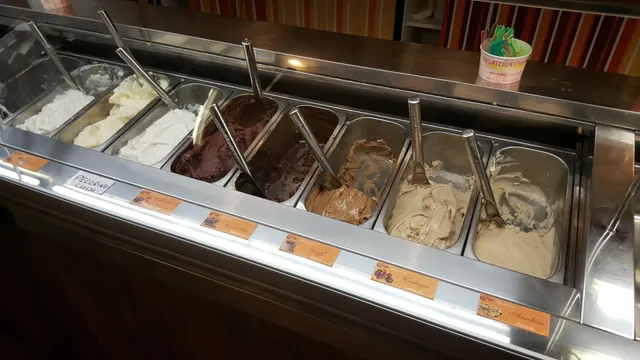
Carabè Firenze
4.6
(776)
$
Closed
Click for details
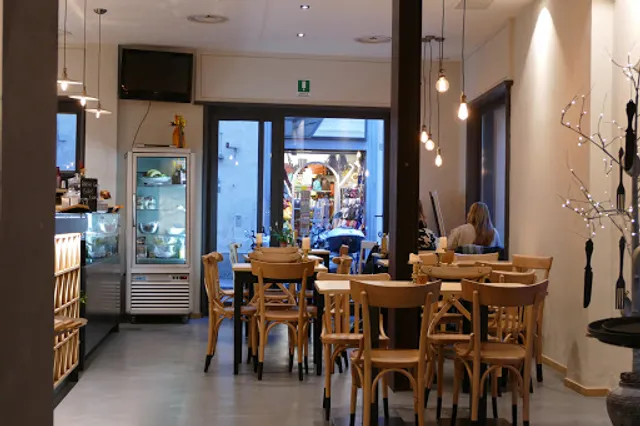
L'osteria Dell'ok 🇮🇹
4.3
(706)
$$
Closed
Click for details
Nearby local services of David of Michelangelo
Leonardo da Vinci Interactive Museum
The SS. Annunziata di Firenze
Florence Academy of Fine Arts
Flying Tiger Copenhagen
Piazza del Duomo
Made in Tuscany Firenze
Cinema La Compagnia
Museo de Historia Natural de Florencia
Zenio - Negozio e Laboratorio
Luigi Cherubini Conservatory of Music
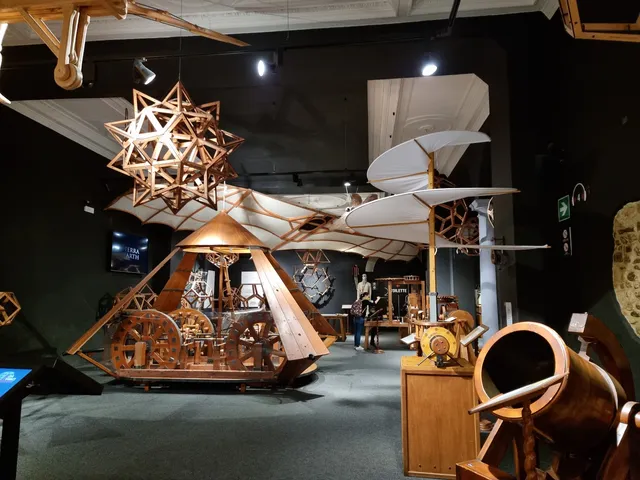
Leonardo da Vinci Interactive Museum
4.6
(7.6K)
Click for details
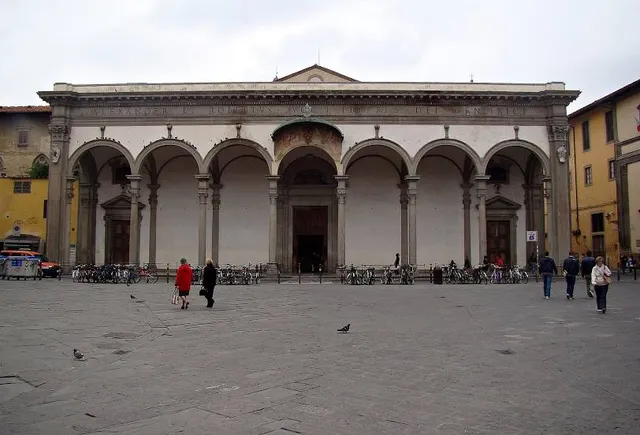
The SS. Annunziata di Firenze
4.8
(906)
Click for details
Florence Academy of Fine Arts
4.3
(187)
Click for details
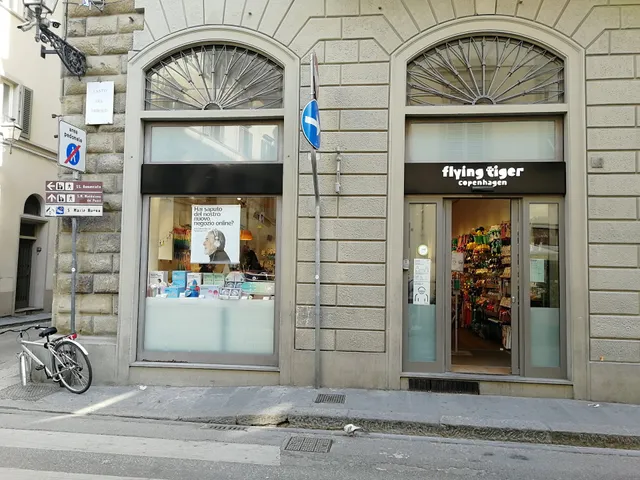
Flying Tiger Copenhagen
4.3
(570)
Click for details