Basilica of Santa Croce in Florence things to do, attractions, restaurants, events info and trip planning
Basic Info
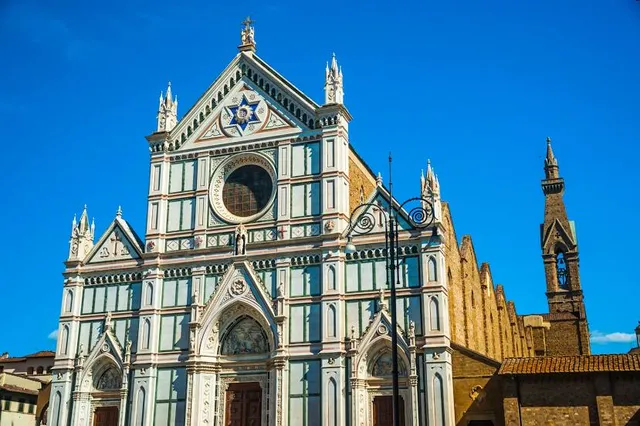
Basilica of Santa Croce in Florence
Piazza di Santa Croce, 16, 50122 Firenze FI, Italy
4.8(14.9K)
Closed


tickets
Save
spot
spot
Ratings & Description
Info
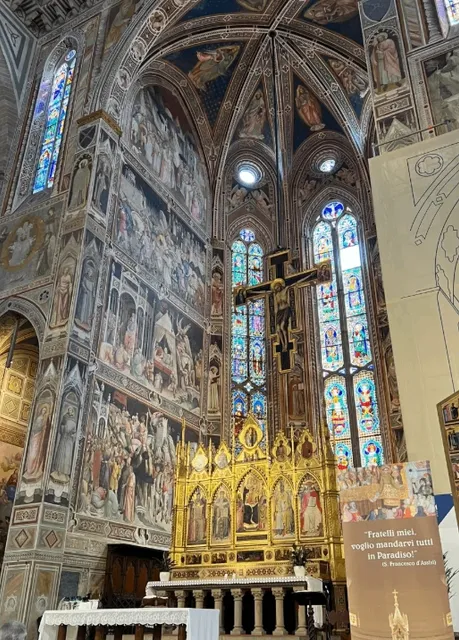
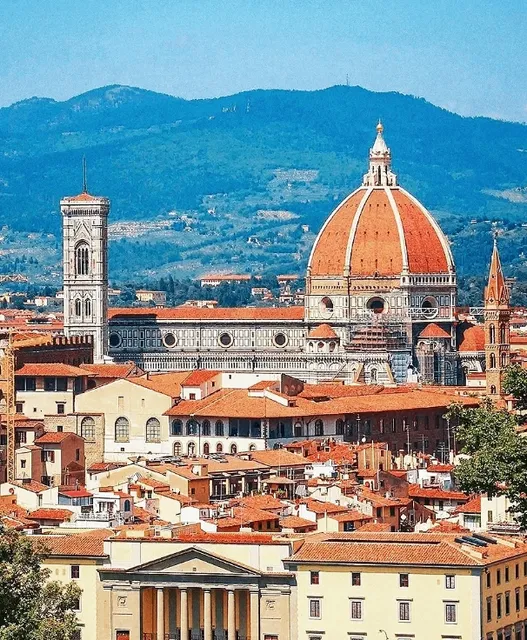
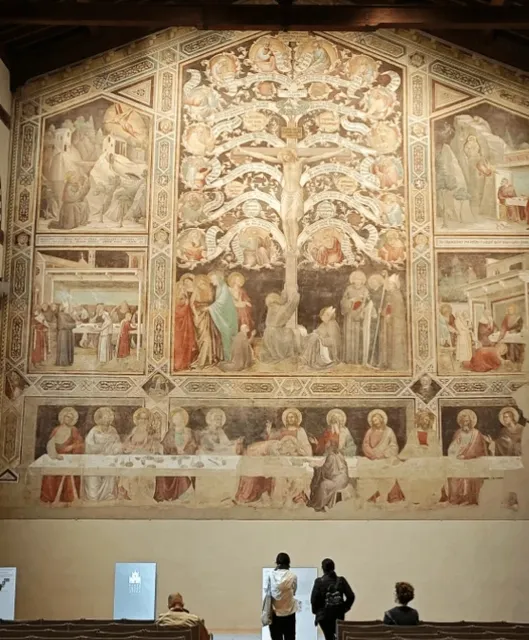
The Basilica di Santa Croce is a minor basilica and the principal Franciscan church of Florence, Italy. It is situated on the Piazza di Santa Croce, about 800 metres southeast of the Duomo, on what was once marshland beyond the city walls.
Cultural
Accessibility
attractions: Monument to Dante Alighieri, Verdi, Michelangelo Buonarroti Tomb, Casa Buonarroti, Tuscan Tour Guide, Florence National Central Library, Piazza della Signoria, Uffizi Gallery, Palazzo Vecchio, Mercato di Sant’Ambrogio, restaurants: Bisteccheria Santa Croce - Piazza Santa Croce Firenze, Finisterrae, Casa Toscana, Osteria San Fiorenzo, Ristorante Boccadama, Il Francescano Tavern, Baldovino Bistrot, Vivoli, Canto del Ramerino, Red Garter, local businesses: Roman Theatre, The Gold Corner, The Gold Market, Tuscan Wine Tours With Angie, Conad City, Souvenirs Di Cammelli L. E Marzi L. S.N.C., FF Tour. Shopping Tours in Florence, Milan, Rome, Venice, Pasta Class Florence | Florence Cooking Classes | Make your own pasta, Alfieri Cinema Bistro Theater Space, Peruzzi Firenze
 Learn more insights from Wanderboat AI.
Phone
+39 055 200 8789
Website
santacroceopera.it
Open hoursSee all hours
Mon9:30 AM - 5:30 PMClosed
Plan your stay

Pet-friendly Hotels in Florence
Find a cozy hotel nearby and make it a full experience.

Affordable Hotels in Florence
Find a cozy hotel nearby and make it a full experience.

The Coolest Hotels You Haven't Heard Of (Yet)
Find a cozy hotel nearby and make it a full experience.

Trending Stays Worth the Hype in Florence
Find a cozy hotel nearby and make it a full experience.
Reviews
Live events

My Farm - Wine, Pasta & Vineyard in One Day
Mon, Feb 23 • 9:15 AM
50124, Florence, Tuscany, Italy
View details

The Jury Experience: morte per mano dell’IA. Chi paga il prezzo?
Sat, Feb 28 • 4:00 PM
Largo Piero Farulli, 1, 50014 Fiesole (FI), 50014
View details
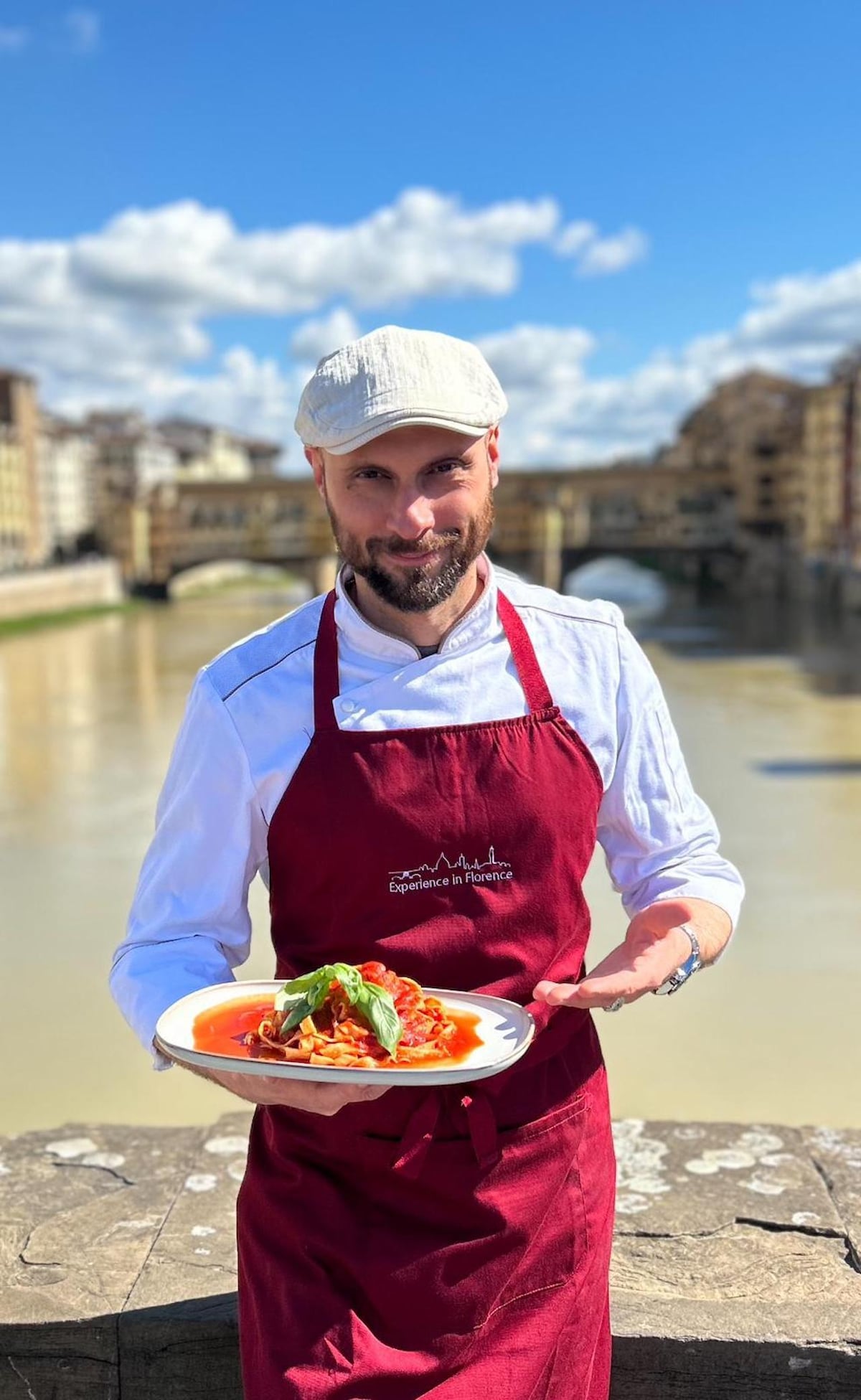
Pastamania - Pasta Class & Wine near Ponte Vecchio
Mon, Feb 23 • 10:00 AM
50125, Florence, Tuscany, Italy
View details
Nearby attractions of Basilica of Santa Croce in Florence
Monument to Dante Alighieri
Verdi
Michelangelo Buonarroti Tomb
Casa Buonarroti
Tuscan Tour Guide
Florence National Central Library
Piazza della Signoria
Uffizi Gallery
Palazzo Vecchio
Mercato di Sant’Ambrogio
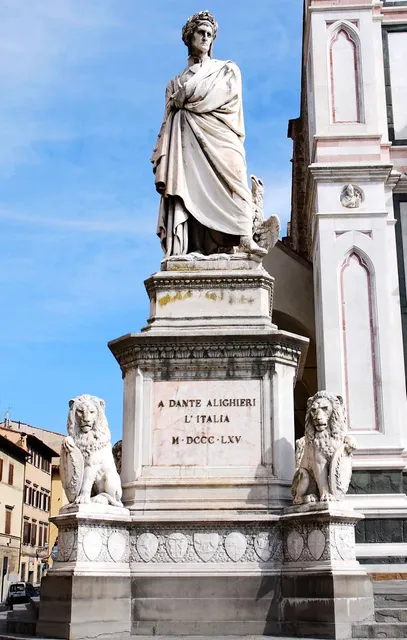
Monument to Dante Alighieri
4.7
(349)
Open until 12:00 AM
Click for details
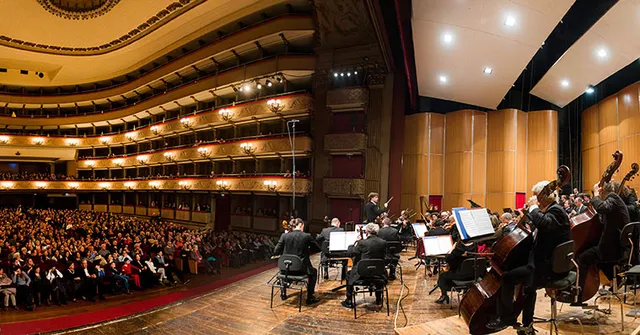
Verdi
4.5
(2.2K)
Open 24 hours
Click for details

Michelangelo Buonarroti Tomb
4.8
(161)
Open 24 hours
Click for details
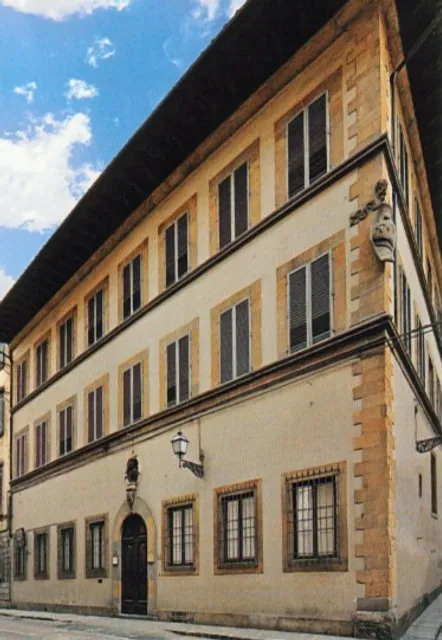
Casa Buonarroti
4.3
(460)
Closed
Click for details
Nearby restaurants of Basilica of Santa Croce in Florence
Bisteccheria Santa Croce - Piazza Santa Croce Firenze
Finisterrae
Casa Toscana
Osteria San Fiorenzo
Ristorante Boccadama
Il Francescano Tavern
Baldovino Bistrot
Vivoli
Canto del Ramerino
Red Garter
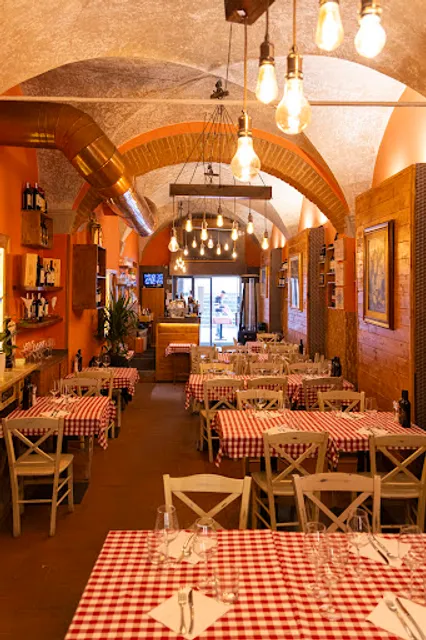
Bisteccheria Santa Croce - Piazza Santa Croce Firenze
4.7
(2K)
$$
Closed
Click for details
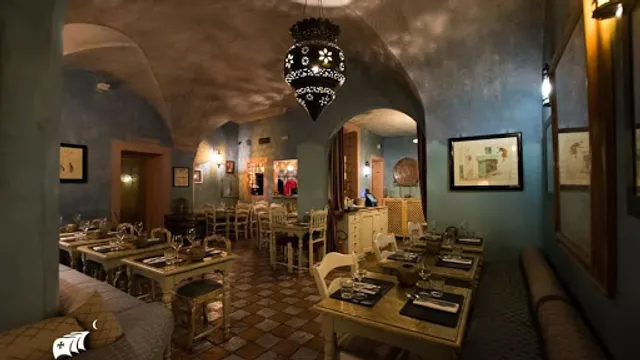
Finisterrae
4.4
(927)
$$
Closed
Click for details
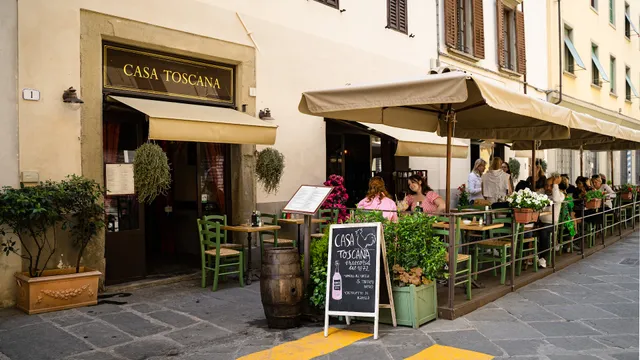
Casa Toscana
4.5
(1.2K)
Closed
Click for details
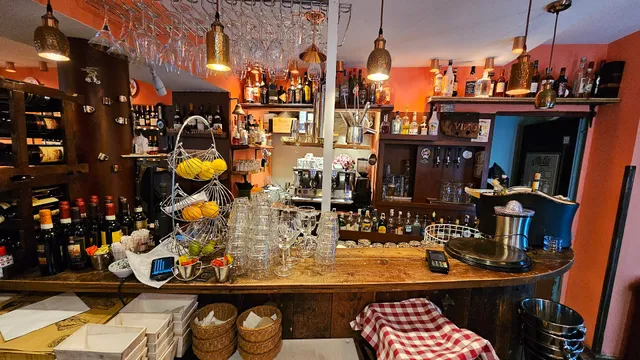
Osteria San Fiorenzo
4.8
(2.1K)
$$
Closed
Click for details
Nearby local services of Basilica of Santa Croce in Florence
Roman Theatre
The Gold Corner
The Gold Market
Tuscan Wine Tours With Angie
Conad City
Souvenirs Di Cammelli L. E Marzi L. S.N.C.
FF Tour. Shopping Tours in Florence, Milan, Rome, Venice
Pasta Class Florence | Florence Cooking Classes | Make your own pasta
Alfieri Cinema Bistro Theater Space
Peruzzi Firenze
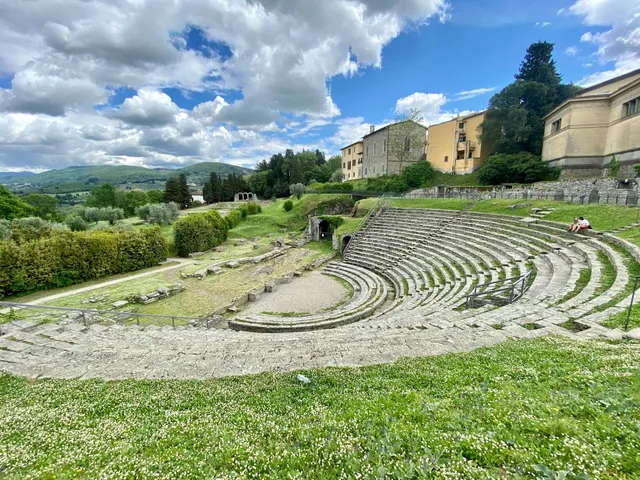
Roman Theatre
4.5
(1.1K)
Click for details
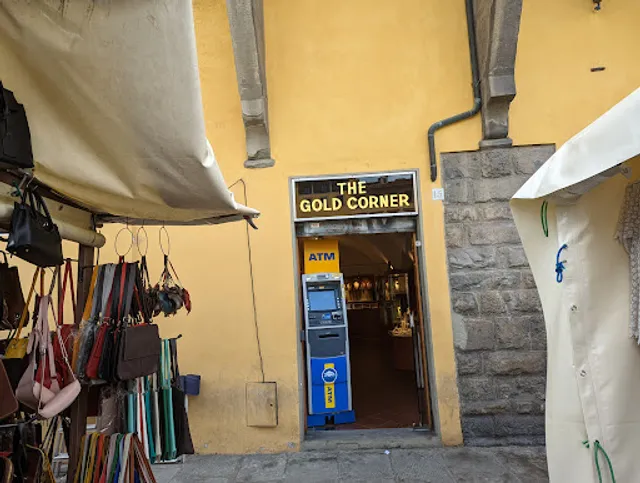
The Gold Corner
4.5
(48)
Click for details

The Gold Market
4.3
(71)
Click for details
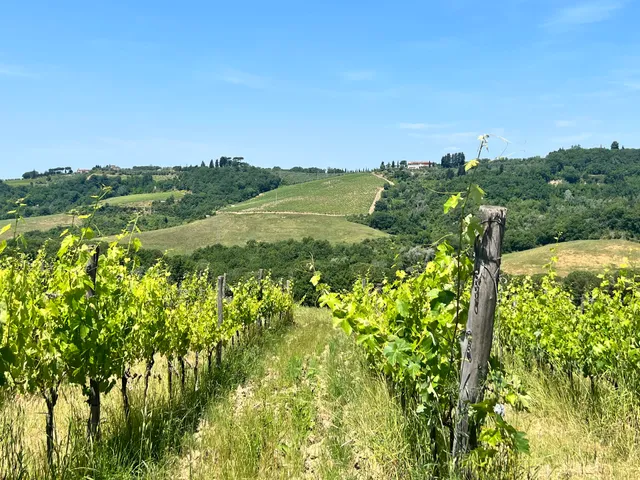
Tuscan Wine Tours With Angie
5.0
(280)
Click for details