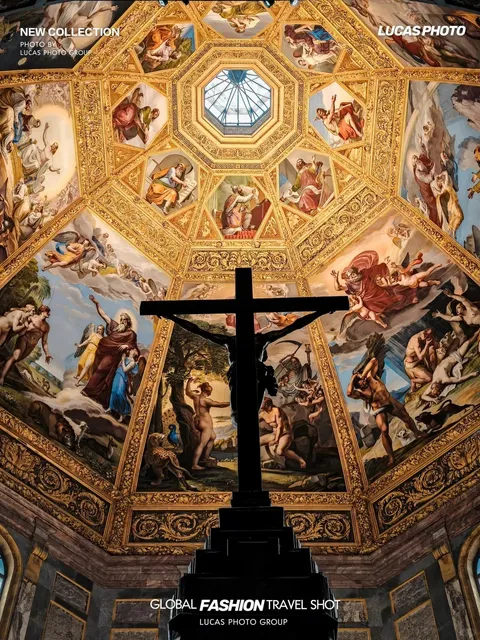
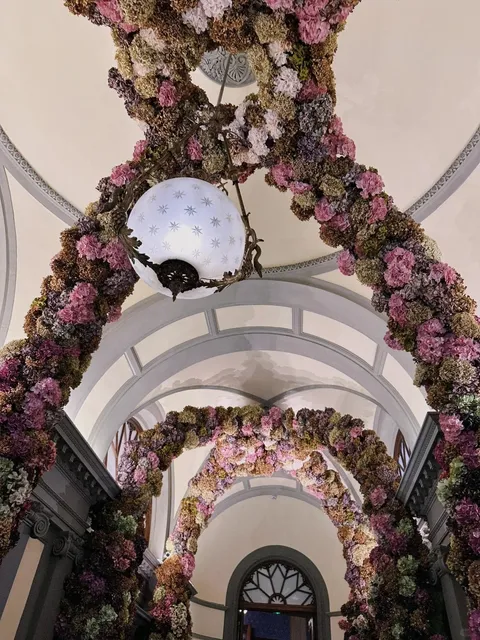
Basilica of Santa Maria Novella things to do, attractions, restaurants, events info and trip planning
Basic Info
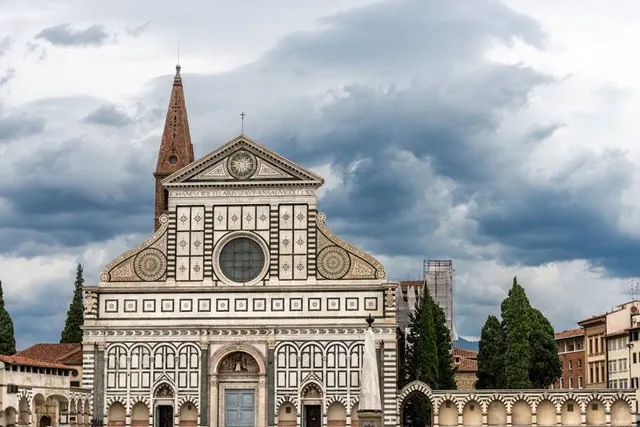
Basilica of Santa Maria Novella
P.za di Santa Maria Novella, 18, 50123 Firenze FI, Italy
4.7(11.8K)
Open until 5:30 PM


tickets
Save
spot
spot
Ratings & Description
Info
Santa Maria Novella is a church in Florence, Italy, situated opposite, and lending its name to, the city's main railway station. Chronologically, it is the first great basilica in Florence, and is the city's principal Dominican church.
Cultural
Accessibility
attractions: Officina Profumo - Farmaceutica di Santa Maria Novella, Museum of Santa Maria Novella, Museo Novecento, Firenze Welcome Center, Cappelle Medicee, Piazza del Duomo, Basilica di San Lorenzo, Cathedral of Santa Maria del Fiore, Strozzi Palace, Strozzi Palace, restaurants: Rooster Cafe Firenze - Faenza, Il Greco Firenze, Giotto Pizzeria Firenze, Ristorante Storico Sabatini, Shake Café, Osteria Pastella, B-Roof, Il Santa Maria Ristorante Steakhouse, Ristorante Lorenzo de’ Medici, Trattoria Osteria Dall'Oste SMN, local businesses: il Mercato Centrale Firenze, Conad City, Museo HZERO, Cortese Café - Pasticceria e gelateria, raw, vegan, bio e gluten free, Galleria Commerciale Santa Maria Novella, Vivi Market snc, Cappella Tornabuoni, Kiko Milano, Piazza del Duomo, Via delle Belle Donne, 16R
 Learn more insights from Wanderboat AI.
Phone
+39 055 219257
Website
smn.it
Open hoursSee all hours
Tue9 AM - 5:30 PMOpen
Plan your stay

Pet-friendly Hotels in Florence
Find a cozy hotel nearby and make it a full experience.

Affordable Hotels in Florence
Find a cozy hotel nearby and make it a full experience.

The Coolest Hotels You Haven't Heard Of (Yet)
Find a cozy hotel nearby and make it a full experience.

Trending Stays Worth the Hype in Florence
Find a cozy hotel nearby and make it a full experience.
Reviews
Live events

The Jury Experience: morte per mano dell’IA. Chi paga il prezzo?
Sat, Feb 28 • 4:00 PM
Largo Piero Farulli, 1, 50014 Fiesole (FI), 50014
View details
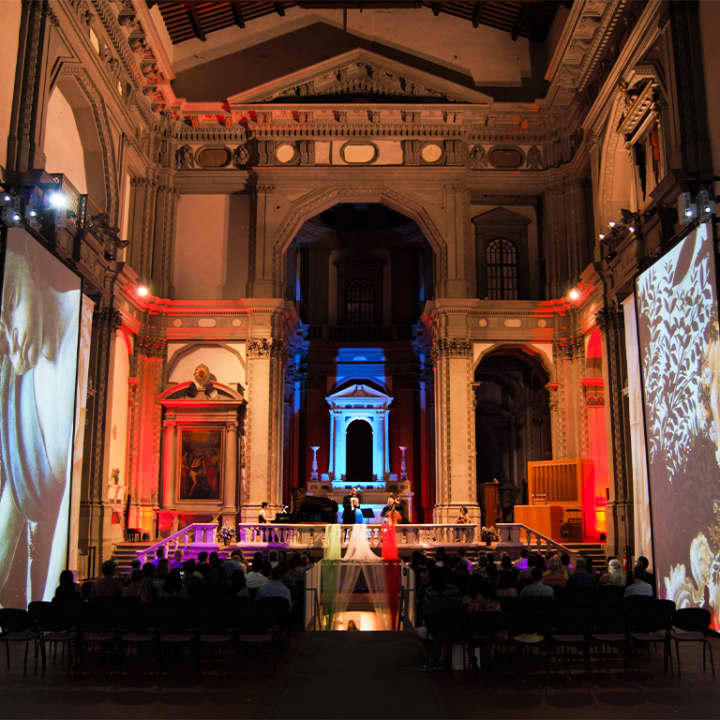
Opera in Roma: Three Tenors - Nessun Dorma Cattedrale dellImmagine
Tue, Feb 24 • 8:30 PM
Piazza di Santo Stefano, 5, Firenze, 50122
View details
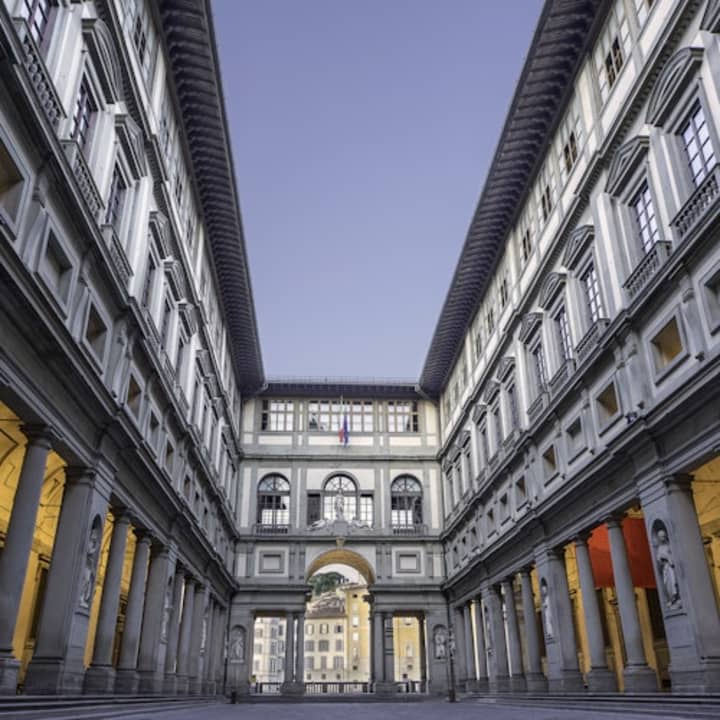
Galleria degli Uffizi, Palazzo Pitti e Giardino di Boboli: Ingresso riservato + audioguida
Tue, Feb 24 • 9:00 AM
Piazzale degli Uffizi, 6, Firenze, 50122
View details
Nearby attractions of Basilica of Santa Maria Novella
Officina Profumo - Farmaceutica di Santa Maria Novella
Museum of Santa Maria Novella
Museo Novecento
Firenze Welcome Center
Cappelle Medicee
Piazza del Duomo
Basilica di San Lorenzo
Cathedral of Santa Maria del Fiore
Strozzi Palace
Strozzi Palace
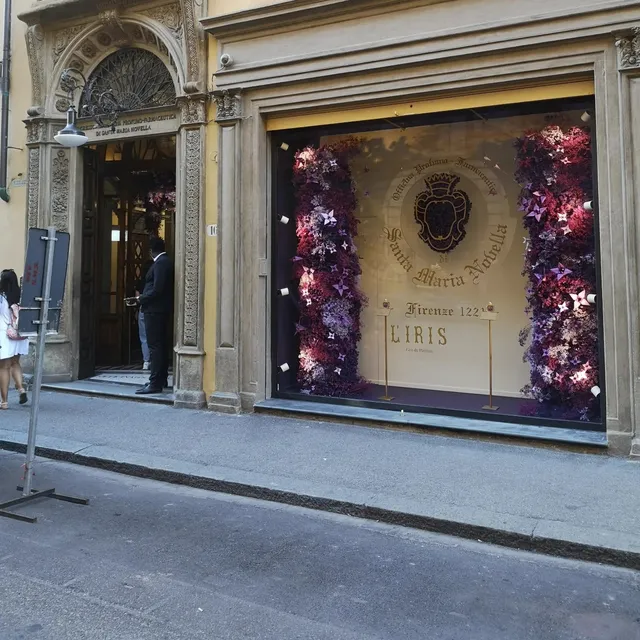
Officina Profumo - Farmaceutica di Santa Maria Novella
4.6
(1.4K)
Open until 8:00 PM
Click for details
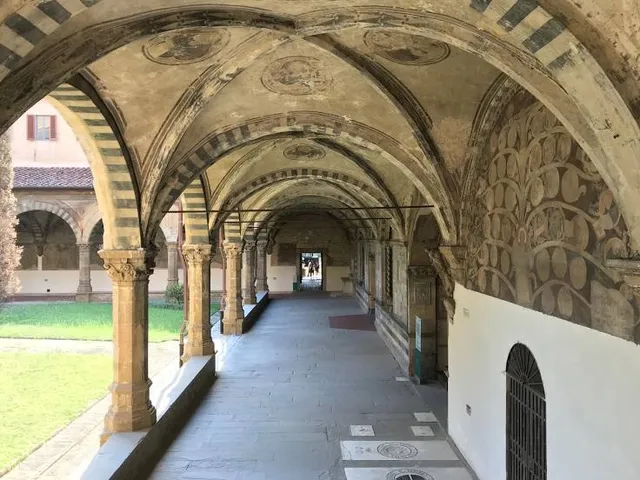
Museum of Santa Maria Novella
4.6
(104)
Open until 5:00 PM
Click for details
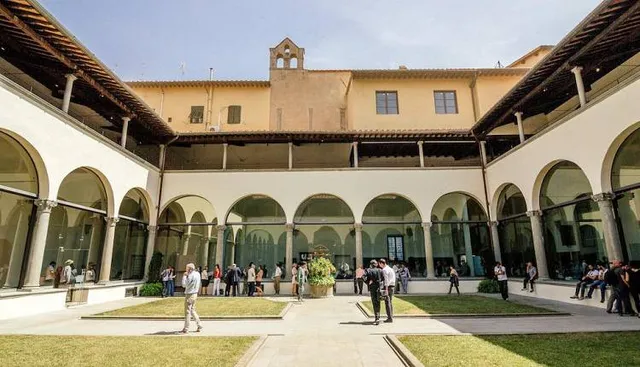
Museo Novecento
4.0
(828)
Open until 8:00 PM
Click for details

Firenze Welcome Center
4.0
(184)
Open until 7:00 PM
Click for details
Nearby restaurants of Basilica of Santa Maria Novella
Rooster Cafe Firenze - Faenza
Il Greco Firenze
Giotto Pizzeria Firenze
Ristorante Storico Sabatini
Shake Café
Osteria Pastella
B-Roof
Il Santa Maria Ristorante Steakhouse
Ristorante Lorenzo de’ Medici
Trattoria Osteria Dall'Oste SMN

Rooster Cafe Firenze - Faenza
4.9
(237)
Open until 12:00 AM
Click for details

Il Greco Firenze
4.8
(64)
Open until 12:00 AM
Click for details
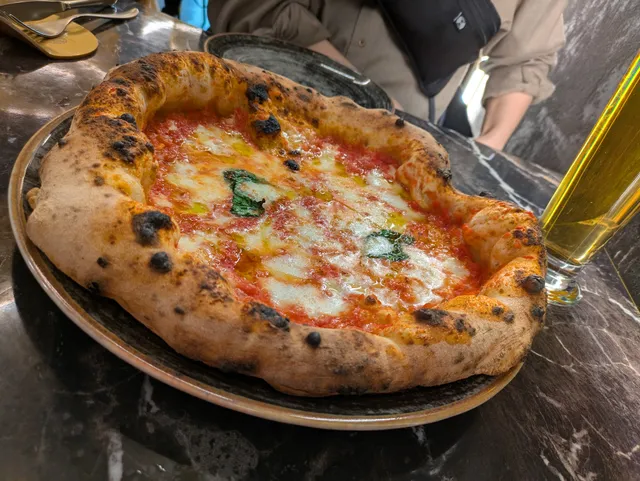
Giotto Pizzeria Firenze
4.4
(1.2K)
Open until 11:00 PM
Click for details
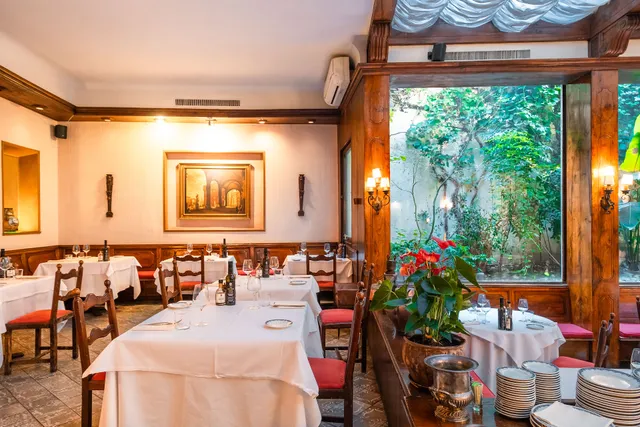
Ristorante Storico Sabatini
4.5
(1.7K)
$$
Open until 11:00 PM
Click for details
Nearby local services of Basilica of Santa Maria Novella
il Mercato Centrale Firenze
Conad City
Museo HZERO
Cortese Café - Pasticceria e gelateria, raw, vegan, bio e gluten free
Galleria Commerciale Santa Maria Novella
Vivi Market snc
Cappella Tornabuoni
Kiko Milano
Piazza del Duomo
Via delle Belle Donne, 16R
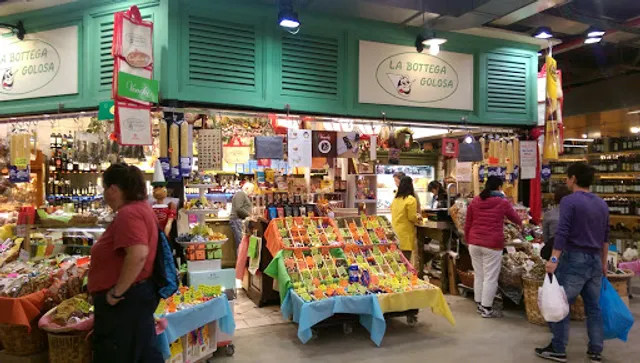
il Mercato Centrale Firenze
4.4
(19.6K)
Click for details
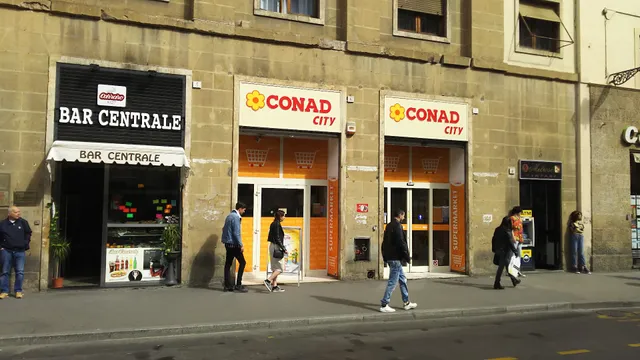
Conad City
4.0
(591)
Click for details
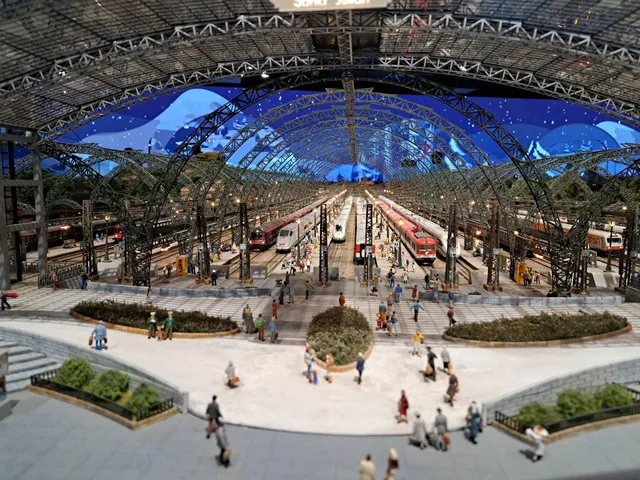
Museo HZERO
4.8
(722)
Click for details
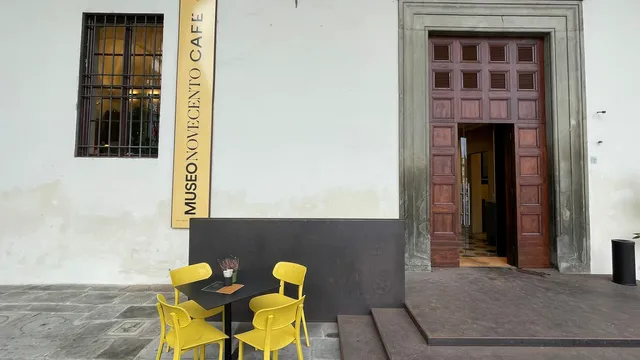
Cortese Café - Pasticceria e gelateria, raw, vegan, bio e gluten free
4.5
(326)
Click for details