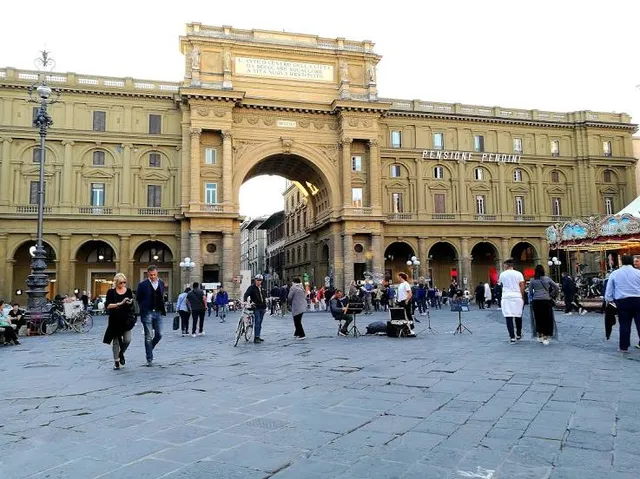
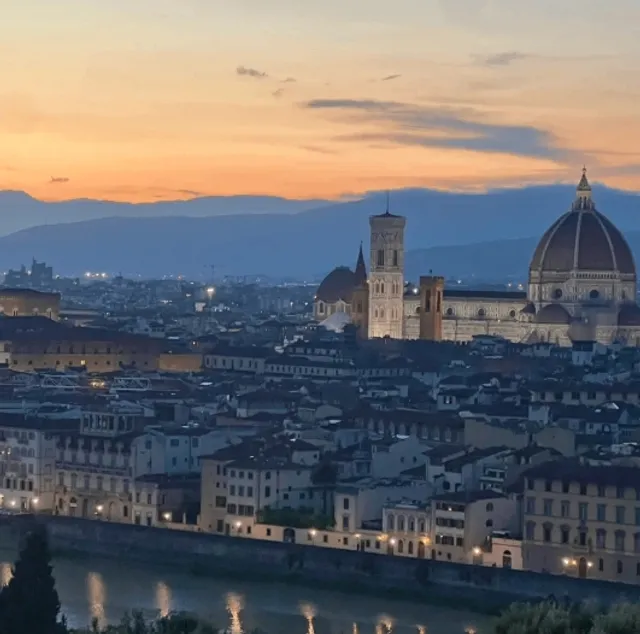
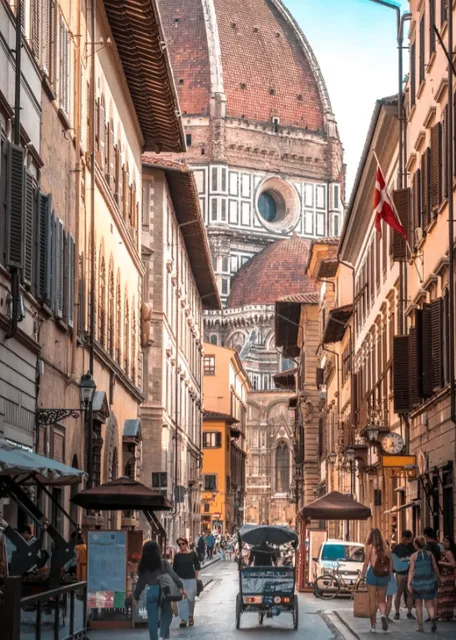
Piazza della Repubblica (Italian pronunciation: [ˈpjattsa della reˈpubblika], Republic Square) is a city square in Florence, Italy. It was originally the site of the city's forum; then of its old ghetto, which was swept away during the improvement works, or Risanamento, initiated during the brief period when Florence was the capital of a reunited Italy—work that also created the city's avenues and boulevards. At that time, the Loggia del Pesce from the Mercato Vecchio was also moved to Piazza Ciompi. The square's Giubbe Rosse cafe has long been a meeting place for famous artists and writers, notably those of Futurism.
Piazza della Repubblica marks the site of the forum, the centre of the Roman city. The exact present site of the Colonna dell'Abbondanza marks the intersection of the axes of the cardo (now via Roma and via Calimala) and decumanus (now via degli Strozzi, via degli Speziali, and via del Corso). Foundations of a thermae complex on the south side and a religious building were found in the 19th-century demolition of the warren of medieval streets that had encroached upon the site. Via del Campidoglio and Via delle Terme, for example, were named after the archaeological remains beneath them.
The chronicler Giovanni Villani reported an oral tradition that there was a temple to Mars on or near this site, and that Mars was the city's patron god, which determined the city's warlike character. According to Villani, in the Middle Ages a statue of Mars was placed on the predecessor to the Ponte Vecchio, which, along with the bridge, was swept away in the flood of 1333.
In the early medieval period the forum area was densely inhabited. Before the closure of the fifth circle of city walls, chroniclers record that there was no longer a single garden or pasture in the city, and that urban crowding led to tenements with ever-rising floors, including case-torri (tower houses).
The area retained its function as a meeting place and market, which was institutionalised after 1000. As in other Italian towns, Florence came to define public space intended for commerce, with its complementary spaces nearby, the piazza del Duomo for political affairs and a piazza del Comune, now Piazza della Signoria, for political and civil affairs. The construction of the Loggia del Mercato Nuovo near Ponte Vecchio in the 16th century led to the renaming of the market here to the Mercato Vecchio. The actual marketplace here was a long, low building in an oval rectilinear plan, with an overhanging roof to shelter the customers and the stalls placed on either side. Other shops and stalls were sited in the piazzetta.
The area was a maze tightly packed streets and buildings in addition to the marketplace. The Mercato Vecchio had numerous shrines and churches razed in the mid-18th century. On the piazzetta del Mercato were the churches of San Tommaso, and Santa Maria in Campidoglio. There was also the shrine of Santa Maria della Tromba, rebuilt in the north angle of Palazzo dell'Arte della Lana behind the Orsanmichele. The Jewish Ghetto imposed by Cosimo I collected the city's Jews into a portion of this space. The ghetto contained both an Italian and a Spanish or Levantine synagogue.
The sole surviving witness to the old piazza del Mercato is the Colonna della Dovizia or Colonna dell'Abbondanza (Column of Abundance, re-positioned in 1956) on a stepped base. Once considered to be the centre of the city, this column was erected at the crossing of the cardo and decumanus of the ancient Roman city. The present column dates to 1431, and is surmounted by a grey sandstone statue of Dovizia (or Abbondanza), by Giovan Battista Foggini, replacing an original by Donatello (found to be irreparably eroded in 1721. Today Foggini's original statue is in Palazzo della Cassa di Risparmio in via dell'Oriuolo, whilst on the column is a...
Read morePiazza della Repubblica, or Republic Square, is a lively and historic square located in the heart of Florence, Italy. This vibrant public space is a hub of activity, offering a unique blend of history, culture, and modern attractions.
Originally known as the Ancient Roman Forum, Piazza della Repubblica has undergone numerous transformations over the centuries. It became a bustling marketplace during the medieval period and later served as a central hub for the city's political and social activities.
The square is known for its stunning architectural landmarks, including the iconic Arch of Triumph, which stands as a symbolic gateway to the historic center of Florence. The arch, adorned with intricate sculptures and reliefs, represents the city's triumph over the medieval walls that once enclosed it.
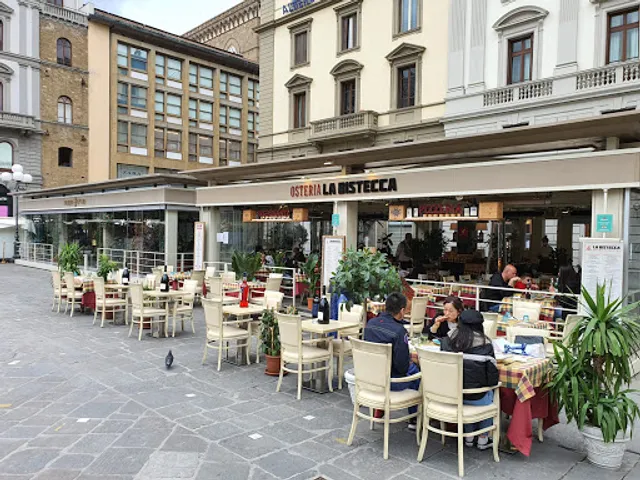
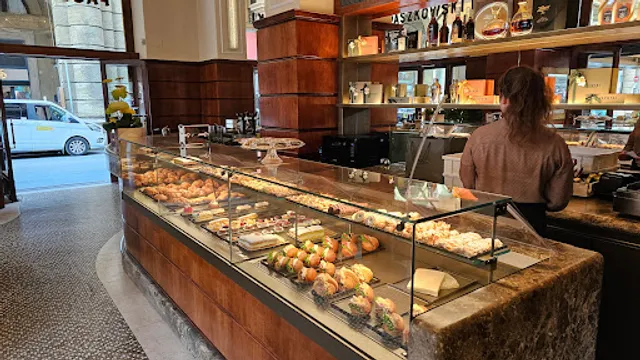
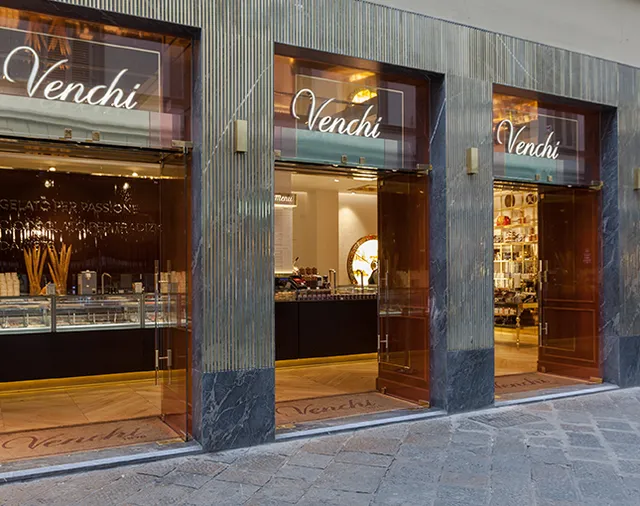
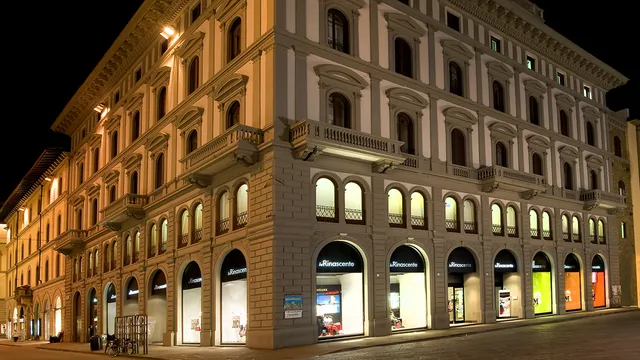
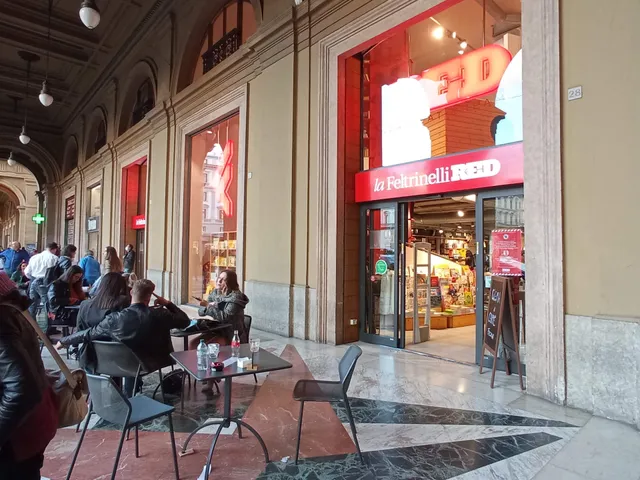
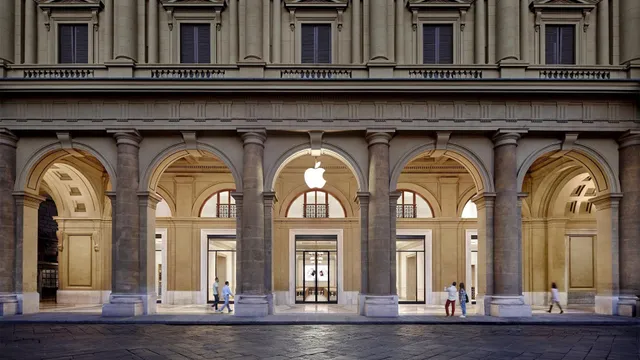
Surrounding the square, visitors will find elegant cafes, restaurants, and high-end shops housed in historic buildings. The grandeur of the square's architecture is complemented by the bustling atmosphere created by locals and tourists alike.
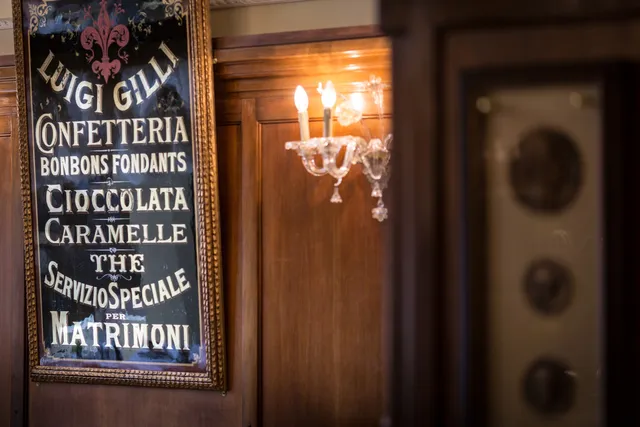
One of the main attractions in Piazza della Repubblica is the historic Caffè Gilli, which has been a meeting point for intellectuals and artists since the 18th century. It offers a perfect spot to sit back, enjoy a coffee, and soak in the vibrant ambiance of the square.
Another notable landmark is the renowned Hotel Savoy, a luxurious hotel that has hosted numerous distinguished guests over the years. Its elegant facade adds to the allure of the square, reflecting the city's blend of classic and contemporary elements.
Piazza della Repubblica is also known for its lively street performances, art exhibitions, and cultural events. Musicians, painters, and street performers often entertain visitors, adding an extra layer of charm to the square.
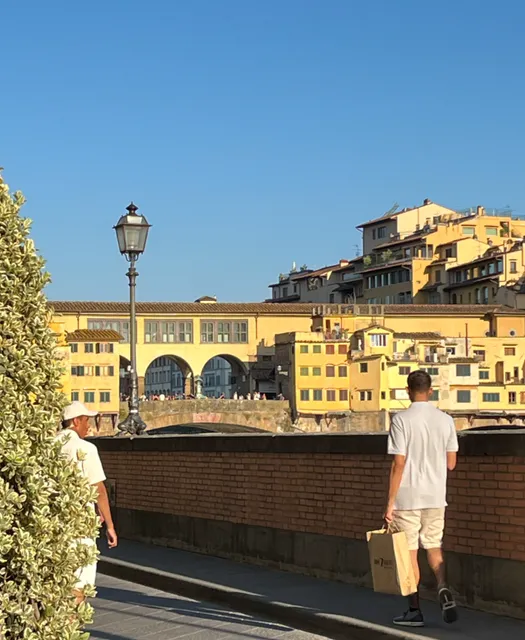
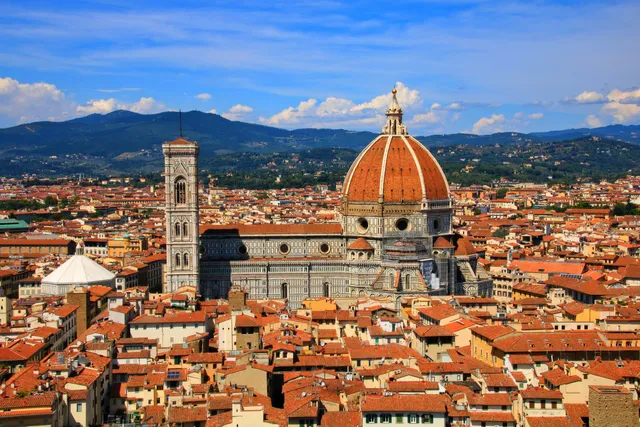
The square's central location makes it an ideal starting point for exploring Florence's renowned attractions. It is within walking distance of the iconic Duomo, the Uffizi Gallery, and the Ponte Vecchio, allowing visitors to easily navigate the city's historic center.
A visit to Piazza della Repubblica is an invitation to immerse oneself in the vibrant spirit of Florence. Whether indulging in the delights of the local cuisine, exploring the surrounding landmarks, or simply people-watching from one of the charming cafes, the square offers an unforgettable experience that captures the essence of this...
Read morePiazza della Repubblica: A Gem of Florence's Architectural Splendor and Cultural Richness
Nestled at the heart of Florence, Italy, Piazza della Repubblica stands as a captivating testament to the city's rich history, architectural grandeur, and vibrant culture. From its stunning architecture to its bustling atmosphere, the square offers visitors a delightful blend of past and present, making it a must-visit destination for travelers seeking to immerse themselves in the beauty and charm of Florence.
One of the most striking features of Piazza della Repubblica is its remarkable architecture, which reflects the city's illustrious past as a center of art, commerce, and culture during the Renaissance period. The grandeur of the square is exemplified by the iconic Arch of Triumph, a majestic monument that serves as a symbolic gateway to the historic center of Florence. Its intricate design, adorned with ornate sculptures and majestic columns, evokes a sense of awe and wonder, transporting visitors back in time to an era of opulence and sophistication.
Surrounding the arch are elegant cafes, restaurants, and shops that line the perimeter of the square, inviting visitors to indulge in the pleasures of Italian cuisine, artisanal crafts, and boutique shopping. Whether sipping espresso at a sidewalk cafe or browsing through local handicrafts, visitors can immerse themselves in the vibrant culture and lively atmosphere of the square.
In addition to its architectural beauty and cultural attractions, Piazza della Repubblica also serves as a vibrant hub of activity and entertainment. Street performers, musicians, and artists fill the square with their talents, adding to the festive ambiance and creating a dynamic and lively atmosphere that captivates visitors...
Read more