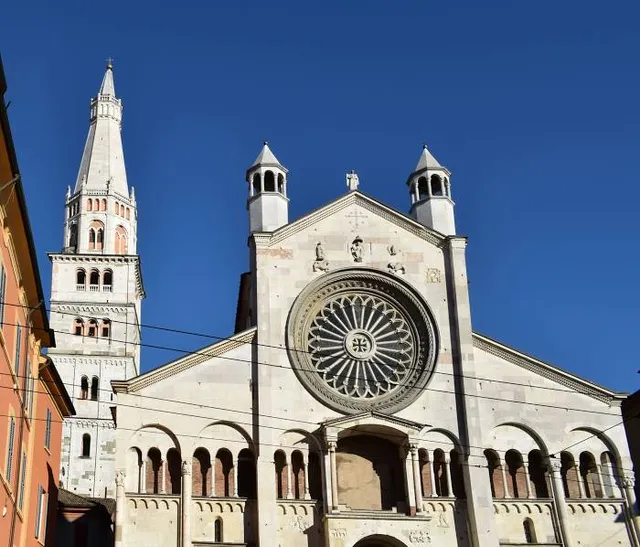
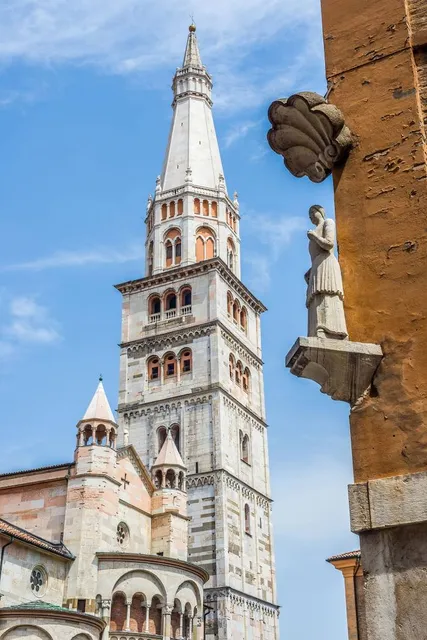
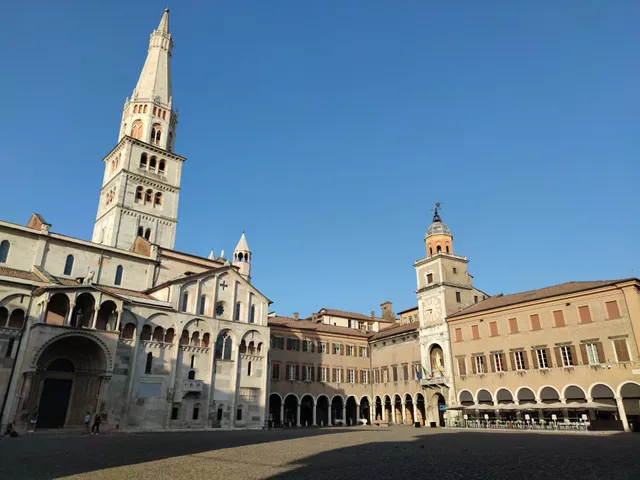
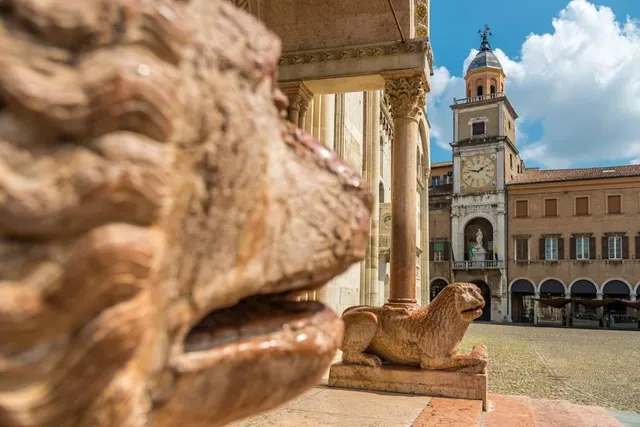
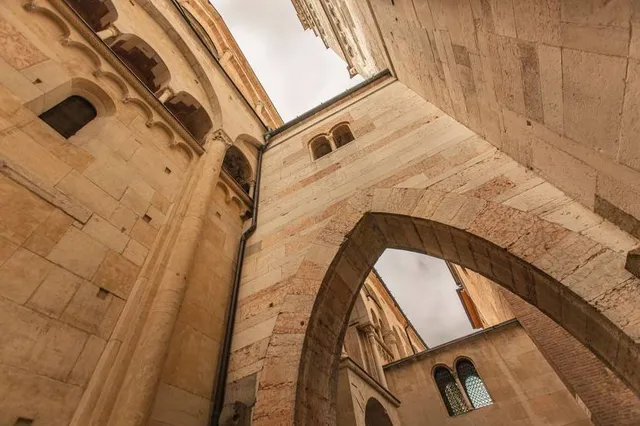
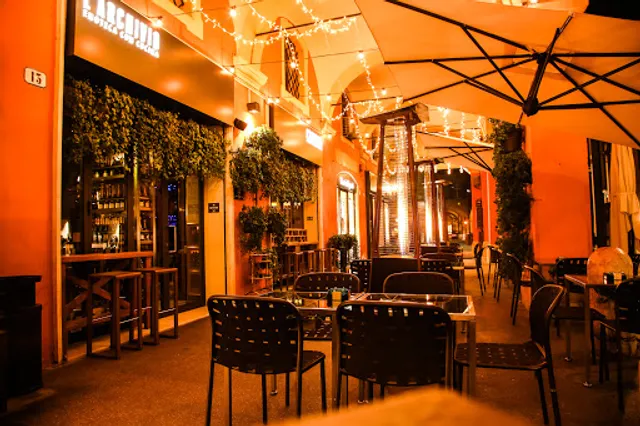
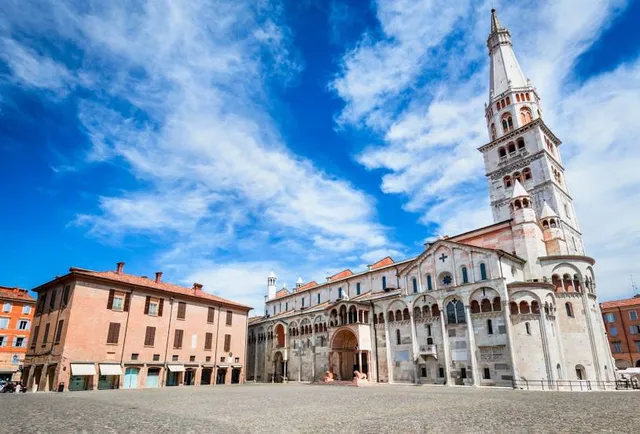
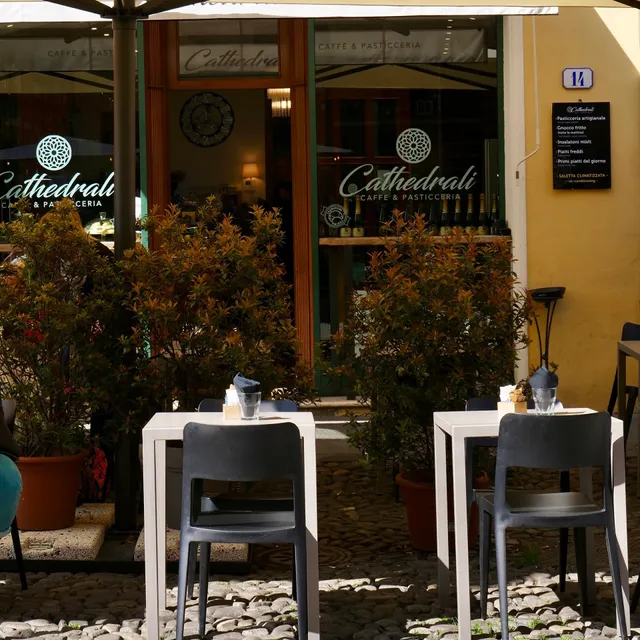
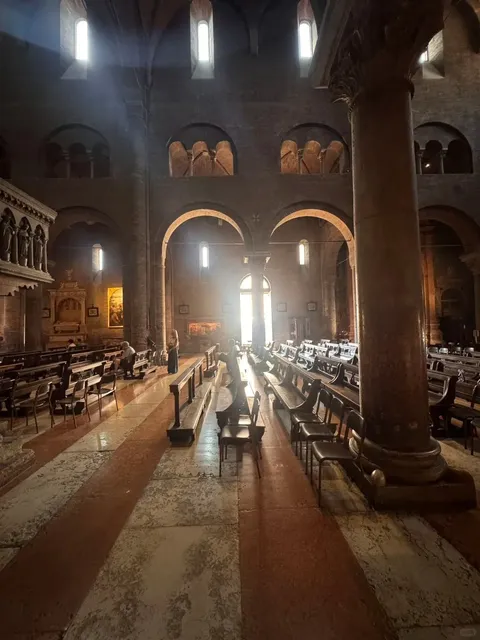
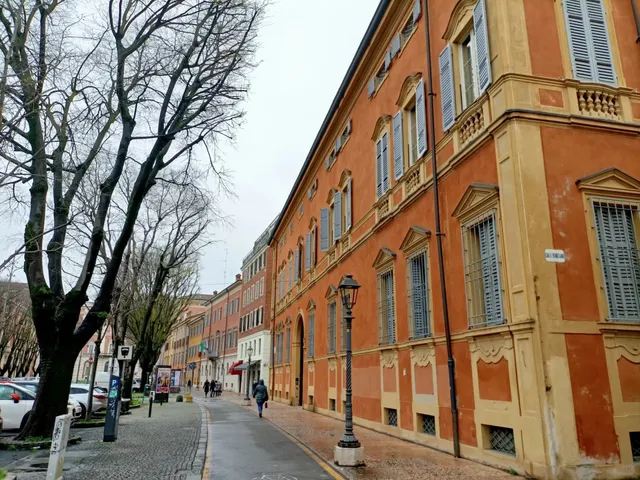
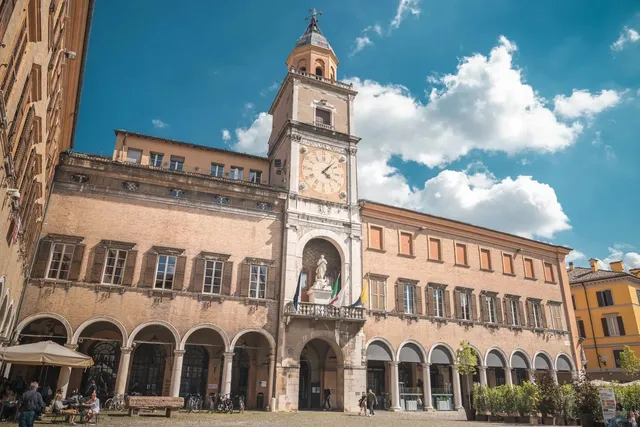
A city of top-end Italian cars, Modena is unquestionably one of the most affluent cities in Emilia-Romagna. The number of Maseratis, Ferraris and Lamborghinis on the roads and streets of the city bears witness to the wealth of the Modenesi. But... it is not the luxury car industry that pulls visitors to the city, although car enthusiasts will definitely be in heaven as they visit the Maserati complex on the southern end of Via Paolo Ferrari, 2km west of the centre or the Ferrari factory, 20km away in Maranello. Most visitors come here not for cars but to see and admire the historic medieval centre, an authentic treasure trove of 12th-century buildings concentrated in an area of not more than 1 square kilometre. Walking at random without map in hand, I found myself a short distance away from La Torre Ghirlandina, an 83m high belfry that is undoubtedly the highlight of any visit to the city. Take the steps to the top and you will be rewarded with outstanding views that can reach out to Bologna and Parma if the weather is fine and the visibility is good. Make your way via the porticoed walkway or otherwise to the adjoining Piazza Grande, a medieval square that is grand not only by reason of its size but more because it represents the wealth of the aristocratic Este family who ruled Modena for almost 3 centuries. The building that caught my attention as soon as I put my feet on the square was definitely Modena's majestic Duomo, a World Heritage Cathedral of outstanding Romanesque architecture. The west facade with a beautiful sculptured doorway guarded by two marble lions and embellished by a set of mural stone bas-reliefs is unquestionably a masterpiece, considered as Lanfranco and Wiligelmo best opus. Move on to the smaller Piazza Duomo where the Cathedral's main doorway exhibits more mural sculptures and a huge rose window whose centrepiece shows the eight-pointed cross usually associated with the Knights of Malta. The external features of Modena's Duomo definitely makes it an edifice of unparalleled Romanesque architecture. But move inside and you will be utterly disappointed. The Romanesque structure, both along the nave (with its perfect rib vaulting) and along the side aisles leaves nothing to be desired but most of the decor is not visibly clear because the interior is dark, sombre and gloomy. The windows on the sides of the nave just below the ceiling are small (as in most Romanesque churches) and do not allow for sunlight to get in. The only source of natural light is the huge rose window but it is definitely not enough. The redeeming factor inside the Cathedral is the crypt behind the high altar. Covered in beautiful marble with designs that at first glance seem to be frescoes, it is much brighter than the Cathedral. The simple stone tomb of San Gemigniano, patron saint of Modena is here, enclosed in a protective glass case. Modena's historic centre is chock-a-block with bars, cafeterias and eateries, most of them atmospheric venues with lots of tables outside. For real atmosphere and great food, unparalleled anywhere in Modena, head to Via Sant'Eufemia or Via Maletesta and enjoy the food, the wine and the ambience. If all this is not enough, walk 200m north on Via Emilia to the Palazzo dei Musei and the adjoining parish church of St Augustine. Inside this extensive museum, you will find most of the treasures (paintings, sculptures, manuscripts) collected by the wealthy Este family who owned the city. You will surely not be disappointed with such a...
Read moreI recently had the pleasure of touring Modena's Duomo, which is in the centre of the city. I had heard about the beauty and importance of this cathedral as a resident of Modena for years, but seeing it in reality was really breathtaking.
The Duomo in Modena, with its beautiful exterior and delicate decorations that have endured for ages, is a masterpiece of Romanesque architecture. The Duomo's façade is a sight to behold, from the complex reliefs on the gateway to the beautiful rose window.
I was overcome with wonder as soon as I stepped inside the cathedral. The lofty ceilings and elaborate frescoes in the nave provide an impossible to convey sense of grandeur. The area has an ethereal character due to the light coming through the stained glass windows, which also gives it a calm and peaceful ambiance.
Seeing the Ghirlandina Tower, which towers over the Duomo, was one of the highlights of my trip. The stunning views that the tower provides of the city and the surrounding countryside make the ascent to the summit well worth the effort.
Overall, everyone who enjoys history, art, and architecture should definitely visit the Duomo of Modena. It is undoubtedly one of Italy's most beautiful churches and a symbol of Modena's rich cultural heritage.
I'm sure you'll have an unforgettable experience at the Duomo of Modena, whether you're a native or a visitor. Don't be reluctant to go and experience the splendour and beauty of this wonderful cathedral...
Read moreIl Duomo di Modena è uno dei più straordinari esempi di architettura romanica in Italia ed è stato dichiarato Patrimonio dell'Umanità dall'UNESCO insieme alla sua Torre Ghirlandina e alla Piazza Grande nel 1997.
Storia e Costruzione Il Duomo fu iniziato nel 1099 sotto la direzione dell'architetto Lanfranco, e la sua costruzione fu completata nel XII secolo. L’edificio fu realizzato sul sito di una precedente chiesa che custodiva la tomba di San Geminiano, patrono della città. La venerazione per il santo fu uno dei motivi principali per cui si decise di erigere un nuovo edificio più maestoso.
Lanfranco, aiutato dallo scultore Wiligelmo, creò un capolavoro di architettura romanica che fonde armoniosamente scultura e architettura. Le decorazioni scolpite da Wiligelmo e dai suoi allievi sono fra le più importanti del periodo romanico, specialmente i rilievi della facciata principale, che rappresentano scene bibliche e figure mitologiche.
Caratteristiche Architettoniche Il Duomo ha una pianta a croce latina con tre navate e un'abside semicircolare. La facciata è caratterizzata da tre portali, sopra i quali spiccano splendide sculture che illustrano episodi della Genesi e scene del Vecchio e Nuovo Testamento.
La torre campanaria, la famosa Torre Ghirlandina, è uno dei simboli di Modena. Alta 86 metri, la torre fu iniziata nel 1179 e completata nel 1319. La sua altezza e la sua forma slanciata la rendono visibile da gran parte della città. Prende il nome dalle due ghirlande marmoree che decorano la cima.
L'Interno del Duomo L'interno è austero e solenne, tipico dello stile romanico, ma arricchito da decorazioni e opere d'arte di grande valore. Tra i tesori più preziosi, vi è il Pontile, un capolavoro scultoreo di Anselmo da Campione, e il Ciborio sopra l'altare maggiore, di epoca successiva ma integrato armoniosamente con l'architettura.
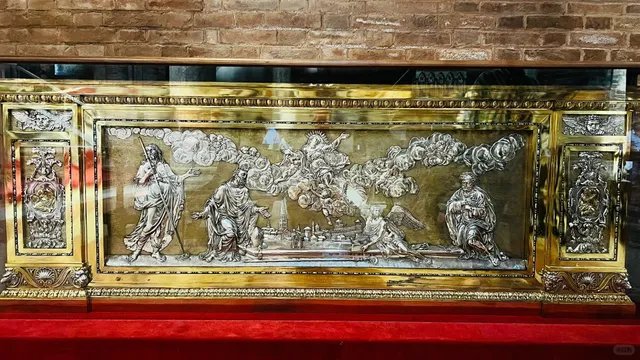
Un altro elemento di grande importanza è la Cripta, dove si trova la tomba di San Geminiano. Questa cripta, realizzata anch'essa nel XII secolo, è una delle parti più antiche e venerate dell'edificio.
Significato Culturale Il Duomo di Modena è molto più di un capolavoro architettonico. Esso rappresenta un luogo di profonda devozione per i modenesi ed è un simbolo della storia e dell'identità della città. La sua realizzazione coinvolse l’intera comunità, e la sua magnificenza testimonia il potere e l'importanza di Modena durante il Medioevo.
In sintesi, il Duomo di Modena è un gioiello dell'architettura romanica italiana, con una combinazione unica di scultura, architettura e spiritualità, che lo rende un luogo imperdibile per chiunque...
Read more