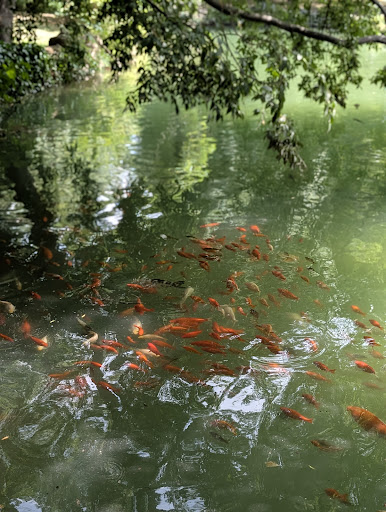
Parco Giardino Ducale Estense things to do, attractions, restaurants, events info and trip planning
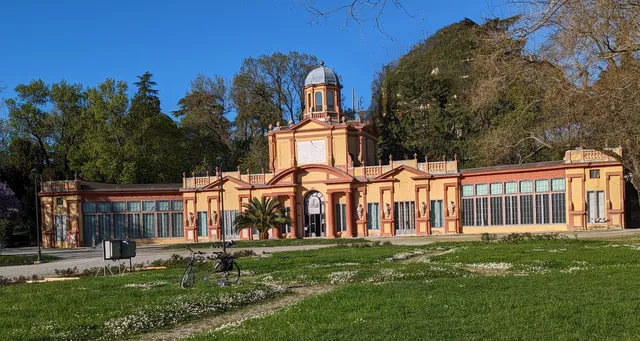
Basic Info
Parco Giardino Ducale Estense
Corso Canalgrande, 41121 Modena MO, Italy
4.2(2K)
Closed
Save
spot
spot
Ratings & Description
Info
Outdoor
Relaxation
Family friendly
Pet friendly
attractions: Palazzina dei Giardini, Enzo Ferrari Museum, Palazzo Ducale di Modena, Teatro Del Tempio, Botanical Garden of the University of Modena and Reggio Emilia, Museo della Figurina, Pavarotti-Freni Theater, Civic Gallery of Modena, Duomo di Modena, Monumento a Ciro Menotti, restaurants: Ristorante Damedeo, Bonelli Burgers - Modena, Trattoria Via Ferrari, Ristorante Wàng cinese gourmet, Osaka Sushi, Blu Bistrot, Osteria di Modena Rossi, Why Not Cafè Modena, Cafè Italia, Cafè Noir, local businesses: Ji Xiang, Tempio Monumentale di San Giuseppe ai Caduti in Guerra, Maxi Di S.r.l., Gas Insieme Acli, Gelateria Bloom - Via Taglio (MO), Alimentari E Bazar Di Abdellah Belfakir, Monumento A Luciano Pavarotti, Mix Markt Modena, NaturaSì, Area Cocktail - Bar Catering for Events
 Learn more insights from Wanderboat AI.
Phone
+39 059 203 2659
Website
modenaparchi.com
Open hoursSee all hours
Sat7 a.m. - 10 p.m.Closed
Plan your stay

Pet-friendly Hotels in Modena
Find a cozy hotel nearby and make it a full experience.

Affordable Hotels in Modena
Find a cozy hotel nearby and make it a full experience.

The Coolest Hotels You Haven't Heard Of (Yet)
Find a cozy hotel nearby and make it a full experience.

Trending Stays Worth the Hype in Modena
Find a cozy hotel nearby and make it a full experience.
Reviews
Live events
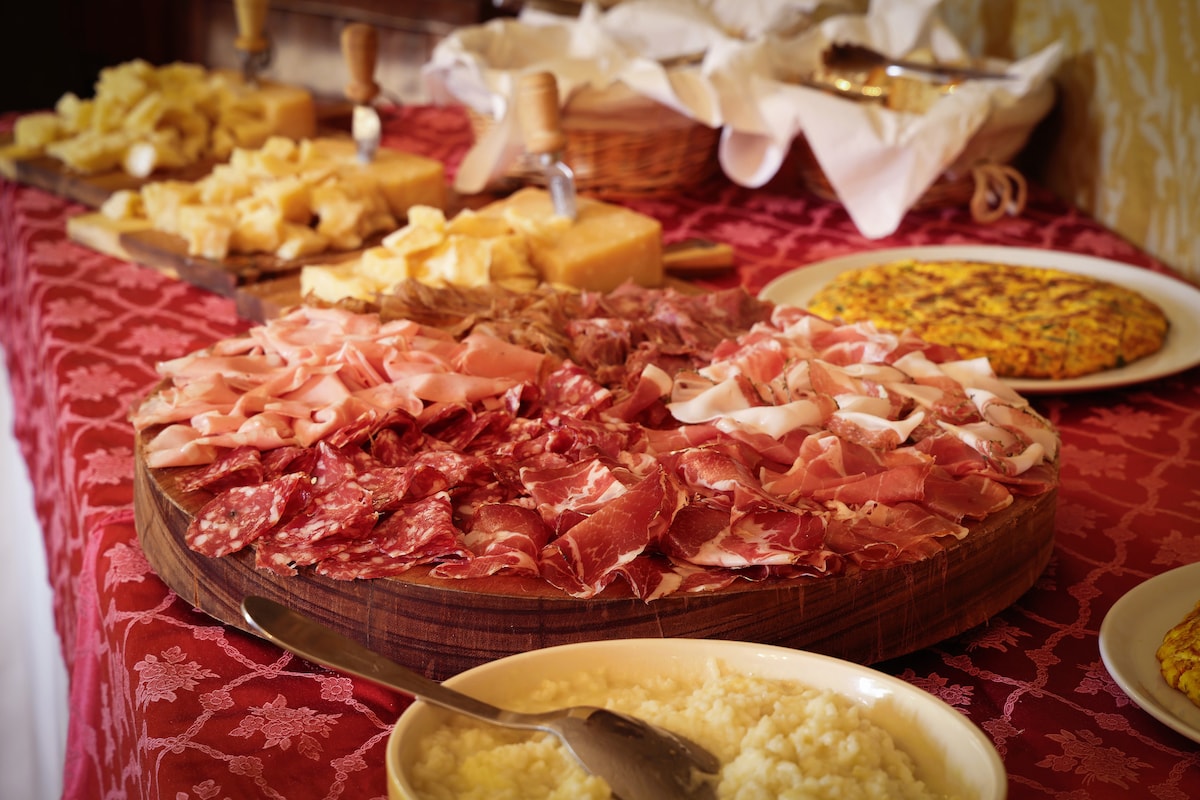
Visit to the vinegar factory and Balsamic lunch
Mon, Feb 16 • 12:30 PM
41013, Castelfranco Emilia, Emilia-Romagna, Italy
View details
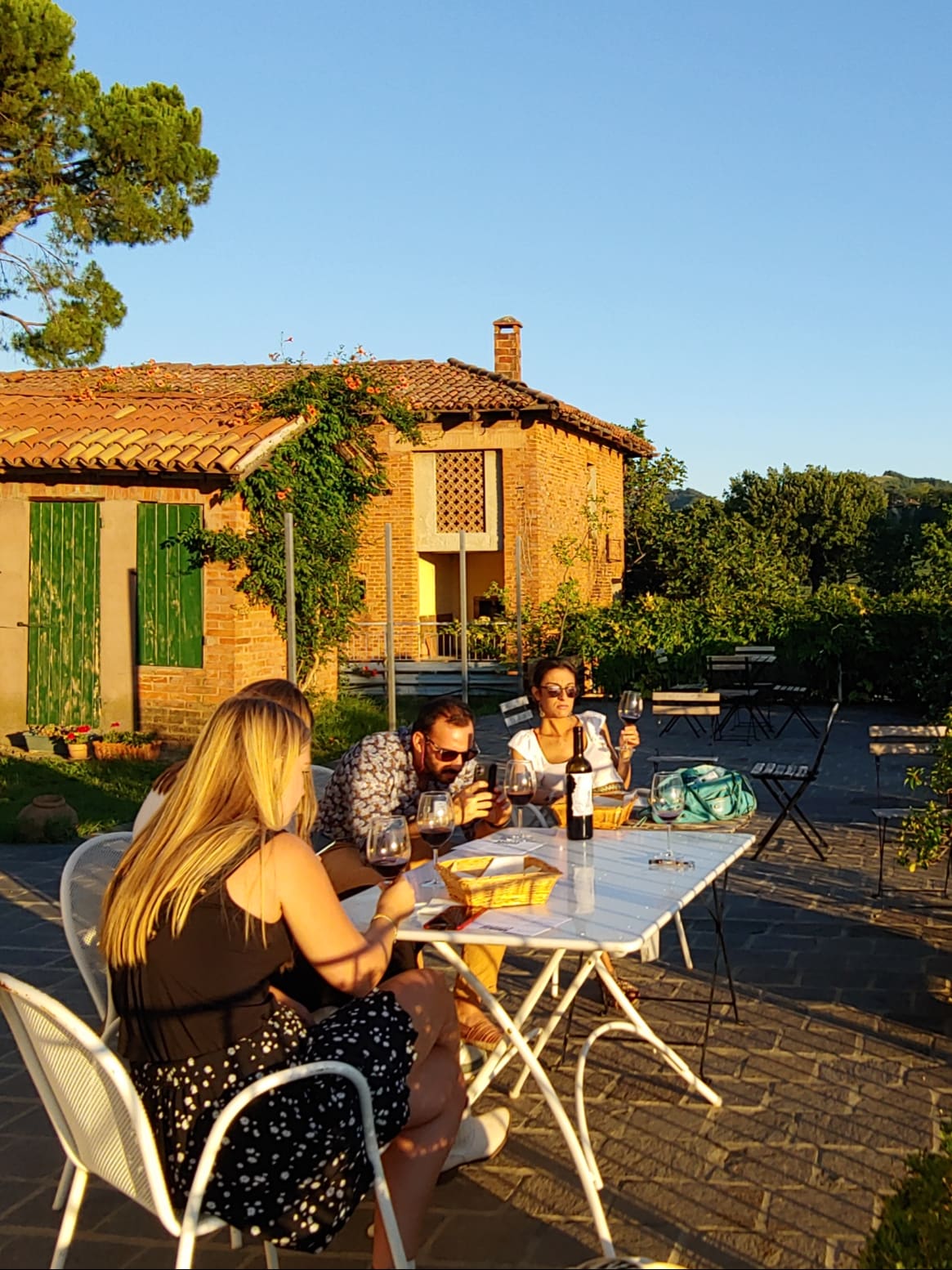
Bologna Countryside Wine Tasting & Winery Tour
Sat, Feb 14 • 3:00 PM
40069, Zola Predosa, Emilia-Romagna, Italy
View details

Explore Modena in a hurry
Sat, Feb 14 • 6:00 AM
41121, Modena, Emilia-Romagna, Italy
View details
Nearby attractions of Parco Giardino Ducale Estense
Palazzina dei Giardini
Enzo Ferrari Museum
Palazzo Ducale di Modena
Teatro Del Tempio
Botanical Garden of the University of Modena and Reggio Emilia
Museo della Figurina
Pavarotti-Freni Theater
Civic Gallery of Modena
Duomo di Modena
Monumento a Ciro Menotti

Palazzina dei Giardini
4.3
(252)
Closed
Click for details
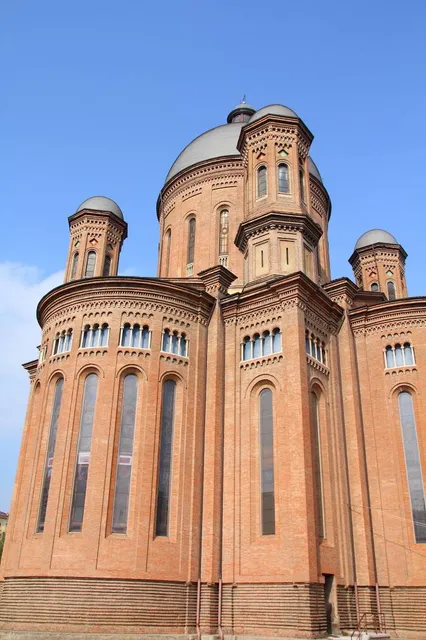
Enzo Ferrari Museum
4.5
(8.4K)
Closed
Click for details
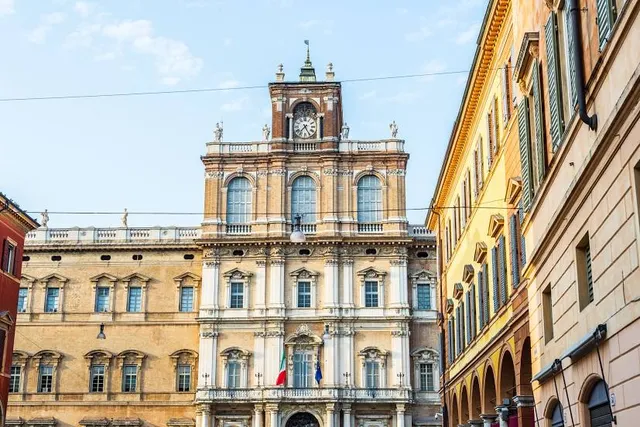
Palazzo Ducale di Modena
4.6
(1.1K)
Open until 12:00 AM
Click for details

Teatro Del Tempio
4.2
(135)
Open 24 hours
Click for details
Nearby restaurants of Parco Giardino Ducale Estense
Ristorante Damedeo
Bonelli Burgers - Modena
Trattoria Via Ferrari
Ristorante Wàng cinese gourmet
Osaka Sushi
Blu Bistrot
Osteria di Modena Rossi
Why Not Cafè Modena
Cafè Italia
Cafè Noir
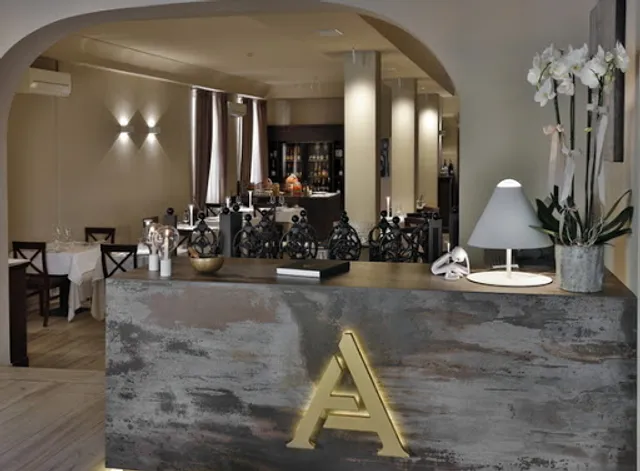
Ristorante Damedeo
4.4
(233)
Closed
Click for details
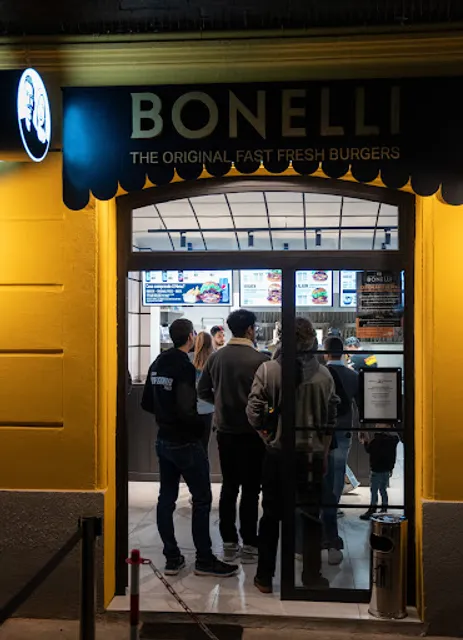
Bonelli Burgers - Modena
4.5
(329)
Closed
Click for details
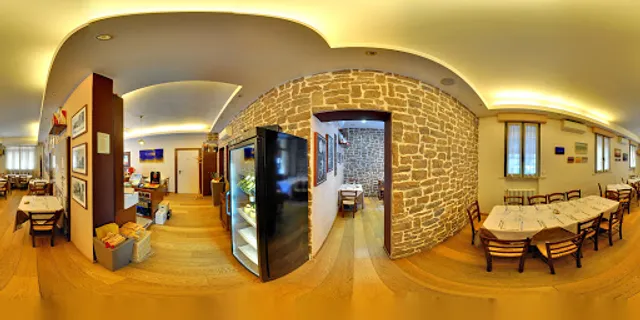
Trattoria Via Ferrari
4.3
(513)
Closed
Click for details
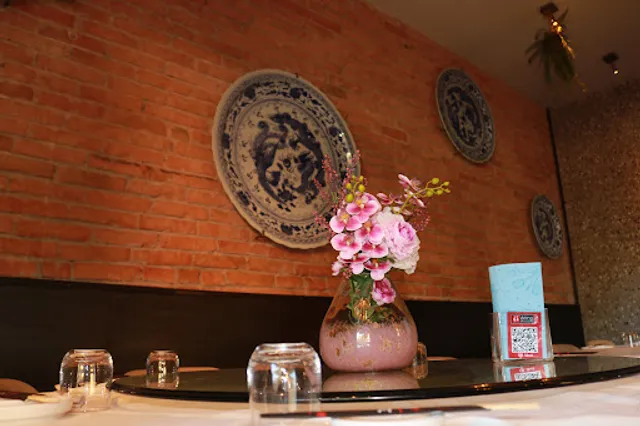
Ristorante Wàng cinese gourmet
4.4
(378)
Closed
Click for details
Nearby local services of Parco Giardino Ducale Estense
Ji Xiang
Tempio Monumentale di San Giuseppe ai Caduti in Guerra
Maxi Di S.r.l.
Gas Insieme Acli
Gelateria Bloom - Via Taglio (MO)
Alimentari E Bazar Di Abdellah Belfakir
Monumento A Luciano Pavarotti
Mix Markt Modena
NaturaSì
Area Cocktail - Bar Catering for Events
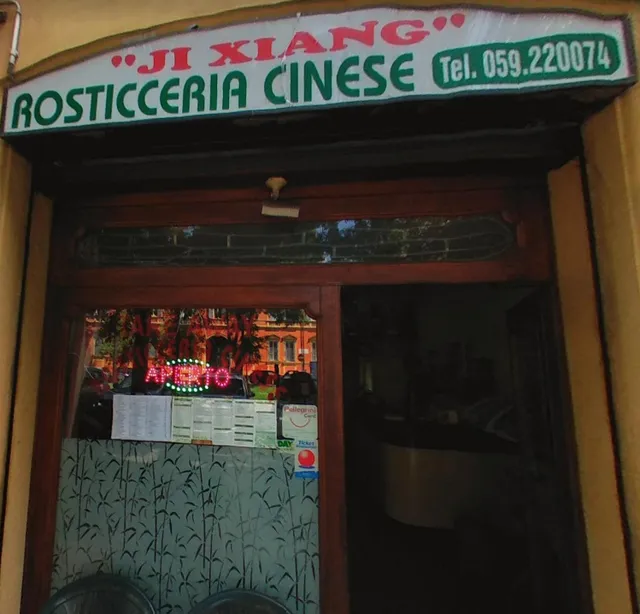
Ji Xiang
4.3
(148)
Click for details
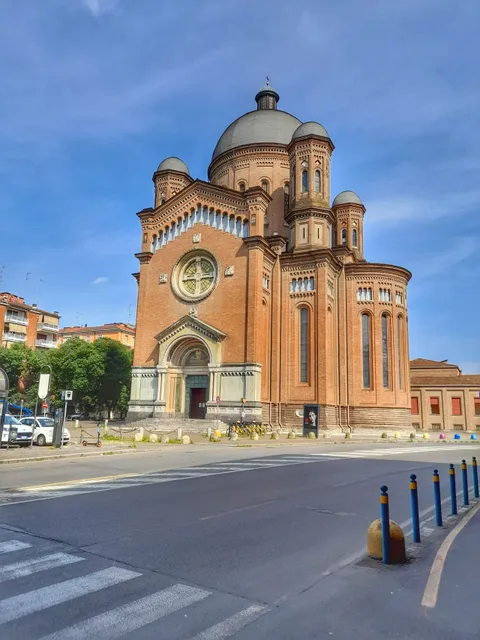
Tempio Monumentale di San Giuseppe ai Caduti in Guerra
4.5
(73)
Click for details
Maxi Di S.r.l.
3.8
(122)
Click for details
Gas Insieme Acli
4.7
(19)
Click for details