Scrovegni Chapel things to do, attractions, restaurants, events info and trip planning
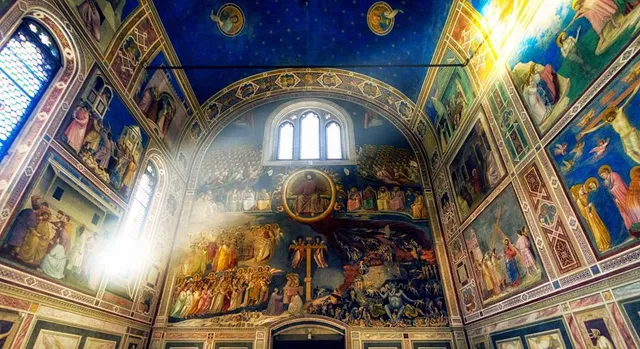
Basic Info
Scrovegni Chapel
Piazza Eremitani, 8, 35121 Padova PD, Italy
4.8(6.9K)
Open until 10:00 PM


tickets
Save
spot
spot
Ratings & Description
Info
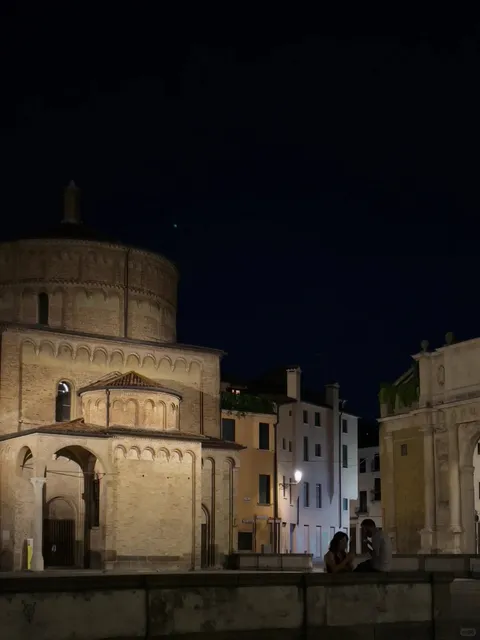
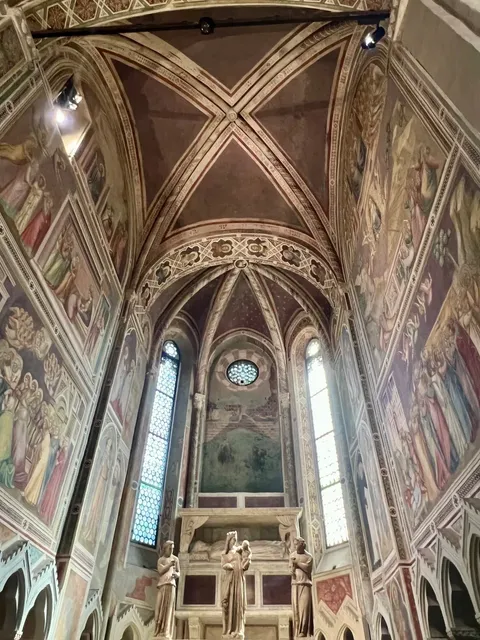
The Scrovegni Chapel, also known as the Arena Chapel, is a small church, adjacent to the Augustinian monastery, the Monastero degli Eremitani in Padua, region of Veneto, Italy. The chapel and monastery are now part of the complex of the Musei Civici di Padova.
Cultural
Accessibility
attractions: Musei Civici Eremitani, Chiesa degli Eremitani, Palazzo Zuckermann - Museo di arti applicate e decorative e Museo Bottacin, Arena Romana di Padova, Cultural Center Altinate San Gaetano, Museum of Zoology, Porta Altinate, Piazza della frutta, Parco Tito Livio, Palazzo Bo, restaurants: Ristorante Pizzeria agli Eremitani, Ca' Pelletti Padova, L’Antica Pizzeria Da Michele Padova, Baessato Padova, Hamerica's via Gozzi (PD), Pinsa Pizzeria, ODStore, Bar Pollini, Atipico Porte Contarine, Attimi, local businesses: Giardini dell'Arena, Palazzo Cavalli - Centro di Ateneo per i Musei, Mediatech Padova - Riparazione Cellulari, Tablet e PC, Car Park Padua city centre, OVS, GA Parrucchieri, COIN, Athena Beauty, Il Burchiello - Crociere fluviali Padova-Venezia, DHL STORE PADOVA
 Learn more insights from Wanderboat AI.
Phone
+39 049 201 0020
Website
cappelladegliscrovegni.it
Open hoursSee all hours
Fri9 AM - 10 PMOpen
Plan your stay

Pet-friendly Hotels in Padua
Find a cozy hotel nearby and make it a full experience.

Affordable Hotels in Padua
Find a cozy hotel nearby and make it a full experience.

The Coolest Hotels You Haven't Heard Of (Yet)
Find a cozy hotel nearby and make it a full experience.

Trending Stays Worth the Hype in Padua
Find a cozy hotel nearby and make it a full experience.
Reviews
Live events

OGNI MERCOLEDI ANDA VENICE HOSTEL - FREE ENTRY
Wed, Mar 4 • 9:00 PM
10 Via Ortigara 30171 Mestre
View details

Candlelight: Tributo ai Coldplay
Fri, Feb 27 • 9:00 PM
Via Noalese Sud, 40, Mellaredo di Pianiga, 30030
View details
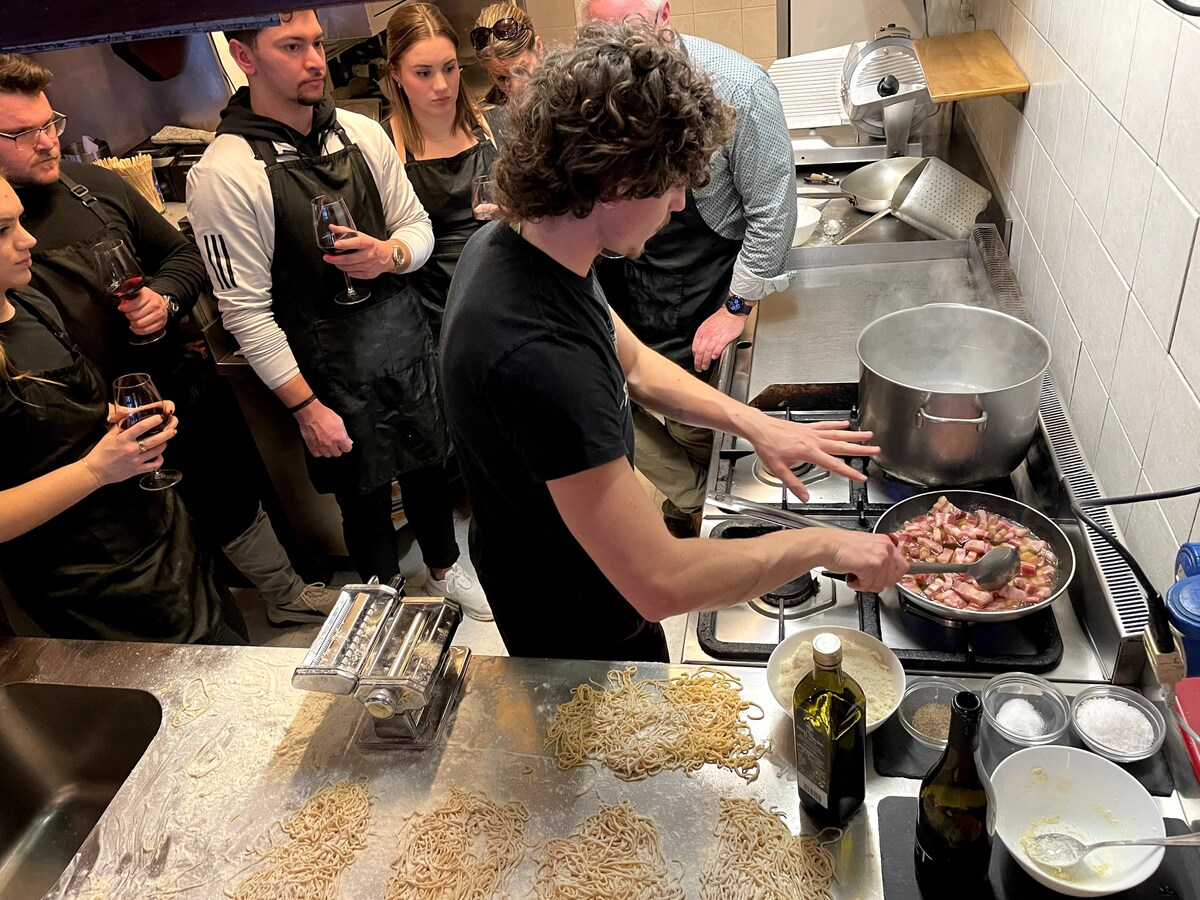
Venice: Pasta Carbonara Cooking Class with Wine
Sat, Feb 28 • 4:00 PM
30175, Venice, Veneto, Italy
View details
Nearby attractions of Scrovegni Chapel
Musei Civici Eremitani
Chiesa degli Eremitani
Palazzo Zuckermann - Museo di arti applicate e decorative e Museo Bottacin
Arena Romana di Padova
Cultural Center Altinate San Gaetano
Museum of Zoology
Porta Altinate
Piazza della frutta
Parco Tito Livio
Palazzo Bo
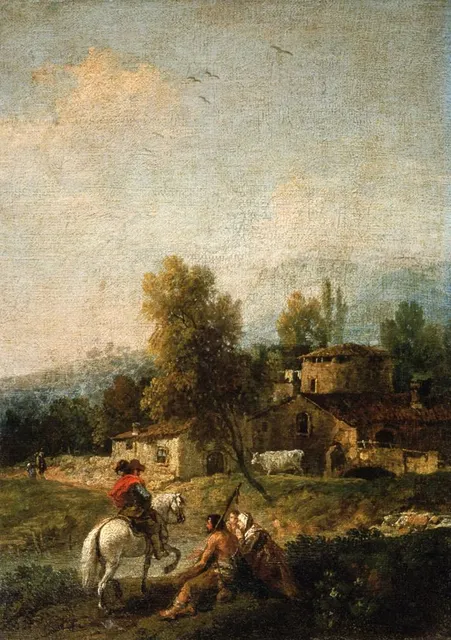
Musei Civici Eremitani
4.5
(1.1K)
Closed
Click for details
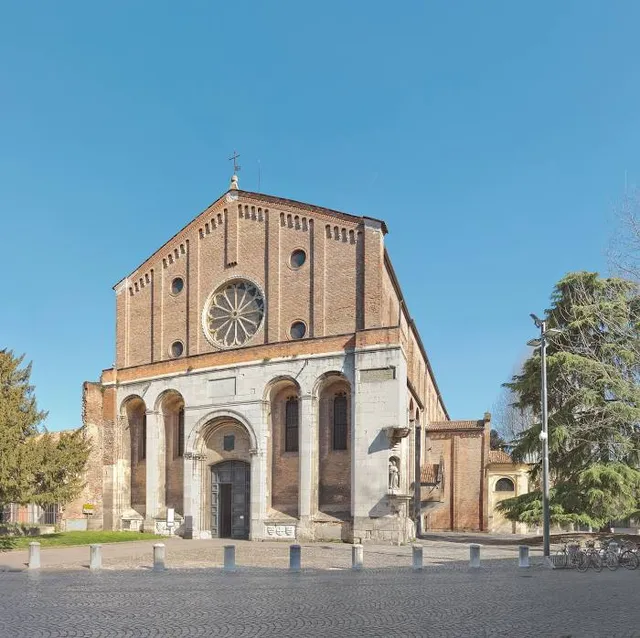
Chiesa degli Eremitani
4.6
(630)
Closed
Click for details
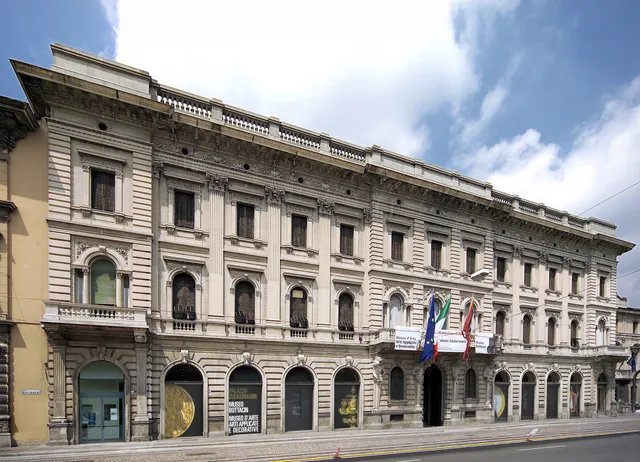
Palazzo Zuckermann - Museo di arti applicate e decorative e Museo Bottacin
4.4
(387)
Closed
Click for details
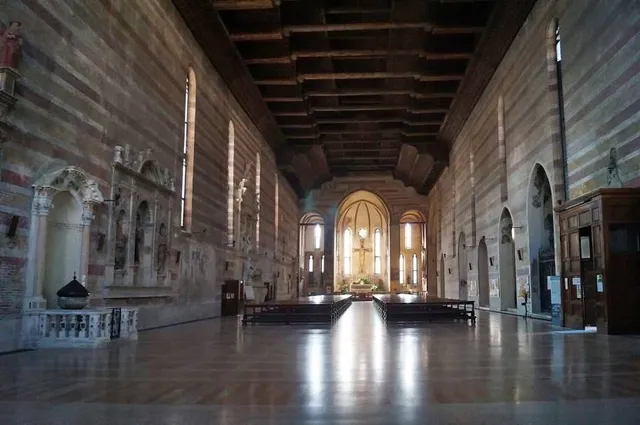
Arena Romana di Padova
4.3
(96)
Closed
Click for details
Nearby restaurants of Scrovegni Chapel
Ristorante Pizzeria agli Eremitani
Ca' Pelletti Padova
L’Antica Pizzeria Da Michele Padova
Baessato Padova
Hamerica's via Gozzi (PD)
Pinsa Pizzeria
ODStore
Bar Pollini
Atipico Porte Contarine
Attimi

Ristorante Pizzeria agli Eremitani
4.1
(1.1K)
Open until 12:00 AM
Click for details
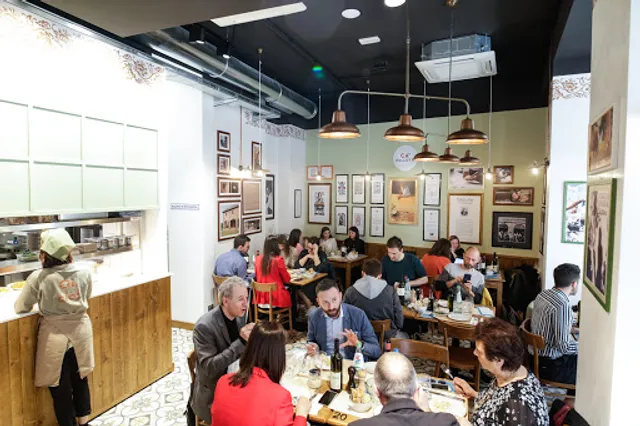
Ca' Pelletti Padova
4.0
(1.2K)
Open until 11:00 PM
Click for details
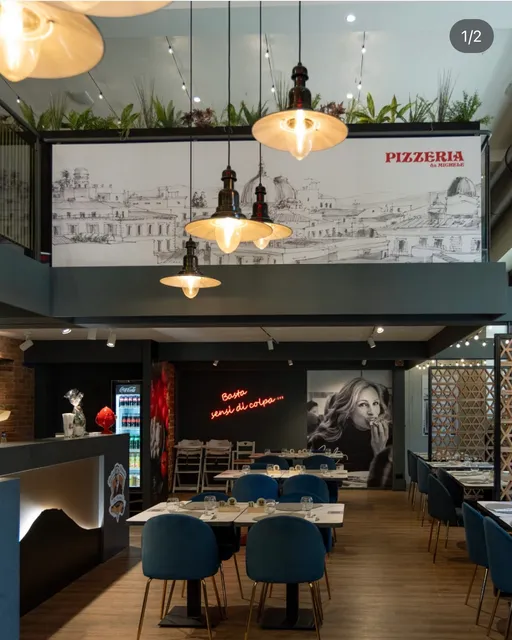
L’Antica Pizzeria Da Michele Padova
4.3
(794)
Open until 11:30 PM
Click for details
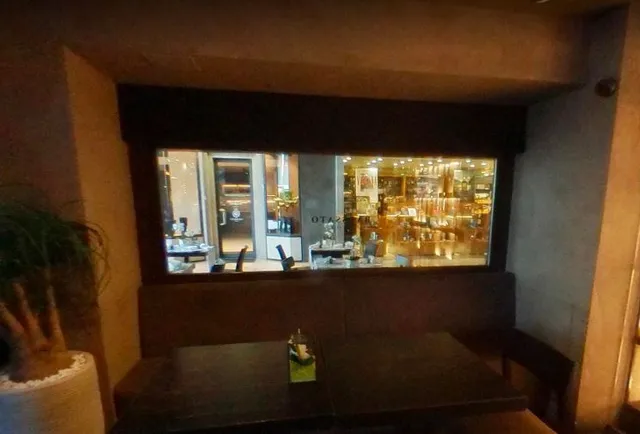
Baessato Padova
3.9
(802)
Open until 1:30 AM
Click for details
Nearby local services of Scrovegni Chapel
Giardini dell'Arena
Palazzo Cavalli - Centro di Ateneo per i Musei
Mediatech Padova - Riparazione Cellulari, Tablet e PC
Car Park Padua city centre
OVS
GA Parrucchieri
COIN
Athena Beauty
Il Burchiello - Crociere fluviali Padova-Venezia
DHL STORE PADOVA
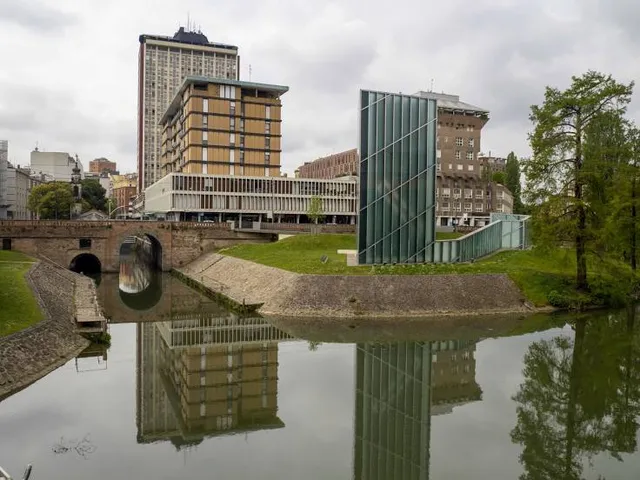
Giardini dell'Arena
4.6
(2.2K)
Click for details
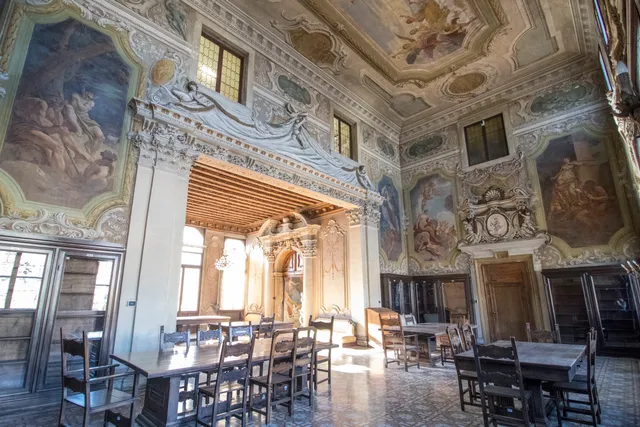
Palazzo Cavalli - Centro di Ateneo per i Musei
4.7
(68)
Click for details
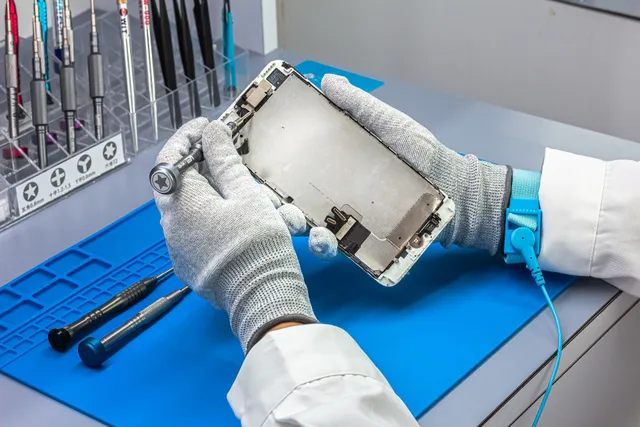
Mediatech Padova - Riparazione Cellulari, Tablet e PC
4.9
(516)
Click for details

Car Park Padua city centre
4.4
(1.5K)
Click for details