Palazzo Bo things to do, attractions, restaurants, events info and trip planning
Basic Info
Palazzo Bo
Via VIII Febbraio, 2, 35122 Padova PD, Italy
4.7(1.7K)
Closed

tickets
Save
spot
spot
Ratings & Description
Info
attractions: University of Padua, Piazza della frutta, Ragione Palace, Palazzo Zabarella, Chiesa dei Santi Canzio, Canziano, Canzianilla e Proto, Aula Magna Galileo Galilei, Tourist Office at Galleria Pedrocchi, Ponte San Lorenzo, Tomb of Antenor, MUSME, restaurants: Venchi Cioccolato e Gelato, Padova, da Pino Padova, Sushi Kai Padova, Brunch Republic Padova, Ristorante Vecchia Padova, Milk Bar Pasticceria, Hype Taproom, Gourmetteria, Vinet, miscusi | pasta fresca - Padova, local businesses: Pedrocchi Café, Feltrinelli Bookstores, Pam Local, Piazza della frutta, Palazzo Zabarella, Pandora, Sotto Salone Piazza Delle Erbe, Mango, ZARA, Piazza dei Signori
 Learn more insights from Wanderboat AI.
Phone
+39 049 827 3939
Website
unipd.it
Open hoursSee all hours
Fri10 AM - 7 PMClosed
Plan your stay

Pet-friendly Hotels in Padua
Find a cozy hotel nearby and make it a full experience.

Affordable Hotels in Padua
Find a cozy hotel nearby and make it a full experience.

The Coolest Hotels You Haven't Heard Of (Yet)
Find a cozy hotel nearby and make it a full experience.

Trending Stays Worth the Hype in Padua
Find a cozy hotel nearby and make it a full experience.
Reviews
Live events
Candlelight: Tributo ai Coldplay
Fri, Feb 27 • 9:00 PM
Via Noalese Sud, 40, Mellaredo di Pianiga, 30030
View details
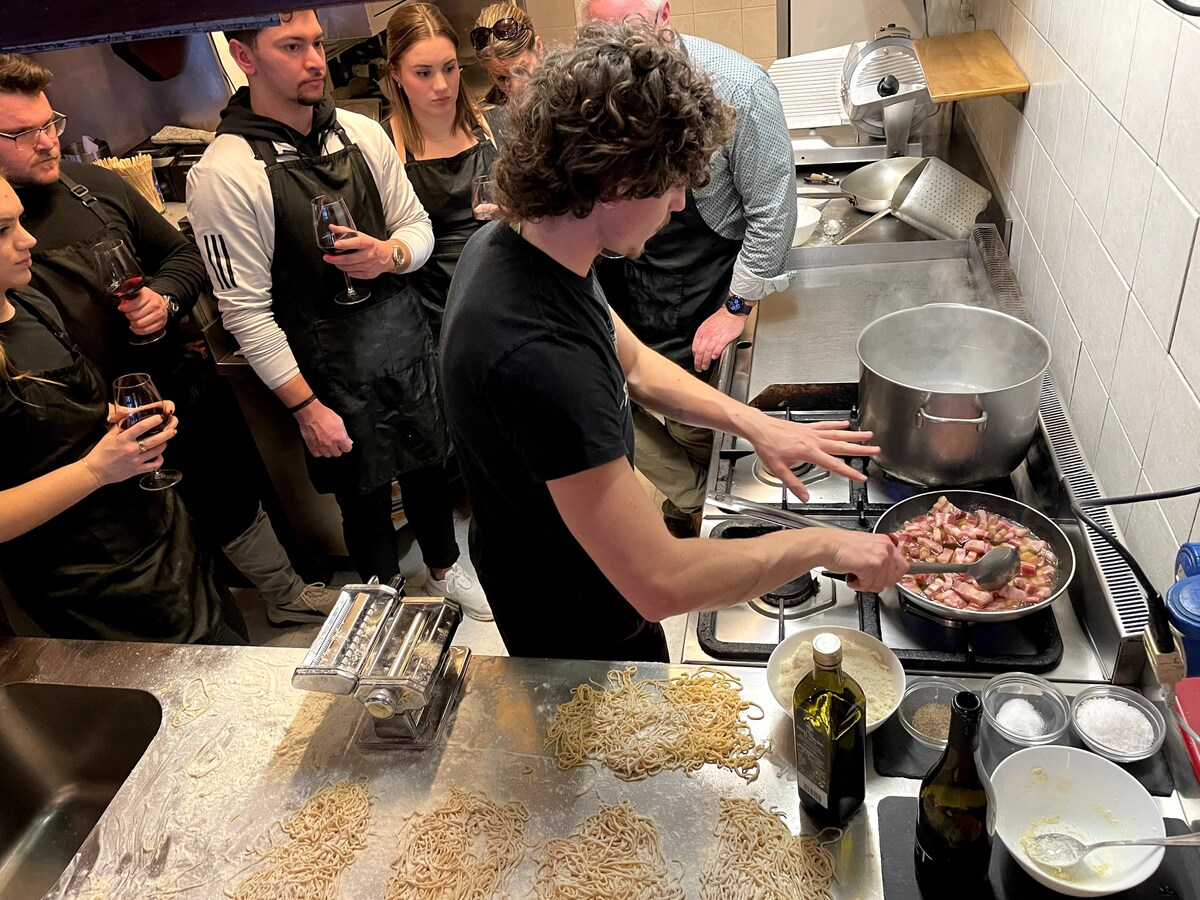
Venice: Pasta Carbonara Cooking Class with Wine
Fri, Feb 27 • 4:00 PM
30175, Venice, Veneto, Italy
View details
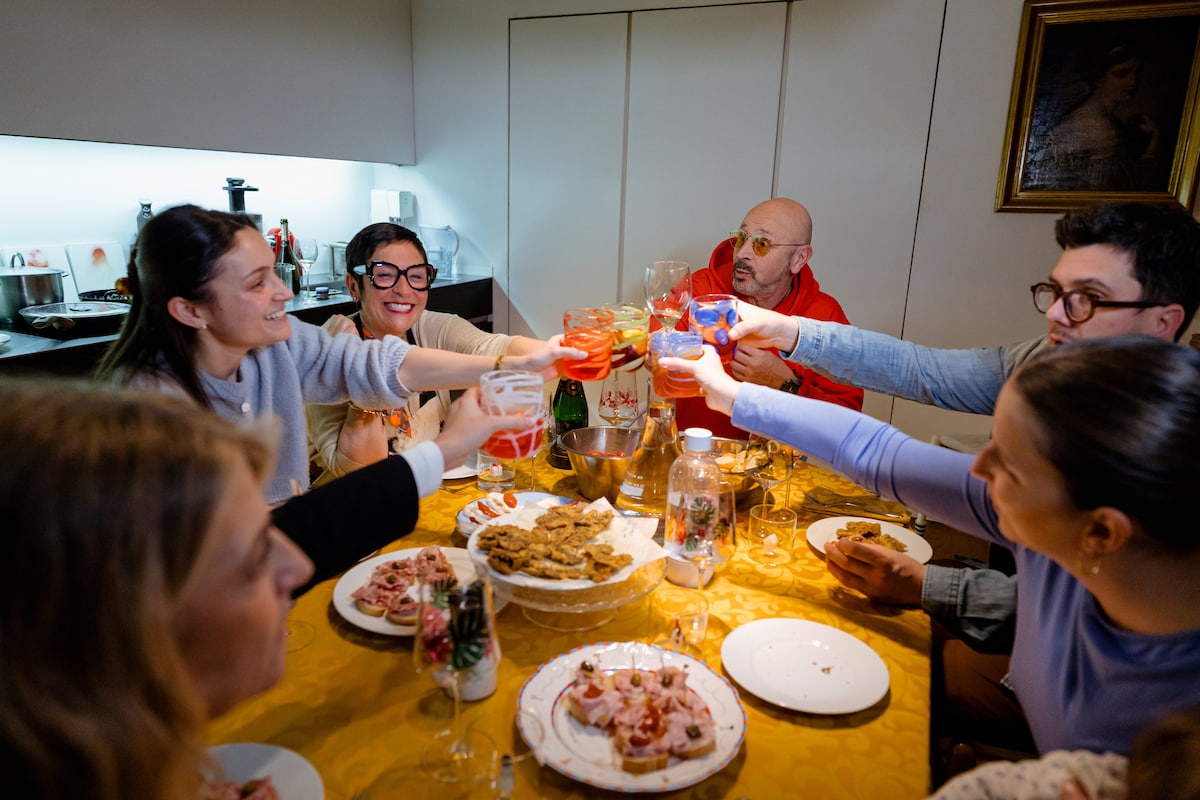
Cook Bigoli & craft Spritz with Venetian locals
Fri, Feb 27 • 7:00 PM
30171, Venice, Veneto, Italy
View details
Nearby attractions of Palazzo Bo
University of Padua
Piazza della frutta
Ragione Palace
Palazzo Zabarella
Chiesa dei Santi Canzio, Canziano, Canzianilla e Proto
Aula Magna Galileo Galilei
Tourist Office at Galleria Pedrocchi
Ponte San Lorenzo
Tomb of Antenor
MUSME
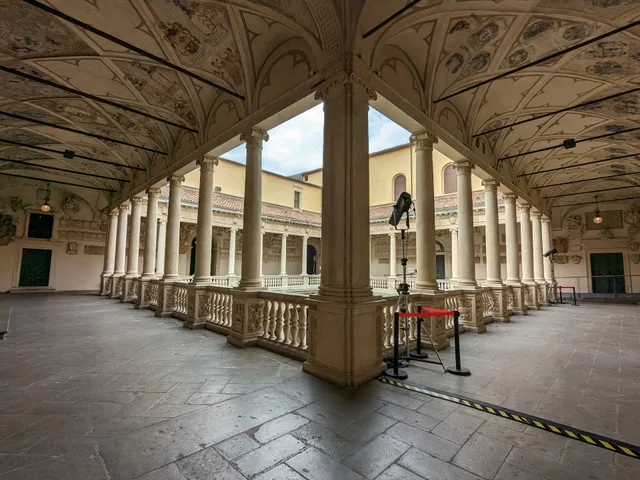
University of Padua
4.5
(874)
Closed
Click for details
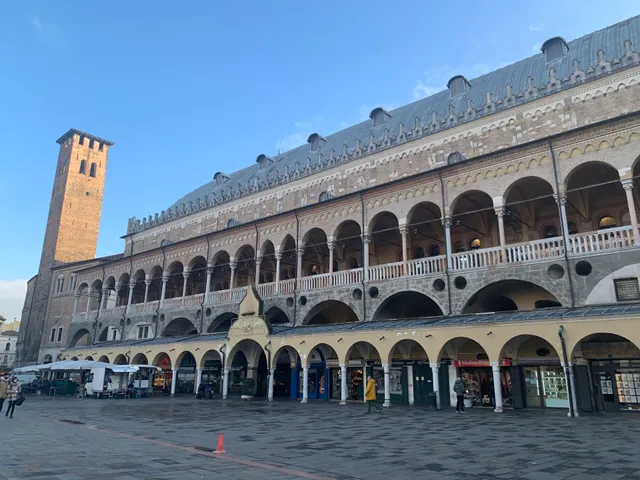
Piazza della frutta
4.6
(2.6K)
Open until 12:00 AM
Click for details
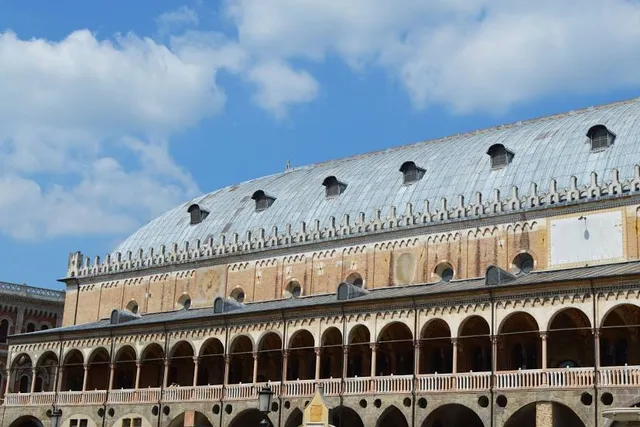
Ragione Palace
4.6
(1.9K)
Closed
Click for details
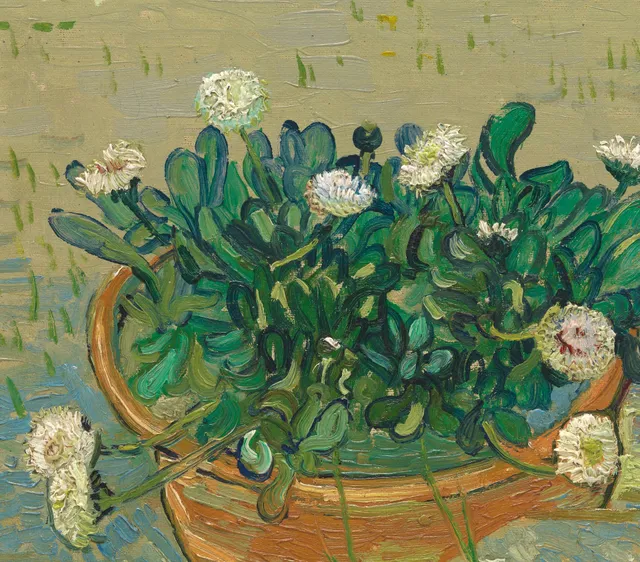
Palazzo Zabarella
4.4
(1.9K)
Closed
Click for details
Nearby restaurants of Palazzo Bo
Venchi Cioccolato e Gelato, Padova
da Pino Padova
Sushi Kai Padova
Brunch Republic Padova
Ristorante Vecchia Padova
Milk Bar Pasticceria
Hype Taproom
Gourmetteria
Vinet
miscusi | pasta fresca - Padova
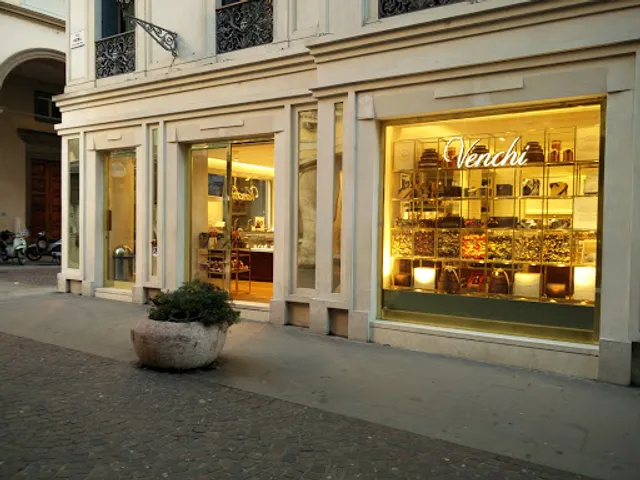
Venchi Cioccolato e Gelato, Padova
4.6
(990)
Closed
Click for details
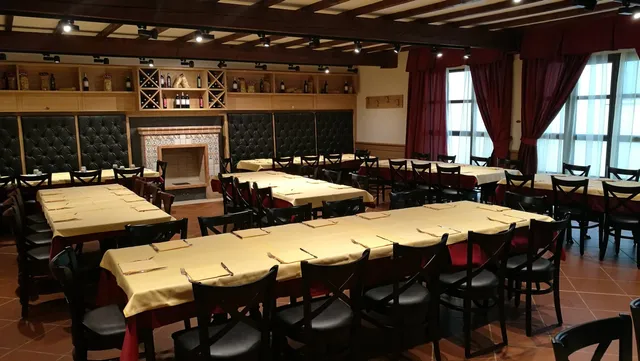
da Pino Padova
4.2
(2.3K)
Closed
Click for details

Sushi Kai Padova
4.2
(1.4K)
Closed
Click for details
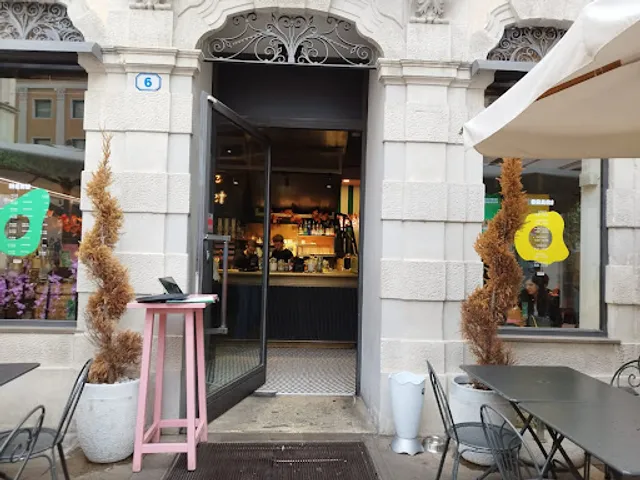
Brunch Republic Padova
4.0
(599)
Closed
Click for details
Nearby local services of Palazzo Bo
Pedrocchi Café
Feltrinelli Bookstores
Pam Local
Piazza della frutta
Palazzo Zabarella
Pandora
Sotto Salone Piazza Delle Erbe
Mango
ZARA
Piazza dei Signori
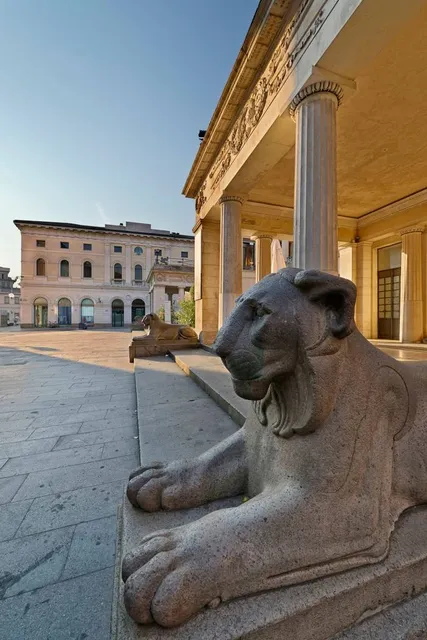
Pedrocchi Café
4.4
(4.9K)
Click for details
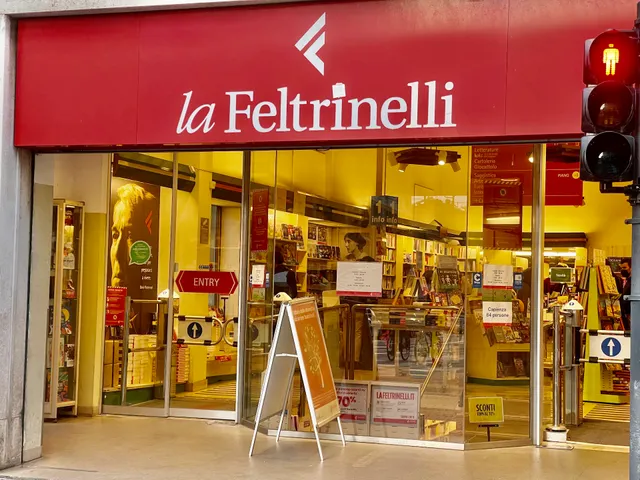
Feltrinelli Bookstores
4.5
(1.7K)
Click for details
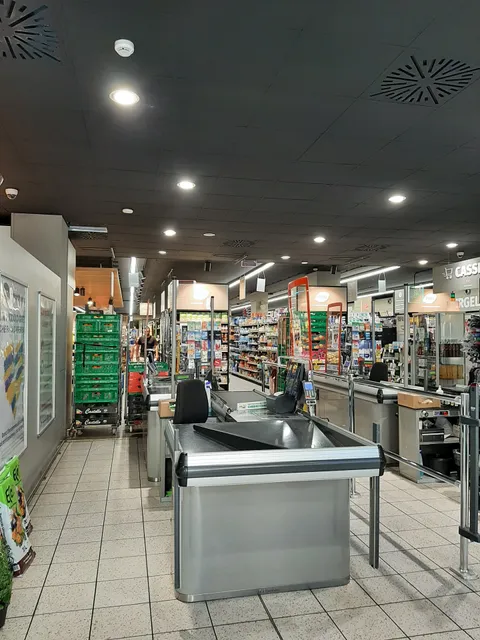
Pam Local
4.0
(748)
Click for details
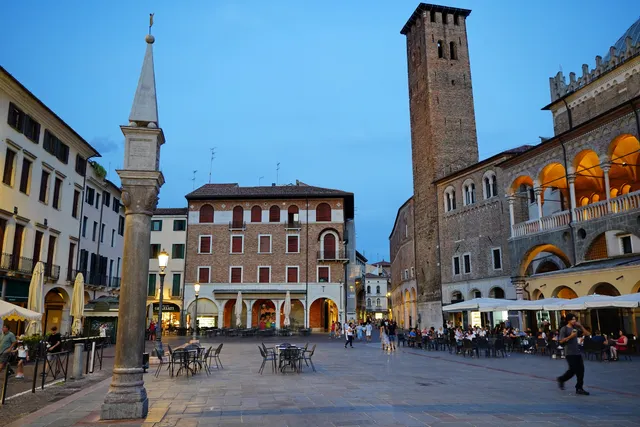
Piazza della frutta
4.6
(2.6K)
Click for details