House of Octavius Quartio things to do, attractions, restaurants, events info and trip planning
Basic Info
House of Octavius Quartio
80045 Pompei, Metropolitan City of Naples, Italy
4.8(60)
Closed
Save
spot
spot
Ratings & Description
Info
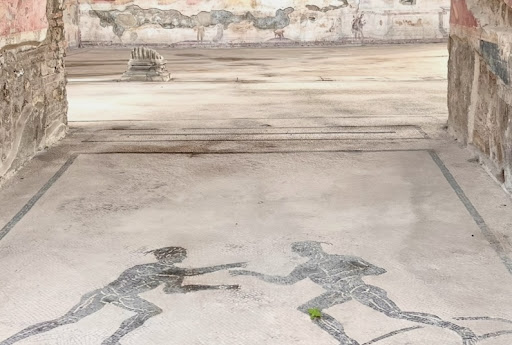
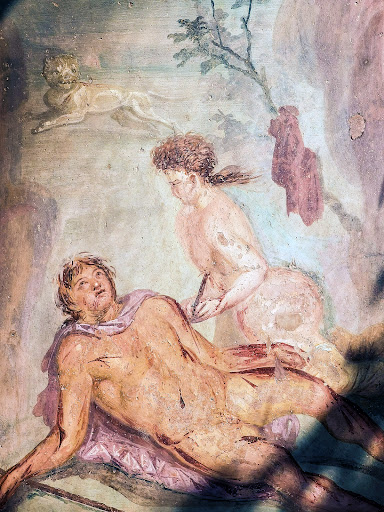
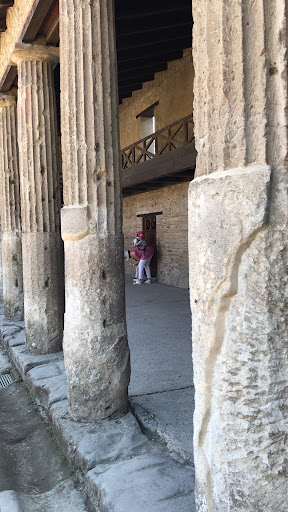
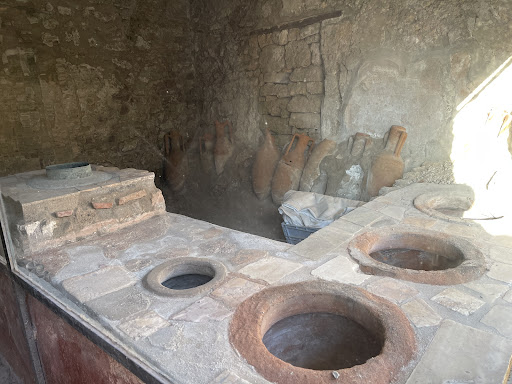
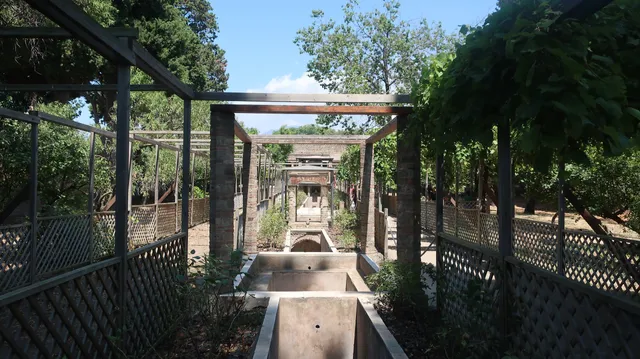
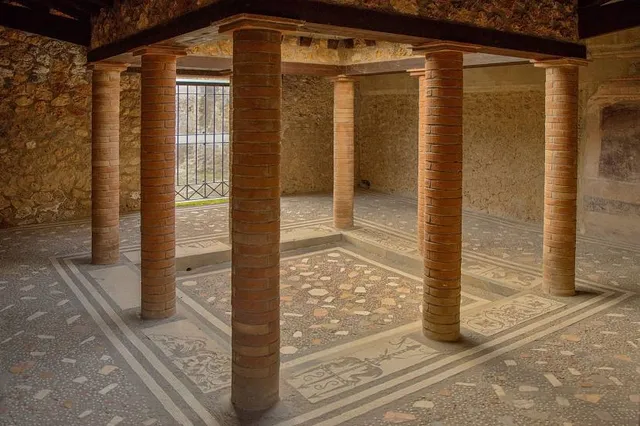
The House of Loreius Tiburtinus is renowned for well-preserved art, mainly in wall-paintings as well as its large gardens. It is in the Roman city of Pompeii and with the rest of Pompeii was preserved by the volcanic eruption of Mount Vesuvius in or after October 79 AD.
Cultural
Scenic
Outdoor
attractions: Amphitheatre of Pompeii, Pompeii Archaeological Park, House of Venus in the Shell, Julia Felix's Villa, Garden of the Fugitives, Palestra Grande, House of Moralista, Schola Armaturarum, Bosco de' Medici Winery, Teatro grande, restaurants: Ristorante Pizzeria IMatti, Varnelli Pizzeria Bistrot Ristorante, Stuzzico By Lucius, ONE SUSHI - Pompei, Le Delizie Pompei, Ristorante Corallo, We Love Puro, 'Mericano Pub Pompei - Steakhouse - Birreria, Bistrot Fratelli Cannavacciuolo, Ventuno grammi - anima in cucina, local businesses: Pompei Scavi Archeologici, Pipol, Casina dell'Aquila, House of Ceii - Excavations, Santuario della Beata Vergine Maria del Santo Rosario di Pompei, Santuario de la Virgen del Rosario de Pompeya, Foro de Pompeya, Antica Erboristeria Pompeiana, Boutique Demil Di Emilia Di Paolo, Bennet S.A.S.Di D'Apuzzo Annunziata & C.
 Learn more insights from Wanderboat AI.
Website
pompeiisites.org
Open hoursSee all hours
Sun9:15 AM - 4:20 PMClosed
Plan your stay

Pet-friendly Hotels in Pompei
Find a cozy hotel nearby and make it a full experience.

Affordable Hotels in Pompei
Find a cozy hotel nearby and make it a full experience.

The Coolest Hotels You Haven't Heard Of (Yet)
Find a cozy hotel nearby and make it a full experience.

Trending Stays Worth the Hype in Pompei
Find a cozy hotel nearby and make it a full experience.
Reviews
Live events
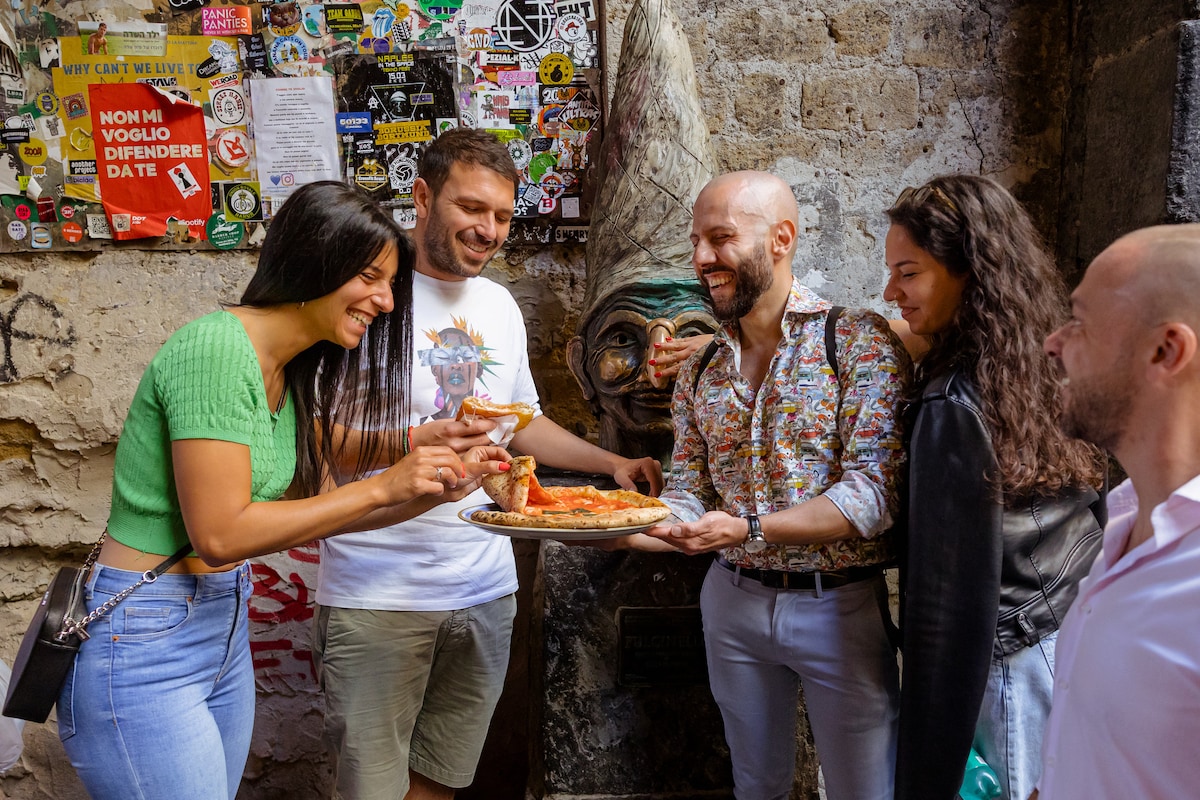
Naples Street Food Tour with a Local Expert
Sun, Feb 22 • 11:00 AM
80138, Naples, Campania, Italy
View details
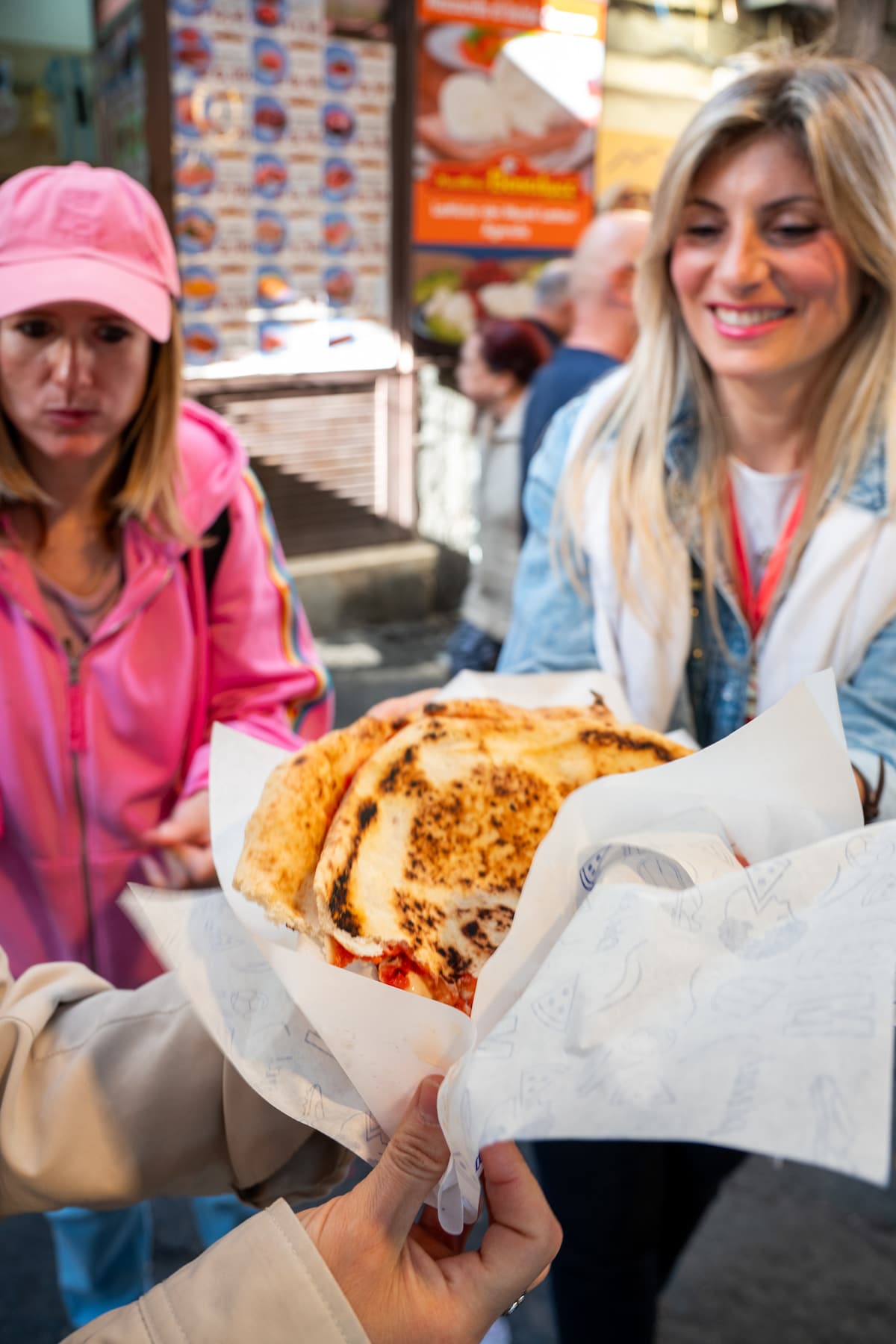
Strolling Naples as a Local - Authentic Experience
Sun, Feb 22 • 10:30 AM
80133, Naples, Campania, Italy
View details

Discover the Amalfi Coast
Sun, Feb 22 • 9:00 AM
80142, Naples, Campania, Italy
View details
Nearby attractions of House of Octavius Quartio
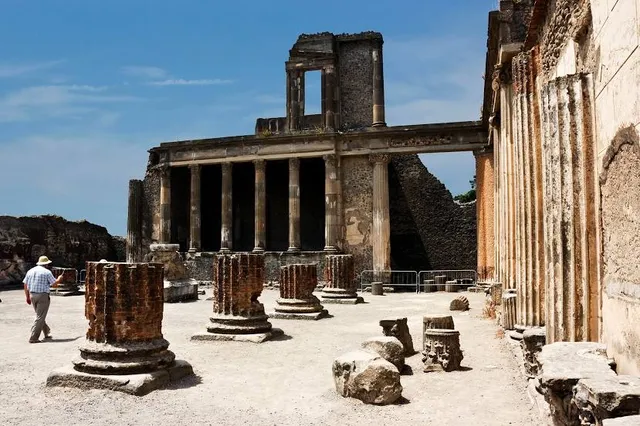
Amphitheatre of Pompeii
Pompeii Archaeological Park
House of Venus in the Shell
Julia Felix's Villa
Garden of the Fugitives
Palestra Grande
House of Moralista
Schola Armaturarum
Bosco de' Medici Winery
Teatro grande
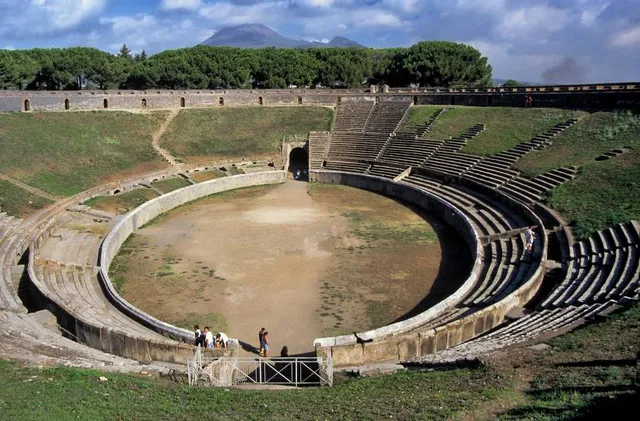
Amphitheatre of Pompeii
4.7
(8.2K)
Closed
Click for details
Pompeii Archaeological Park
4.7
(8.4K)
Closed
Click for details
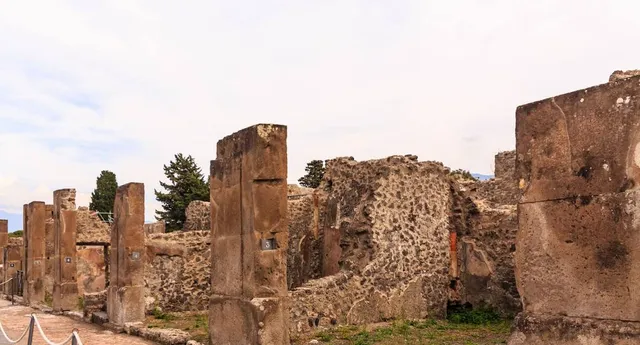
House of Venus in the Shell
4.7
(51)
Closed
Click for details
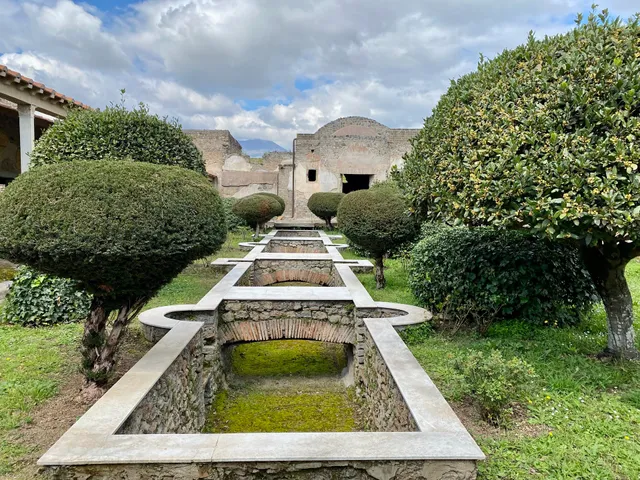
Julia Felix's Villa
4.9
(57)
Closed
Click for details
Nearby restaurants of House of Octavius Quartio
Ristorante Pizzeria IMatti
Varnelli Pizzeria Bistrot Ristorante
Stuzzico By Lucius
ONE SUSHI - Pompei
Le Delizie Pompei
Ristorante Corallo
We Love Puro
'Mericano Pub Pompei - Steakhouse - Birreria
Bistrot Fratelli Cannavacciuolo
Ventuno grammi - anima in cucina

Ristorante Pizzeria IMatti
4.3
(1.6K)
Closed
Click for details
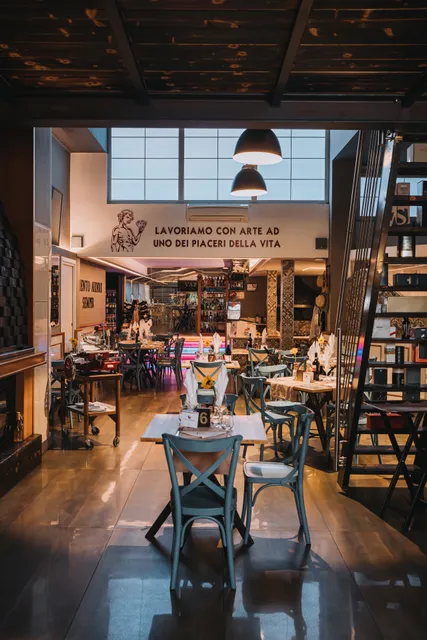
Varnelli Pizzeria Bistrot Ristorante
4.5
(880)
Closed
Click for details
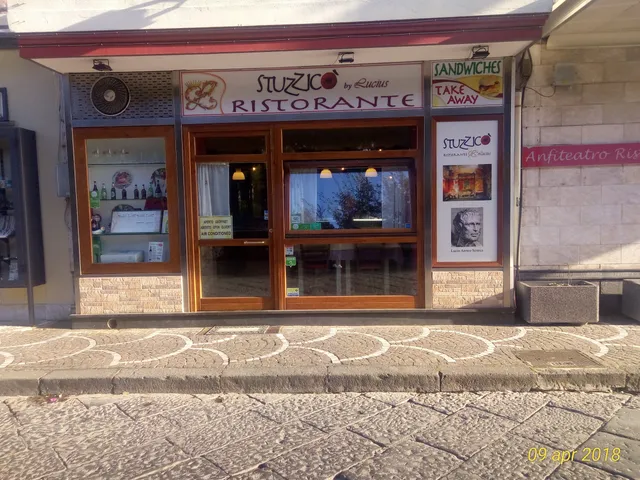
Stuzzico By Lucius
4.7
(761)
$$
Closed
Click for details
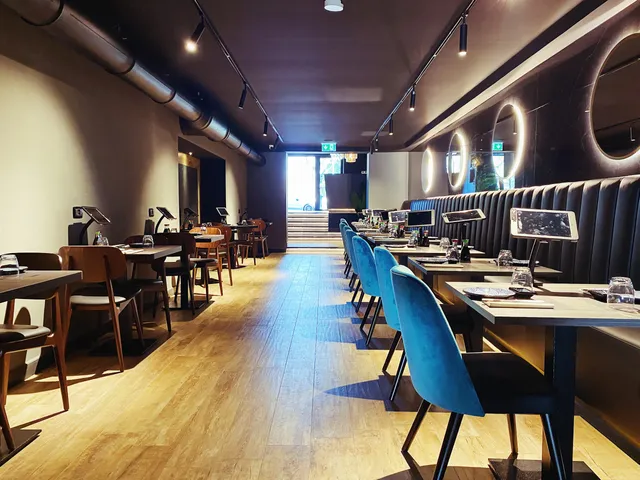
ONE SUSHI - Pompei
4.1
(638)
Closed
Click for details
Nearby local services of House of Octavius Quartio
Pompei Scavi Archeologici
Pipol
Casina dell'Aquila
House of Ceii - Excavations
Santuario della Beata Vergine Maria del Santo Rosario di Pompei
Santuario de la Virgen del Rosario de Pompeya
Foro de Pompeya
Antica Erboristeria Pompeiana
Boutique Demil Di Emilia Di Paolo
Bennet S.A.S.Di D'Apuzzo Annunziata & C.
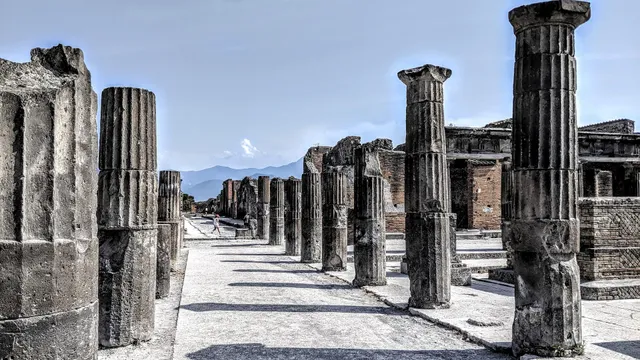
Pompei Scavi Archeologici
4.8
(580)
Click for details

Pipol
4.8
(85)
Click for details
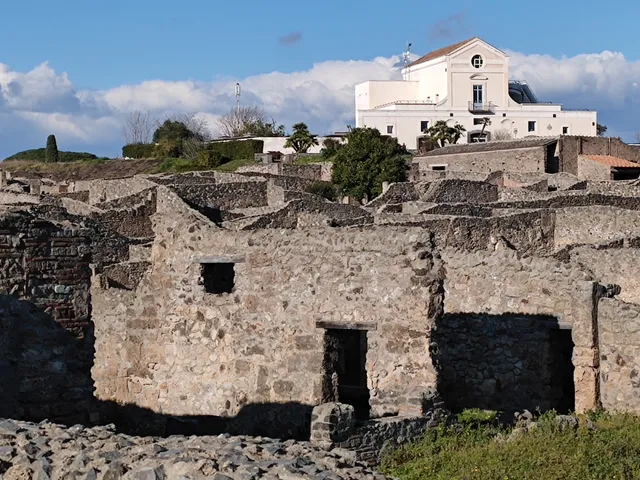
Casina dell'Aquila
2.4
(62)
Click for details
House of Ceii - Excavations
4.7
(30)
Click for details