Pompeii is amazing, no question about it. Many people have written a lot about it, so I am going to limit myself to things we learnt the hard way. The following review is based on two things; that we visited in January during the winter season and that we like to spend a long time looking at sites.
Planning a visit: The winter (post December holidays) is a good time to visit because the sites are sparsely populated. Keep in mind that the hours that the park is open are shorter (9am-5pm, last entry at 3:30pm BUT access to most villas closes around 4pm). As such, if you are someone that takes their time to visit, then plan MORE THAN ONE DAY at the site. If you want to visit the surrounding villas, I would account for another couple of days if you plan to use their free shuttle. The weather is also rainy in winter so this could be an issue.
Getting there from Naples: You can take the Circumvesuviana from piazza Garibaldi but you can also take a direct (slow) metro from your local station. This prevents the need to change trains.
Tickets: IF you are planning to visit the site for more than one day, buy the My Pompeii card for € 35.00. This gives unlimited access to all sites (including Villa dei Misteri, Oplontis, Boscoreale and Stabia) for a YEAR. (The 3-day card only allows access to the Pompeii site ONCE). The My Pompeii card can ONLY be bought online. Ignore the date that the site shows (January 1 of the following year), your clock starts when you collect your card at the ticket office. You WILL have to get an entrance ticket every time you enter but they often have a separate line for My Pompeii card holders.
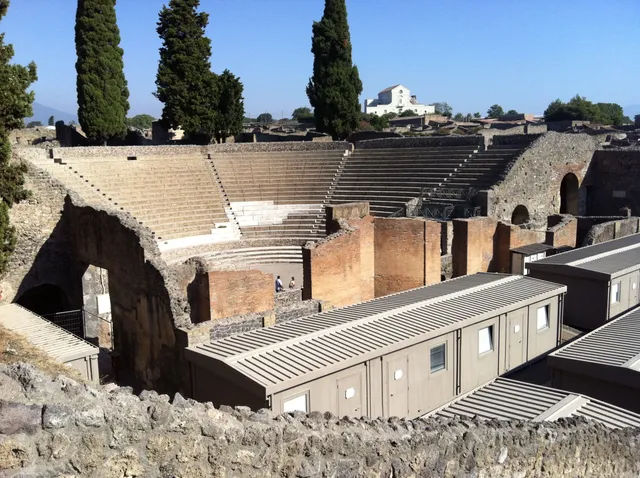
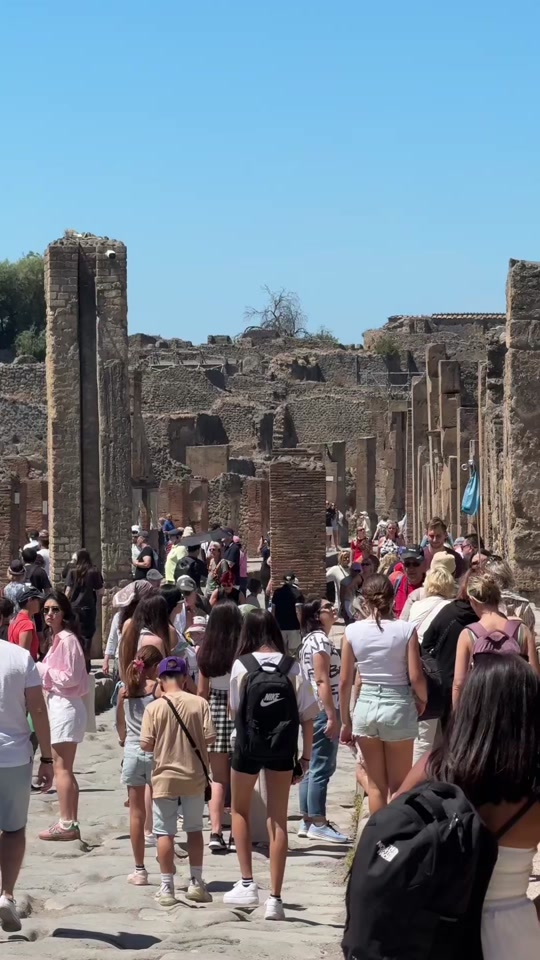
Gates: Plan your entrance carefully. We stayed close to the amphitheater. Although it is further from the other main attractions, it was also the least crowded. Most tour buses seemed to use the Piazza Esedra entrance.
Guide: To get a guide or not to is the question. If you have (god forbid) only 2-3 hours, DEFINITELY get a guide. You WILL NOT be able to see everything unless you have been here before. However, unless you do a private tour, be prepared for large groups, be rushed and not be able to see the frescos properly. We read about Pompeii ahead of time, bought a guidebook, downloaded the My Pompeii app which gives you min. information about the site but more importantly, tells you where you are. Google maps also works well for orientation. The people at each villa are extremely helpful and friendly (again, in the winter there is hardly anyone else around), they will give you information about the site and tell you what is open and what is not.
Access: Villas seem to be randomly closed for restoration or special events. Routes recommended by Google are often blocked off. Several rooms shown in guidebooks are often closed. Stick to the bigger roads (unless you do not mind wandering around) and talk to the guards!
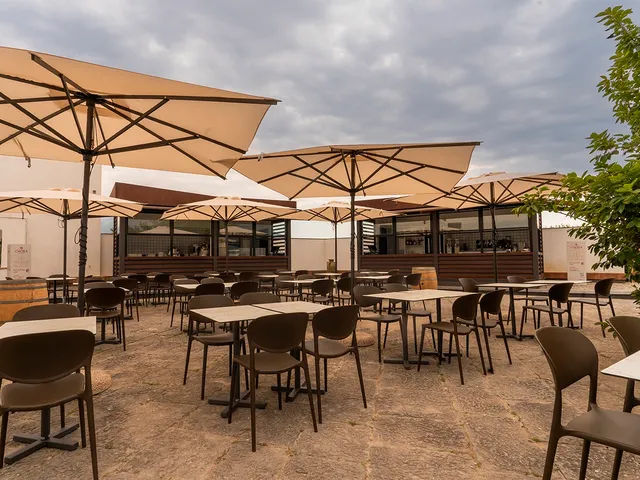
Food and water: You cannot exit and re-enter the site unless you have the My Pompeii card (in which case you will have to get another ticket issued when you re-enter). The cafeteria on site was quite good and very pleasant. This is where your experience will be dictated by when you visit and how crowded the site is. In Jan there was...
Read moreThe Parc Archéologique de Pompéi is one of the world’s most extraordinary archaeological sites, offering an unparalleled glimpse into ancient Roman life frozen in time by the catastrophic eruption of Mount Vesuvius in 79 AD. For photographers, historians, and travelers alike, Pompéi is a captivating destination that combines rich history, dramatic ruins, and striking visual storytelling.
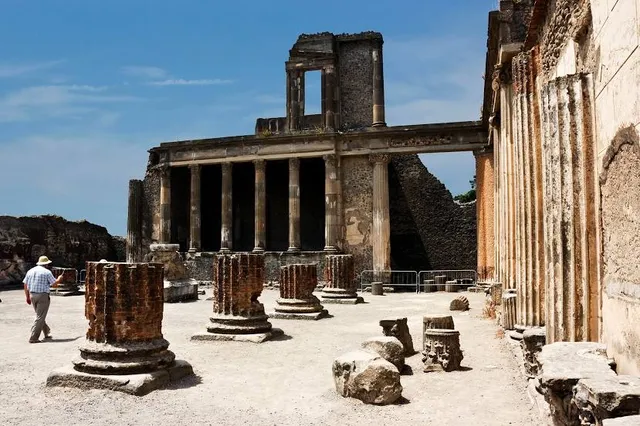
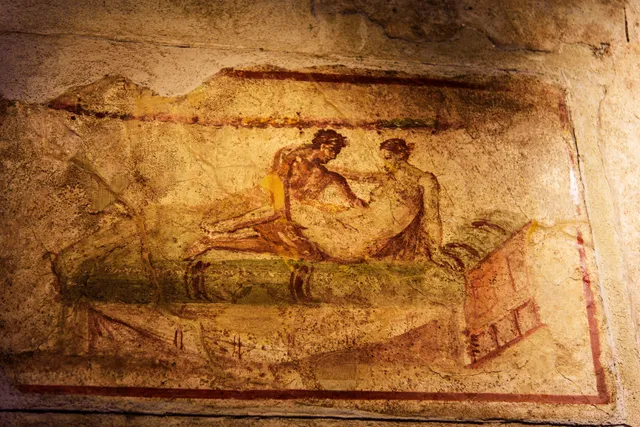
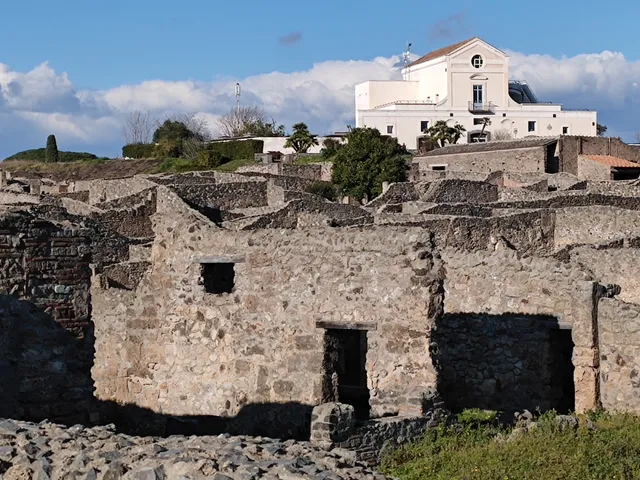
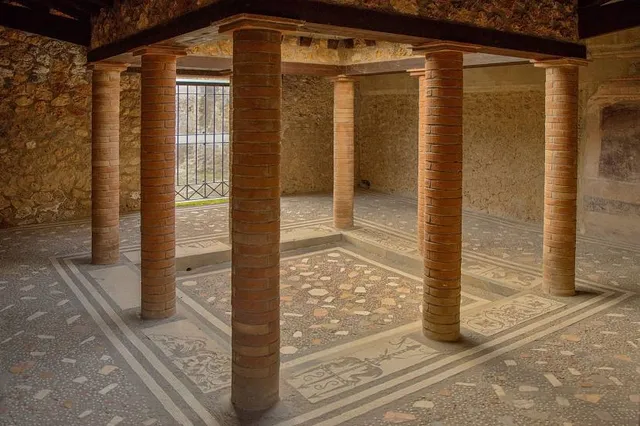
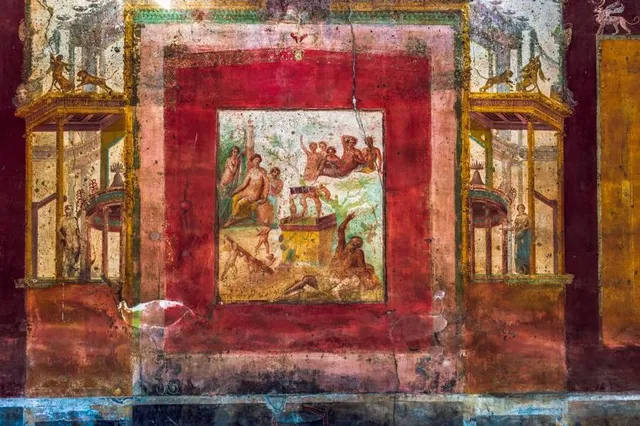
Sprawled over approximately 66 hectares, the archaeological park preserves the remains of a once-thriving Roman city, allowing visitors to walk through streets, homes, temples, theaters, and public baths exactly as they were nearly two millennia ago. The exceptional state of preservation, including detailed frescoes, mosaics, and even everyday household items, creates vivid photo opportunities and a deep connection to the past. Photographers will find endless inspiration in the textures of crumbling stone walls, the interplay of light and shadow in open courtyards, and the haunting outlines of casts made from volcanic ash.
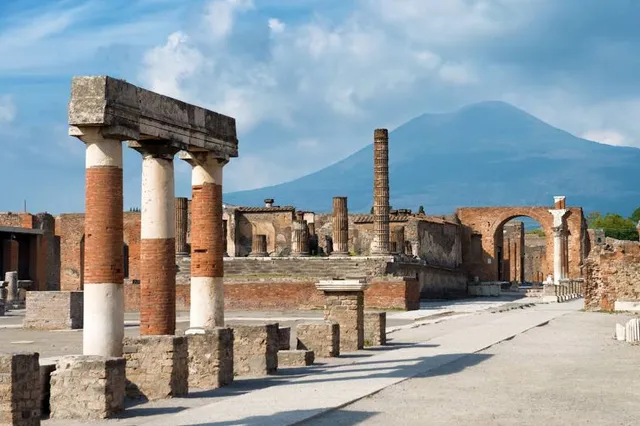
The layout of Pompéi is organized in a way that encourages exploration and discovery. Key highlights include the Forum, the heart of the city’s political and religious life; the Amphitheater, one of the oldest surviving Roman arenas; the House of the Vettii, renowned for its exquisite frescoes; and the Villa of the Mysteries, famous for its enigmatic wall paintings. Each site tells a unique story, adding layers of context and intrigue to the visual experience.
From a photographic perspective, the park offers a remarkable diversity of subjects—from grand architectural ruins to intimate details like graffiti carved into walls or remnants of ancient gardens. The natural lighting varies throughout the day, allowing photographers to capture different moods and perspectives, whether it’s the warm glow of morning sun or the dramatic contrasts of late afternoon shadows.
Beyond the ruins themselves, the surrounding landscape provides stunning views of Mount Vesuvius and the Bay of Naples, framing the ancient city with a dramatic natural backdrop. This juxtaposition of nature and history enriches every visit and photograph.
Visitors appreciate that the site is well-maintained, with clear signage and pathways that make navigation straightforward despite the extensive area. Guided tours and informative panels help deepen understanding, which enhances appreciation and informs photographic storytelling.
For photographers visiting Pompéi, it’s recommended to allocate at least a full day to fully absorb the site’s scale and detail. A range of lenses—from wide-angle for sweeping ruins to macro for intricate frescoes and textures—will help capture the essence of this remarkable place.
In summary, the Parc Archéologique de Pompéi is an exceptional destination for anyone passionate about history, archaeology, and photography. Its unique combination of well-preserved ruins, evocative atmosphere, and stunning surroundings offers limitless creative possibilities, making it a must-visit location for Photolator readers seeking to capture the spirit of ancient Rome with...
Read moreA few options for easier entry into the park.
As you drive into the area the park will be on your right. Pass the many restaurants on the left and proceed into the paid parking lot. Parking is €9 per day. Make payment upon exit from the archaeological park at one of the kiosks before you return to your vehicle. There are two machines. When I went one machine was out and the second only accepted Euros (no credit cards).
There are bathrooms upon entry. Advise to go before walking because once inside you will have to walk quite far to use a toilet again. A few people were seen drinking out of the water fountains. I would advise against this.
Local water is HIGHLY mineralized. You will get a stone and have to pass it from drinking this water. The water is so hard here that I pay a man to come chisel the mineral deposits off of the inside of my toilet because after a few Months of water running through the toilets the mechanisms stop working because the water minerals left behind have clogged the valve. I would advise you do not put that into your body and bring a full water bottle before you enter.
To do this site you will realistically need 5+ hours. There is no point in doing it without a guide. A map alone will not suffice as you will get so bored and tired you will be done after an hour. If the audio guide is not available you can purchase the time of a docent to escort you around the park. They are available in English, Italian, French and German.
Wear close toed and extra sturdy shoes. If you bring kids you will spend a lot of your time yelling at them to stop jumping off of the curb. Unfortunately there are no alcoholic beverages available to make your journey more tolerable. I saw four kids wipe out. Two did face plants and two fell straight upon their knees. Unless you really like to punish yourself, do not take any kids who require strollers.
This place has ramps and elevators. Thus I would consider entry and exit “handicap accessible” HOWEVER anyone in a wheelchair, with crutches, canes, or having mobility issues would be advised to skip the park entirely.
There were a few young people in their 20s taking around their Nonnas but the stone streets have gaps and uneven pavement which pose are a real risk. Part of the park goes on a steep incline and anyone with mobility issues would not be able to...
Read more