Dante's Tomb things to do, attractions, restaurants, events info and trip planning
Basic Info
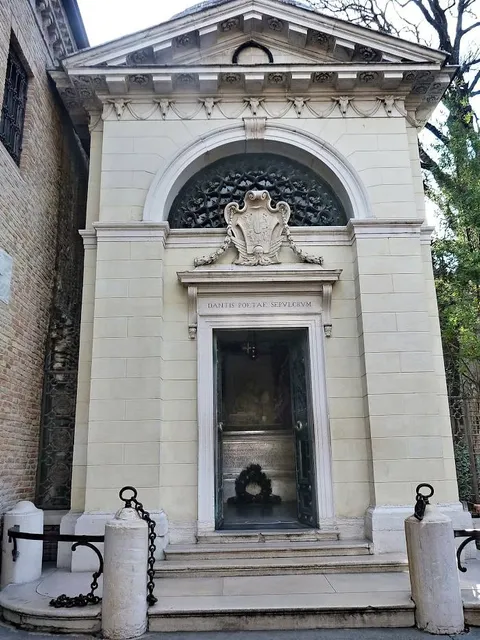
Dante's Tomb
Via Dante Alighieri, 48121 Ravenna RA, Italy
4.5(5.3K)
Closed
Save
spot
spot
Ratings & Description
Info
The Tomb of Dante is an Italian neoclassical national monument built over the tomb of the poet Dante Alighieri in 1781. It is sited next to the Basilica of San Francesco in central Ravenna. The monument is surrounded by a "zona dantesca", in which visitors have to remain silent and respectful.
Cultural
Accessibility
attractions: Basilica of Saint Francis, Fontanella Piazza del Popolo, Teatro Comunale Alighieri, Museo Dante, Ravenna Tourist Office, Basilica di Sant'Apollinare Nuovo, Cripta Rasponi e i Giardini Pensili del Palazzo della Provincia, Battistero Neoniano (o degli Ortodossi), Archiepiscopal Museum, Ravenna, Chiostri Francescani, restaurants: Ca' de Vèn, Caffè Pasticceria Palumbo, Osteria dei Battibecchi, Profumo di Piadina "Laboratorio del Palato", Alighieri cucina, vini, miscelati, Moog, Gustavo Bizantino, Pasticceria Ferrari, Ristorante Marchesini, Gastronomia Marchesini, local businesses: Piazza S. Francesco, 7, Feltrinelli Librerie, Salvagente Outlet 2, Gabriella Profumi, Baptisterio neoniano, Casa Dante, Pasticceria caffetteria 3 Sorelle...gelateria, Apartment Hotel Marchesini, Altromercato Ravenna Emporio, Kasanova Easy
 Learn more insights from Wanderboat AI.
Phone
+39 0544 30297
Website
turismo.ra.it
Open hoursSee all hours
Fri10 AM - 6 PMClosed
Plan your stay

Pet-friendly Hotels in Ravenna
Find a cozy hotel nearby and make it a full experience.

Affordable Hotels in Ravenna
Find a cozy hotel nearby and make it a full experience.

The Coolest Hotels You Haven't Heard Of (Yet)
Find a cozy hotel nearby and make it a full experience.

Trending Stays Worth the Hype in Ravenna
Find a cozy hotel nearby and make it a full experience.
Reviews
Live events

CERCAR DANTE PER RAVENNA
Sun, Feb 22 • 11:00 AM
9 Via Dante Alighieri 48121 Ravenna
View details
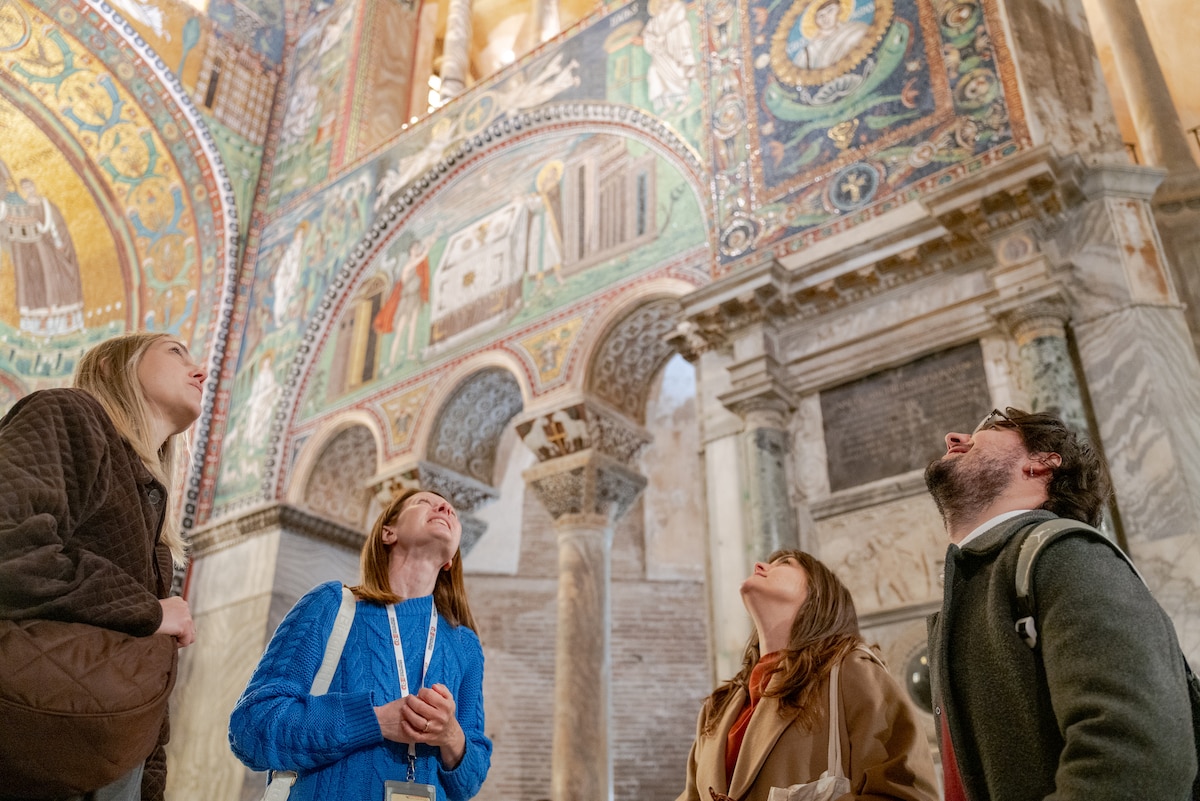
Sample Ravennas vibrant culture and cuisine
Fri, Feb 20 • 10:30 AM
48121, Ravenna, Emilia-Romagna, Italy
View details
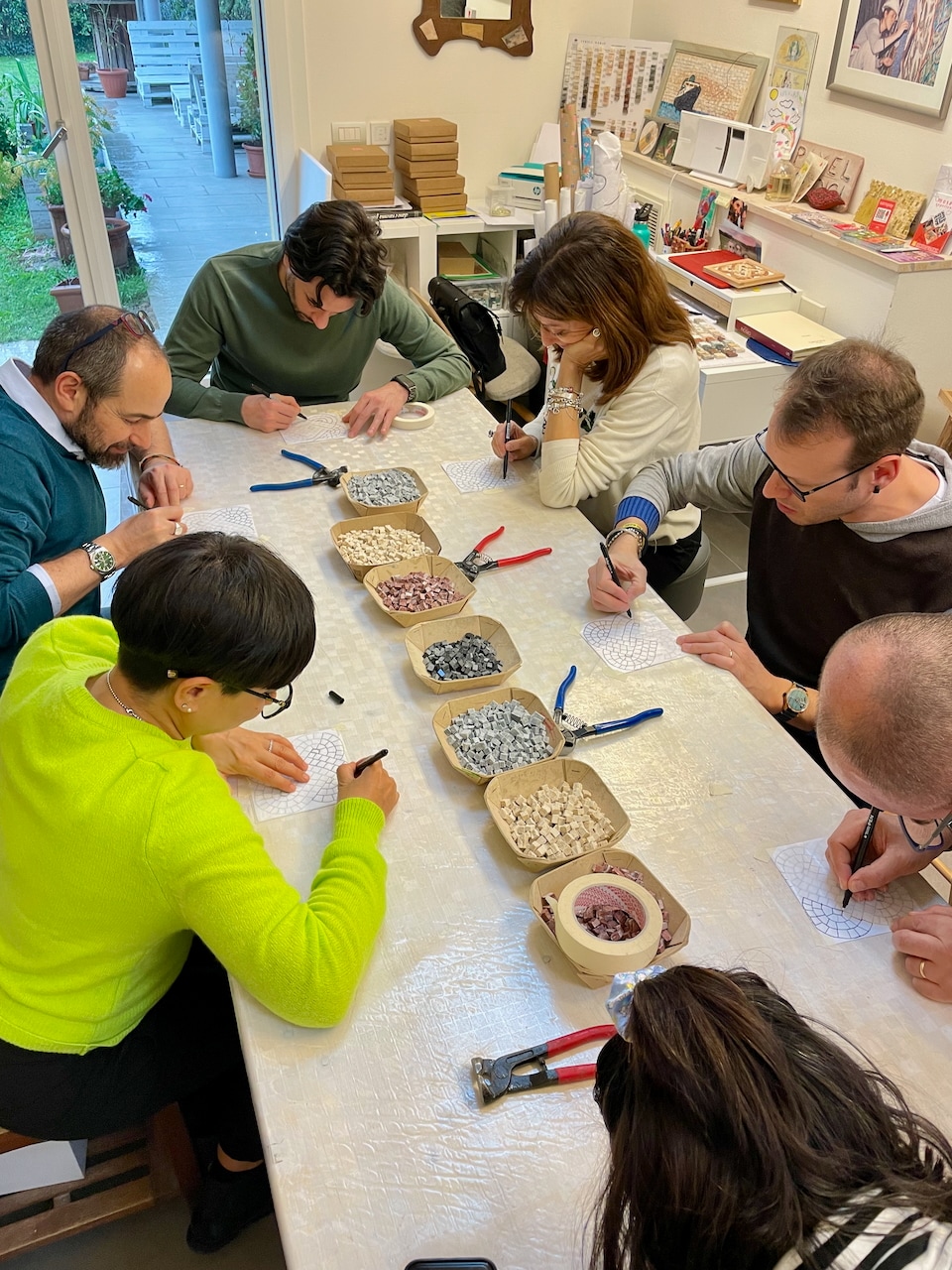
Make a mosaic with your own hands
Fri, Feb 20 • 3:00 PM
48122, Ravenna, Emilia-Romagna, Italy
View details
Nearby attractions of Dante's Tomb
Basilica of Saint Francis
Fontanella Piazza del Popolo
Teatro Comunale Alighieri
Museo Dante
Ravenna Tourist Office
Basilica di Sant'Apollinare Nuovo
Cripta Rasponi e i Giardini Pensili del Palazzo della Provincia
Battistero Neoniano (o degli Ortodossi)
Archiepiscopal Museum, Ravenna
Chiostri Francescani
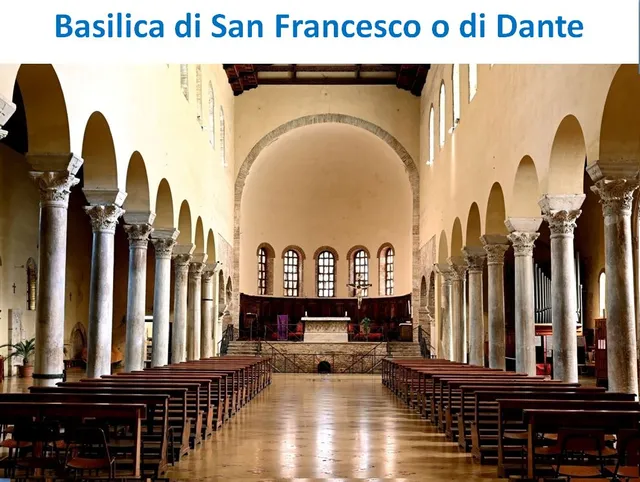
Basilica of Saint Francis
4.6
(795)
Closed
Click for details
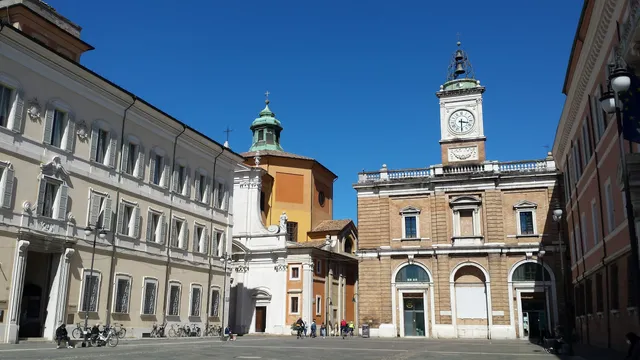
Fontanella Piazza del Popolo
4.4
(4.7K)
Open until 12:00 AM
Click for details
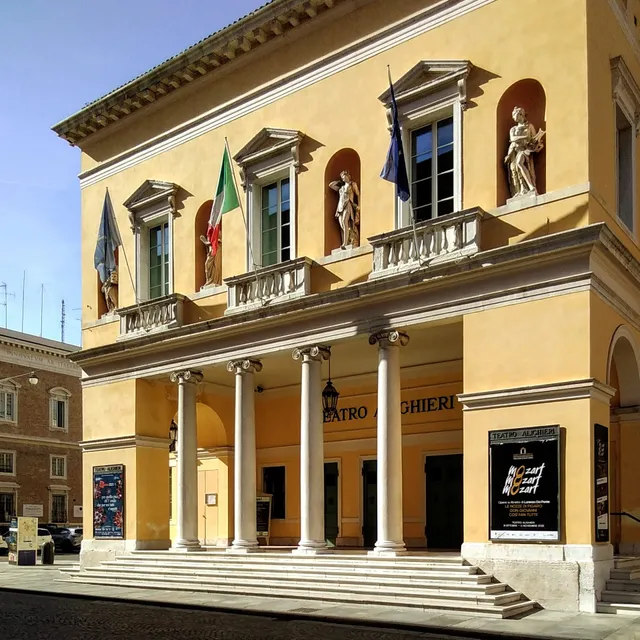
Teatro Comunale Alighieri
4.6
(816)
Open 24 hours
Click for details
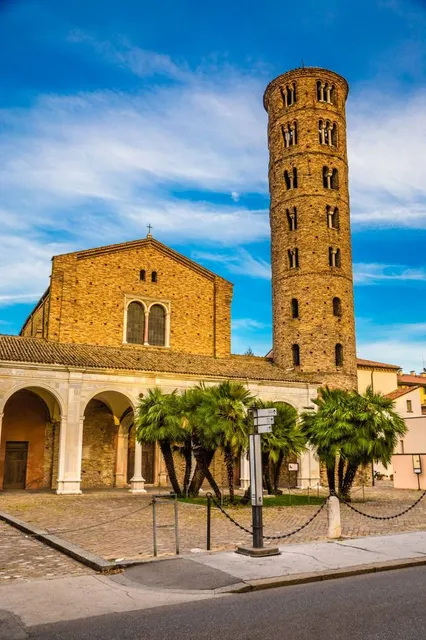
Museo Dante
4.3
(145)
Closed
Click for details
Nearby restaurants of Dante's Tomb
Ca' de Vèn
Caffè Pasticceria Palumbo
Osteria dei Battibecchi
Profumo di Piadina "Laboratorio del Palato"
Alighieri cucina, vini, miscelati
Moog
Gustavo Bizantino
Pasticceria Ferrari
Ristorante Marchesini
Gastronomia Marchesini
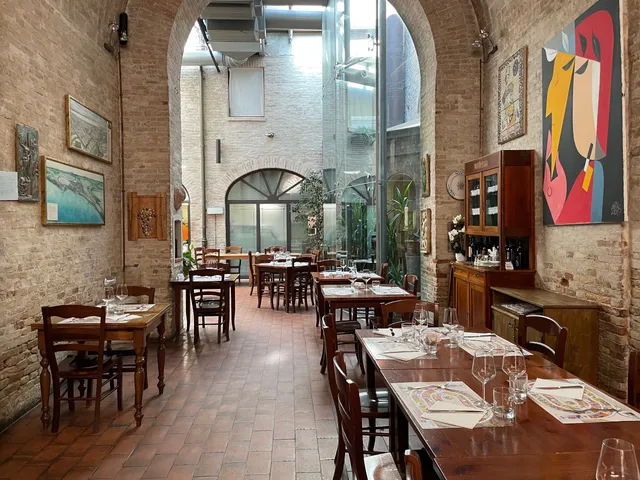
Ca' de Vèn
4.4
(2.5K)
Closed
Click for details
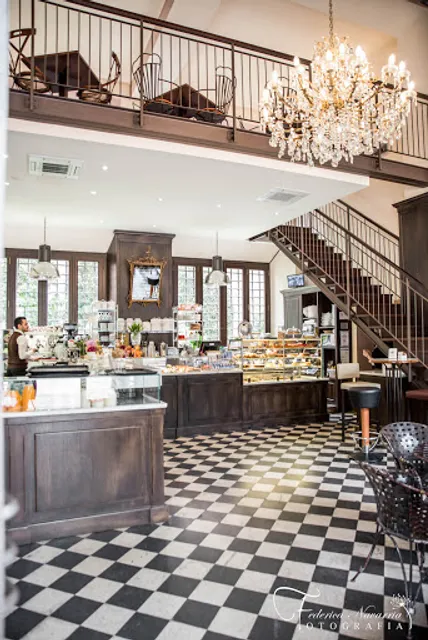
Caffè Pasticceria Palumbo
4.0
(269)
$$
Open until 12:00 AM
Click for details
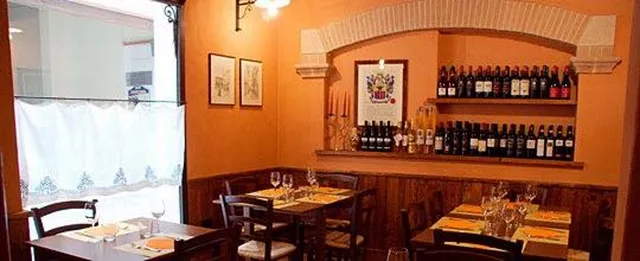
Osteria dei Battibecchi
4.3
(692)
Closed
Click for details
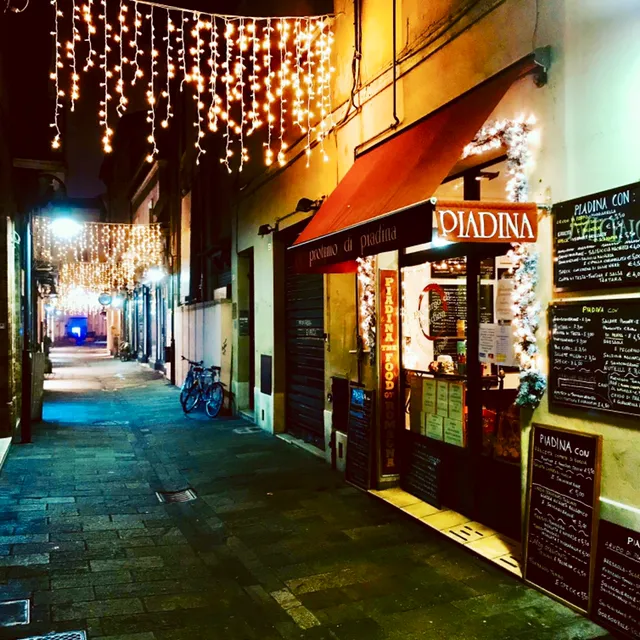
Profumo di Piadina "Laboratorio del Palato"
4.9
(572)
Closed
Click for details
Nearby local services of Dante's Tomb
Piazza S. Francesco, 7
Feltrinelli Librerie
Salvagente Outlet 2
Gabriella Profumi
Baptisterio neoniano
Casa Dante
Pasticceria caffetteria 3 Sorelle...gelateria
Apartment Hotel Marchesini
Altromercato Ravenna Emporio
Kasanova Easy
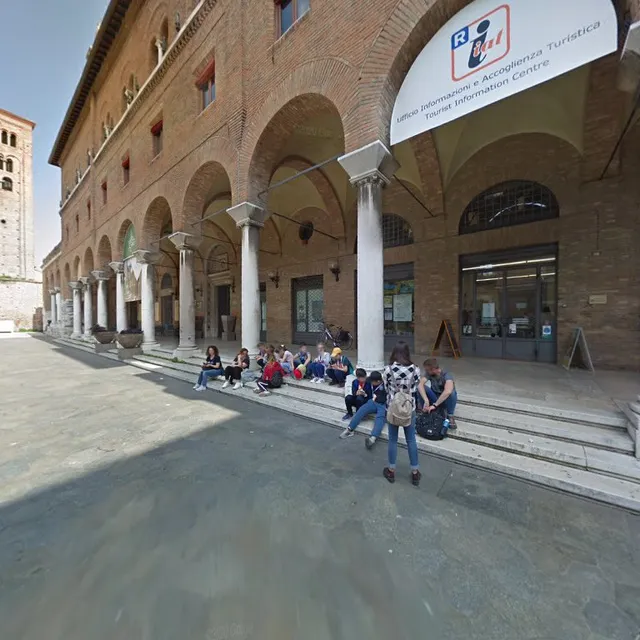
Piazza S. Francesco, 7
4.4
(173)
Click for details
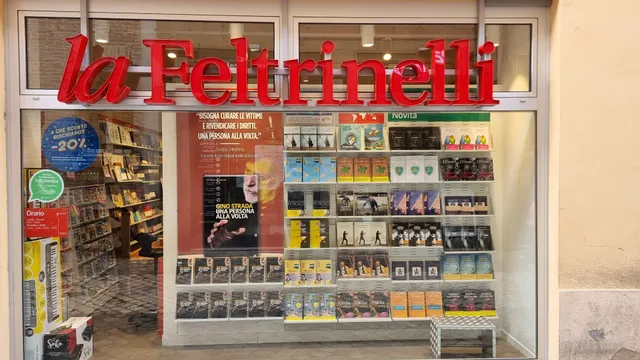
Feltrinelli Librerie
4.4
(644)
Click for details

Salvagente Outlet 2
4.7
(33)
Click for details
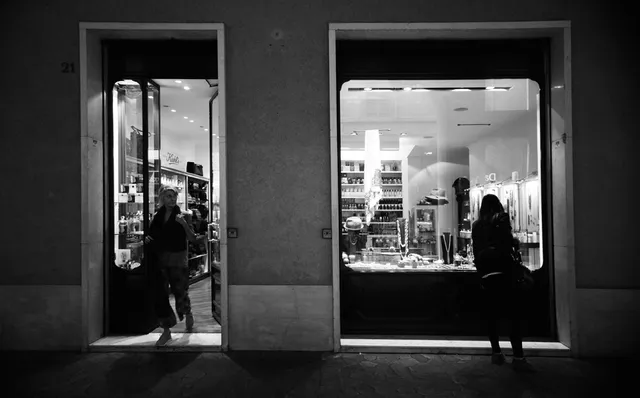
Gabriella Profumi
4.8
(53)
Click for details