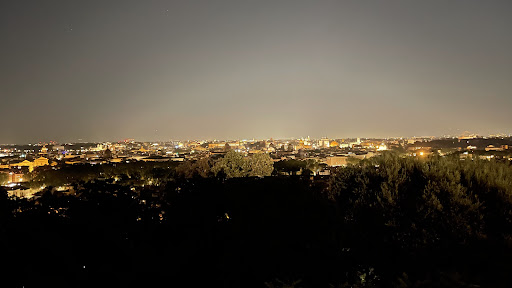
Janiculum Hill things to do, attractions, restaurants, events info and trip planning

Basic Info
Janiculum Hill
Municipio I, 00165 Roma RM, Italy
4.7(448)
Closed
Save
spot
spot
Ratings & Description
Info
The Janiculum, occasionally known as the Janiculan Hill, is a hill in western Rome, Italy. Although it is the second-tallest hill in the contemporary city of Rome, the Janiculum does not figure among the proverbial Seven Hills of Rome, being west of the Tiber and outside the boundaries of the ancient city.
Outdoor
Cultural
Pet friendly
attractions: Botanical Garden of Rome, Giuseppe Garibaldi Monument, Parco del Gianicolo, Fontana dell'Acqua Paola, Giostra del Gianicolo "Bimbo Time", Faro del Gianicolo, Passeggiata del Gianicolo, Museo della Repubblica Romana e della Memoria Garibaldina, Palazzo Corsini, Rome, Villa Farnesina, restaurants: La forchetta romana, Antico Arco, Bar Gianicolo, Tonnarello Scala, Tonnarello | Paglia, Antica Pesa, Pastamore, Dar Poeta, EVO Hosteria Trastevere, Miraggio Trastevere, local businesses: Parque do Gianicolo, Piazza Gianicolo, Church of San Pietro in Montorio, Intrastevere, Gold Blood Tattoo Trastevere, Gelateria Regusto, The Bad Church - Tattoo & Piercing, Funtiffany Arts & Crafts, Ponte Giuseppe Mazzini, Embassy of Ireland
 Learn more insights from Wanderboat AI.
Phone
+39 06 0608
Website
sovraintendenzaroma.it
Open hoursSee all hours
ThuClosed
Plan your stay

Pet-friendly Hotels in Rome
Find a cozy hotel nearby and make it a full experience.

Affordable Hotels in Rome
Find a cozy hotel nearby and make it a full experience.

The Coolest Hotels You Haven't Heard Of (Yet)
Find a cozy hotel nearby and make it a full experience.

Trending Stays Worth the Hype in Rome
Find a cozy hotel nearby and make it a full experience.
Reviews
Live events

Titanic - Un viaggio nel tempo
Fri, Feb 27 • 4:00 PM
Via Trionfale, 7400, Roma, 00136
View details
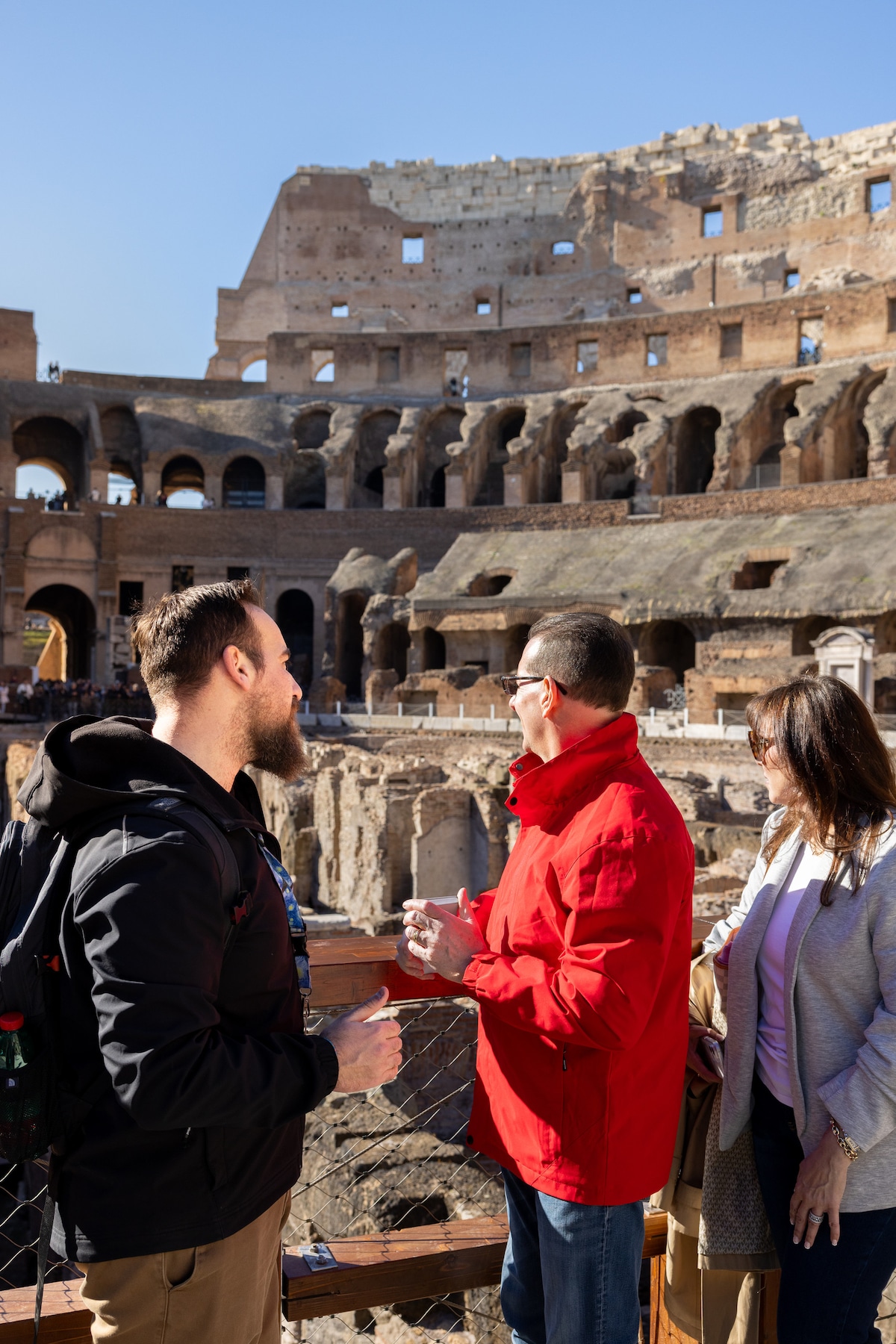
Step onto the arena floor at the Colosseum
Sat, Feb 28 • 11:30 AM
00184, Rome, Lazio, Italy
View details

Indian Film Festival - Bajirao Mastani
Fri, Feb 27 • 6:30 PM
43 Piazza della Repubblica #45 00184 Roma
View details
Nearby attractions of Janiculum Hill
Botanical Garden of Rome
Giuseppe Garibaldi Monument
Parco del Gianicolo
Fontana dell'Acqua Paola
Giostra del Gianicolo "Bimbo Time"
Faro del Gianicolo
Passeggiata del Gianicolo
Museo della Repubblica Romana e della Memoria Garibaldina
Palazzo Corsini, Rome
Villa Farnesina
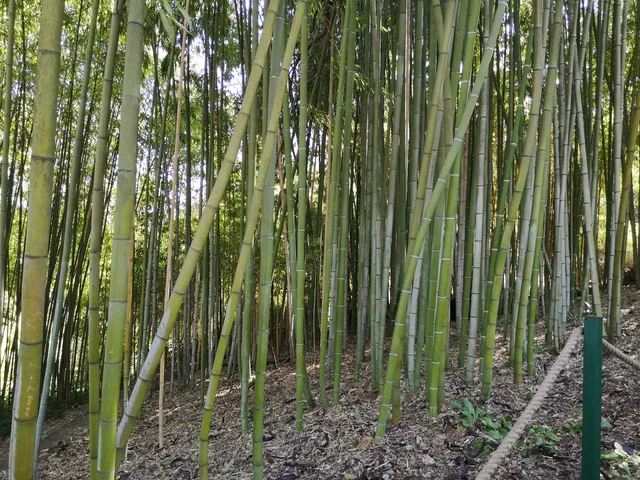
Botanical Garden of Rome
4.4
(4.5K)
Closed
Click for details
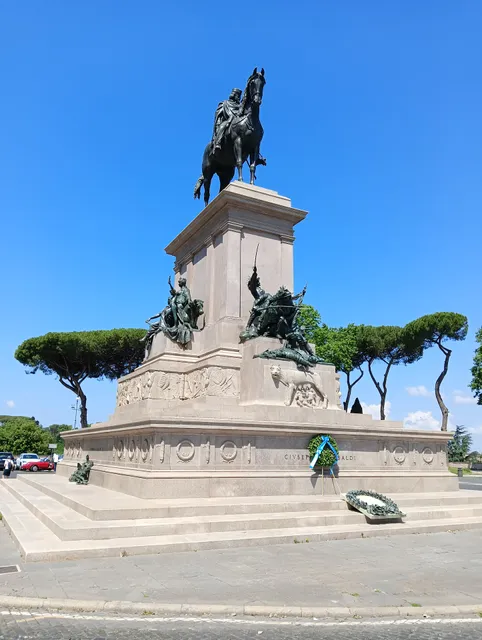
Giuseppe Garibaldi Monument
4.6
(450)
Open until 12:00 AM
Click for details

Parco del Gianicolo
4.6
(496)
Open until 12:00 AM
Click for details
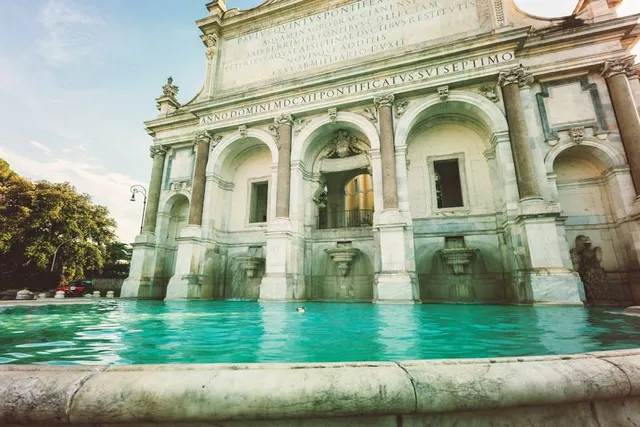
Fontana dell'Acqua Paola
4.7
(4.8K)
Open until 12:00 AM
Click for details
Nearby restaurants of Janiculum Hill
La forchetta romana
Antico Arco
Bar Gianicolo
Tonnarello Scala
Tonnarello | Paglia
Antica Pesa
Pastamore
Dar Poeta
EVO Hosteria Trastevere
Miraggio Trastevere

La forchetta romana
4.5
(34)
Open until 11:30 PM
Click for details
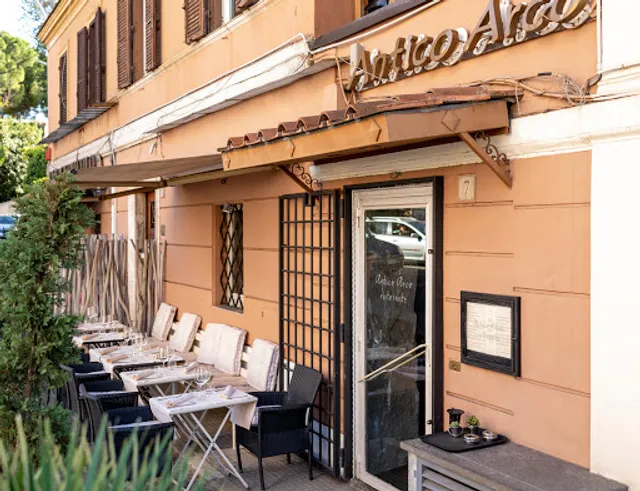
Antico Arco
4.6
(716)
$$$
Open until 12:00 AM
Click for details
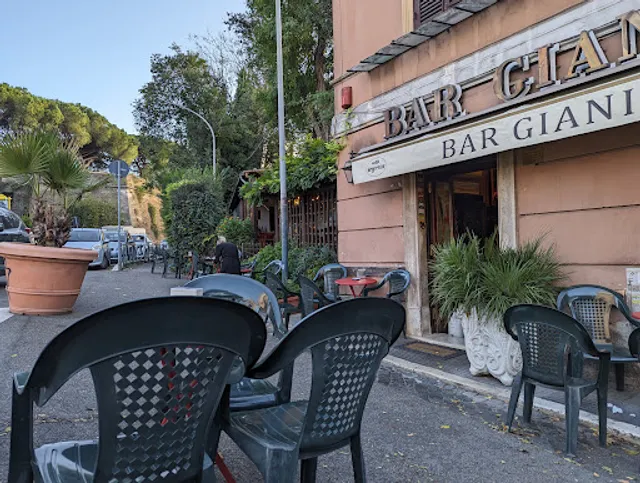
Bar Gianicolo
4.3
(534)
Open until 11:30 PM
Click for details
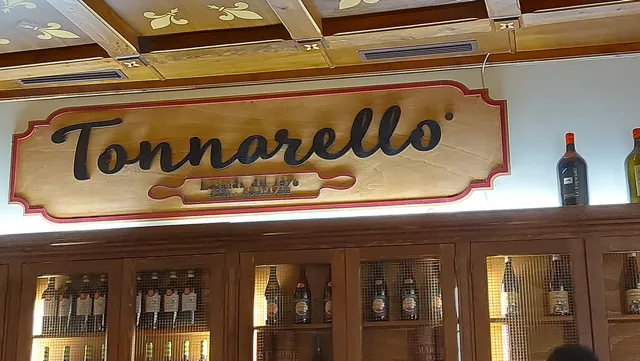
Tonnarello Scala
4.8
(7.5K)
Open until 11:00 PM
Click for details
Nearby local services of Janiculum Hill
Parque do Gianicolo
Piazza Gianicolo
Church of San Pietro in Montorio
Intrastevere
Gold Blood Tattoo Trastevere
Gelateria Regusto
The Bad Church - Tattoo & Piercing
Funtiffany Arts & Crafts
Ponte Giuseppe Mazzini
Embassy of Ireland
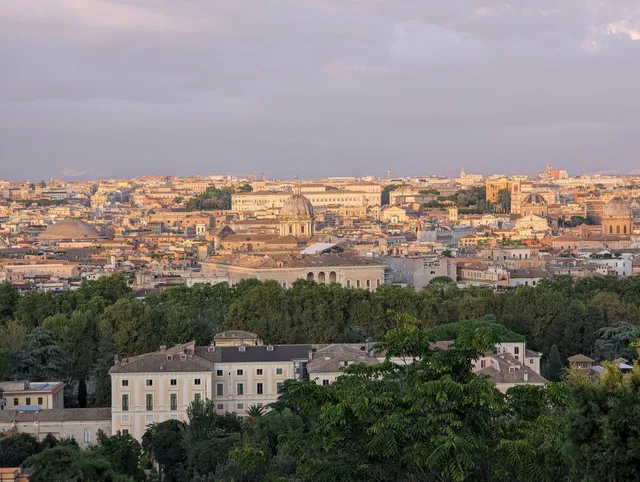
Parque do Gianicolo
4.6
(439)
Click for details
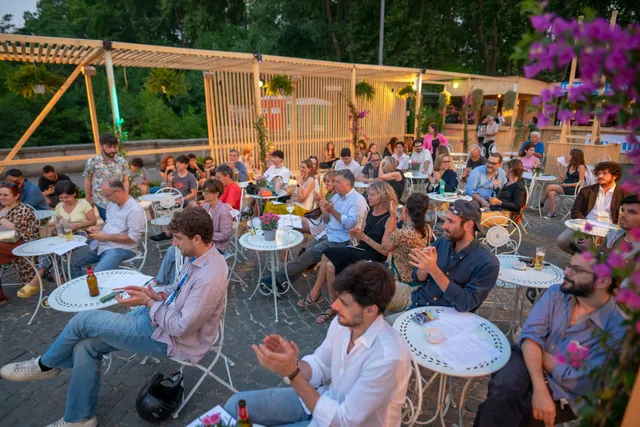
Piazza Gianicolo
4.4
(51)
Click for details
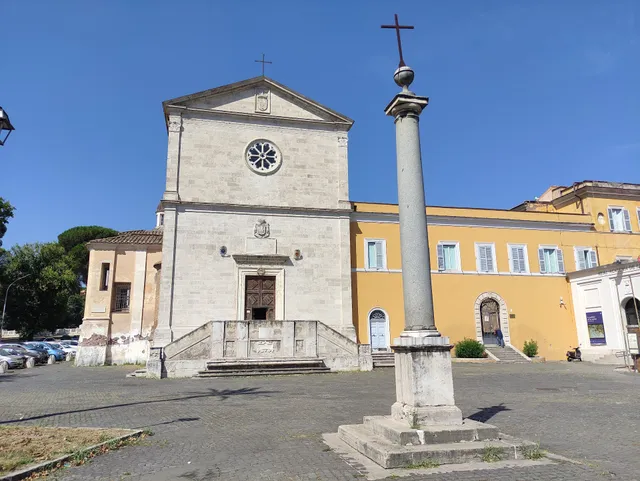
Church of San Pietro in Montorio
4.7
(960)
Click for details
Intrastevere
4.3
(475)
Click for details


The hit list



Plan your trip with Wanderboat
Welcome to Wanderboat AI, your AI search for local Eats and Fun, designed to help you explore your city and the world with ease.
Powered by Wanderboat AI trip planner.