HTML SitemapExplore

Church of San Pietro in Montorio — Local services in Rome

Name
Church of San Pietro in Montorio
Description
Nearby attractions
Fontana dell'Acqua Paola
Via Garibaldi, 00153 Roma RM, Italy
Basilica of Santa Maria in Trastevere
Piazza di Santa Maria in Trastevere, 00153 Roma RM, Italy
Tempietto del Bramante
Piazza di S. Pietro in Montorio, 2, 00153 Roma RM, Italy
Mausoleo Ossario Garibaldino
Mausoleo Ossario Garibaldino, Via Garibaldi, 29, 00153 Roma RM, Italy
Museo di Roma in Trastevere
Piazza di S. Egidio, 1/b, 00153 Roma RM, Italy
Sfiato Rifugio Antiaereo
Via Garibaldi, 00153 Roma RM, Italy
Fontana di Santa Maria in Trastevere
Piazza di Santa Maria in Trastevere, 00153 Roma RM, Italy
Janiculum Hill
Municipio I, 00165 Roma RM, Italy
Botanical Garden of Rome
Largo Cristina di Svezia, 23 A, 00165 Roma RM, Italy
Ponte Sisto
Piazza Trilussa, 00153 Roma RM, Italy
Nearby restaurants
Tonnarello | Paglia
V. della Paglia, 1/2/3, 00153 Roma RM, Italy
Ombre Rosse
Via Garibaldi, 27/G, 00153 Roma RM, Italy
Tonnarello PoP
V. della Paglia, 40, 00153 Roma RM, Italy
La Canonica
Vicolo del Piede, 13a, 00153 Roma RM, Italy
Tonnarello Scala
Piazza della Scala, 19/21, 00153 Roma RM, Italy
Otello
Via della Pelliccia, 47/53, 00153 Roma RM, Italy
Nannarella
Piazza di S. Calisto, 7/a, 00153 Roma RM, Italy
Mimi e Coco Trast
Via della Scala, 1, 00153 Roma RM, Italy
Rione 13 Ristorante
Via Roma Libera, 19, 00153 Roma RM, Italy
Big Star Bar Diner
Via Goffredo Mameli, 25, 00153 Roma RM, Italy
Nearby local services
Il Cinema in Piazza
Piazza di S. Cosimato, 00153 Roma RM, Italy
Intrastevere
Vicolo Moroni, 3, 00153 Roma RM, Italy
Gelateria Regusto
P.za di S. Giovanni della Malva, 9, 00153 Roma RM, Italy
Ottica Roma
Vicolo del Cinque, 7, 00153 Roma RM, Italy
18 mq vintage store
Piazza di S. Cosimato, 51, 00153 Roma RM, Italy
Flake's Design & Arredo TRASTEVERE
Via della Scala, 45, 00153 Roma RM, Italy
Dust of Time
Via del Moro, 59, 00153 Roma RM, Italy
Elvis Lives Trastevere
Via di S. Francesco a Ripa, 27, 00153 Roma RM, Italy
Parque do Gianicolo
Piazzale Giuseppe Garibaldi, 00165 Roma RM, Italy
Osteria Trastevere
Via Emilio Morosini, 17, 00153 Roma RM, Italy
Nearby hotels
Donna Camilla Savelli
Via Garibaldi, 27, 00153 Roma RM, Italy
Mama House Roma
Via Goffredo Mameli, 40, 00153 Roma RM, Italy
Residenza del Cedro
Vicolo del Cedro, 11, 00153 Roma RM, Italy
Trastevere 2.0
Via Goffredo Mameli, 30, 00153 Roma RM, Italy
Hotel Trastevere
Via Luciano Manara, 24a, 00153 Roma RM, Italy
Hotel Santa Maria
Vicolo del Piede, 2, 00153 Roma RM, Italy
Residenza Belli
Via Goffredo Mameli, 47, 00153 Roma RM, Italy
Gio' Suites, Rome
Via Agostino Bertani, 8, 00153 Roma RM, Italy
Hotel Carmel Trastevere
Via Goffredo Mameli, 11, 00153 Roma RM, Italy
Il Mulino di Trastevere - My Extra Home
Via Garibaldi, 36, 00153 Roma RM, Italy
Related posts
Keywords
Church of San Pietro in Montorio tourism.Church of San Pietro in Montorio hotels.Church of San Pietro in Montorio bed and breakfast. flights to Church of San Pietro in Montorio.Church of San Pietro in Montorio attractions.Church of San Pietro in Montorio restaurants.Church of San Pietro in Montorio local services.Church of San Pietro in Montorio travel.Church of San Pietro in Montorio travel guide.Church of San Pietro in Montorio travel blog.Church of San Pietro in Montorio pictures.Church of San Pietro in Montorio photos.Church of San Pietro in Montorio travel tips.Church of San Pietro in Montorio maps.Church of San Pietro in Montorio things to do.
Church of San Pietro in Montorio things to do, attractions, restaurants, events info and trip planning
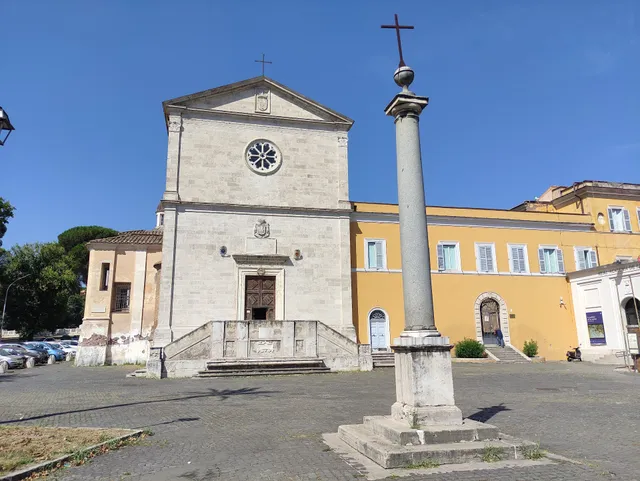
Church of San Pietro in Montorio
ItalyLazioRomeChurch of San Pietro in Montorio

Basic Info

Church of San Pietro in Montorio

Piazza di S. Pietro in Montorio, 2, 00153 Roma RM, Italy
4.7(1.0K)
Closed
Save
spot

Ratings & Description

Info

Cultural
Scenic
Accessibility
Family friendly
attractions: Fontana dell'Acqua Paola, Basilica of Santa Maria in Trastevere, Tempietto del Bramante, Mausoleo Ossario Garibaldino, Museo di Roma in Trastevere, Sfiato Rifugio Antiaereo, Fontana di Santa Maria in Trastevere, Janiculum Hill, Botanical Garden of Rome, Ponte Sisto, restaurants: Tonnarello | Paglia, Ombre Rosse, Tonnarello PoP, La Canonica, Tonnarello Scala, Otello, Nannarella, Mimi e Coco Trast, Rione 13 Ristorante, Big Star Bar Diner, local businesses: Il Cinema in Piazza, Intrastevere, Gelateria Regusto, Ottica Roma, 18 mq vintage store, Flake's Design & Arredo TRASTEVERE, Dust of Time, Elvis Lives Trastevere, Parque do Gianicolo, Osteria Trastevere

logoLearn more insights from Wanderboat AI.
Phone
+39 06 581 3940
Website
sanpietroinmontorio.it
Open hoursSee all hours
Tue8 AM - 12 PM, 3 - 4 PMClosed

Plan your stay

hotel
Pet-friendly Hotels in Rome
Find a cozy hotel nearby and make it a full experience.

hotel
Affordable Hotels in Rome
Find a cozy hotel nearby and make it a full experience.

hotel
The Coolest Hotels You Haven't Heard Of (Yet)
Find a cozy hotel nearby and make it a full experience.

hotel
Trending Stays Worth the Hype in Rome
Find a cozy hotel nearby and make it a full experience.

Reviews

Live events
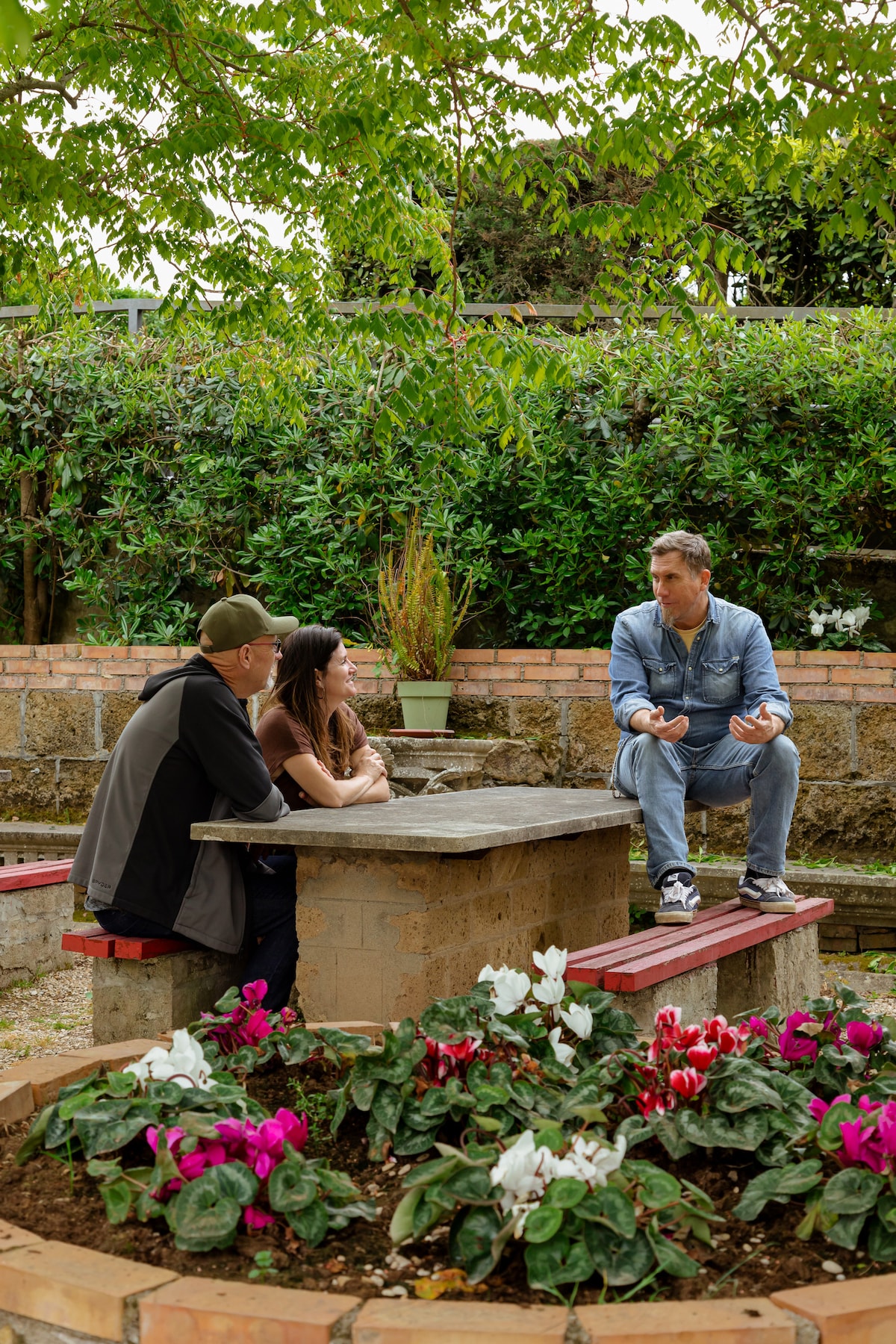
Catacombs: The Coolest Underground Tour in Rome
Wed, Jan 28 • 10:00 AM
00147, Rome, Lazio, Italy
View details
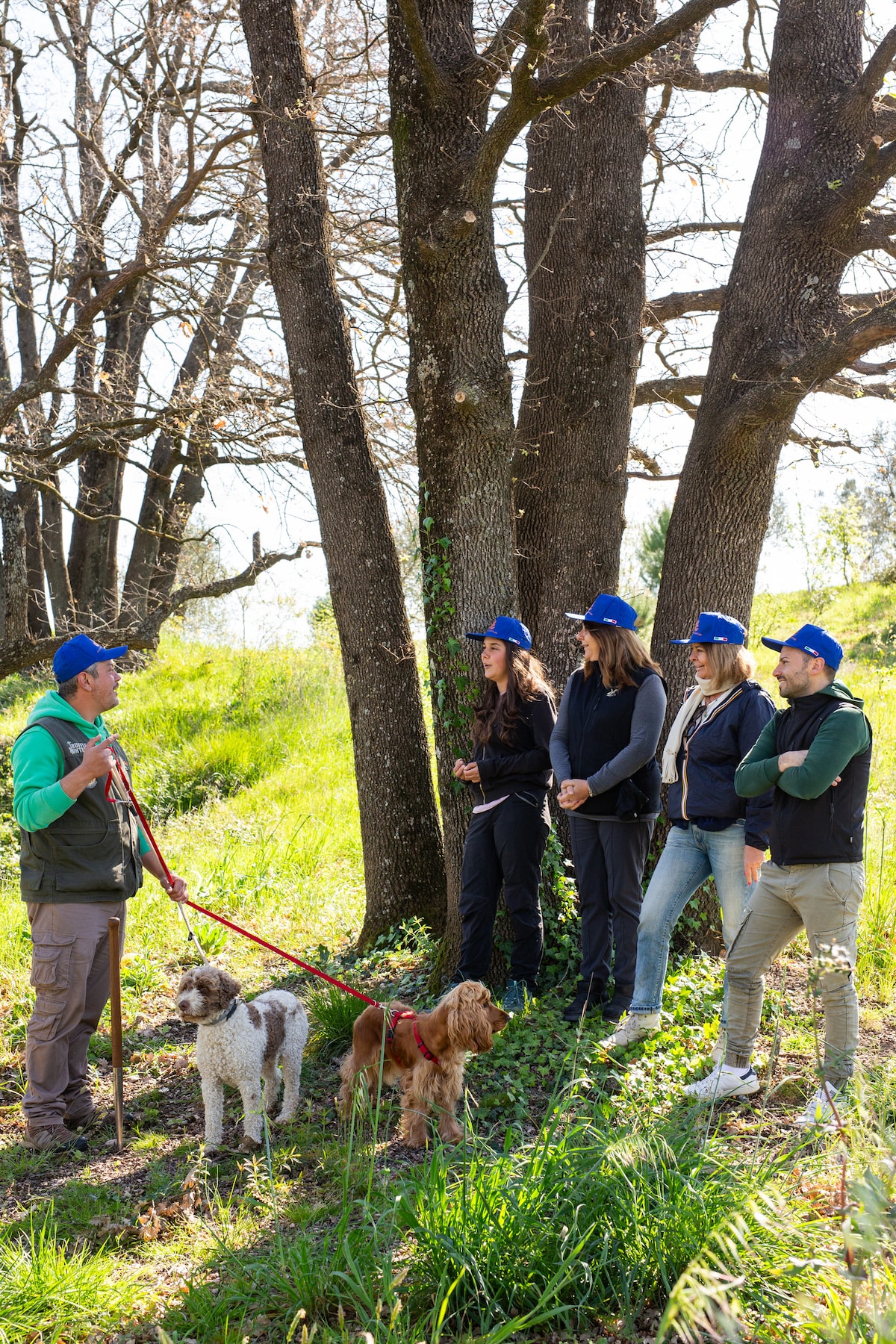
Discovering truffles in the roman countryside
Thu, Jan 29 • 9:30 AM
00123, Rome, Lazio, Italy
View details
A cosa crediamo? Fake news, IA e informazione
Tue, Jan 27 • 6:00 PM
26 Via Carlo Emanuele I 00185 Roma
View details

Nearby attractions of Church of San Pietro in Montorio

Fontana dell'Acqua Paola

Basilica of Santa Maria in Trastevere

Tempietto del Bramante

Mausoleo Ossario Garibaldino

Museo di Roma in Trastevere

Sfiato Rifugio Antiaereo

Fontana di Santa Maria in Trastevere

Janiculum Hill

Botanical Garden of Rome

Ponte Sisto
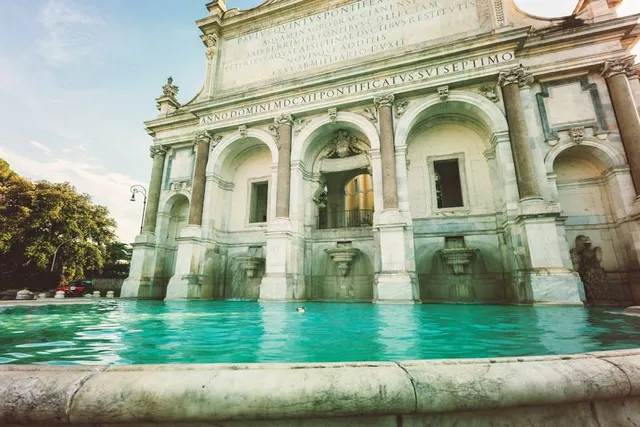
Fontana dell'Acqua Paola

Fontana dell'Acqua Paola

4.7

(4.8K)

Open until 12:00 AM
Click for details
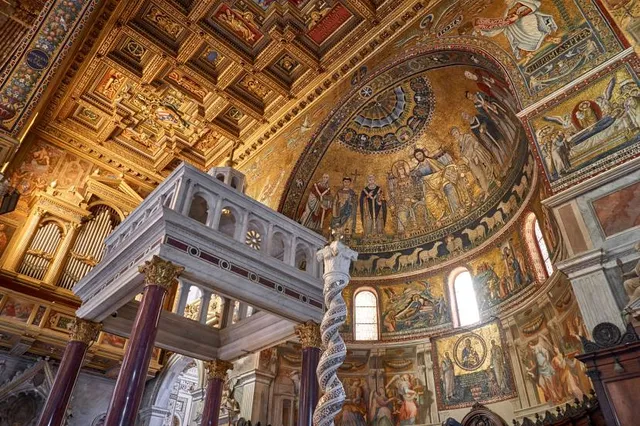
Basilica of Santa Maria in Trastevere

Basilica of Santa Maria in Trastevere

4.7

(8.7K)

Closed
Click for details
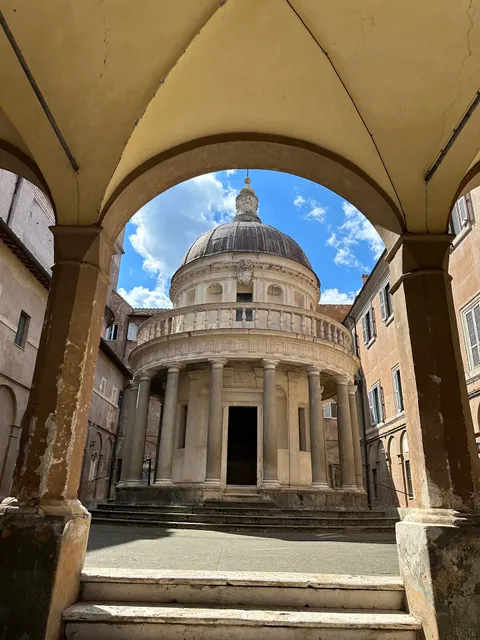
Tempietto del Bramante

Tempietto del Bramante

4.7

(82)

Open until 12:00 AM
Click for details
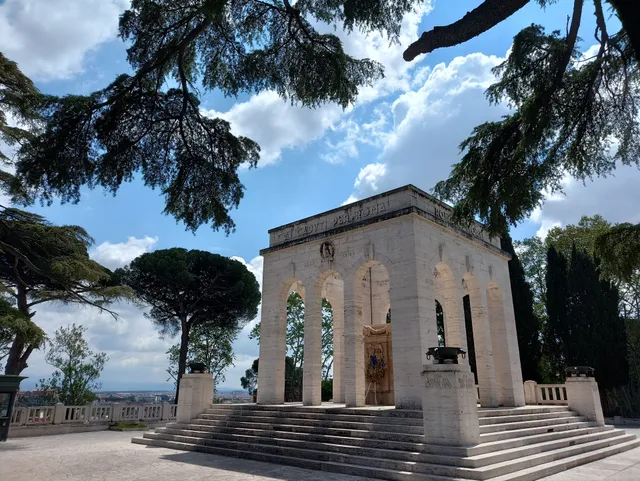
Mausoleo Ossario Garibaldino

Mausoleo Ossario Garibaldino

4.5

(132)

Open until 12:00 AM
Click for details

Nearby restaurants of Church of San Pietro in Montorio

Tonnarello | Paglia

Ombre Rosse

Tonnarello PoP

La Canonica

Tonnarello Scala

Otello

Nannarella

Mimi e Coco Trast

Rione 13 Ristorante

Big Star Bar Diner
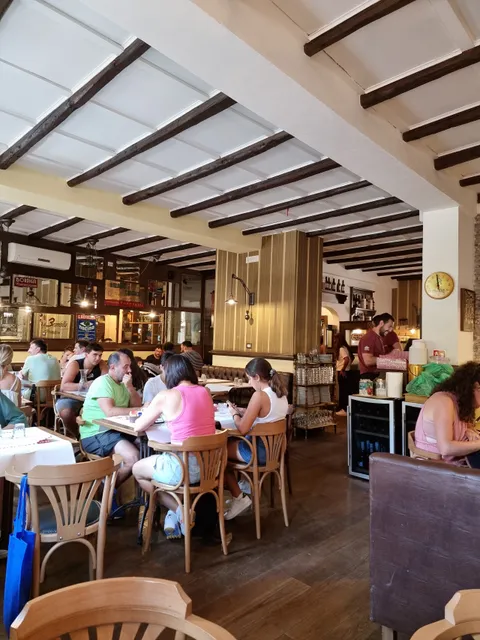
Tonnarello | Paglia

Tonnarello | Paglia

4.7

(32K)

Open until 11:00 PM
Click for details
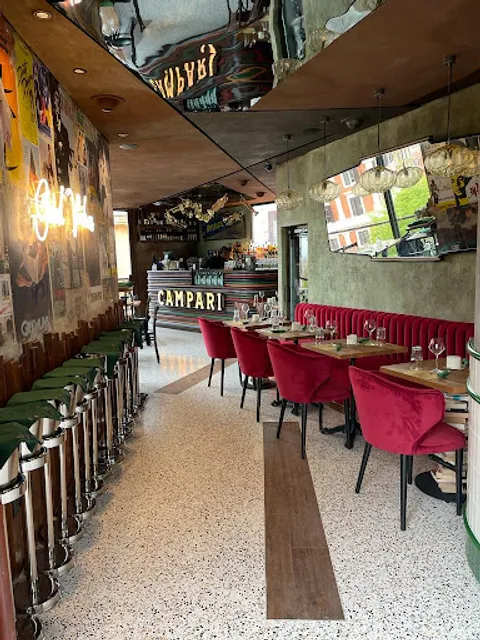
Ombre Rosse

Ombre Rosse

4.5

(1.9K)

Open until 12:00 AM
Click for details
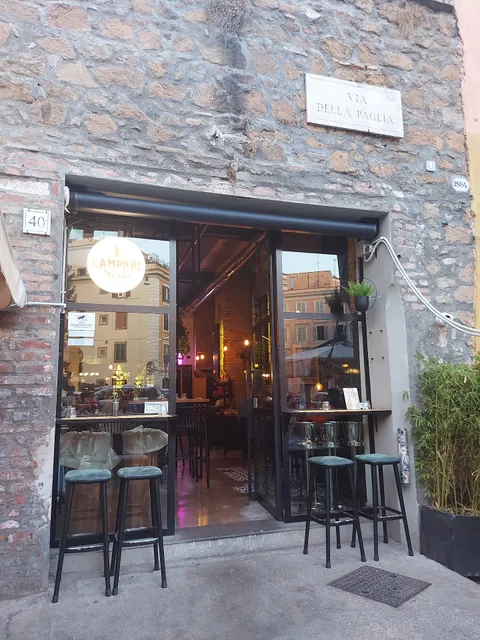
Tonnarello PoP

Tonnarello PoP

4.8

(671)

Open until 12:00 AM
Click for details
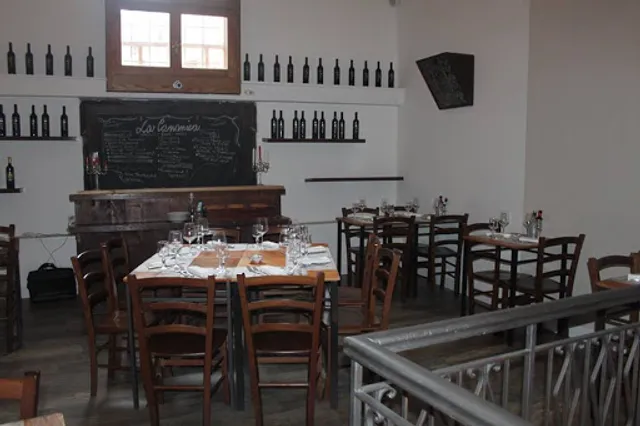
La Canonica

La Canonica

4.5

(8.8K)

Open until 1:00 AM
Click for details

Nearby local services of Church of San Pietro in Montorio

Il Cinema in Piazza

Intrastevere

Gelateria Regusto

Ottica Roma

18 mq vintage store

Flake's Design & Arredo TRASTEVERE

Dust of Time

Elvis Lives Trastevere

Parque do Gianicolo

Osteria Trastevere
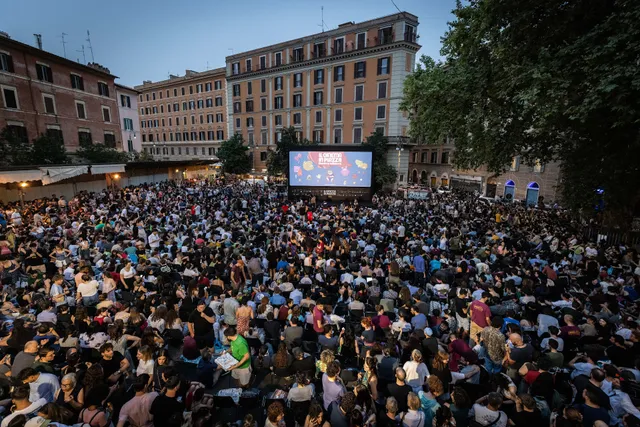
Il Cinema in Piazza

Il Cinema in Piazza

4.7

(124)

Click for details
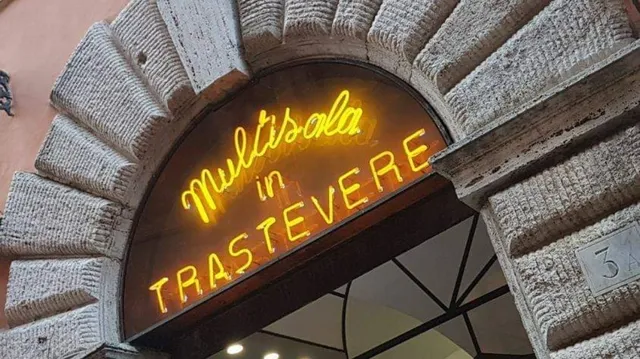
Intrastevere

Intrastevere

4.3

(449)

Click for details
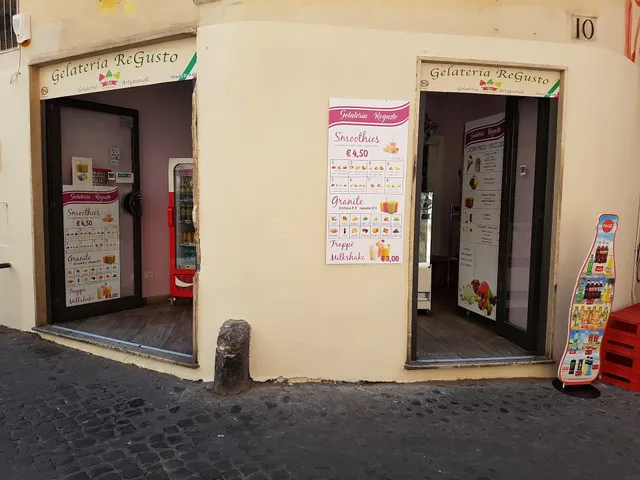
Gelateria Regusto

Gelateria Regusto

4.7

(288)

Click for details
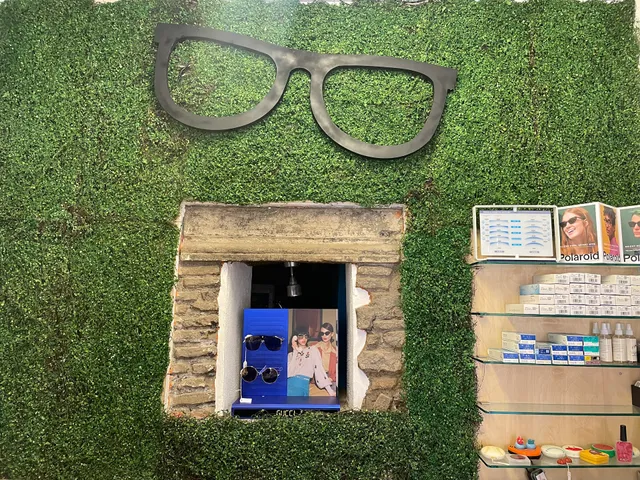
Ottica Roma

Ottica Roma

4.6

(51)

Click for details

Get the Appoverlay
Get the AppOne tap to find yournext favorite spots!

The hit list

restaurant
Best 10 Restaurants to Visit in Rome
February 12 · 5 min read
attraction
Best 10 Attractions to Visit in Rome
February 12 · 5 min read
Rome

Plan your trip with Wanderboat

Welcome to Wanderboat AI, your AI search for local Eats and Fun, designed to help you explore your city and the world with ease.

Powered by Wanderboat AI trip planner.
Wanderboat LogoWanderboat

Your everyday Al companion for getaway ideas

CompanyAbout Us
InformationAI Trip PlannerSitemap
SocialXInstagramTiktokLinkedin
LegalTerms of ServicePrivacy Policy

Get the app

© 2025 Wanderboat. All rights reserved.

Reviews of Church of San Pietro in Montorio

4.7
(1,035)
avatar
4.0
6y

Is a titular church located in Janniculum, part of the Trastevere marina in Rome, Italy, famous for stealing the famous Tempio, a martyr (a shrine) built by Donato Bermante. The old Franciscan monastery has now annexed the Royal School of Spain in Rome. The church was built on the site of an ancient church from the 9th century dedicated to St. Peter on Mount Janniculus. According to tradition, Peter was crucified here. In the fifteenth century, the ruins of this church were handed over to Friarsmadystas, a reformist branch of the Franciscans founded by Baruch Amadeus of Portugal, who served as the confessor of Pope Sixtus IV of 1472. The new church was commissioned by the Catholic monarchs, Fernando Isabella de Sfard. The church is decorated mainly with the works of prominent masters in the sixteenth and seventeenth centuries. In the first chapel on the right are "Wheels" and "Change" (1516-1524) by Sebastiano del Fiumbo. Michelangelo, who became Sebastiano's friend in Rome, is the author of several paintings that were first incorporated. In the second chapel there are frescoes by Niccolo Sircini (1654), several Renaissance frescoes of the Pinturicchio school and allegories of Sybil and Maalot attributed to the Prudasar Pruzzi. The fresco on the ceiling of the fourth chapel is by Giorgio Vasari. Although there is no marking, she tells the tradition that Beatrice Cenci - was executed in 1599 for the murder of her famous abusive father because of my Bysshe Prizes - buried or in this chapel or under a high altar. The ceiling of the Fifth Chapel is decorated with other frescoes, the conversion of St. Paul's of Vasari. The altar is attributed to Giulio Mezzoni and the funeral museums of Inocencio Ciuci del Monte, Cardinal Giovanni Maria del Monte and Roberto Novelli, by Bertolomeo Amanati. The last chapel on the left includes the "baptism of Jesus" attributed to Daniel of Volterra, as well as frescoes and stucco sculptures by Giulio Mezzoni. Until 1797, Raphael's last major work, "Transfiguration", was on the upper altar, which now carries a copy of "The Crucifixion of St. Peter" by Guido Rani by Camuccini. The two original works are now located in Viatan Pincotka. Antoniano Romano's student painted the frescoes of the third chapel on the left, Saint Anne, the Virgin and the Child. Dirk Van Baubourg, an important figure of the Holland School of Dutch Caravagist, painted "Burial" for the Fiat Chapel, a work inspired by Caravaggio's work. Baubourg worked with another Dutch artist, David De Hahn, in this chapel, with two other paintings, "Mocking with Jesus" and "Grief in the Garden," which are attributed in varying ways to...

   Read more
avatar
5.0
3y

Una meraviglia nella meraviglia!!!

La chiesa di San Pietro in Montorio è un edificio religioso situato a Roma, in Italia. La chiesa si trova sull'omonimo colle Montorio, nell'area del rione Trastevere e fu costruita nel X secolo in stile romanico.

Nel 1482, l'architetto Donato Bramante fu incaricato di ristrutturare la chiesa in stile gotico. Bramante progettò una chiesa a croce latina con tre navate e un transetto, ma la sua opera non fu mai completata. Successivamente, il progetto fu affidato ad altri architetti, tra cui Raffaello Sanzio e Antonio da Sangallo il Giovane, ma anche i loro lavori non portarono a un completamento della chiesa.

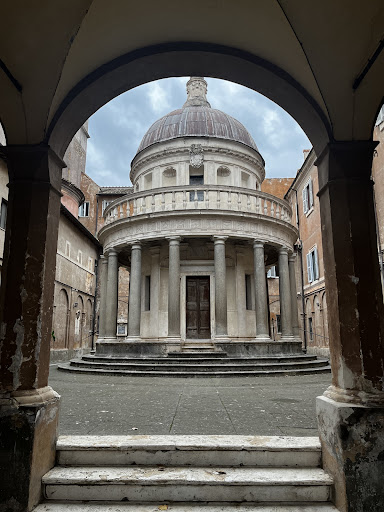
Una delle caratteristiche più importanti della chiesa è il Tempietto, un piccolo edificio situato nel cortile della chiesa. Il Tempietto è stato progettato da Bramante e costruito tra il 1502 e il 1504. È considerato un capolavoro del Rinascimento italiano ed è stato definito come "il più perfetto esempio di architettura rinascimentale italiana" da James Ackerman, uno storico dell'architettura. Il tempietto è circondato da un colonnato e all'interno c'è una piccola cupola, che illuminata dalla luce naturale crea un effetto molto suggestivo.

All'interno della chiesa si possono ammirare anche alcune opere d'arte importanti, come la pala d'altare di Domenico Muratori e la tela raffigurante la crocifissione di Francesco Bassano.

In generale, la chiesa di San Pietro in Montorio è un edificio di grande importanza storica ed artistica per la città di Roma e per il mondo dell'architettura e delle arti in generale. Il Tempietto di Bramante è stato dichiarato Patrimonio dell'umanità dall'UNESCO nel 1980.

Romanesque style.

In 1482, the architect Donato Bramante was commissioned to renovate the church in the Gothic style. Bramante designed a Latin cross church with three naves and a transept, but his work was never completed. Subsequently, the project was entrusted to other architects, including Raffaello Sanzio and Antonio da Sangallo the Younger, but even their works did not lead to the completion of the church.

One of the most important features of the church is the Tempietto, a small building located in the church courtyard. The Tempietto was designed by Bramante and built between 1502 and 1504. It is considered a masterpiece of the Italian Renaissance and has been described as "the most perfect example of Italian Renaissance architecture" by James Ackerman, an architectural historian. The temple is surrounded by a colonnade and inside there is a small dome which, illuminated by natural light, creates a very suggestive effect.

Inside the church you can also admire some important works of art, such as the altarpiece by Domenico Muratori and the canvas depicting the crucifixion by Francesco Bassano.

In general, the church of San Pietro in Montorio is a building of great historical and artistic importance for the city of Rome and for the world of architecture and the arts in general. The Tempietto di Bramante was declared a World Heritage Site by...

   Read more
avatar
5.0
7y

San Pietro in Montorio ou Igreja de São Pedro em Montorio é uma igreja titular localizada no Janículo, parte do rione Trastevere em Roma, Itália, famosa por abrigar em seu jardim o famoso Tempietto, um martírio (túmulo de um mártir) construído por Donato Bramante. O antigo mosteiro franciscano anexo hoje abriga a Real Academia de España en Roma. A igreja foi construída no local onde ficava uma igreja mais antiga, do século IX, dedicada a São Pedro, no monte Janículo. De acordo com a tradição, teria sido neste local que Pedro foi crucificado. No século XV, as ruínas desta igreja foram cedidas a fradesamadistas, um ramo reformador dos franciscanos fundado pelo beato Amadeu de Portugal, que serviu como confessor do papa Sisto IV a partir de 1472. A nova igreja foi encomendada pelos reis católicos, Fernandoe Isabela da Espanha. A igreja está decorada principalmente por obras de proeminentes mestres dos séculos XVI e XVII. Na primeira capela à direita estão "Flagelação" e "Transfiguração" (1516–1524) de Sebastiano del Piombo. Michelângelo, que ficou amigo de Sebastiano em Roma, é o autor de vários desenhos que foram incorporados na primeira. Na segunda capela está um afresco de Niccolò Circignani (1654), alguns afrescos renascentistas da escola de Pinturicchio e alegorias de sibilas e virtudes atribuídas a Baldassarre Peruzzi. O afresco no teto da quarta capela é de Giorgio Vasari. Embora não haja nenhuma marcação, conta a tradição que Beatrice Cenci — executada em 1599 pelo assassinato de seu pai abusivo e famosa por causa de Percy Bysshe Shelley —está enterrada ou nesta capela ou sob o altar-mor. O teto da quinta capela está decorado por um outro afresco, "Conversão de São Paulo", de Vasari. A peça-de-altar é atribuída a Giulio Mazzoni e os monumentos funerários de Innocenzo Ciocchi Del Monte, do cardeal Giovanni Maria Del Monte e de Roberto Nobili, de Bartolomeo Ammannati. A última capela da esquerda abriga um "Batismo de Jesus" atribuído a Daniele da Volterra, além de afrescos e esculturas em estuque de Giulio Mazzoni. Até 1797, a última grande obra de Rafael, "Transfiguração", estava no altar-mor, que hoje ostenta uma cópia da "Crucificação de São Pedro" de Guido Reni feita por Camuccini. As duas obras originais estão atualmente na Pinacoteca Vaticana. Um pupilo de Antoniazzo Romano pintou os afrescos da terceira capela à esquerda, "Santa Ana, a Virgem e o Menino". Dirck van Baburen, uma importante figura da escola caravagista holandesa, pintou "Sepultamento" para a Capela da Pietà, uma obra inspirada pela obra similar de Caravaggio. Baburen trabalhou com outro artista holandês, David de Haen, nesta capela, que abriga ainda mais duas pinturas, "Zombaria com Cristo" e "Agonia no Horto", atribuídas de forma variada a um, outro ou ambos. A Capela Raimondi (1640), a segunda à esquerda, foi projetada por Gian Lorenzo Bernini e abriga "São Francisco em Êxtase", de Francesco Baratta, e esculturas de Andrea Bolgi e...

   Read more
Page 1 of 7
Previous
Next

Posts

Pedro ArellanoPedro Arellano
Although not at all the prettiest church in Rome, it has some aspects that make worth the visit. The church was built in spot where tradition marks the crucifixion of St Peter. Since the late 15th century the church has been entrusted to the Kingdom of Spain and you can find the Spanish Academy in the same complex. However, San Pietro receives most of its visitors because of Bramante’s tempietto (‘little temple’) a symmetrical round chapel built at the top of the crucifixion spot. Check opening times for the tempietto as THEY ARE NOT THE SAME as the actual church. The Church’s caretaker (as of 2022) is not friendly and may close the church even 15 minutes before the official closing time. Another cool aspects surrounding the church are the views (better if you keep climbing the Gianicolo), the Ossuary dedicated to Garibaldi’s Siege of Rome, the Fontana dell'Acqua Paola, and Anita Garibaldi’s mausoleum.
Your browser does not support the video tag.
Angie OAngie O
After the long climb, i found that the main church was closed, but I did go to see the small chapel in the courtyard.tit It still has the original floor. The views are spectacular.
ArcheoGuide visite culturaliArcheoGuide visite culturali
Fece ancora San Pietro a Montorio di trevertino nel primo chiostro un tempio tondo, del quale non può di proporzione, ordine e varietà imaginarsi, e di grazia il più garbato né meglio inteso; e molto più bello sarebbe se fusse tutta la fabbrica del chiostro, che non è finita, condotta come si vede in uno suo disegno. Giorgio Vasari Dopo la morte prematura del figlio Giovanni d’Aragona nel 1497, Isabella di Castiglia e Ferdinando II d’Aragona commissionarono a Donato Bramante, come scioglimento di un voto fatto in occasione della nascita del bambino, la costruzione di questo straordinario edificio al centro di uno dei chiostri del Convento di San Pietro in Montorio sul Gianicolo, chiesa alla quale i reali di Spagna erano particolarmente legati. Bramante realizzò il progetto (in realtà parte di un più ampio progetto non finito) fra il 1502 e il 1509 concependolo, anche, come un Martyrion costruito sul luogo dove, secondo una tarda tradizione, era stato crocifisso San Pietro. L’edificio, che ebbe subito grande fortuna critica, fu edificato al centro di uno dei cortili del convento e si compone di uno straordinario colonnato dorico in granito grigio sopraelevato su gradini sopra cui corre, nella trabeazione, un lungo fregio interamente decorato con triglifi e metope. Il tempietto è a pianta circolare e corpo cilindrico: ha dimensioni molto contenute perché doveva essere un luogo intimo puramente simbolico e commemorativo più che uno spazio dedicato alle funzioni liturgiche, ma l’interno risulta molto più ampio per il sapiente illusorio uso di alte e articolate nicchie.L’idea del Bramante nasce dalla volontà di realizzare un edificio che fondesse concettualmente i modelli paleocristiani a pianta centrale (come il mausoleo di Santa Costanza o Santo Stefano Rotondo) e gli exempla dell’architettura romana come il Tempio di Vesta nel Foro Romano o di Ercole nel Foro Boario che l’architetto poteva ammirare dal 1499, anno del suo arrivo a Roma. Bramante è alla ricerca della forma architettonica più adatta da utilizzare come modello per rappresentare la Realtà Divina ed il Cosmo e quella circolare diventò la più indicata in quanto espressione concettuale e visiva della figura del mondo: modello che gli fu assai congeniale e che scelse di adottare anche nella realizzazione della Basilica di San Pietro, commissionata da papa Giulio II della Rovere. Una ricerca di assoluto che diventa Utopia nel momento in cui si imbatte nel non finito, nell’impossibilità di portare a termine il progetto.
See more posts
See more posts
hotel
Find your stay

Pet-friendly Hotels in Rome

Find a cozy hotel nearby and make it a full experience.

Although not at all the prettiest church in Rome, it has some aspects that make worth the visit. The church was built in spot where tradition marks the crucifixion of St Peter. Since the late 15th century the church has been entrusted to the Kingdom of Spain and you can find the Spanish Academy in the same complex. However, San Pietro receives most of its visitors because of Bramante’s tempietto (‘little temple’) a symmetrical round chapel built at the top of the crucifixion spot. Check opening times for the tempietto as THEY ARE NOT THE SAME as the actual church. The Church’s caretaker (as of 2022) is not friendly and may close the church even 15 minutes before the official closing time. Another cool aspects surrounding the church are the views (better if you keep climbing the Gianicolo), the Ossuary dedicated to Garibaldi’s Siege of Rome, the Fontana dell'Acqua Paola, and Anita Garibaldi’s mausoleum.
Pedro Arellano

Pedro Arellano

hotel
Find your stay

Affordable Hotels in Rome

Find a cozy hotel nearby and make it a full experience.

Get the Appoverlay
Get the AppOne tap to find yournext favorite spots!
After the long climb, i found that the main church was closed, but I did go to see the small chapel in the courtyard.tit It still has the original floor. The views are spectacular.
Angie O

Angie O

hotel
Find your stay

The Coolest Hotels You Haven't Heard Of (Yet)

Find a cozy hotel nearby and make it a full experience.

hotel
Find your stay

Trending Stays Worth the Hype in Rome

Find a cozy hotel nearby and make it a full experience.

Fece ancora San Pietro a Montorio di trevertino nel primo chiostro un tempio tondo, del quale non può di proporzione, ordine e varietà imaginarsi, e di grazia il più garbato né meglio inteso; e molto più bello sarebbe se fusse tutta la fabbrica del chiostro, che non è finita, condotta come si vede in uno suo disegno. Giorgio Vasari Dopo la morte prematura del figlio Giovanni d’Aragona nel 1497, Isabella di Castiglia e Ferdinando II d’Aragona commissionarono a Donato Bramante, come scioglimento di un voto fatto in occasione della nascita del bambino, la costruzione di questo straordinario edificio al centro di uno dei chiostri del Convento di San Pietro in Montorio sul Gianicolo, chiesa alla quale i reali di Spagna erano particolarmente legati. Bramante realizzò il progetto (in realtà parte di un più ampio progetto non finito) fra il 1502 e il 1509 concependolo, anche, come un Martyrion costruito sul luogo dove, secondo una tarda tradizione, era stato crocifisso San Pietro. L’edificio, che ebbe subito grande fortuna critica, fu edificato al centro di uno dei cortili del convento e si compone di uno straordinario colonnato dorico in granito grigio sopraelevato su gradini sopra cui corre, nella trabeazione, un lungo fregio interamente decorato con triglifi e metope. Il tempietto è a pianta circolare e corpo cilindrico: ha dimensioni molto contenute perché doveva essere un luogo intimo puramente simbolico e commemorativo più che uno spazio dedicato alle funzioni liturgiche, ma l’interno risulta molto più ampio per il sapiente illusorio uso di alte e articolate nicchie.L’idea del Bramante nasce dalla volontà di realizzare un edificio che fondesse concettualmente i modelli paleocristiani a pianta centrale (come il mausoleo di Santa Costanza o Santo Stefano Rotondo) e gli exempla dell’architettura romana come il Tempio di Vesta nel Foro Romano o di Ercole nel Foro Boario che l’architetto poteva ammirare dal 1499, anno del suo arrivo a Roma. Bramante è alla ricerca della forma architettonica più adatta da utilizzare come modello per rappresentare la Realtà Divina ed il Cosmo e quella circolare diventò la più indicata in quanto espressione concettuale e visiva della figura del mondo: modello che gli fu assai congeniale e che scelse di adottare anche nella realizzazione della Basilica di San Pietro, commissionata da papa Giulio II della Rovere. Una ricerca di assoluto che diventa Utopia nel momento in cui si imbatte nel non finito, nell’impossibilità di portare a termine il progetto.
ArcheoGuide visite culturali

ArcheoGuide visite culturali

See more posts
See more posts