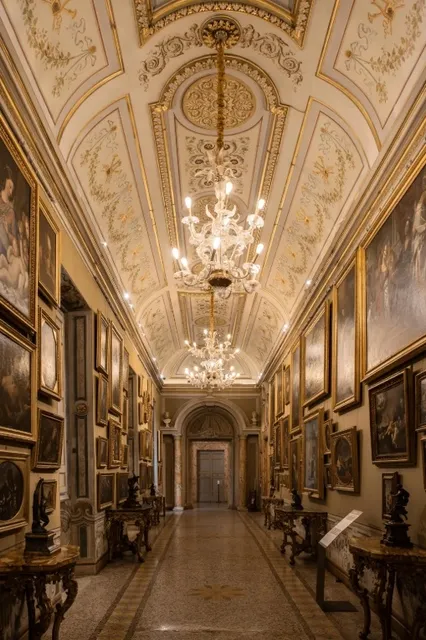
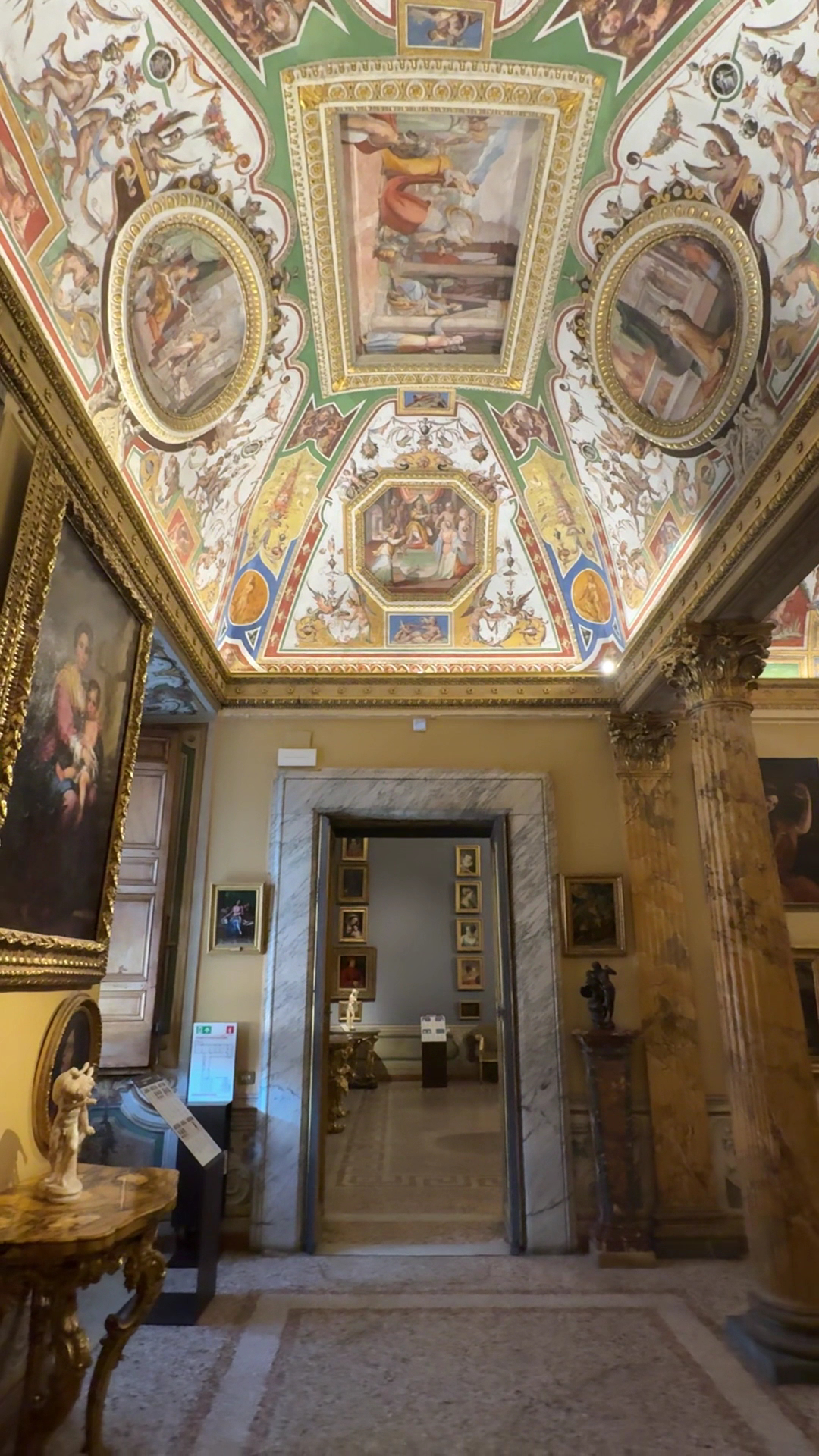
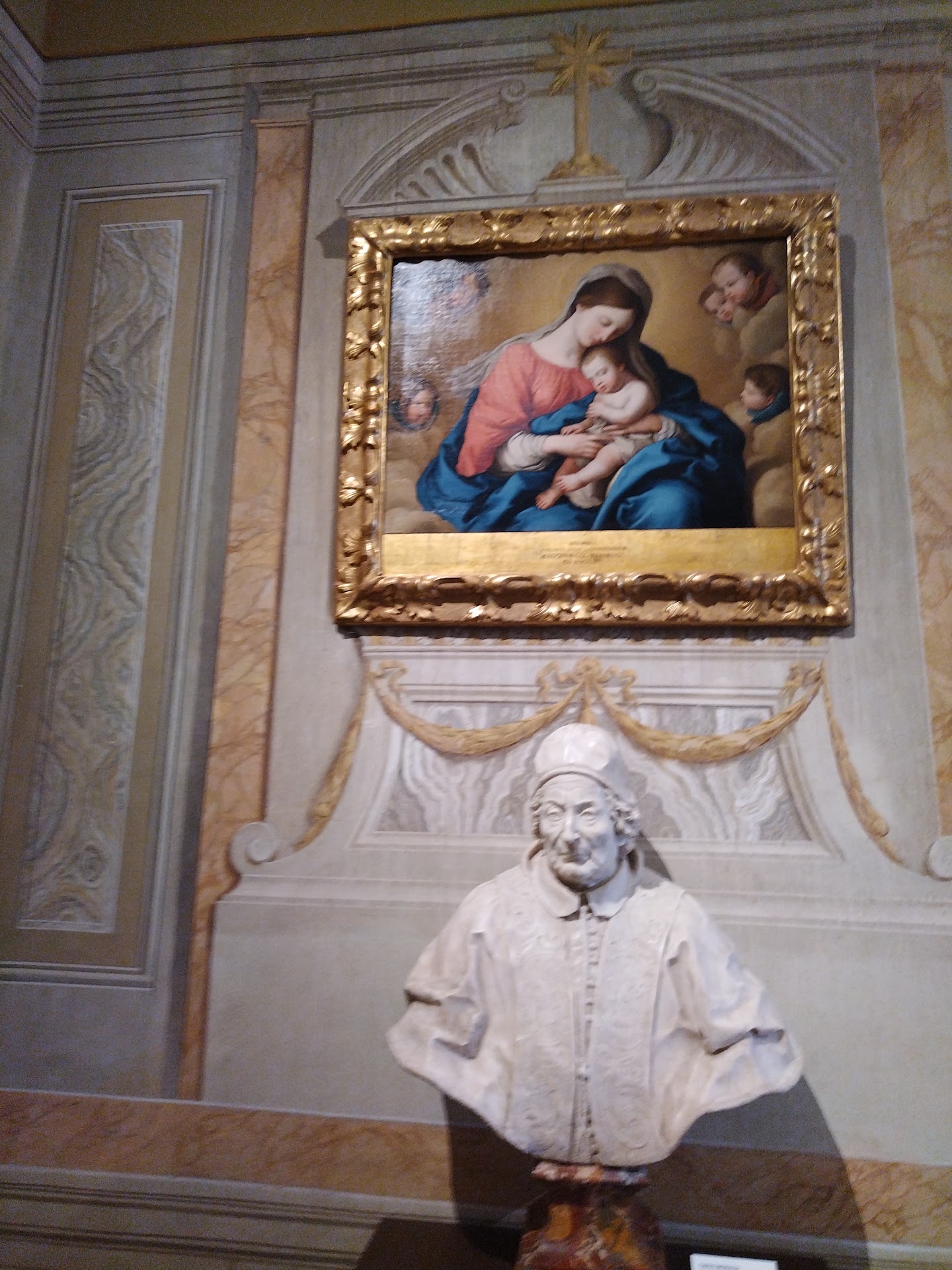
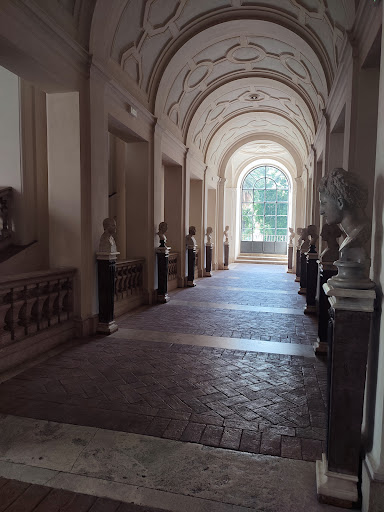
Palazzo Corsini, Rome things to do, attractions, restaurants, events info and trip planning
Basic Info
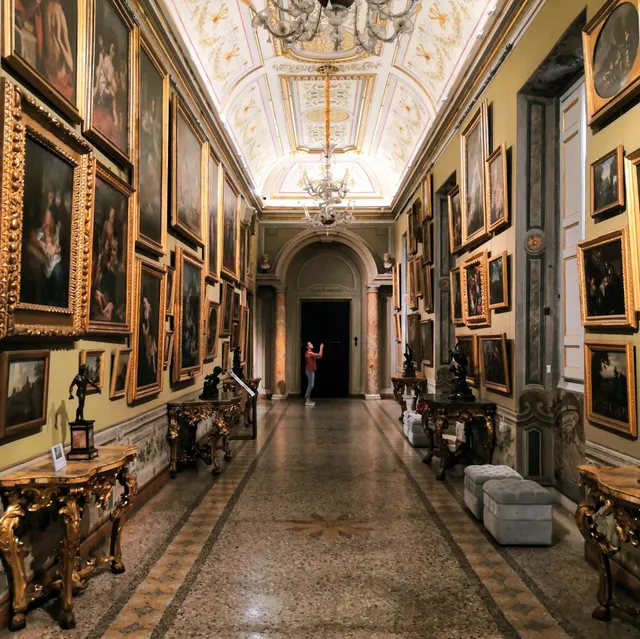
Palazzo Corsini, Rome
Via della Lungara, 10, 00165 Roma RM, Italy
4.4(857)
Open until 12:00 AM


tickets
Save
spot
spot
Ratings & Description
Info
Cultural
Scenic
Accessibility
Family friendly
attractions: Villa Farnesina, Ponte Sisto, Botanical Garden of Rome, John Cabot University Guarini Campus, Zalib - Circolo Arci, Campo de' Fiori, Church of St Dorothy, Janiculum Hill, Basilica of Santa Maria in Trastevere, Palazzo Farnese, restaurants: Miraggio Trastevere, Tonnarello Scala, Ristorante Pinseria Da Massi, Dar Poeta, Cafe Lungara 1940, Pastamore, Pimm'S Good, Tonnarello | Paglia, Osteria da Zi Umberto, Pizzeria La Boccaccia, local businesses: Intrastevere, Gelateria Regusto, Funtiffany Arts & Crafts, Ponte Giuseppe Mazzini, Flake's Design & Arredo TRASTEVERE, Parque do Gianicolo, CREMA Alta Gelateria, Dust of Time, Church of San Pietro in Montorio, Gourmetaly Rome Food Tours
 Learn more insights from Wanderboat AI.
Phone
+39 06 6880 2323
Website
barberinicorsini.org
Open hoursSee all hours
Tue10 AM - 7 PMOpen
Plan your stay

Pet-friendly Hotels in Rome
Find a cozy hotel nearby and make it a full experience.

Affordable Hotels in Rome
Find a cozy hotel nearby and make it a full experience.

The Coolest Hotels You Haven't Heard Of (Yet)
Find a cozy hotel nearby and make it a full experience.

Trending Stays Worth the Hype in Rome
Find a cozy hotel nearby and make it a full experience.
Reviews
Live events
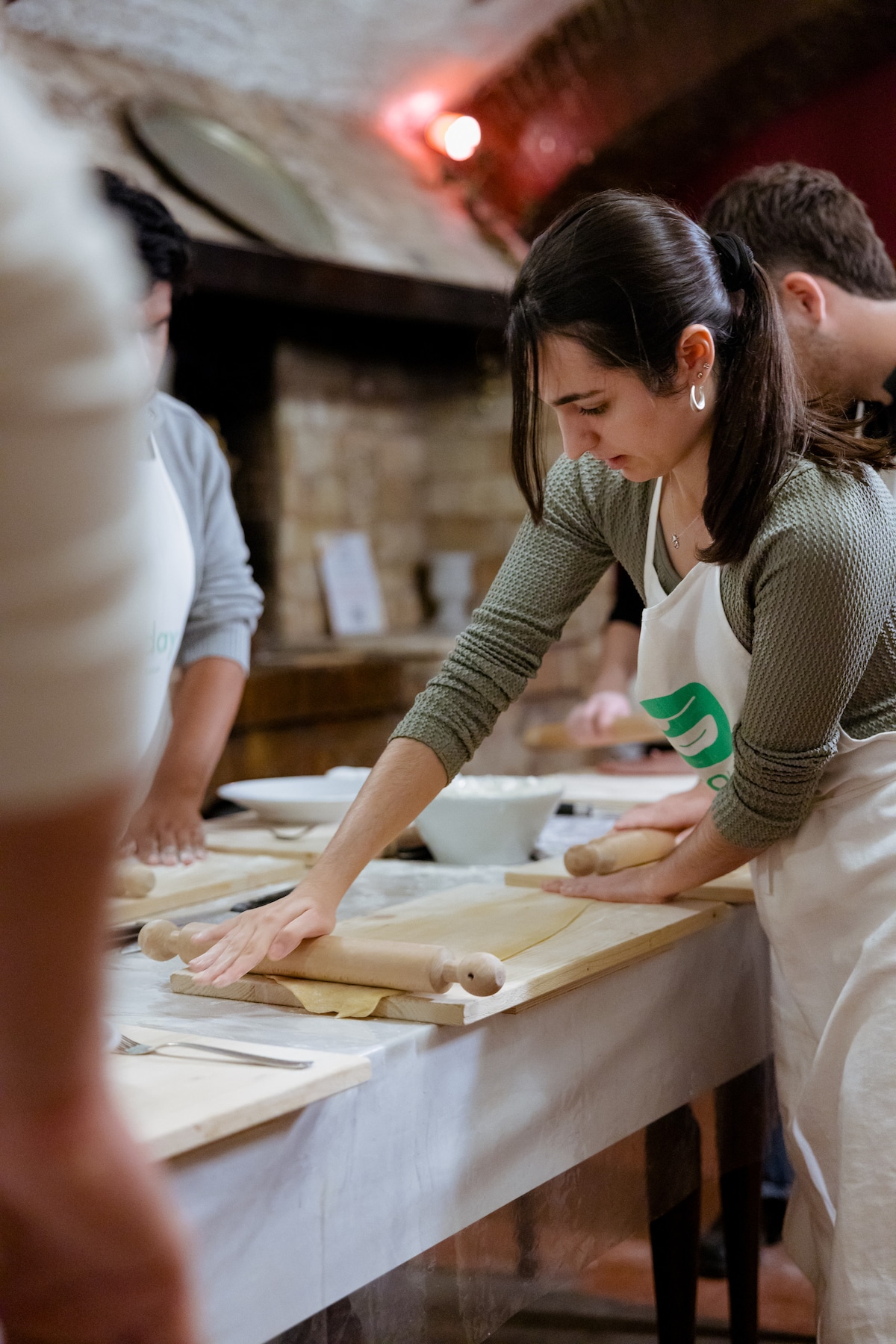
Make handmade fettuccine and tiramisu with a local
Tue, Feb 10 • 10:15 AM
00187, Rome, Lazio, Italy
View details
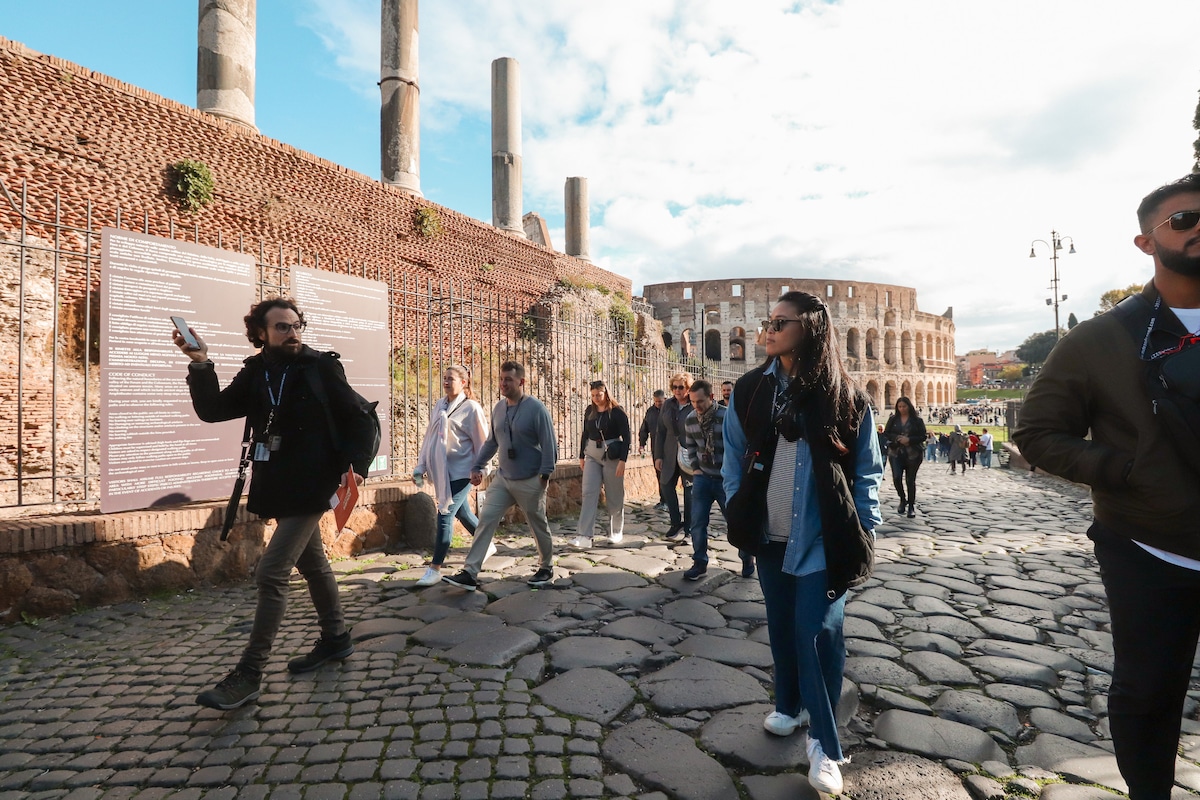
Colosseum, Forum, and Palatine Hill Guided Tour
Tue, Feb 10 • 9:30 AM
00184, Rome, Lazio, Italy
View details
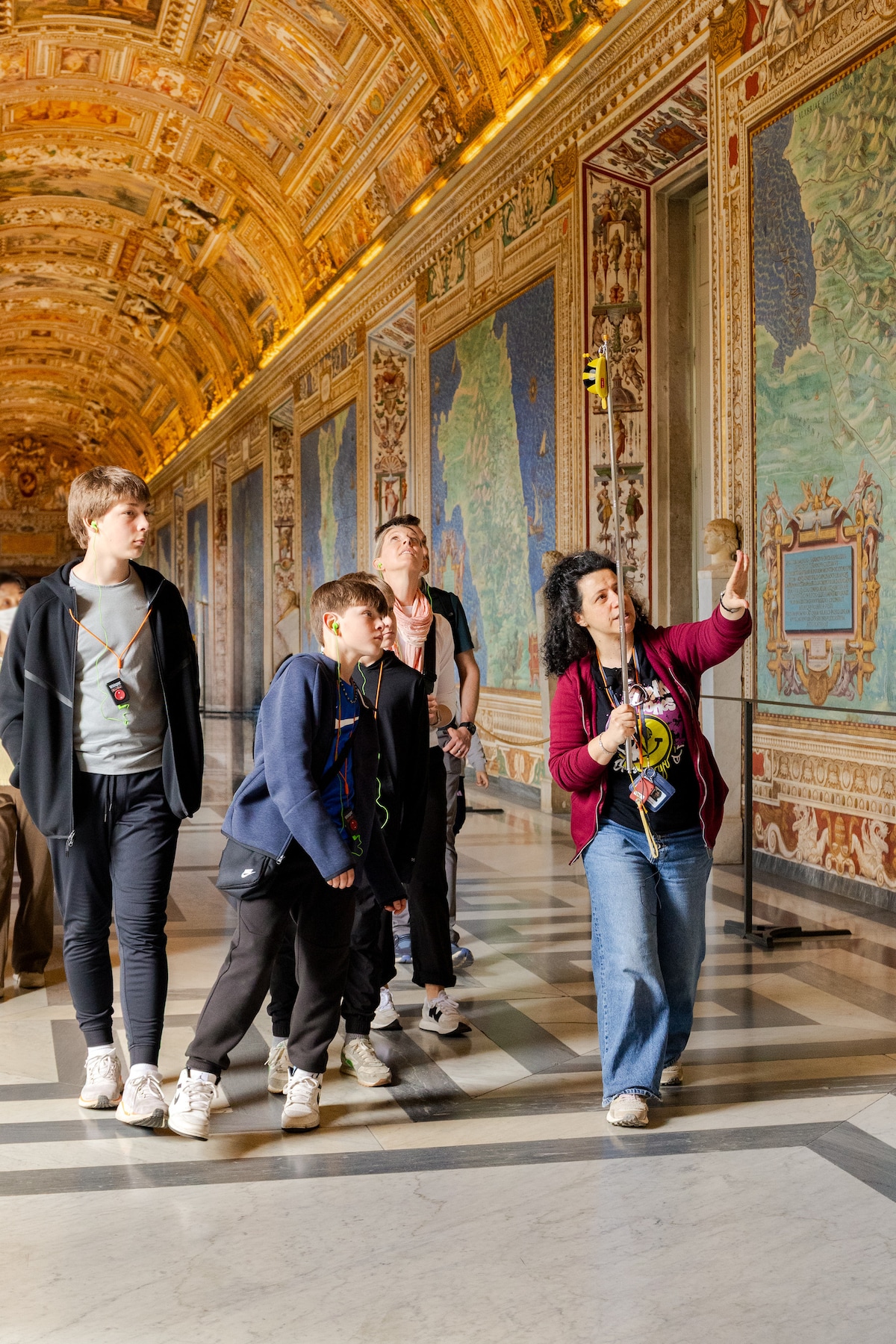
Complete Vatican Tour: Museums, Sistine & Basilica
Tue, Feb 10 • 9:30 AM
00192, Rome, Lazio, Italy
View details
Nearby attractions of Palazzo Corsini, Rome
Villa Farnesina
Ponte Sisto
Botanical Garden of Rome
John Cabot University Guarini Campus
Zalib - Circolo Arci
Campo de' Fiori
Church of St Dorothy
Janiculum Hill
Basilica of Santa Maria in Trastevere
Palazzo Farnese
Villa Farnesina
4.6
(1.4K)
Open until 12:00 AM
Click for details
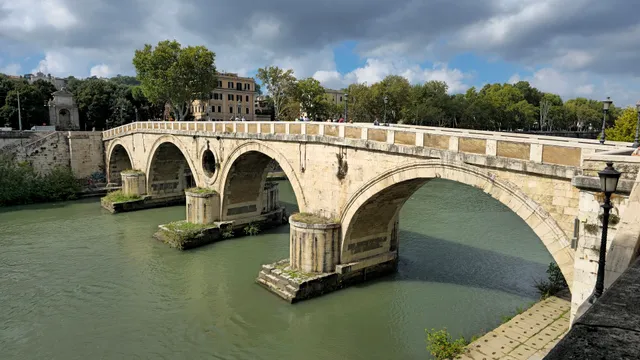
Ponte Sisto
4.6
(5.6K)
Open 24 hours
Click for details
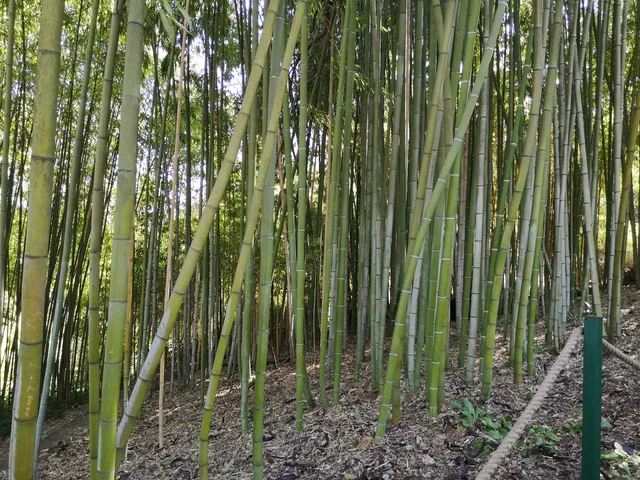
Botanical Garden of Rome
4.4
(4.6K)
Closed
Click for details
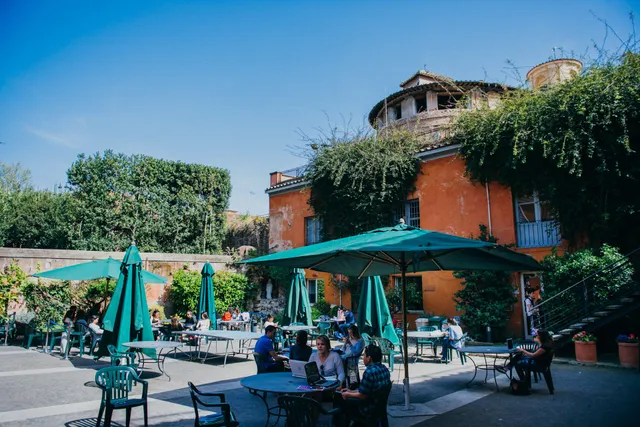
John Cabot University Guarini Campus
4.4
(101)
Closed
Click for details
Nearby restaurants of Palazzo Corsini, Rome
Miraggio Trastevere
Tonnarello Scala
Ristorante Pinseria Da Massi
Dar Poeta
Cafe Lungara 1940
Pastamore
Pimm'S Good
Tonnarello | Paglia
Osteria da Zi Umberto
Pizzeria La Boccaccia
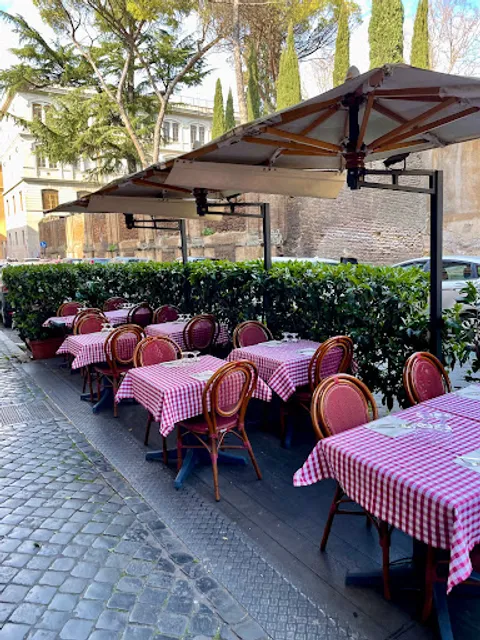
Miraggio Trastevere
4.3
(945)
Closed
Click for details
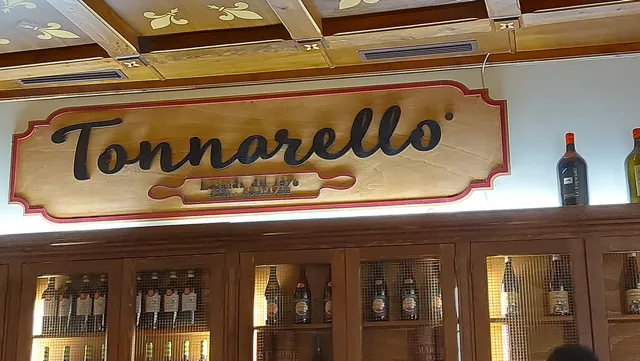
Tonnarello Scala
4.8
(7.1K)
Closed
Click for details
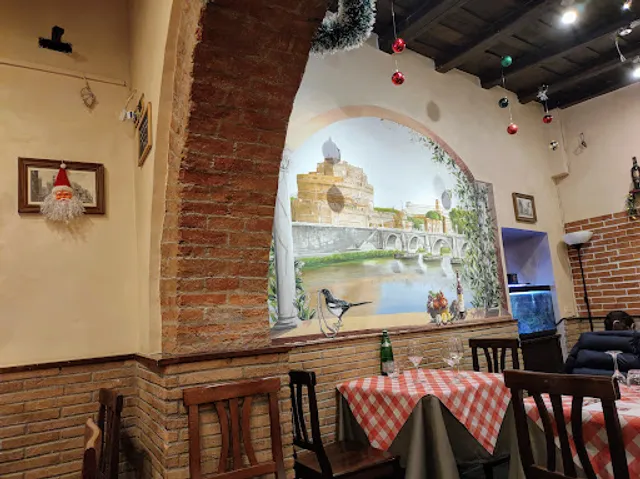
Ristorante Pinseria Da Massi
4.6
(1.5K)
Closed
Click for details
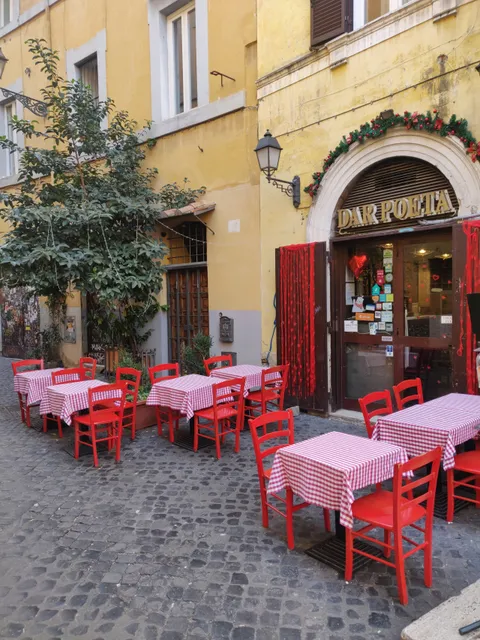
Dar Poeta
4.3
(3.9K)
Open until 12:00 AM
Click for details
Nearby local services of Palazzo Corsini, Rome
Intrastevere
Gelateria Regusto
Funtiffany Arts & Crafts
Ponte Giuseppe Mazzini
Flake's Design & Arredo TRASTEVERE
Parque do Gianicolo
CREMA Alta Gelateria
Dust of Time
Church of San Pietro in Montorio
Gourmetaly Rome Food Tours
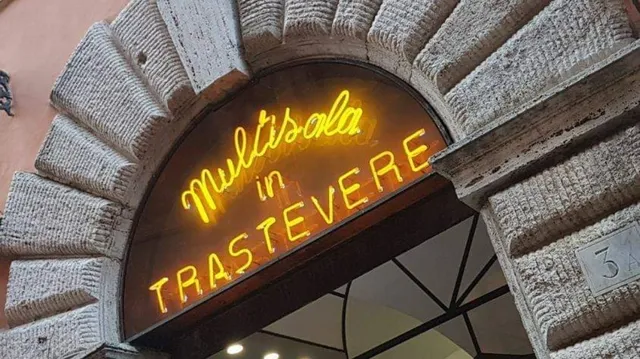
Intrastevere
4.3
(479)
Click for details
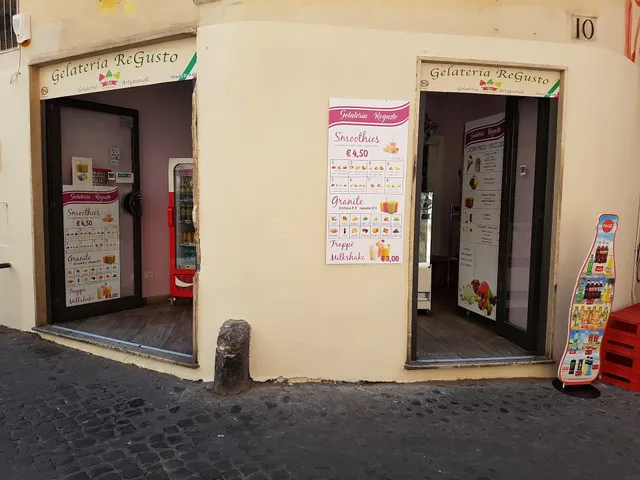
Gelateria Regusto
4.7
(288)
Click for details
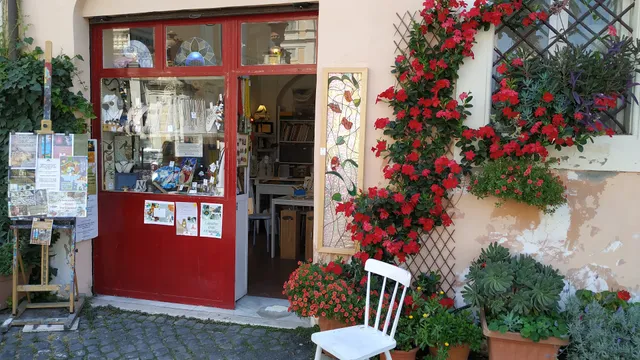
Funtiffany Arts & Crafts
5.0
(18)
Click for details
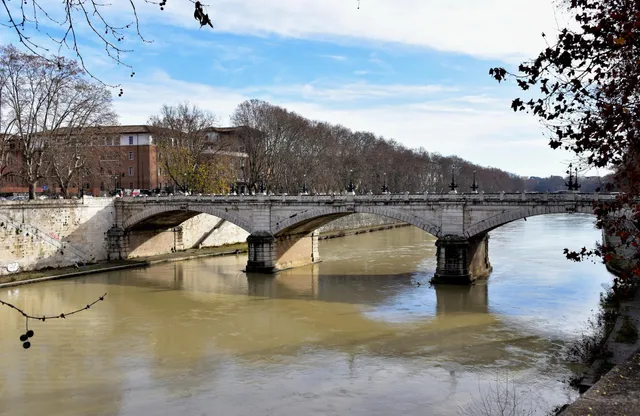
Ponte Giuseppe Mazzini
4.5
(338)
Click for details


The hit list



Plan your trip with Wanderboat
Welcome to Wanderboat AI, your AI search for local Eats and Fun, designed to help you explore your city and the world with ease.
Powered by Wanderboat AI trip planner.