Mausoleo di Santa Costanza things to do, attractions, restaurants, events info and trip planning
Basic Info
Mausoleo di Santa Costanza
Via Nomentana, 349, 00198 Roma RM, Italy
4.8(518)
Closed

tickets
Save
spot
spot
Ratings & Description
Info
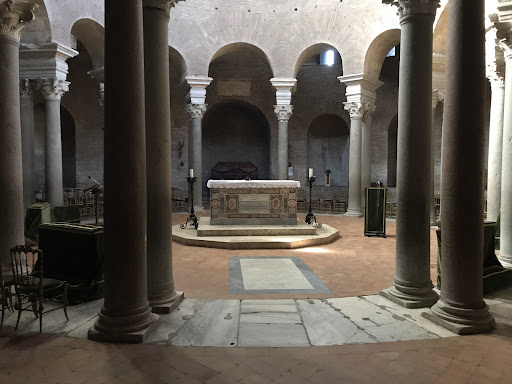
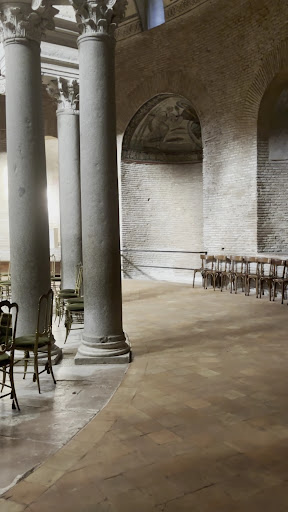
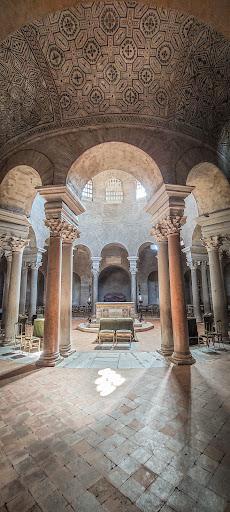
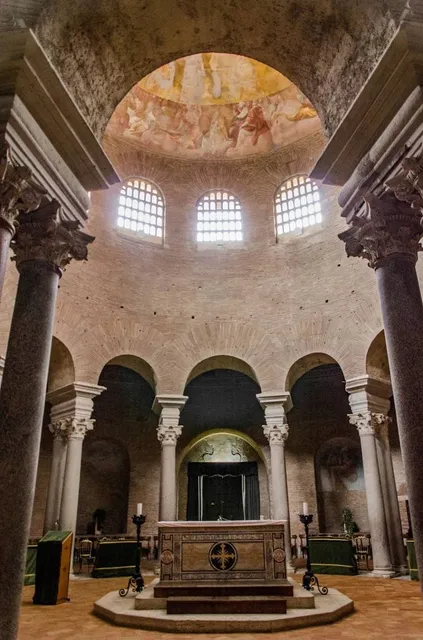
Santa Costanza is a 4th-century church in Rome, Italy, on the Via Nomentana, which runs north-east out of the city. It is a round building with well preserved original layout and mosaics.
Cultural
Scenic
Family friendly
Accessibility
attractions: Basilica of St. Agnes Outside the Walls, Catacombe di Santa Agnese, Museo Storico della Guardia di Finanza, restaurants: White Rabbit, Rivareno, Momart, 17/19 Stenfield's & c., Incontriamoci Bar, MAF BISTROT, Coffee Type, Santa Costanza Cafe, Enoteca Graziani, Le Gole, local businesses: Magic Room Escape, Neve di Latte • Bistrot, Ciro Kebab & Pizza, MUN•EUROPE - Model United Nations in Rome, Madrid, Bruxelles, Berlin, Malta, Paris, London, Vienna, Carrefour Market, Cinema Multisala Lux, Pompi "Il Regno del Tiramisù dal 1960", Da Giovanni Gelateria Duse dal 1958, Fermate Pizzeria, Imperatori Armellini
 Learn more insights from Wanderboat AI.
Phone
+39 06 861 0840
Website
santagnese.net
Open hoursSee all hours
Sat9 AM - 6 PMClosed
Plan your stay

Pet-friendly Hotels in Rome
Find a cozy hotel nearby and make it a full experience.

Affordable Hotels in Rome
Find a cozy hotel nearby and make it a full experience.

The Coolest Hotels You Haven't Heard Of (Yet)
Find a cozy hotel nearby and make it a full experience.

Trending Stays Worth the Hype in Rome
Find a cozy hotel nearby and make it a full experience.
Reviews
Live events
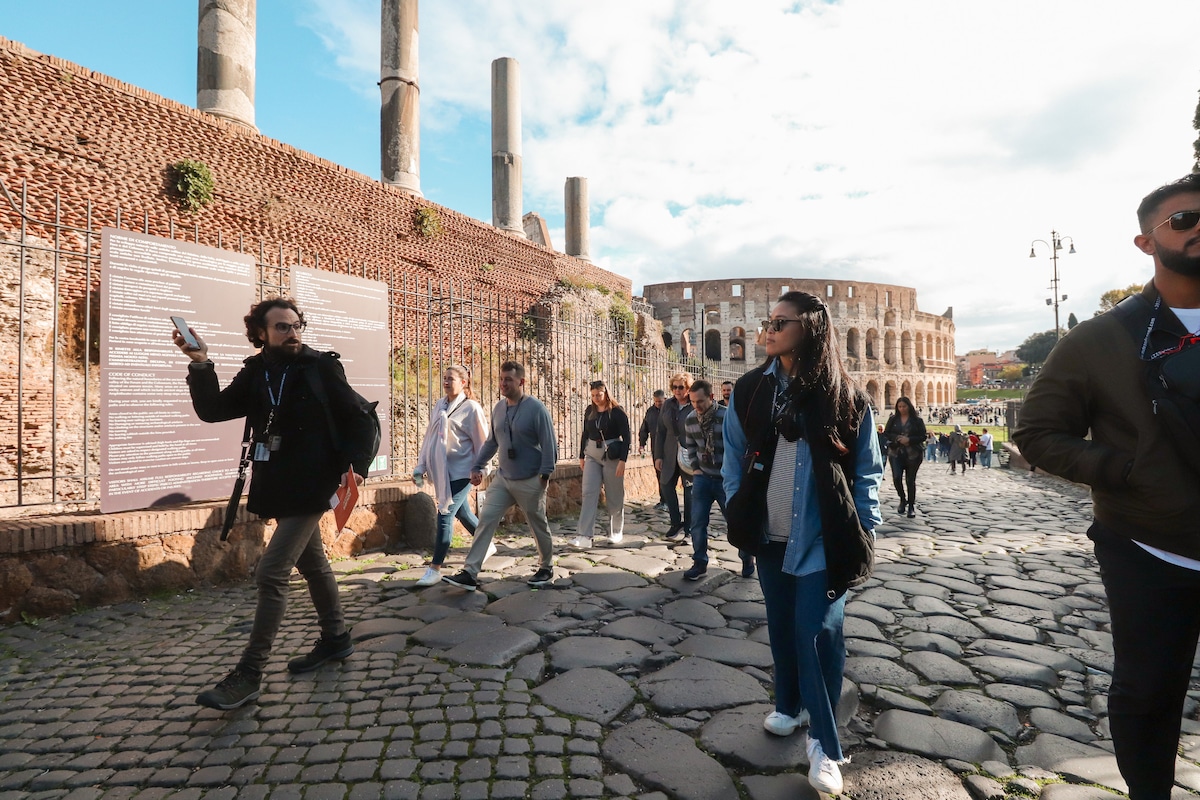
Colosseum, Forum, and Palatine Hill Guided Tour
Sun, Feb 22 • 9:30 AM
00184, Rome, Lazio, Italy
View details

Handmade Pasta Class in Pantheon
Wed, Feb 25 • 11:00 AM
00186, Rome, Lazio, Italy
View details

LUNA: A Journey to the Moon – un’esperienza immersiva in realtà virtuale a Roma
Sat, Feb 21 • 10:00 AM
Via Trionfale, 7400, Roma, 00136
View details
Nearby attractions of Mausoleo di Santa Costanza
Basilica of St. Agnes Outside the Walls
Catacombe di Santa Agnese
Museo Storico della Guardia di Finanza
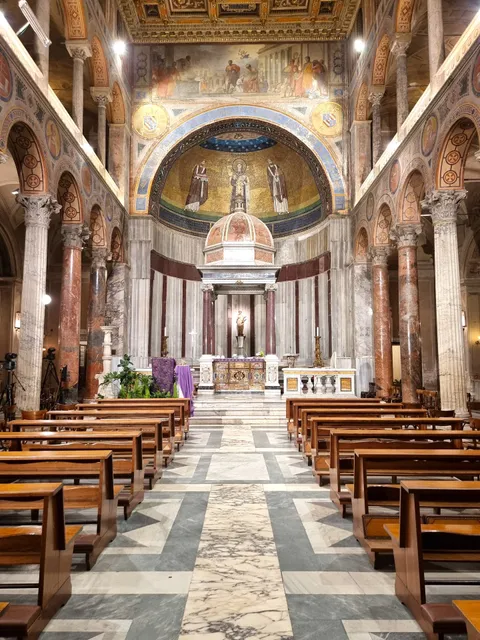
Basilica of St. Agnes Outside the Walls
4.7
(573)
Open 24 hours
Click for details
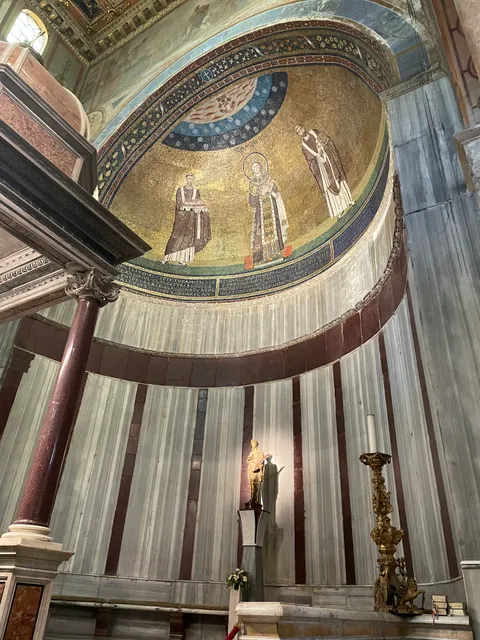
Catacombe di Santa Agnese
4.6
(50)
Closed
Click for details
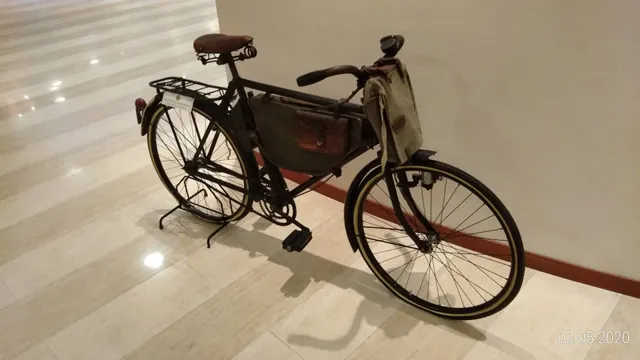
Museo Storico della Guardia di Finanza
4.4
(33)
Open until 12:00 AM
Click for details
Nearby restaurants of Mausoleo di Santa Costanza
White Rabbit
Rivareno
Momart
17/19 Stenfield's & c.
Incontriamoci Bar
MAF BISTROT
Coffee Type
Santa Costanza Cafe
Enoteca Graziani
Le Gole
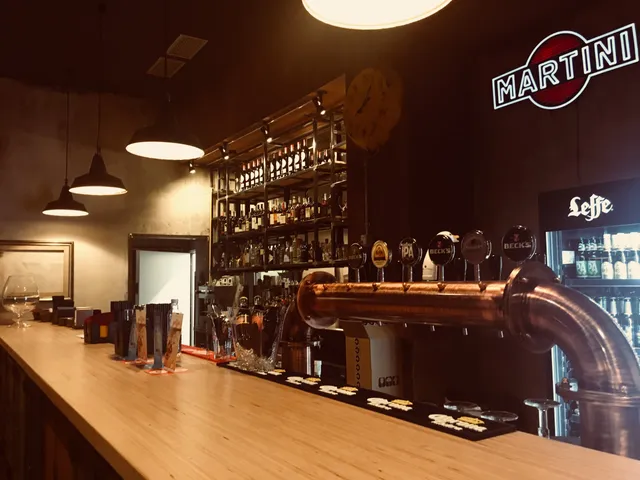
White Rabbit
4.3
(718)
Closed
Click for details
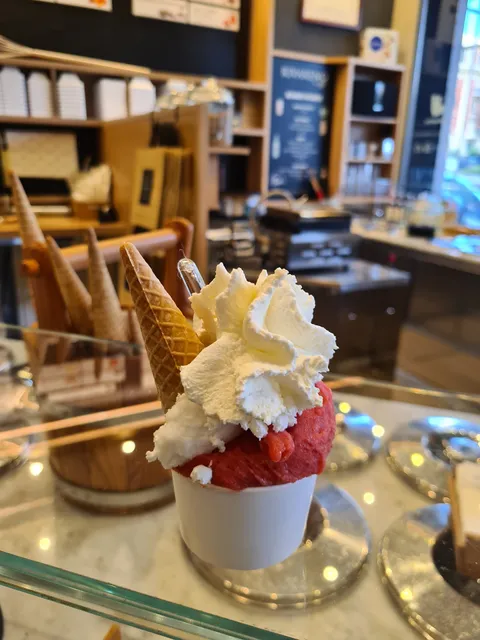
Rivareno
4.4
(505)
$$
Closed
Click for details
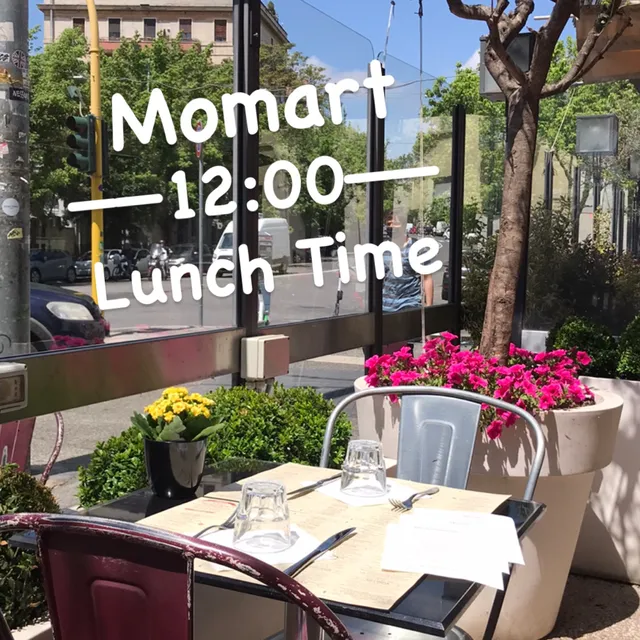
Momart
4.2
(3.6K)
Closed
Click for details
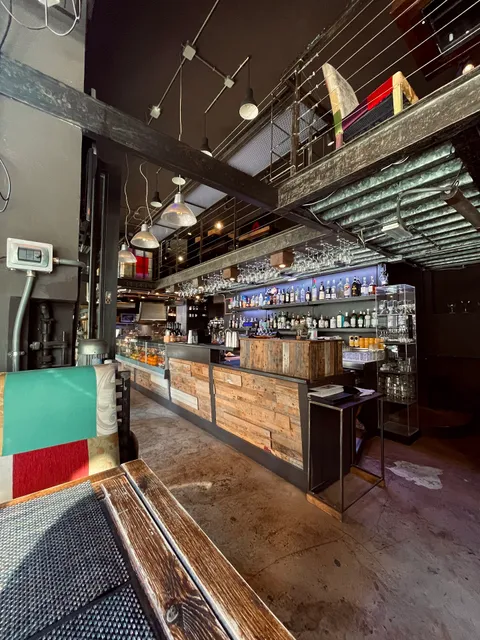
17/19 Stenfield's & c.
4.1
(254)
Closed
Click for details
Nearby local services of Mausoleo di Santa Costanza
Magic Room Escape
Neve di Latte • Bistrot
Ciro Kebab & Pizza
MUN•EUROPE - Model United Nations in Rome, Madrid, Bruxelles, Berlin, Malta, Paris, London, Vienna
Carrefour Market
Cinema Multisala Lux
Pompi "Il Regno del Tiramisù dal 1960"
Da Giovanni Gelateria Duse dal 1958
Fermate Pizzeria
Imperatori Armellini
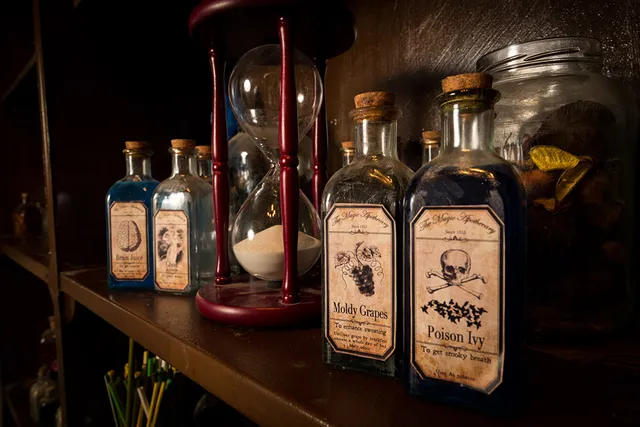
Magic Room Escape
4.9
(1.2K)
Click for details
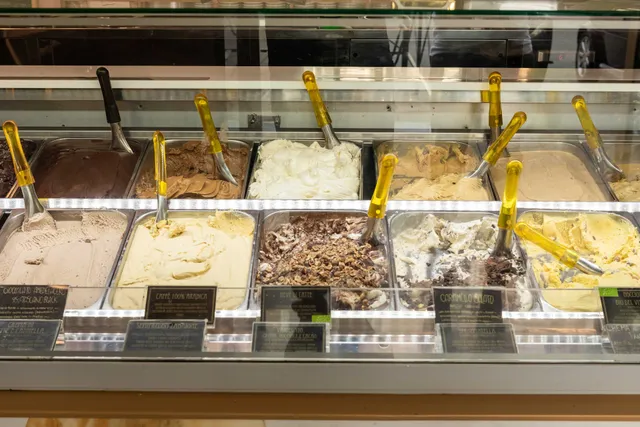
Neve di Latte • Bistrot
4.2
(111)
Click for details

Ciro Kebab & Pizza
4.4
(401)
Click for details

MUN•EUROPE - Model United Nations in Rome, Madrid, Bruxelles, Berlin, Malta, Paris, London, Vienna
4.9
(40)
Click for details


The hit list
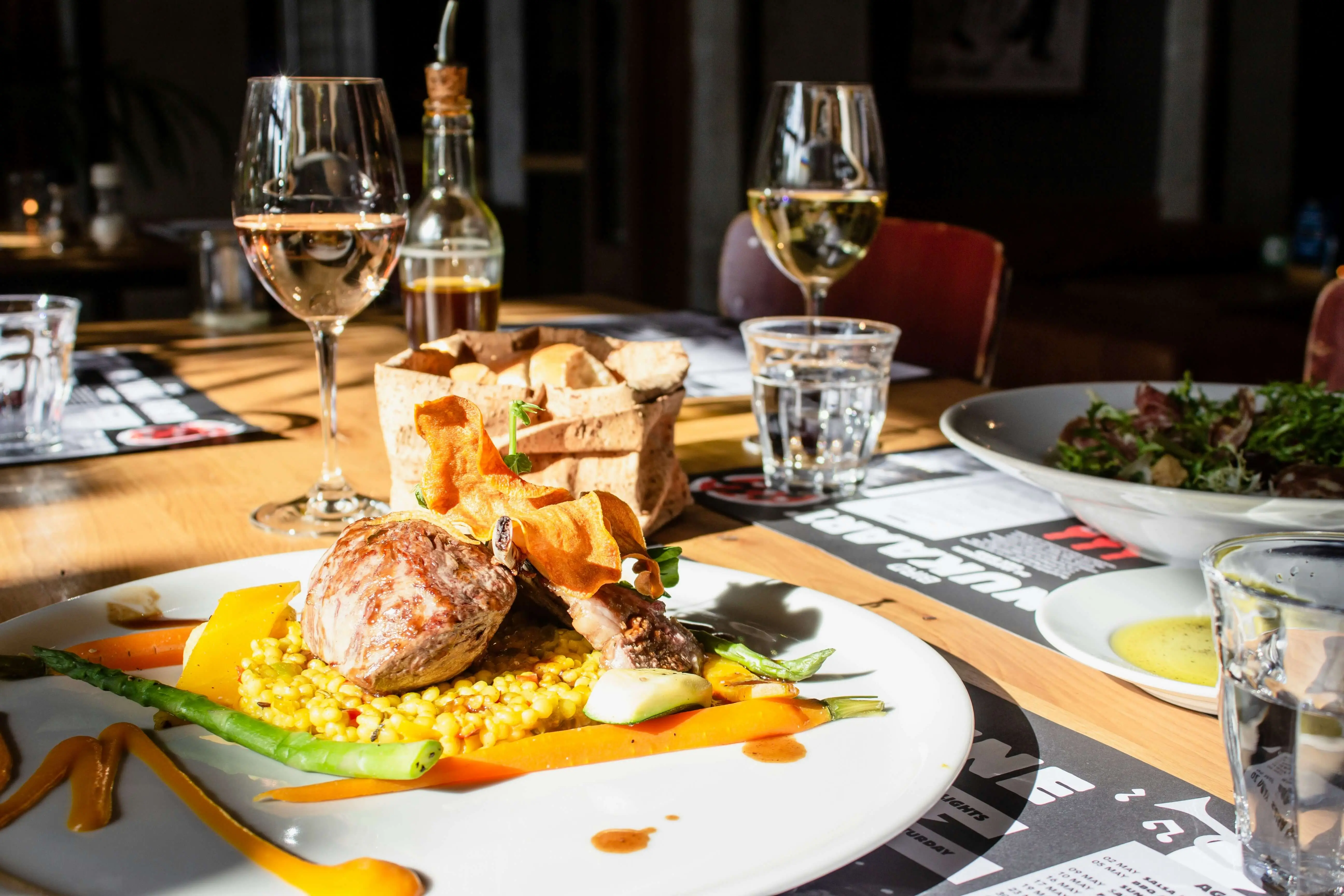

Plan your trip with Wanderboat
Welcome to Wanderboat AI, your AI search for local Eats and Fun, designed to help you explore your city and the world with ease.
Powered by Wanderboat AI trip planner.