Venetian Arsenal things to do, attractions, restaurants, events info and trip planning
Basic Info
Venetian Arsenal
Campo de la Tana, 2169, 30122 Venezia VE, Italy
4.6(4.8K)
Closed
Save
spot
spot
Ratings & Description
Info
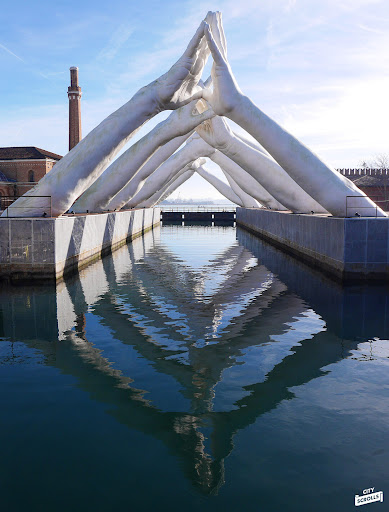
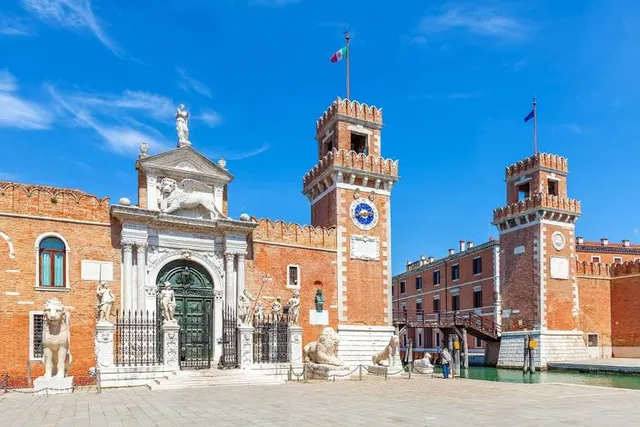
The Venetian Arsenal is a complex of former shipyards and armories clustered together in the city of Venice in northern Italy. Owned by the state, the Arsenal was responsible for the bulk of the Venetian republic's naval power from the late Middle Ages to the early modern period.
Cultural
Family friendly
attractions: Museo Storico Navale di Venezia, Stefan Nedialkov Popdimitrov, Chiesa Parrocchiale di San Martino di Castello, Padiglione delle Navi, Venice Biennale - Piccolo Theatre Arsenale, San Giovanni in Bragora, Scuola di San Giorgio degli Schiavoni, Chiesa della Pietà - Santa Maria della Visitazione, Giardini della Marinaressa, San Francesco della Vigna, restaurants: Trattoria Pizzeria da Paolo, Campo de l'arsenal, Corte Sconta, Al Covino, Osteria Da Noi 2019, Pizzería Trattoria Alla Fonte, Osteria Ai Do Gobbi, Trattoria Al Vecio Portal Laguna e Oltre, La Nuova Perla, Osteria Ai Do Pozzi, local businesses: Museo Storico Navale di Venezia, Mercatino di San Martino, SMALL GROCERY SHOP, Arsenale, Venezia Catamaran Cruises, Riva degli Schiavoni, Libreria Acqua Alta, Bridge of Dreams, Librairie Acqua Alta, Via Giuseppe Garibaldi, 1252
 Learn more insights from Wanderboat AI.
Website
arsenale.comune.venezia.it
Open hoursSee all hours
Tue8 AM - 3 PMClosed
Plan your stay

Pet-friendly Hotels in Venice
Find a cozy hotel nearby and make it a full experience.

Affordable Hotels in Venice
Find a cozy hotel nearby and make it a full experience.

The Coolest Hotels You Haven't Heard Of (Yet)
Find a cozy hotel nearby and make it a full experience.

Trending Stays Worth the Hype in Venice
Find a cozy hotel nearby and make it a full experience.
Reviews
Live events

Legends, Ghosts and Ghouls of Venice
Tue, Feb 24 • 9:00 PM
30121, Venice, Veneto, Italy
View details

Create Murano Glass with an Expert Master
Tue, Feb 24 • 11:00 AM
30141, Venice, Veneto, Italy
View details

Live Music Evening at a&o Venezia Mestre
Fri, Feb 27 • 9:00 PM
19 Via Ca' Marcello 30172 Venezia
View details
Nearby attractions of Venetian Arsenal
Museo Storico Navale di Venezia
Stefan Nedialkov Popdimitrov
Chiesa Parrocchiale di San Martino di Castello
Padiglione delle Navi
Venice Biennale - Piccolo Theatre Arsenale
San Giovanni in Bragora
Scuola di San Giorgio degli Schiavoni
Chiesa della Pietà - Santa Maria della Visitazione
Giardini della Marinaressa
San Francesco della Vigna
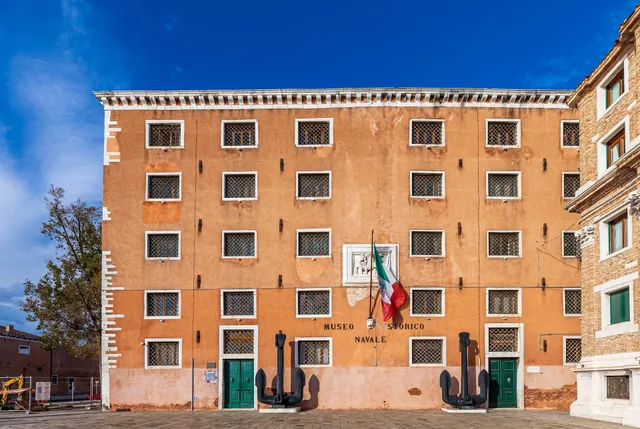
Museo Storico Navale di Venezia
4.4
(971)
Open until 12:00 AM
Click for details

Stefan Nedialkov Popdimitrov
4.4
(14)
Open 24 hours
Click for details
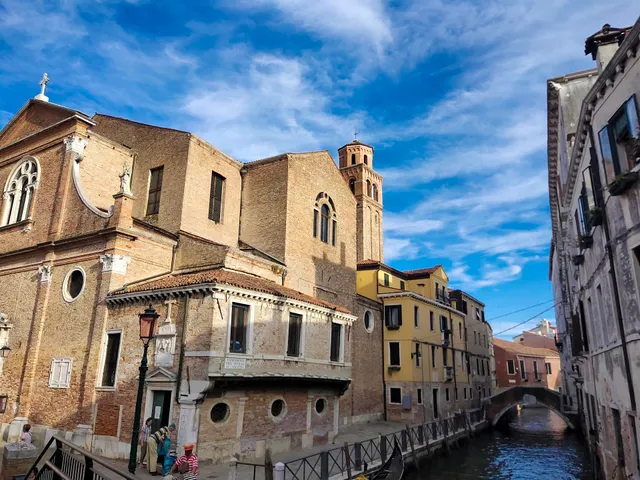
Chiesa Parrocchiale di San Martino di Castello
4.5
(72)
Open until 12:00 AM
Click for details
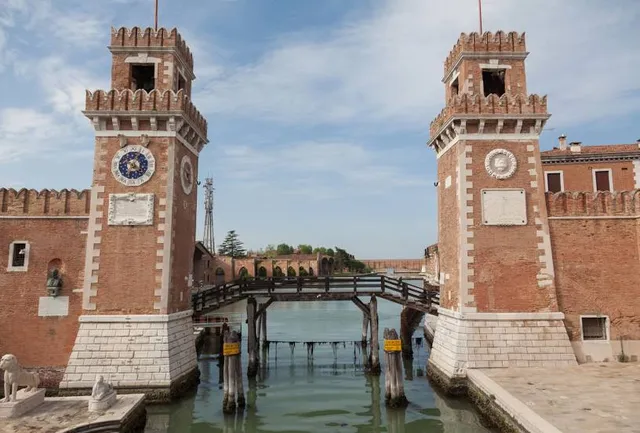
Padiglione delle Navi
4.2
(54)
Open until 12:00 AM
Click for details
Nearby restaurants of Venetian Arsenal
Trattoria Pizzeria da Paolo
Campo de l'arsenal
Corte Sconta
Al Covino
Osteria Da Noi 2019
Pizzería Trattoria Alla Fonte
Osteria Ai Do Gobbi
Trattoria Al Vecio Portal Laguna e Oltre
La Nuova Perla
Osteria Ai Do Pozzi
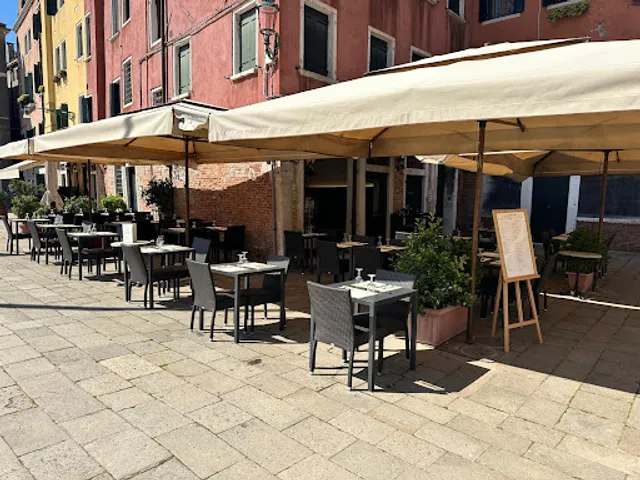
Trattoria Pizzeria da Paolo
3.8
(322)
Closed
Click for details
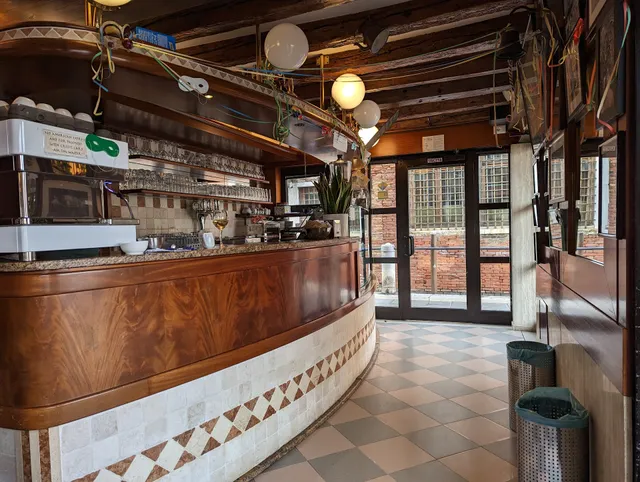
Campo de l'arsenal
3.7
(98)
Click for details
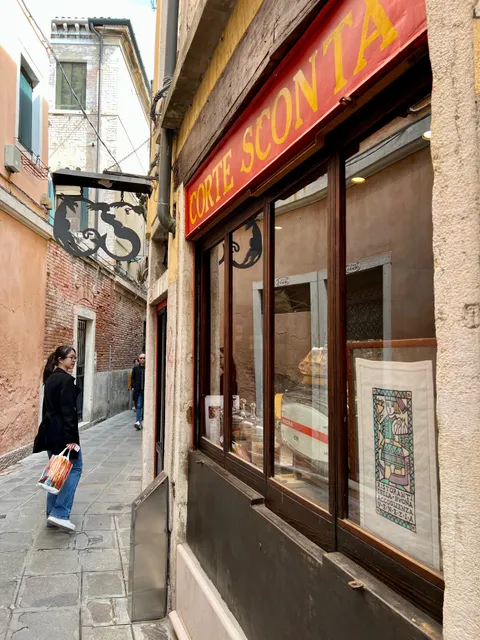
Corte Sconta
4.3
(468)
$$
Open until 12:00 AM
Click for details
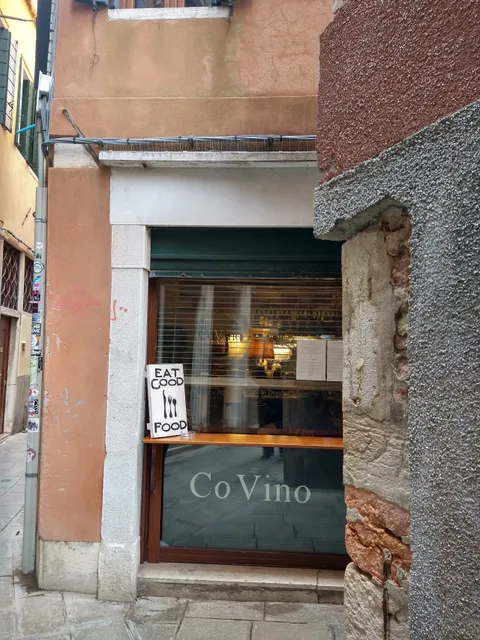
Al Covino
4.6
(485)
$$
Open until 12:00 AM
Click for details
Nearby local services of Venetian Arsenal
Museo Storico Navale di Venezia
Mercatino di San Martino
SMALL GROCERY SHOP
Arsenale
Venezia Catamaran Cruises
Riva degli Schiavoni
Libreria Acqua Alta
Bridge of Dreams
Librairie Acqua Alta
Via Giuseppe Garibaldi, 1252
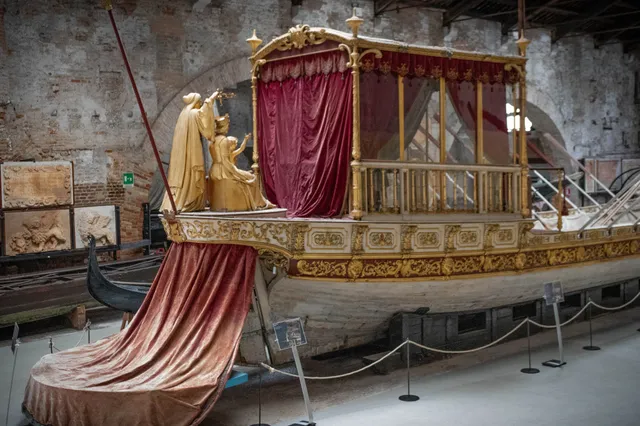
Museo Storico Navale di Venezia
4.3
(571)
Click for details
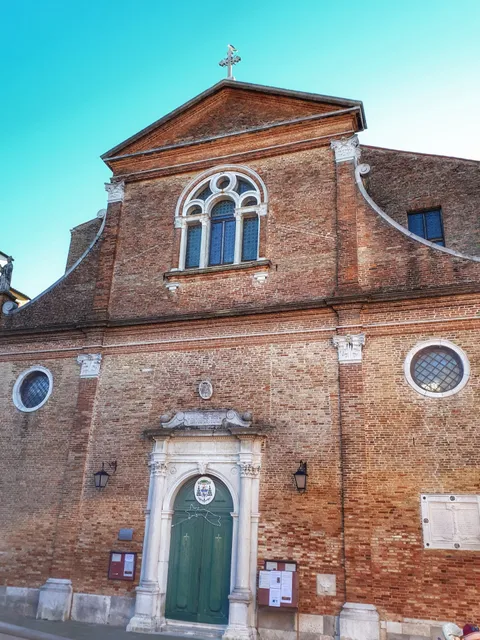
Mercatino di San Martino
3.8
(26)
Click for details
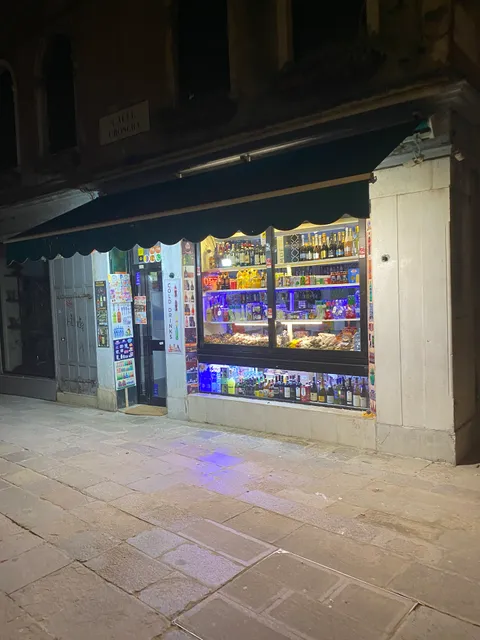
SMALL GROCERY SHOP
4.6
(65)
Click for details
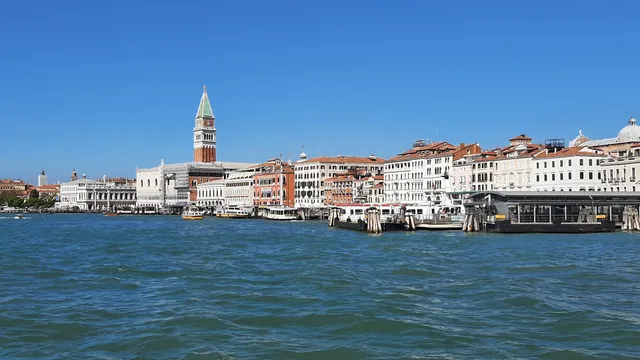
Arsenale
4.7
(126)
Click for details