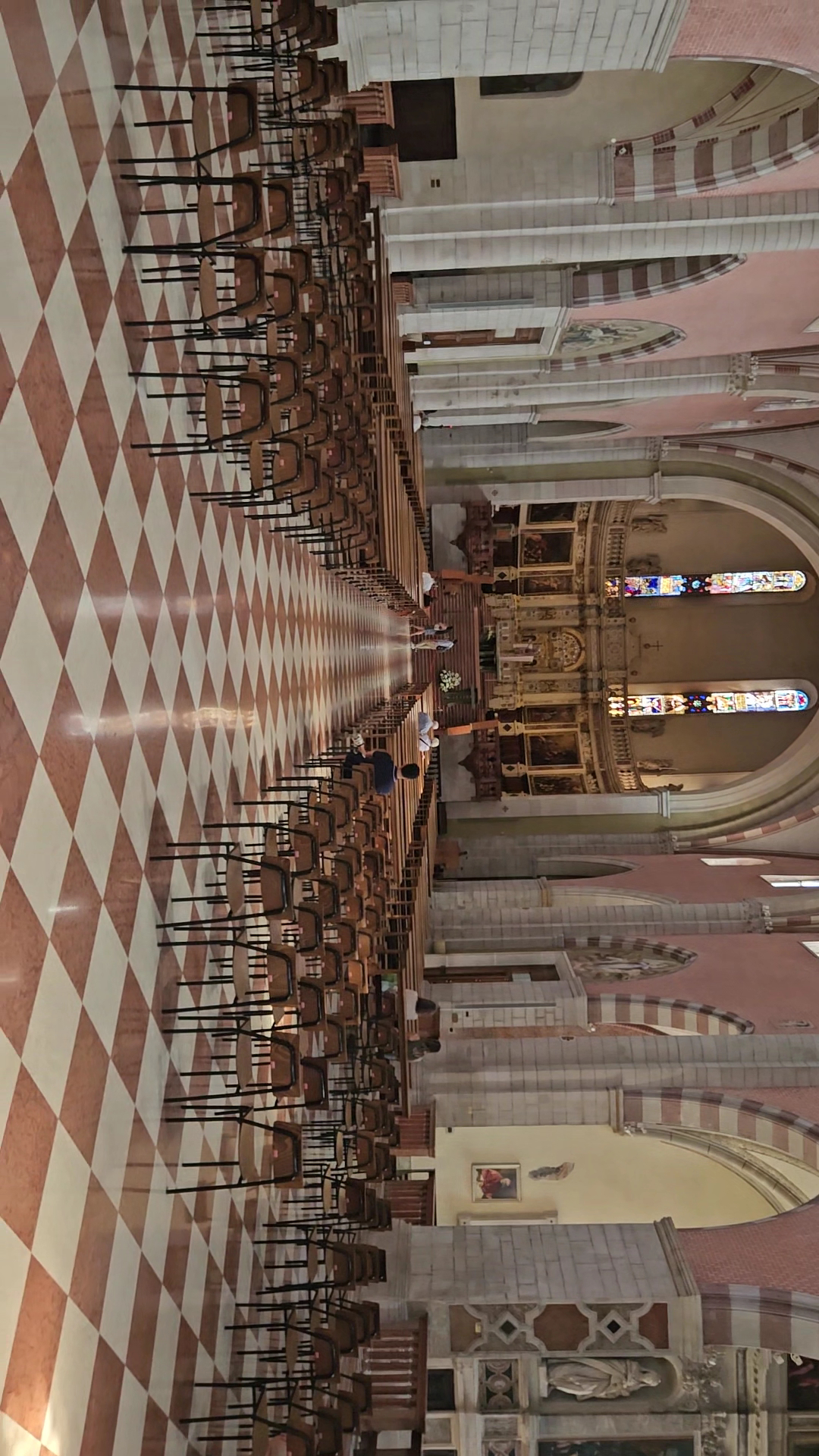
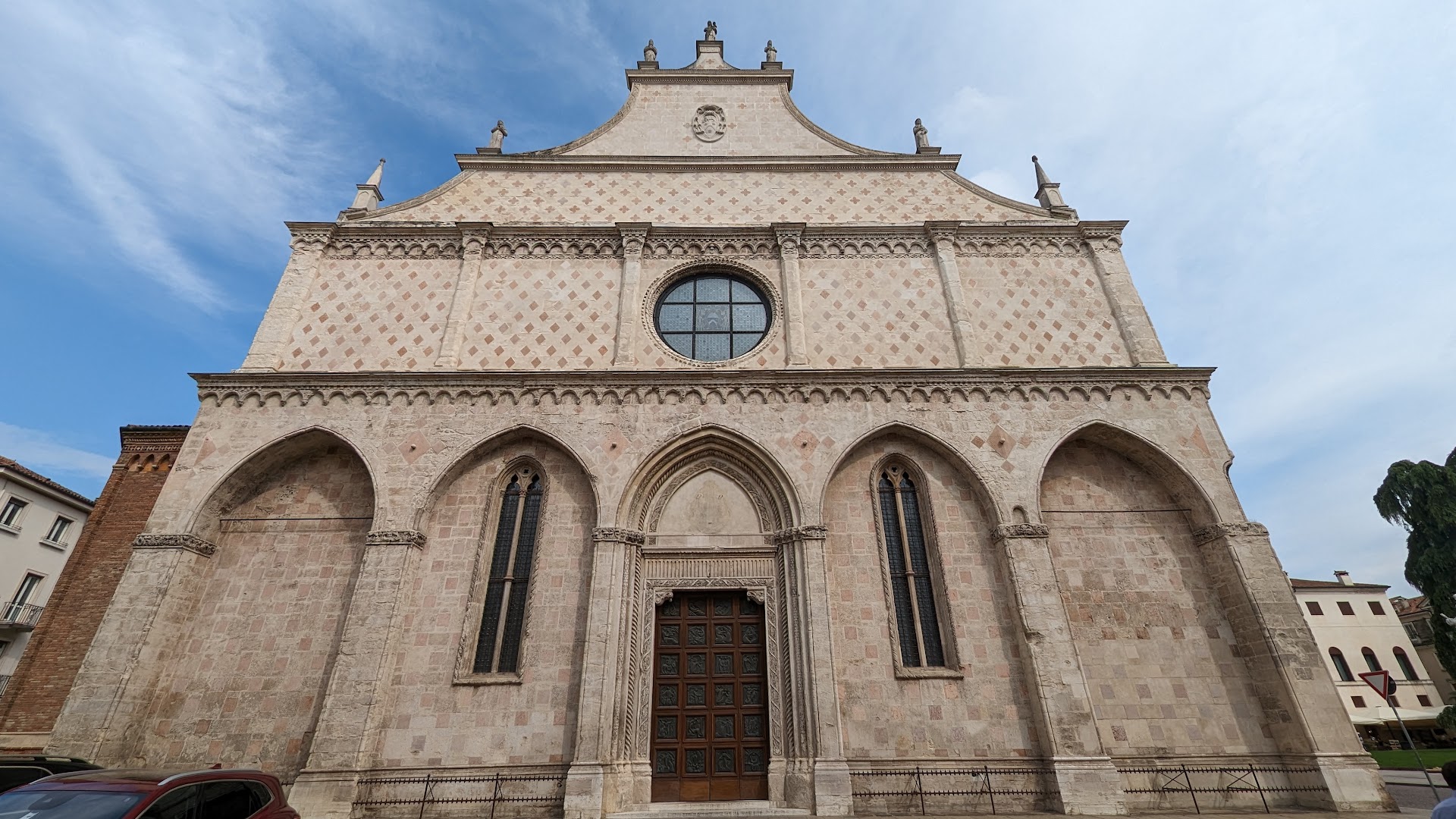
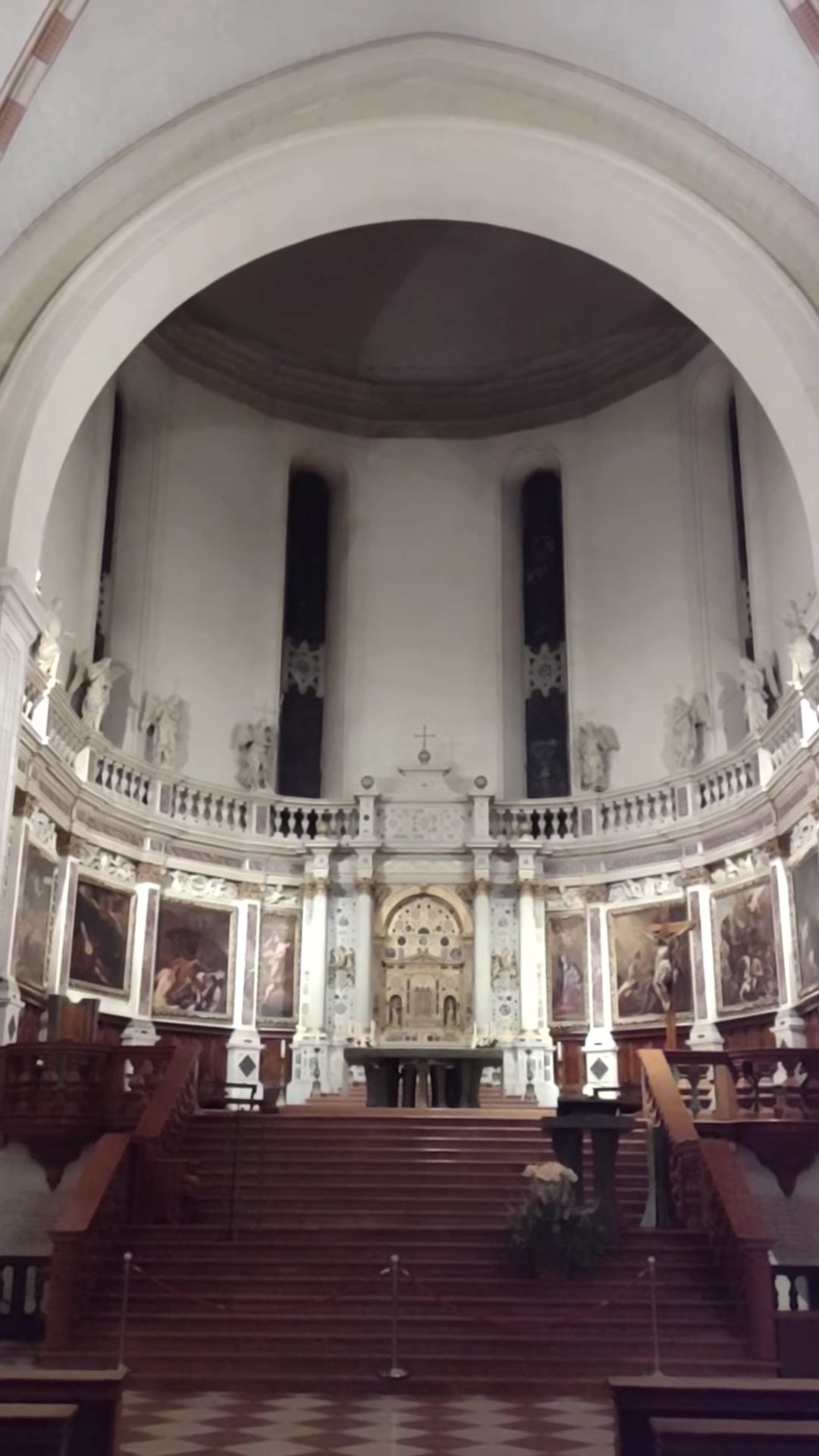
Cattedrale di Santa Maria Annunciata things to do, attractions, restaurants, events info and trip planning
Basic Info
Cattedrale di Santa Maria Annunciata
Piazzetta Duomo, 36100 Vicenza VI, Italy
4.5(799)
Open until 12:00 PM
Save
spot
spot
Ratings & Description
Info
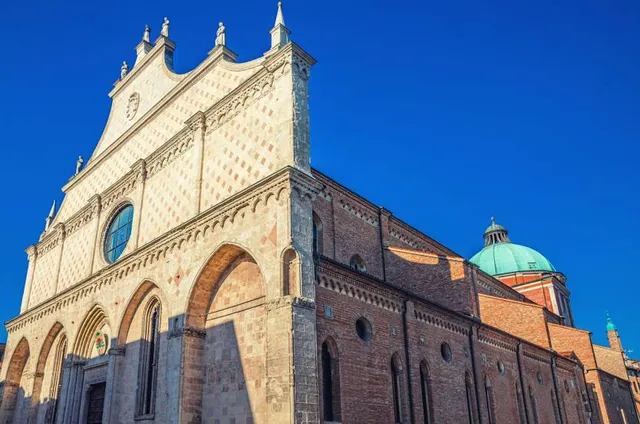
Vicenza Cathedral is a Roman Catholic cathedral in Vicenza, Veneto, northern Italy. It is the seat of the Bishop of Vicenza, and is dedicated to the Annunciation of the Virgin Mary.
Cultural
Scenic
Family friendly
Accessibility
attractions: Piazza dei Signori, Palladian Basilica, Museo Diocesano di Vicenza, Roman cryptoporticus, Palladian Routes, Salvi Gardens Vicenza, Galuchat Modernariato e Design d epoca, Palazzo Thiene Bonin Longare, Church of San Lorenzo, Loggia del Capitaniato, restaurants: BEAR BUNS, Righetti, Osteria Veneto's, Antico Caffe' Scrigni Sas, Bar Italia Easy Drinking, Angolo Palladio, Caffe' Natura, L'Ombra Al Campanile, Evì - Enoteca Veneta Ristorante, Ovosodo Cocktail Bar, local businesses: Piazza dei Signori, dm Italia, Giunti al Punto Librerie, R-Store (ex Juice) Vicenza | Apple Premium Reseller e Centro Assistenza Autorizzato Apple, Galla 1880, Spazio Roma, COIN, Flying Tiger Copenhagen, Panda We Do (ex panda print), Dan John Vicenza
 Learn more insights from Wanderboat AI.
Phone
+39 0444 325007
Website
diocesi.vicenza.it
Open hoursSee all hours
Thu8 AM - 12 PM, 3:30 - 7:30 PMOpen
Plan your stay

Pet-friendly Hotels in Vicenza
Find a cozy hotel nearby and make it a full experience.

Affordable Hotels in Vicenza
Find a cozy hotel nearby and make it a full experience.

The Coolest Hotels You Haven't Heard Of (Yet)
Find a cozy hotel nearby and make it a full experience.

Trending Stays Worth the Hype in Vicenza
Find a cozy hotel nearby and make it a full experience.
Reviews
Live events

Riconoscere i segnali di una relazione tossica
Fri, Feb 27 • 8:30 PM
17 Viale Giosuè Carducci 36100 Vicenza
View details

Open Day ITSCOSMO - Area Jewellery
Fri, Feb 27 • 10:00 AM
Via Rossini 66 36100 Vicenza
View details

Pizza Design al Buio – Riappropriamoci delle percezioni multisensoriali
Thu, Feb 26 • 6:30 PM
52 Via Garigliano #interno 7 35138 Padova
View details
Nearby attractions of Cattedrale di Santa Maria Annunciata
Piazza dei Signori
Palladian Basilica
Museo Diocesano di Vicenza
Roman cryptoporticus
Palladian Routes
Salvi Gardens Vicenza
Galuchat Modernariato e Design d epoca
Palazzo Thiene Bonin Longare
Church of San Lorenzo
Loggia del Capitaniato
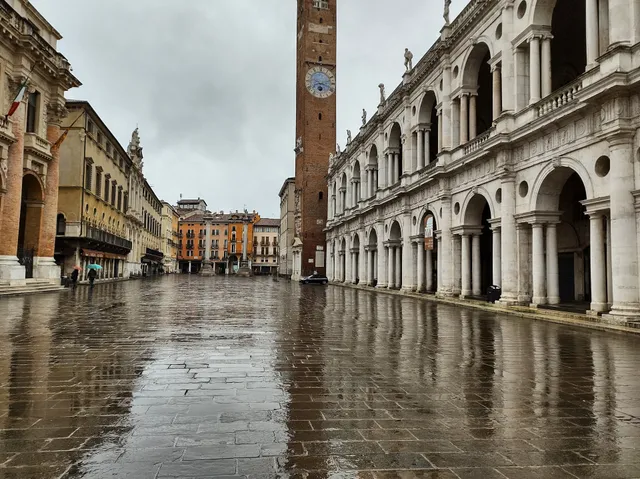
Piazza dei Signori
4.7
(5.2K)
Open until 12:00 AM
Click for details
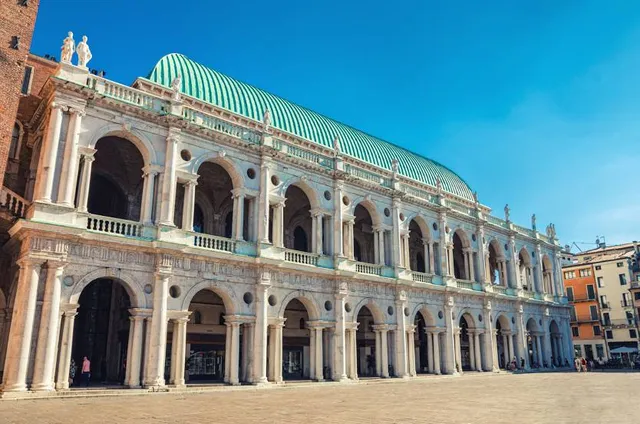
Palladian Basilica
4.7
(3.5K)
Closed
Click for details
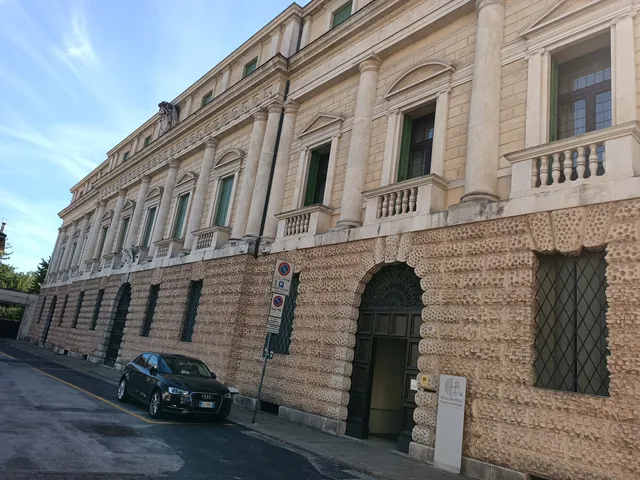
Museo Diocesano di Vicenza
4.5
(74)
Closed
Click for details
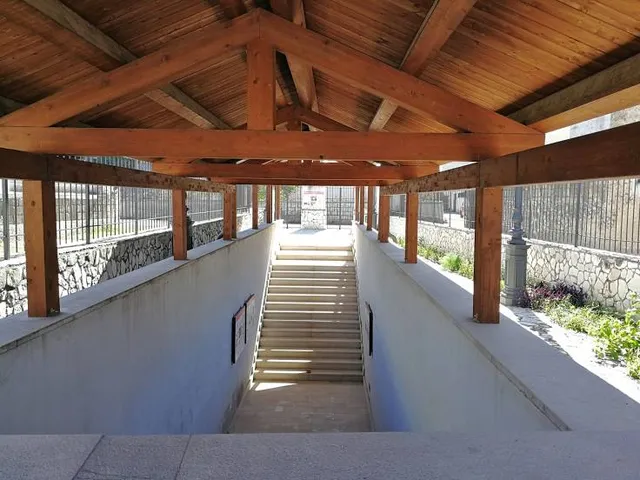
Roman cryptoporticus
4.6
(58)
Open until 12:00 AM
Click for details
Nearby restaurants of Cattedrale di Santa Maria Annunciata
BEAR BUNS
Righetti
Osteria Veneto's
Antico Caffe' Scrigni Sas
Bar Italia Easy Drinking
Angolo Palladio
Caffe' Natura
L'Ombra Al Campanile
Evì - Enoteca Veneta Ristorante
Ovosodo Cocktail Bar

BEAR BUNS
4.9
(99)
Open until 12:00 AM
Click for details
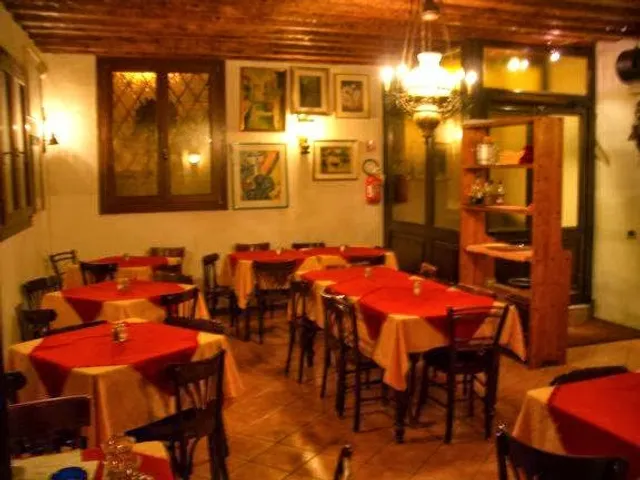
Righetti
4.4
(939)
$
Closed
Click for details
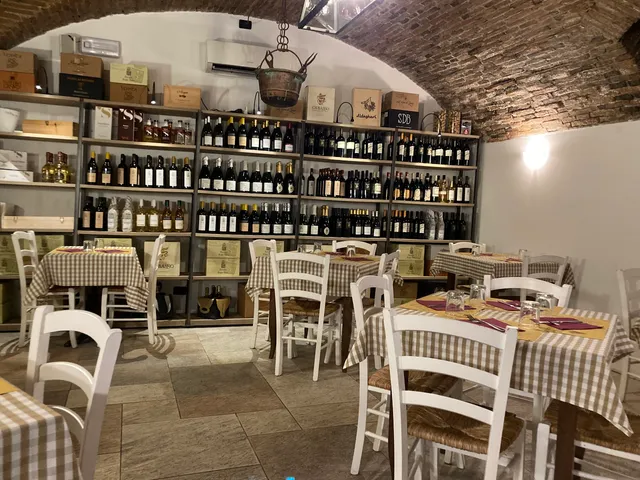
Osteria Veneto's
4.4
(706)
$$
Closed
Click for details
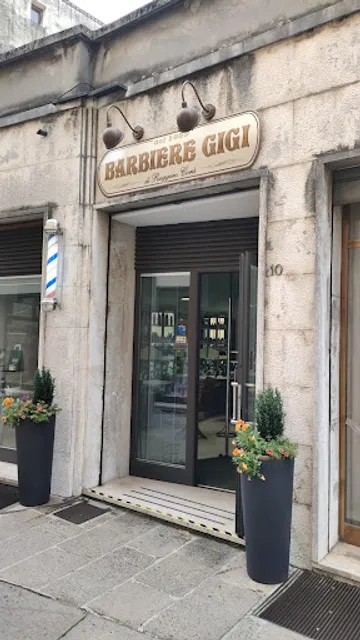
Antico Caffe' Scrigni Sas
4.3
(127)
Open until 3:00 PM
Click for details
Nearby local services of Cattedrale di Santa Maria Annunciata
Piazza dei Signori
dm Italia
Giunti al Punto Librerie
R-Store (ex Juice) Vicenza | Apple Premium Reseller e Centro Assistenza Autorizzato Apple
Galla 1880
Spazio Roma
COIN
Flying Tiger Copenhagen
Panda We Do (ex panda print)
Dan John Vicenza
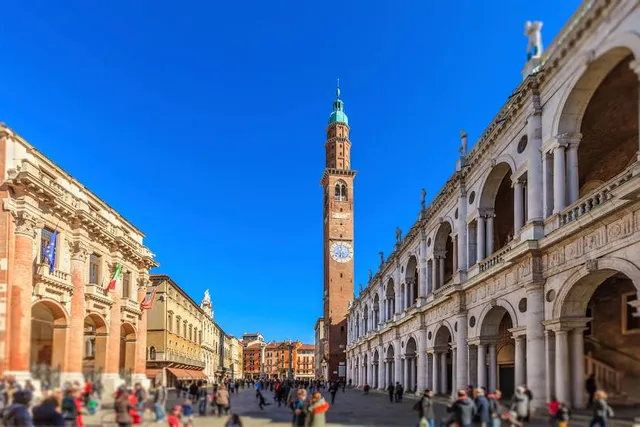
Piazza dei Signori
4.7
(4.4K)
Click for details
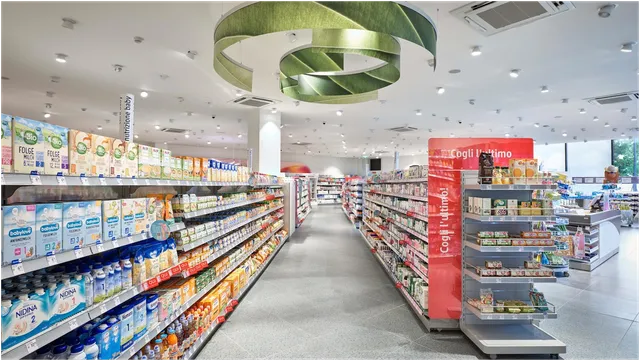
dm Italia
4.2
(239)
Click for details
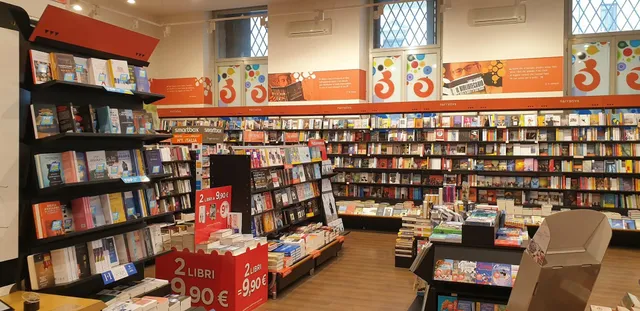
Giunti al Punto Librerie
4.4
(194)
Click for details
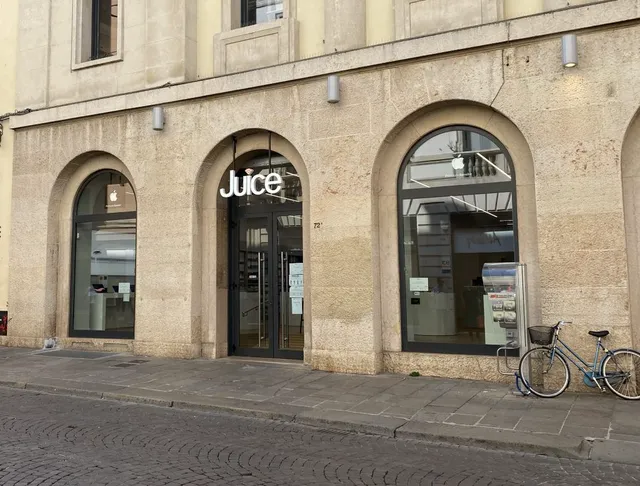
R-Store (ex Juice) Vicenza | Apple Premium Reseller e Centro Assistenza Autorizzato Apple
4.3
(300)
Click for details