Leonardo da Vinci museum things to do, attractions, restaurants, events info and trip planning
Basic Info
Leonardo da Vinci museum
Piazza della Libertà, 25, 50059 Vinci FI, Italy
4.4(3.6K)
Closed


tickets
Save
spot
spot
Ratings & Description
Info
Cultural
Accessibility
attractions: Centro Espositivo Leo Lev, Sezione Museo Leonardiano "Leonardo e la pittura", Leonardo Museum palazina Uzielli, Church of the Holy Cross, Museo Ideale Leonardo da Vinci, restaurants: Pizzeria Monnalisa, Ristorante Atman, Il Fornino di Vinci, La Beccheria, Antica Cantina di Bacco di Bianconi Giuliano"Enoteca -Ristorante", Il Ristoro del Museo, Bar Leonardo - Vinci (fi), Ristorante La Torretta, Caffè del Castello, Convintoo, local businesses: La camera di Leonardo, Pesa, Farmhouse Il Piastrino
 Learn more insights from Wanderboat AI.
Phone
+39 0571 933251
Website
museoleonardiano.it
Open hoursSee all hours
Sat10 AM - 6 PMClosed
Plan your stay

Pet-friendly Hotels in Vinci
Find a cozy hotel nearby and make it a full experience.

Affordable Hotels in Vinci
Find a cozy hotel nearby and make it a full experience.

The Coolest Hotels You Haven't Heard Of (Yet)
Find a cozy hotel nearby and make it a full experience.

Trending Stays Worth the Hype in Vinci
Find a cozy hotel nearby and make it a full experience.
Reviews
Live events

My Farm - Wine, Pasta & Vineyard in One Day
Sat, Feb 21 • 9:15 AM
50124, Florence, Tuscany, Italy
View details
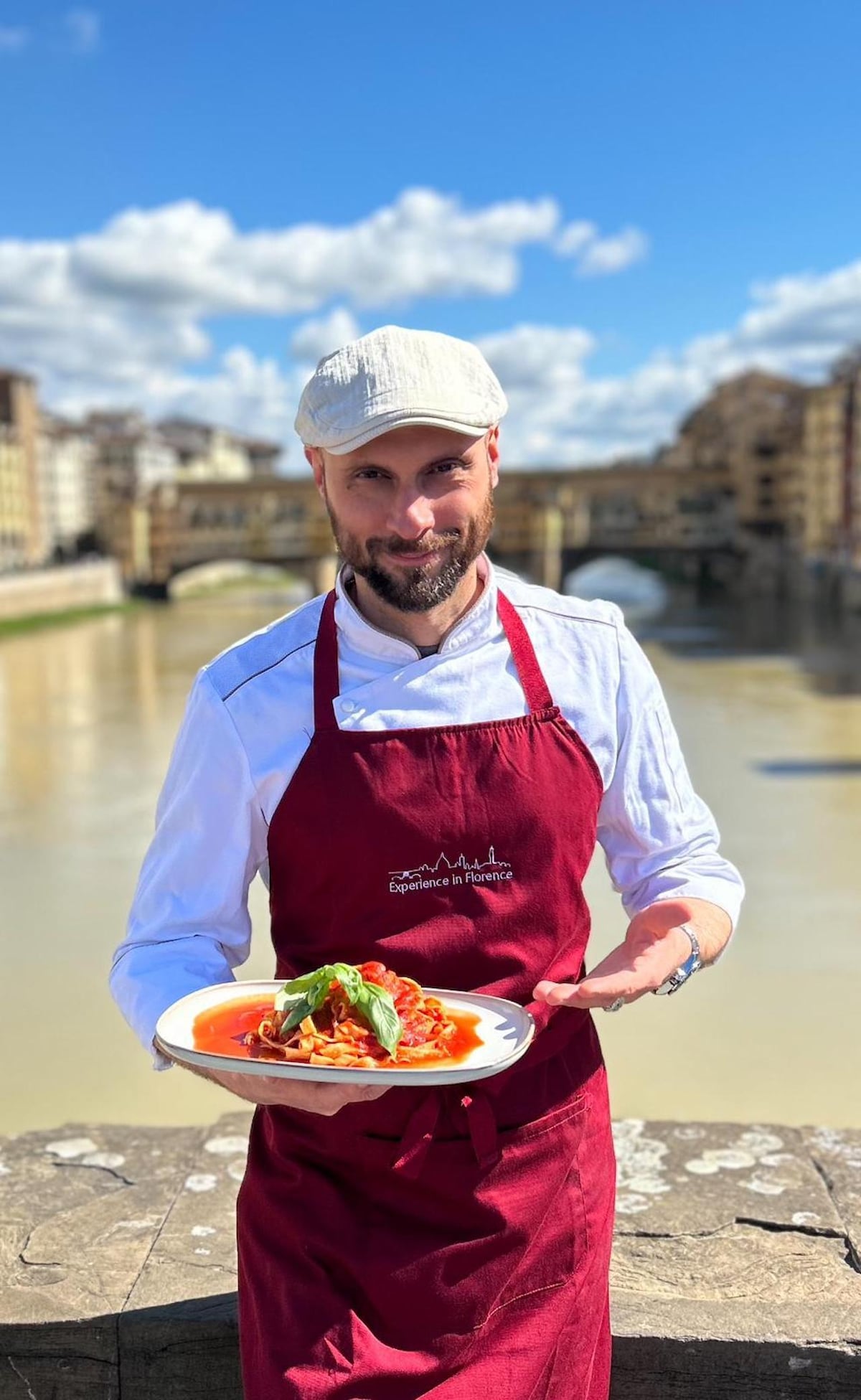
Pastamania - Pasta Class & Wine near Ponte Vecchio
Sat, Feb 21 • 10:00 AM
50125, Florence, Tuscany, Italy
View details
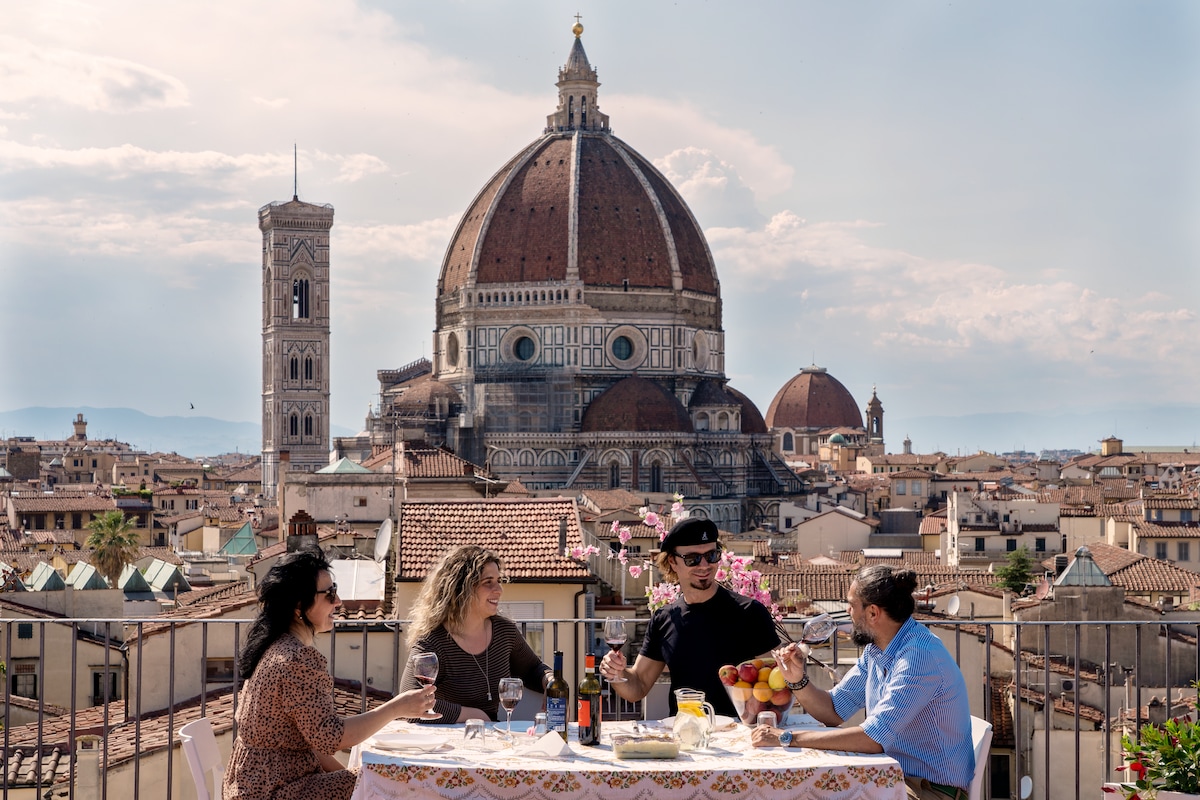
Cooking Class With 360 Florence View
Sat, Feb 21 • 10:00 AM
50122, Florence, Tuscany, Italy
View details
Nearby attractions of Leonardo da Vinci museum
Centro Espositivo Leo Lev
Sezione Museo Leonardiano "Leonardo e la pittura"
Leonardo Museum palazina Uzielli
Church of the Holy Cross
Museo Ideale Leonardo da Vinci
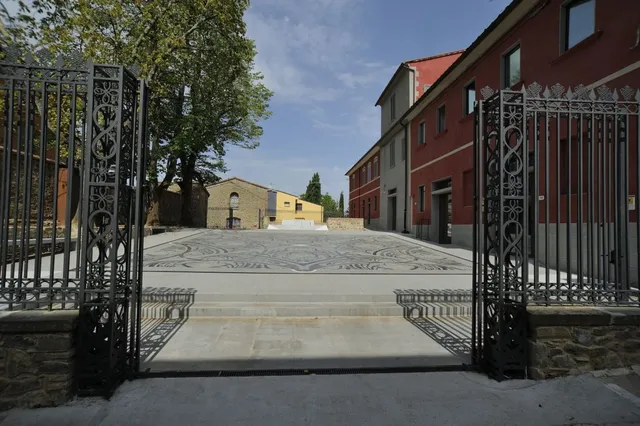
Centro Espositivo Leo Lev
4.9
(468)
Closed
Click for details
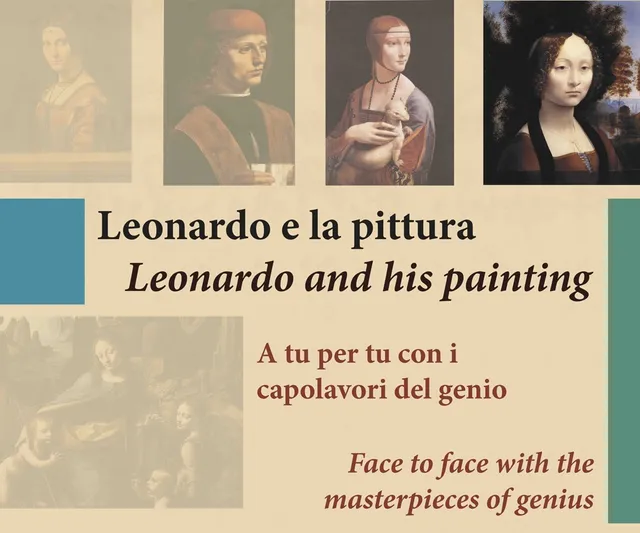
Sezione Museo Leonardiano "Leonardo e la pittura"
4.4
(41)
Closed
Click for details
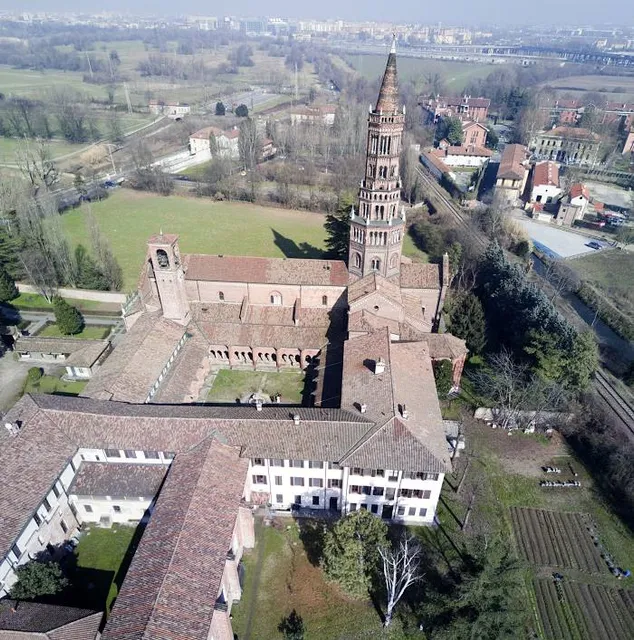
Leonardo Museum palazina Uzielli
4.3
(154)
Closed
Click for details
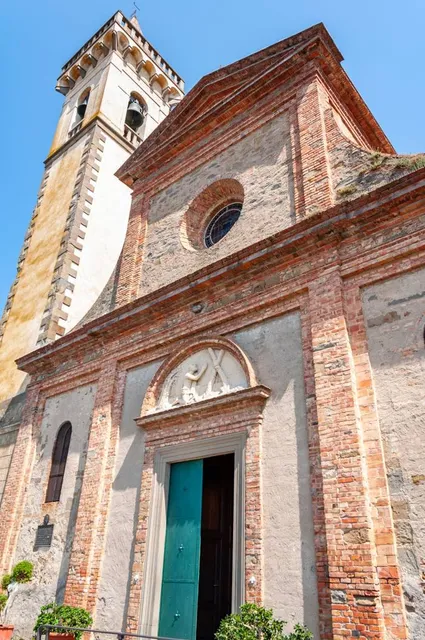
Church of the Holy Cross
4.5
(68)
Open 24 hours
Click for details
Nearby restaurants of Leonardo da Vinci museum
Pizzeria Monnalisa
Ristorante Atman
Il Fornino di Vinci
La Beccheria
Antica Cantina di Bacco di Bianconi Giuliano"Enoteca -Ristorante"
Il Ristoro del Museo
Bar Leonardo - Vinci (fi)
Ristorante La Torretta
Caffè del Castello
Convintoo
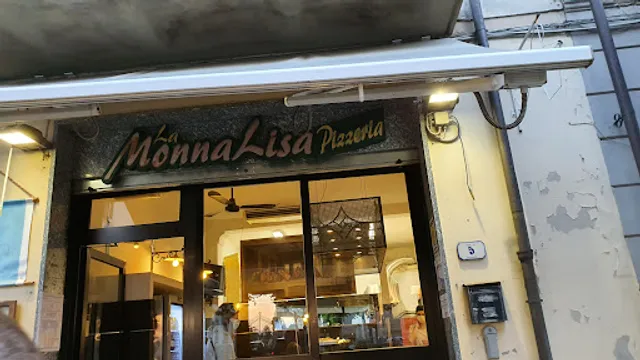
Pizzeria Monnalisa
4.3
(165)
Closed
Click for details
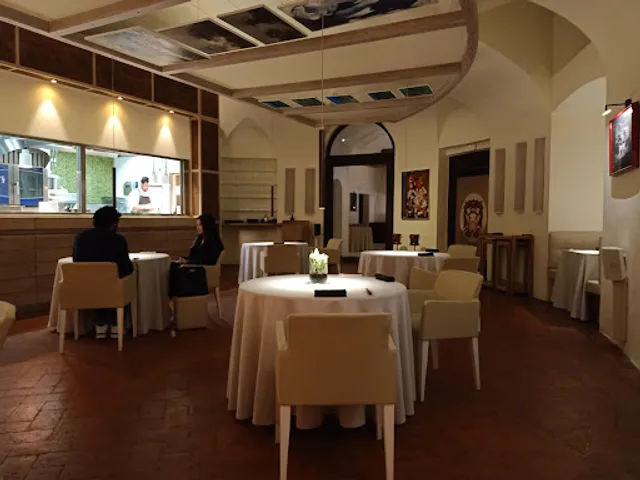
Ristorante Atman
4.7
(143)
Closed
Click for details
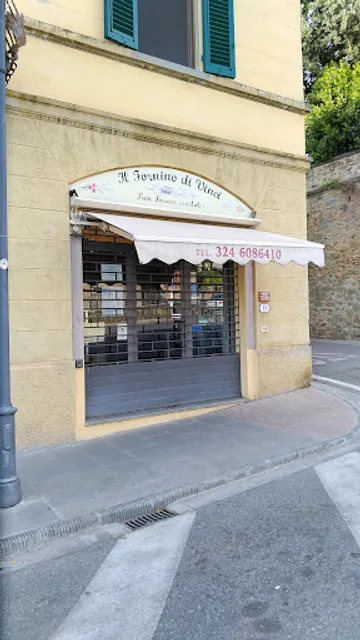
Il Fornino di Vinci
4.9
(36)
Open until 3:00 PM
Click for details
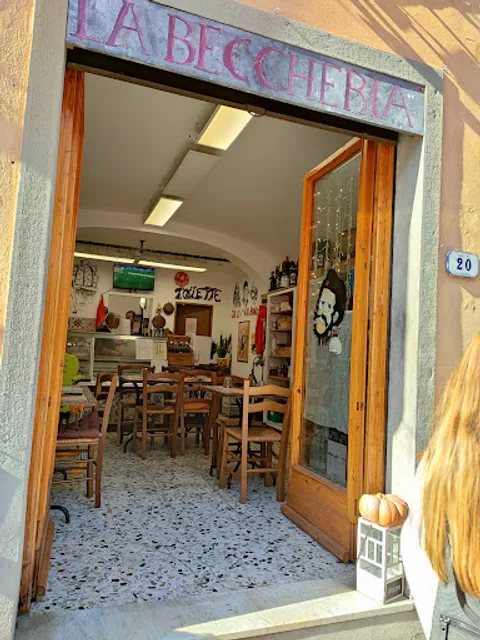
La Beccheria
4.7
(370)
Closed
Click for details
Nearby local services of Leonardo da Vinci museum
La camera di Leonardo
Pesa
Farmhouse Il Piastrino
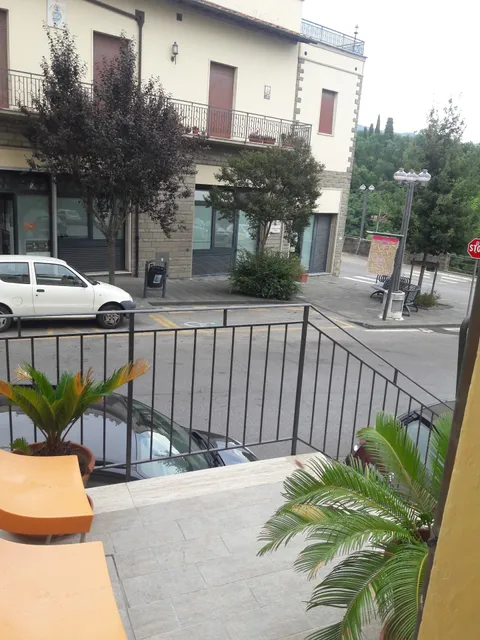
La camera di Leonardo
3.9
(13)
Click for details
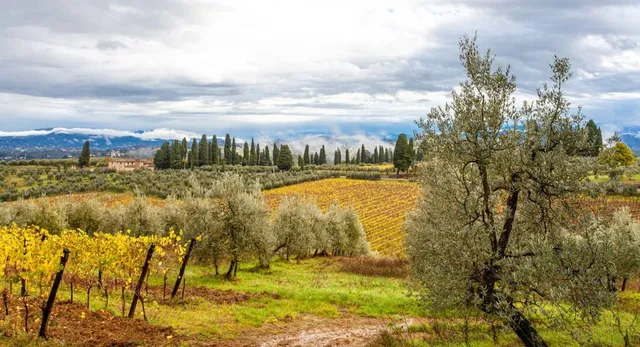
Pesa
4.3
(26)
Click for details
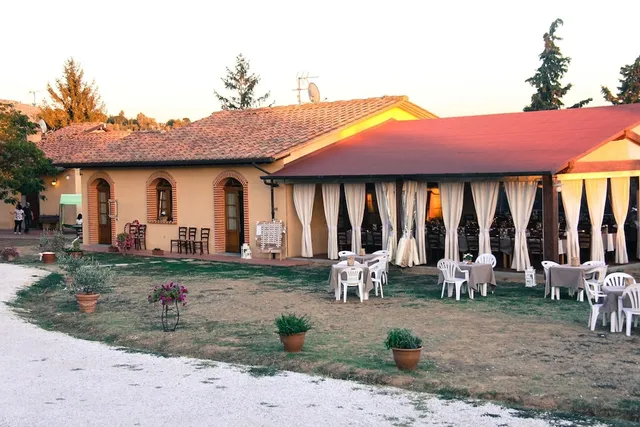
Farmhouse Il Piastrino
4.5
(607)
Click for details