Japan Open-Air Folk House Museum things to do, attractions, restaurants, events info and trip planning
Basic Info
Japan Open-Air Folk House Museum
7 Chome-1-1 Masugata, Tama Ward, Kawasaki, Kanagawa 214-0032, Japan
4.5(828)
Open until 12:00 AM

tickets
Save
spot
spot
Ratings & Description
Info
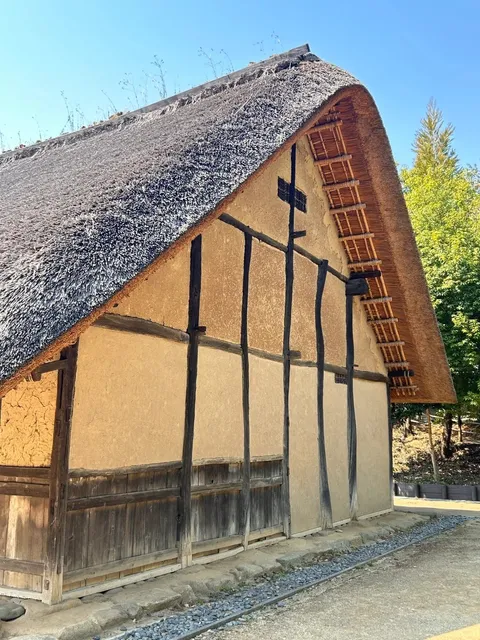
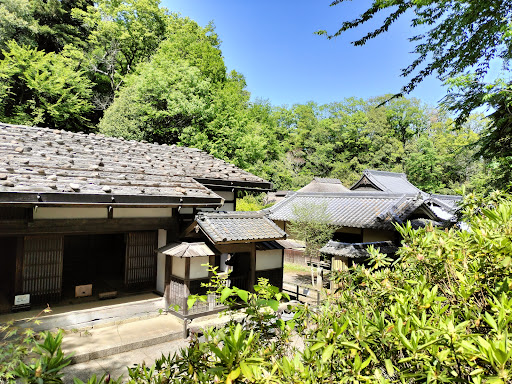
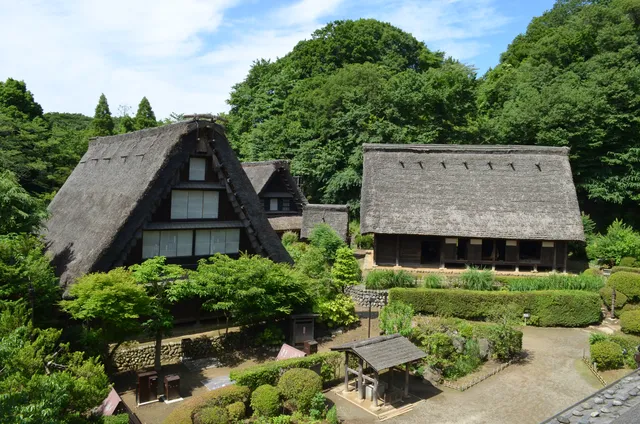
Nihon Minka-en is a park in the Ikuta Ryokuchi Park of Tama-ku, Kawasaki, Kanagawa Prefecture, Japan. On display in the park is a collection of 20 traditional minka from various areas of Japan, especially thatched-roofed houses from eastern Japan.
Cultural
Outdoor
Family friendly
Accessibility
attractions: Ikuta Ryokuchi (Ikuta Greenspace), Kawasaki Municipal Science Museum, Hara Family Residence, Hydrangea Mountain (Ajisai-yama), Taro Okamoto Museum of Art Museum Shop, Taro Okamoto Museum of Art, Ikuta Ryokuchi Rose Garden, Gokamurahori Ryokuchi Park, ばら苑アクセスロード, Noborito 1 Gogaiku Park, restaurants: Cafeteria TARO, Vege-Plant Cafe Bar LEBRO, Ravenna, Bagel Company, Kushikatsu Tanaka Mukogaoka, Coffee-kan Mukougaoka-Yuen, 家系ラーメン大岡家 向ケ丘遊園店, バーミヤン 向ヶ丘遊園駅前店, ジョナサン 向ヶ丘遊園店, コッチュ, local businesses: Mt.Masugata observation platform, Mt.Masugata square, Higashiikuta Ryokuchi Park, Kawasaki Traditional Indigo Dyeing Workshop, サニーデイズ
 Learn more insights from Wanderboat AI.
Phone
+81 44-922-2181
Website
nihonminkaen.jp
Open hoursSee all hours
TueClosedOpen
Plan your stay

Pet-friendly Hotels in Kawasaki
Find a cozy hotel nearby and make it a full experience.

Affordable Hotels in Kawasaki
Find a cozy hotel nearby and make it a full experience.

The Coolest Hotels You Haven't Heard Of (Yet)
Find a cozy hotel nearby and make it a full experience.

Trending Stays Worth the Hype in Kawasaki
Find a cozy hotel nearby and make it a full experience.
Reviews
Live events
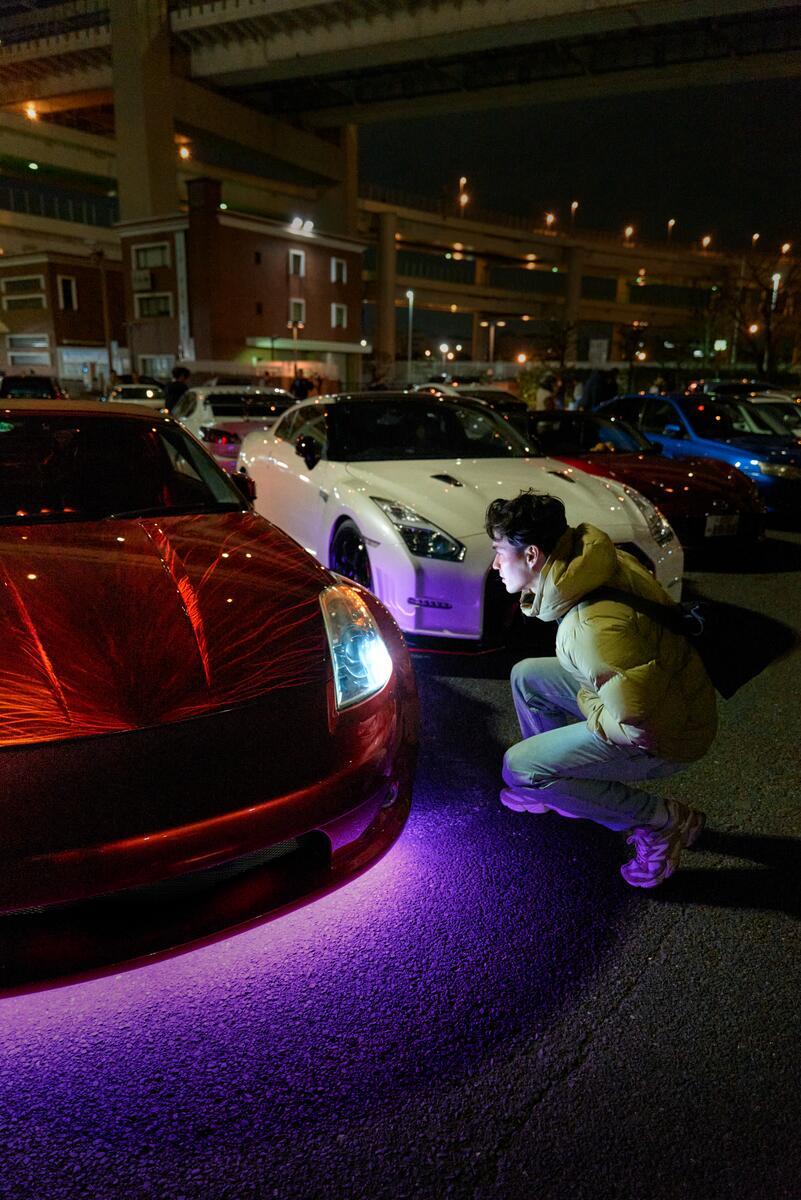
Drive Tokyo’s car culture in a Nissan Skyline
Tue, Feb 10 • 8:30 PM
150-0047, Tokyo Prefecture, Shibuya, Japan
View details

СНГ ВЕЧЕРИНКА KAÏF | ТОКИО
Fri, Feb 13 • 10:00 PM
Japan, 〒106-0032 Tokyo, Minato City, Roppongi, 7 Chome−14−23 B1F #B1F Minato City, Tokyo 106-0032
View details
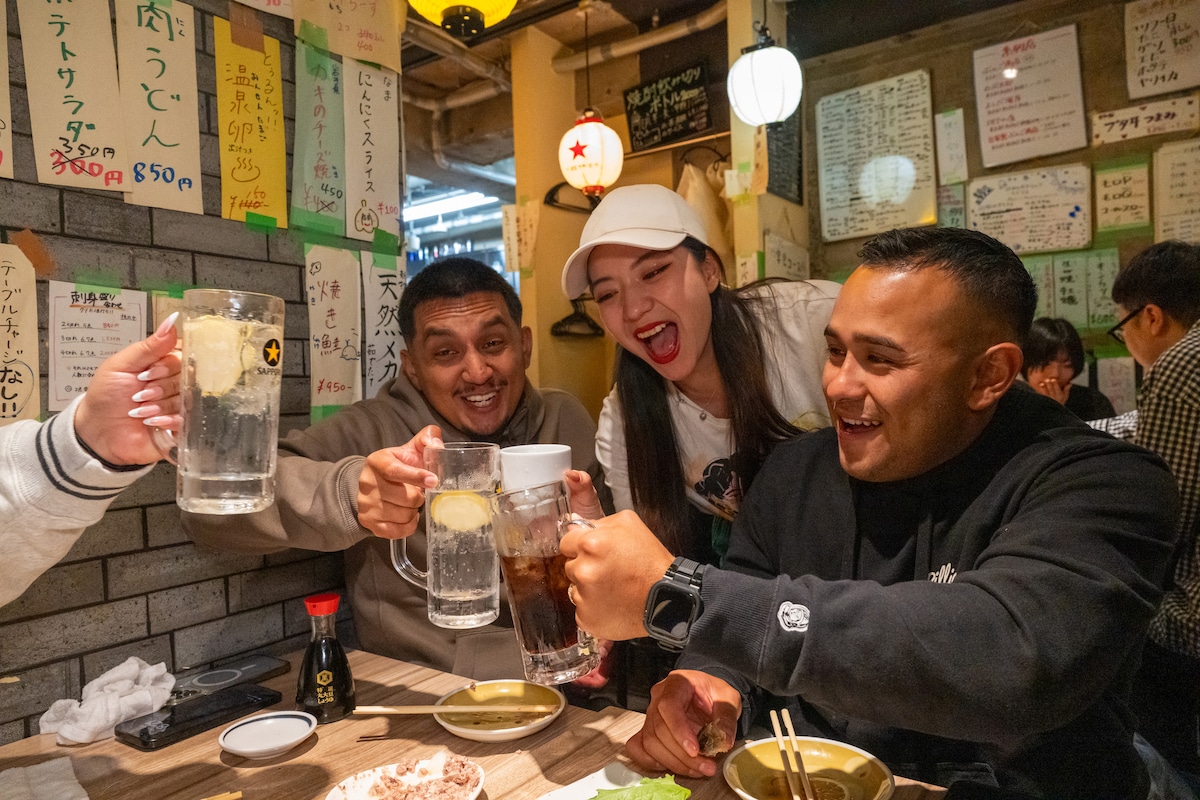
Unlimited Local Night《ALL-Y-Can-DRINK》Shinjuku Gem
Tue, Feb 10 • 5:30 PM
160-0022, Tokyo Prefecture, Shinjuku City, Japan
View details
Nearby attractions of Japan Open-Air Folk House Museum
Ikuta Ryokuchi (Ikuta Greenspace)
Kawasaki Municipal Science Museum
Hara Family Residence
Hydrangea Mountain (Ajisai-yama)
Taro Okamoto Museum of Art Museum Shop
Taro Okamoto Museum of Art
Ikuta Ryokuchi Rose Garden
Gokamurahori Ryokuchi Park
ばら苑アクセスロード
Noborito 1 Gogaiku Park
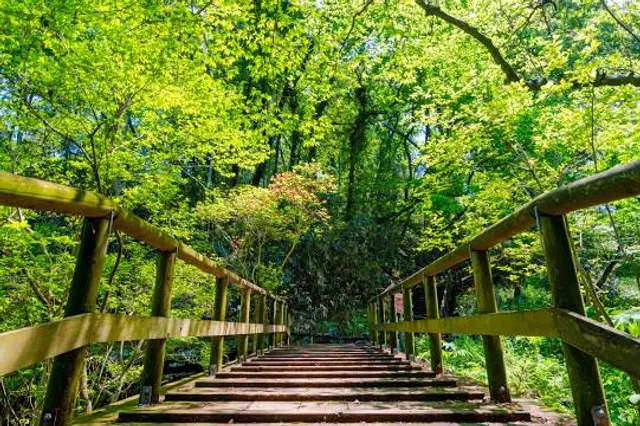
Ikuta Ryokuchi (Ikuta Greenspace)
4.3
(1.8K)
Open until 12:00 AM
Click for details
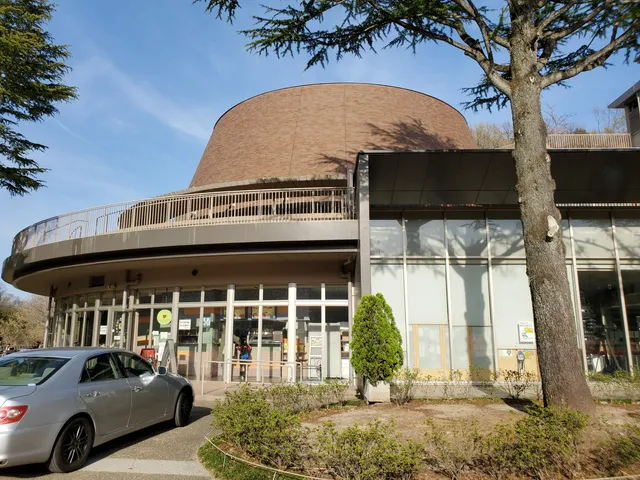
Kawasaki Municipal Science Museum
4.3
(592)
Open until 12:00 AM
Click for details
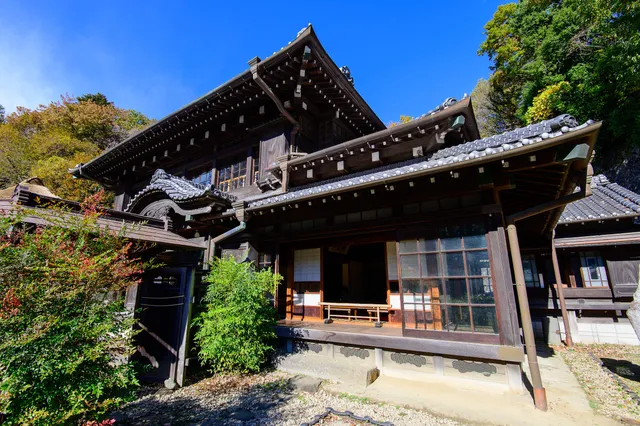
Hara Family Residence
4.4
(11)
Closed
Click for details
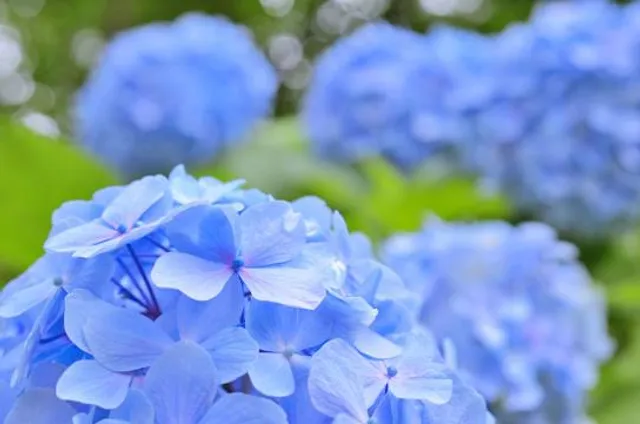
Hydrangea Mountain (Ajisai-yama)
4.0
(27)
Open until 12:00 AM
Click for details
Nearby restaurants of Japan Open-Air Folk House Museum
Cafeteria TARO
Vege-Plant Cafe Bar LEBRO
Ravenna
Bagel Company
Kushikatsu Tanaka Mukogaoka
Coffee-kan Mukougaoka-Yuen
家系ラーメン大岡家 向ケ丘遊園店
バーミヤン 向ヶ丘遊園駅前店
ジョナサン 向ヶ丘遊園店
コッチュ
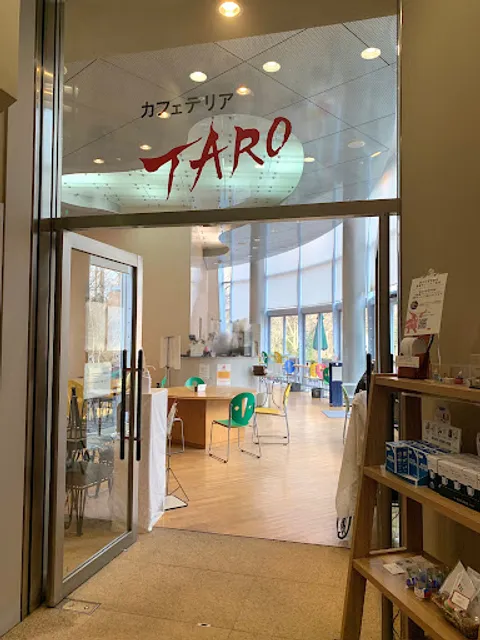
Cafeteria TARO
3.7
(70)
Open until 12:00 AM
Click for details
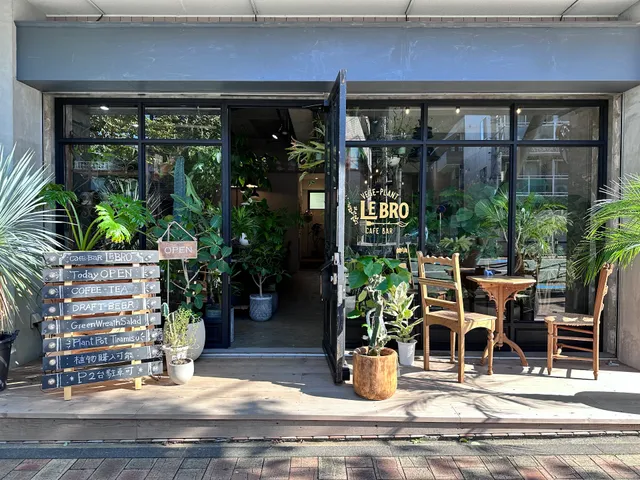
Vege-Plant Cafe Bar LEBRO
4.8
(74)
Open until 12:00 AM
Click for details
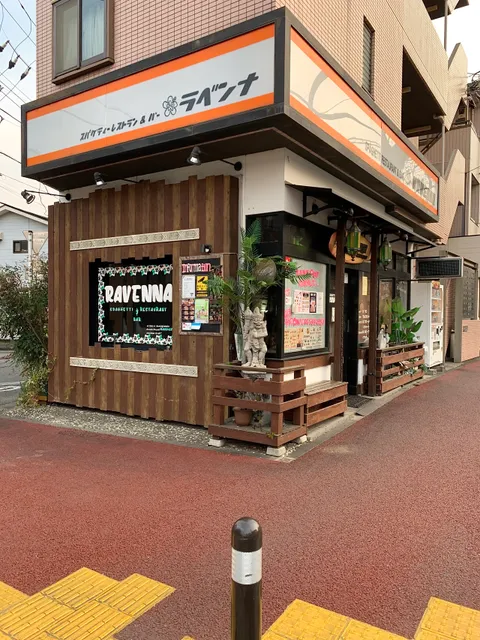
Ravenna
4.3
(97)
Open until 11:00 PM
Click for details
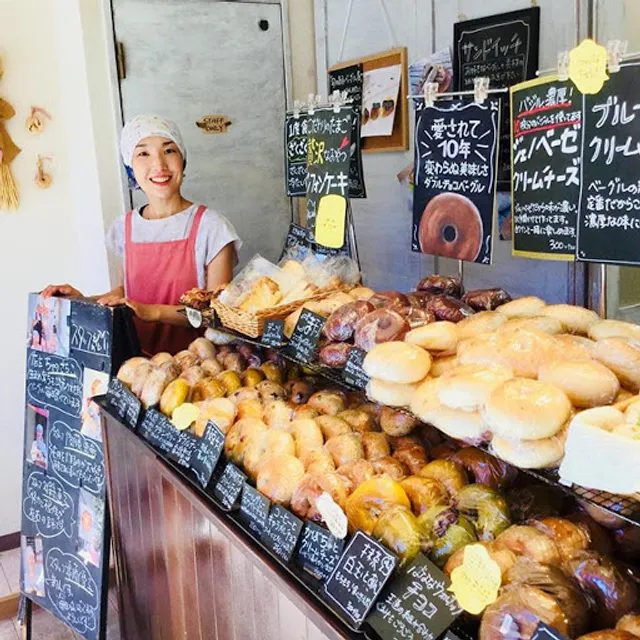
Bagel Company
4.2
(101)
Click for details
Nearby local services of Japan Open-Air Folk House Museum
Mt.Masugata observation platform
Mt.Masugata square
Higashiikuta Ryokuchi Park
Kawasaki Traditional Indigo Dyeing Workshop
サニーデイズ

Mt.Masugata observation platform
4.3
(130)
Click for details
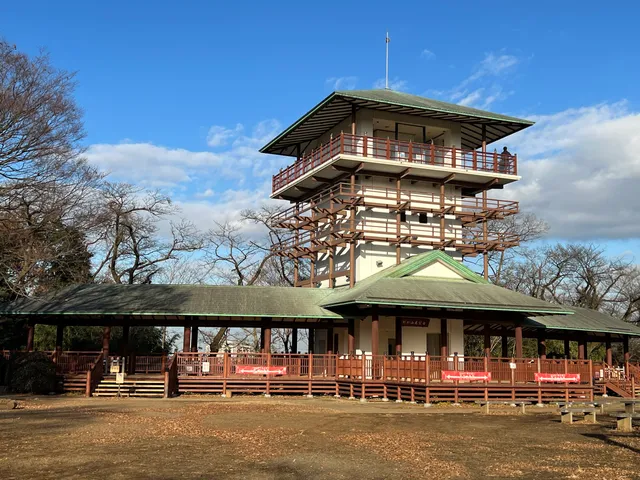
Mt.Masugata square
4.1
(61)
Click for details
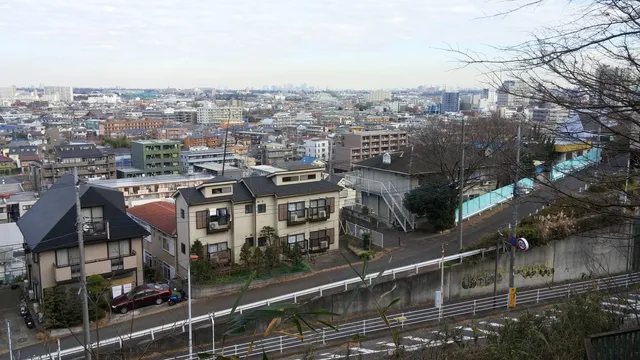
Higashiikuta Ryokuchi Park
3.9
(23)
Click for details
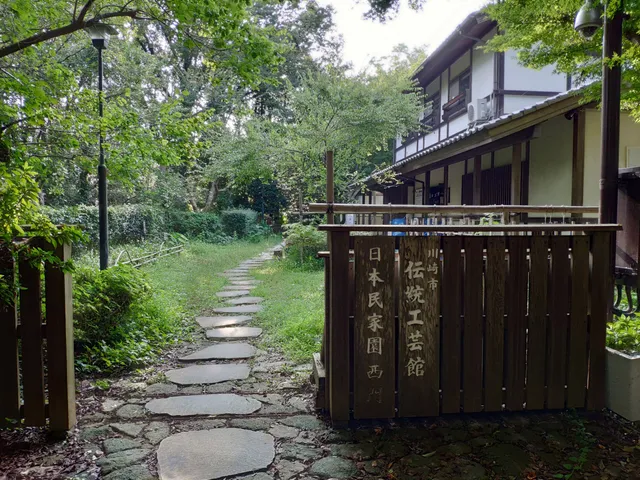
Kawasaki Traditional Indigo Dyeing Workshop
4.2
(43)
Click for details