More about lodging than praying, but an experience that you should not missed
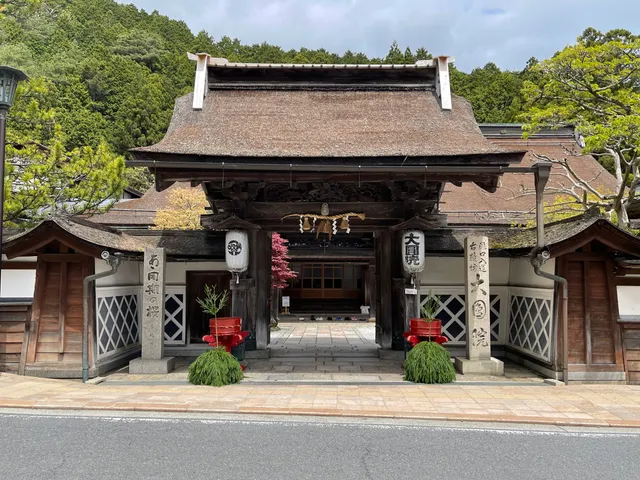
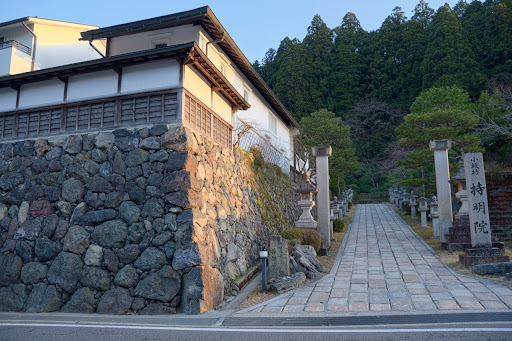
N34°12.766' E135°35.402' Jimyo-in is a five-minute walk from the tourist information next to the fire station. You can easily walk to the holy Garan district or the Okun-in cemetery. Park your car in the temple up the slope, through the temple gate and into courtyard, where your car can contemplate its own automotive existence and future on this hydrocarbon consuming earth.
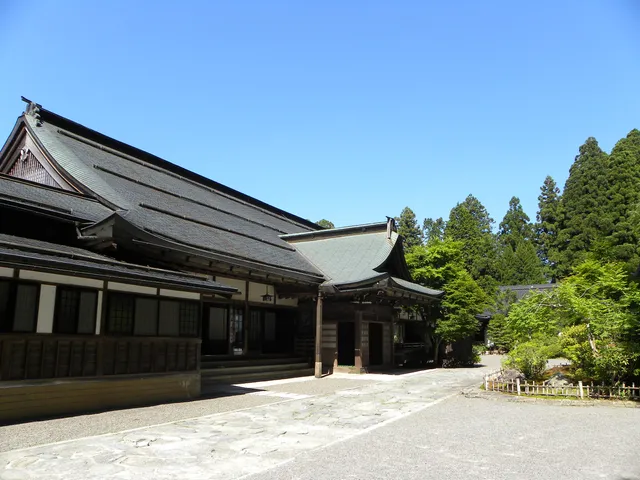
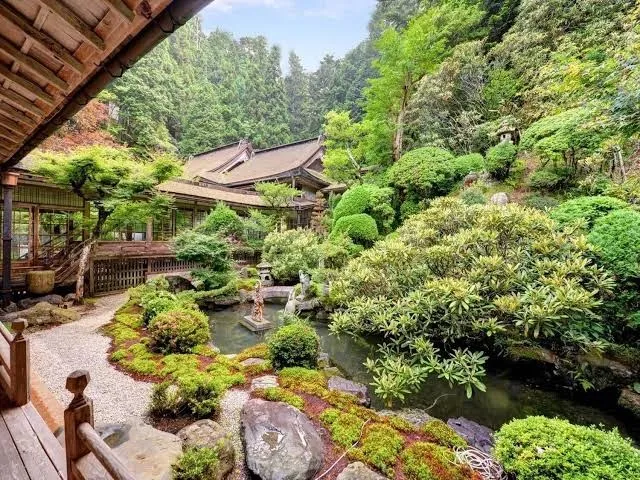
To prevent disappointment, a temple lodging (shukubō) in Koyasan is not participating in temple life with priests and monks who pray or meditate. Interaction with guests is rare, none with monks or priest. The core business model of every temple in Koyasan is to receive guests in increasingly luxurious Japanese rooms in beautiful ryokan buildings with rock gardens and an adjacent temple. Some temples even offer Western room with private bathroom.
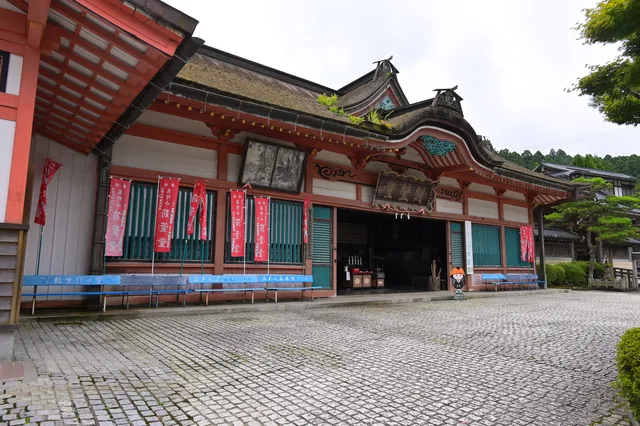
The prayer service in the morning is to emphasise that it is a temple. A priest, who is also the general manager and cashier, leads the service. Even Japanese guests visit the service, so not only for foreigners. As many reviewers have noted, it can be very cool on Mount Koya, even in March or April. So, dress warmly and be the first to sit next to the heater.
Temple stay can be expensive if you do not shop around. Like so many ryokans and minshuku’s, temples only take telephone reservations if you speak Japanese. A few responded to our e-mail request in English. A central reservation service for temple stay is available. Prices varied for exactly the same location and sometimes it is not clear if breakfast and/or dinner is included in the price. We booked three nights by using a booking website, not our first choice. We paid for one night including breakfast €140 per night in March 2018.
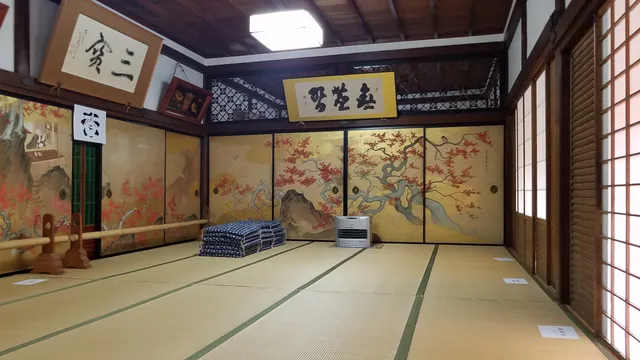
Our corner room 223 on 1F in the new wing looked out on a small garden towards the main hall (Hondo). The room is equipped with air conditioner (for heating in March), television, room save and a kotatsu (low table with building electric heater). There is a small sink in the room; the toilet is in the hallway. The new public bath (sentõ) was only open between 4-9pm and the typical Japanese onsen experience was missing. Inside, cold-water pressure was irregular and the thermal faucets did not respond well to the sudden change in temperature. Wi-Fi reception is only in the lobby of the hotel, pardon, temple main entrance. We had a good night’s sleep, although the pillow was a bit hard.
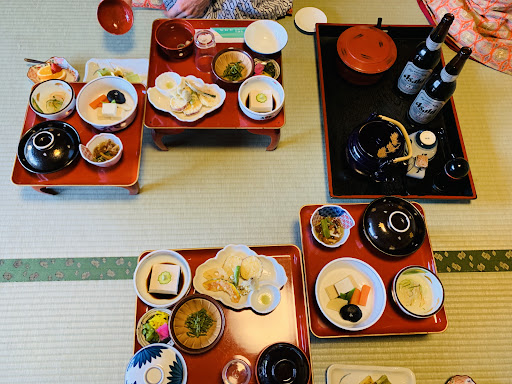
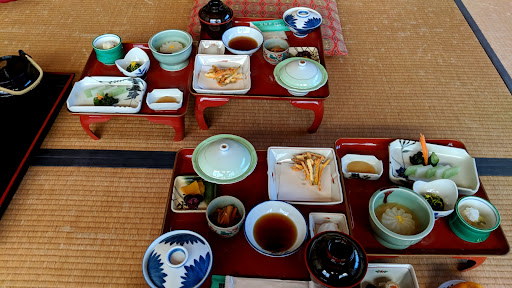
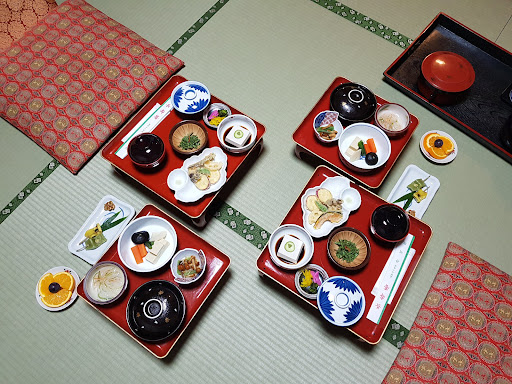
The hotel served breakfast and dinner in our room, not in one of the many large halls with other guests. The quality of the breakfast after praying was excellent. One evening, we ordered dinner for ¥3600. Beer or sake was available. Strange for a Buddhist temple, pardon, ryokan. We enjoyed the vegetarian shōjin-ryōri. If you do not opt for a temple dinner, Koyasan offers few dining options, which closes around 8pm.
Service was sufficient. There was not cleaning, only towels replaced. Employees were helpful and tried to speak some English.
Although temple lodging is more about lodging than temple, you should not miss this experience. We liked the food, the buildings and the morning prayer service. Convenient located, Jimyo-in is a good choice to see the Garan district and the Okun-in cemetery. Shop around for...
Read moreTouristic lodging rather than spiritual experience.
Let me explain the pros and cons of this Shukubo:
Jimyoin is conveniently located right in the middle of Koyasan in walking distance to all major sights of Koyasan including Danjo Garan on one side and Okunoin on the other side. The rooms are spacey in Japanese tatami style. The buildings are surrounded by Japanese gardens. Our plan included excellent delicious vegetarian dinner and breakfast in the room (shōjin-ryōri). The temple offers an indoor onsen open 4 – 9 p.m. You can participate to the monks daily service 7 a.m. which is the only available spiritual experience.
The stay was the most expensive during our 4 weeks in Japan and provided the lowest value for money. This means the price was excessive, but this holds for many other temples at Koya too. The room was extremely cold (in November we had freezing temperatures at night outside and not much beyond in the room), the HVAC did not warm even a little however was quite noisy. So we had to wear our down clothes even for sleeping. The service was friendly but 100% inflexible. We e.g. even could not enquire about the address of a luggage transportation service (ta-q-bin is very common in Japan) not to expect the temple service to order it for us. Or e.g. before the meals you have to order your drinks (juice, beer or nihonshu), no reorder. WiFi is available only in the temple main entrance in the cold open air. The room service is sufficient but not beyond and not like in a hotel or ryokan. The toilets and bath are shared, of course separate for ladies and gentlemen. The onsen bath is the only opportunity to shower. Except for the daily temple service there is not a little other spiritual experience and you see monks only acting as domestics. This is mainly a touristic undertaking to make a mint of money. Do not...
Read moreFor good and for bad this is “just” an inn, buddhistic mind you and somewhat run down.
The facilities have been probably renewed in the 1970’s, but are still usable - check the photos section; what you see is what you get. you sleep on the floor japanees style - no mercy, it’s a hard futon mat. traditional Japanese vegetarian meals (which are not bad, though not very easy for westerns to eat), are served in the room. Dinner at 5.45pm, breakfast at 7am - again, no mercy, no curtsy. curfew is at 9 pm (very early in my book), not quite sure what is the idea behind it, but there is nothing to do in town anyway. The morning ceremony is nice, I do think it is authentic even if done only for the benefit of the guests.
I didn’t stay in any other Buddhist inns in a Koyasan, but I imagine they are all pretty much the same. This is a town built around Kobo Daishiand the facilities are for pilgrims with profound Buddhistic believes. It is not designed for “regular” tourists.
So all in all, had an interesting visit to Koyasan, Jimyoin did what it was made to do - gave us food and a place to sleep while visiting the town.
I think it is a worthwhile experience if you are willing to put the daily comforts behind you...
Read more