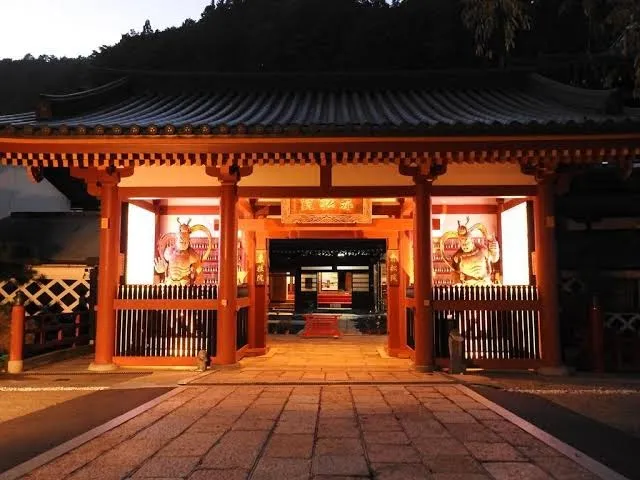
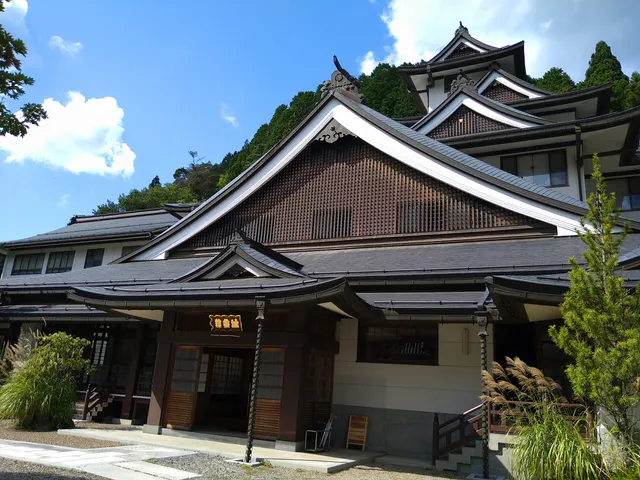
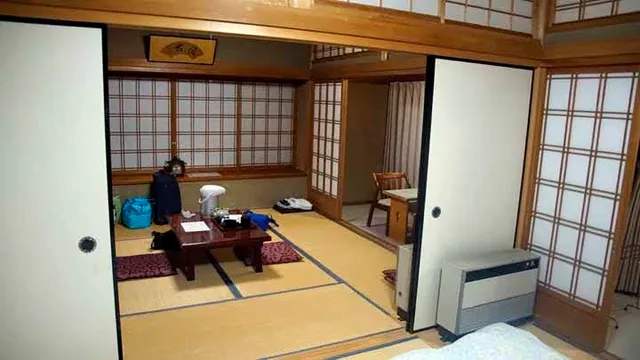
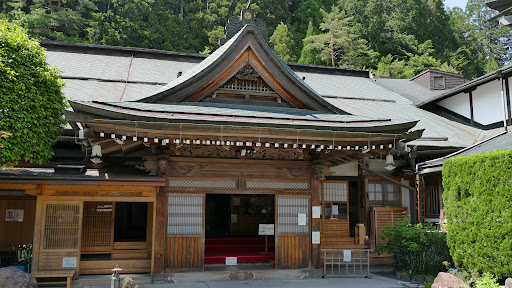
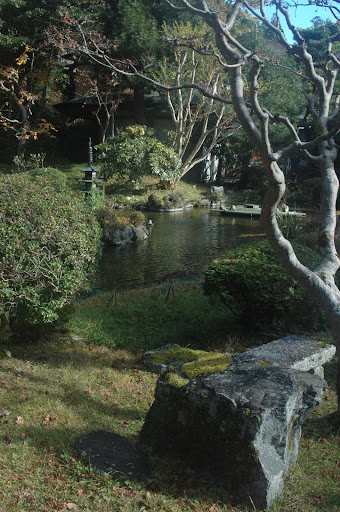
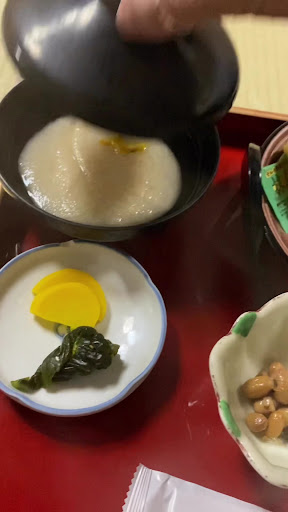
This was the first time that my wife and I had stayed in a real temple on Mount Koya, although we had visited the Koyasan monastic complex previously. Not at all surprisingly, it was a fabulous experience. The online booking process through the Koyasan Shukubo Association was so easy and seamless, and Ms. Hitomi Wada, Foreign Reservation Agent, was so expedient in her replies and very attentive to details. She comprehensively provided us with all of the necessary information - policies and cost for the entire reservation/temple stay, relevant contact information, etc. - all in easy to understand English. There were no surprises. Everything went as expected. The check-in process was also seamless, and the Head Priest warmly greeted us, followed by another Priest who took us to our room and provided us information on the room. The room (with nice tatami floors) was large, spacious, and comfortable, with an in-room safe (it wasn't needed; the doors to the room and to the beautiful garden outside all had secure locks), a heater if it got cold at night, a central table with teacups (and teabags) and a coffee pot to heat hot water, a flatscreen television (we never used it since we only used the room to sleep in and to refresh, being out and about the rest of the time), comfortable "monk robes" to wear on the premises, and thick, soft, comfortable, warm futons (similar to thick bed comforters) and bedding for traditional sleeping on the tatami mat floor that many inns (ryokans) across the Country practice. We had reserved a room with a private "en suite" bathroom that we entered via a connecting door. There was a conventional bathroom sink, western-style toilet-bidet (the toilet seat was apparently programed to be continuously warm, which was a great touch at night!), shower, and a nice hot tub for soaking. Everything was very clean and there were ample towels (hand, scrub, and bath) and soap/shampoo/conditioners for use. There was always warm water. There also was a lot of privacy with shoji-style doors and shoji-style window coverings on the inside of the room, with (lockable) glass sliding doors just outside of the shoji doors that allowed us to step out onto a veranda (with chairs) that oversaw a beautiful garden with fall colors outside (there were a few steps - about 2 or 3 - that one could take to walk down to the garden). The glass sliding doors also served to insulate the room on colder evenings/nights, but the heater worked just fine. All in all, the room was so comfortable and relaxing! A comment about the food: simply spectacular! My wife and I never dreamed that "shojin ryori-style" food could be so tasty and so filling. It was just so amazing how the temple could prepare so many different dishes for both dinner and breakfast -- the prep time alone (cutting all of the vegetables and garnishes) must have taken hours, not to mention cooking time and the time to prepare the serving trays...and to wash all of those dishes, while still having to attend to all of the tasks that temple monks/priests have to do each day, evening, and night! We never went away hungry - they would always walk around the room to ask each person if they wanted more hot rice or warm tea, too. There are also vending machines in the temple with drinks/food. Irrespective of the nice facility and the food, it was the spiritual experience that was the capstone for my wife and I. The daily early morning service led by the Head Priest, assisted by other Priests, was so spiritually fulfilling, and they encouraged all to participate in the chanting of the Heart Sutra (they provided the words in English, too, since my wife and I cannot read Japanese). One of the Priests also explained the meaning of the service. Additionally, Sekisho-in is extremely close to the entrance of the Okunoin, which is another plus - its location is great. My wife and I woke up each morning at 3:30 am to walk the 2 kilometers to the Kobo Daishi Gobyo, to offer prayers to the founder of Shingon Buddhism, returning in time for Sekisho-in's morning prayer service. Rounding out this review, I note that there is also a nice coffee shop right next door, that has great coffees, sandwiches, and pastries, with sit down areas, and there is a nearby shop that sells tasty mochi and other sweets (there is always a line there). Needless to say, when we checked-out (the temple will hold your bags for you) - which was also real easy - my wife and I felt rested and rejuvenated! We will definitely be back there again next year. BTW - as one who reads reviews, I was sincerely hoping to get to meet Mr. Kimura, but he was not there when we stayed at Sekisho-in in early November...
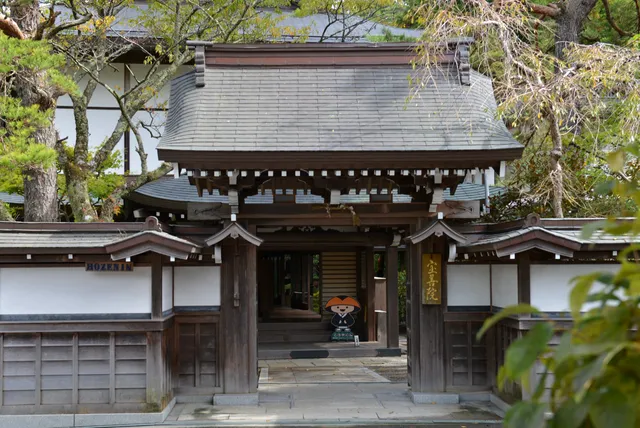
Read moreSekisho-in provided this solo traveler a marvelous shukubo temple-stay in a Shingon (“True Word” pure tantra) Buddhist ambience during my 46-hour sojourn (Nov 22-24, 2023) at Koyasan, the sacred mountain pilgrimage site. The venerable old abbot was one of three persons to meet me and sign me in when I arrived mid-morning even before official check-in (1-5 pm).
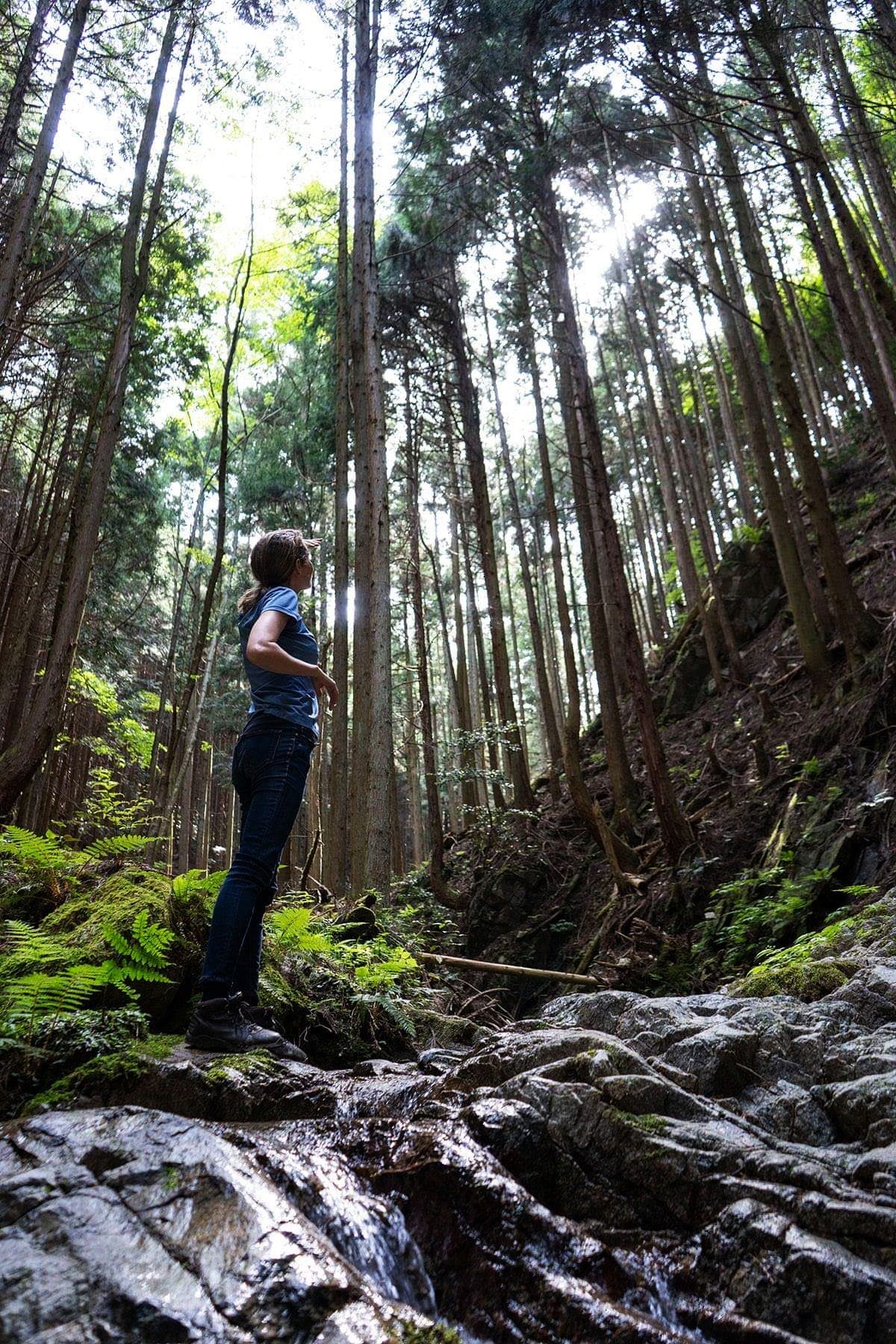
After storing luggage, I walked east 3 minutes (180m) to immediately begin the path into deeply contemplative, soulful Okunoin cemetery, filled with magnificent cedar trees and 200,000 tombstones & shrines (historic & modern), red-bibbed statues of heroic Jizo bosatsu and also Kannon bosatsu (bodhisattvas who mercifully console and save distressed souls). Finally one comes to the mausoleum of Japan’s greatest early holy man, Kukai “Kobo Daishi” (National Teacher Kobo, 774-835 CE), the saintly-sagely founder of Shingon Buddhism, an ascetic monk, cultural pollinator, influential pioneer of Japan’s own sacred Buddhist arts, leader of civic works, and, if lore is believed, inventor of Japan’s written syllable-system and world’s first primary school for children of all classes. (“Namu Daishi Henjō Kongō” is the mantra honoring Kobo Daishi and can be uttered in Shingon temples here and in Kyoto and elsewhere.)
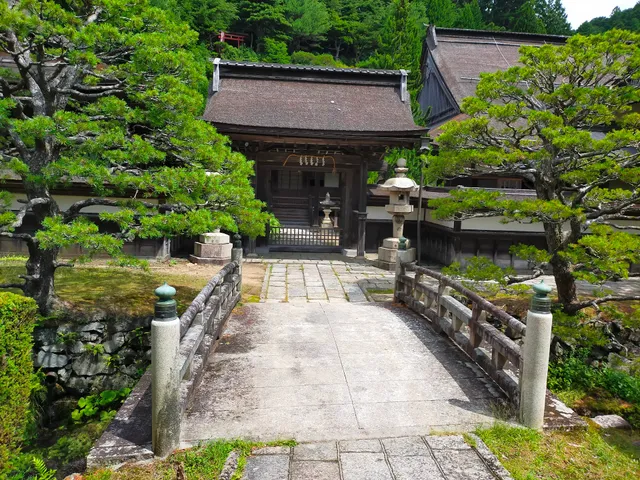
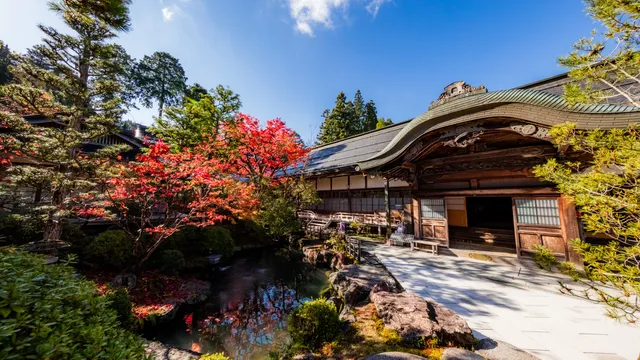
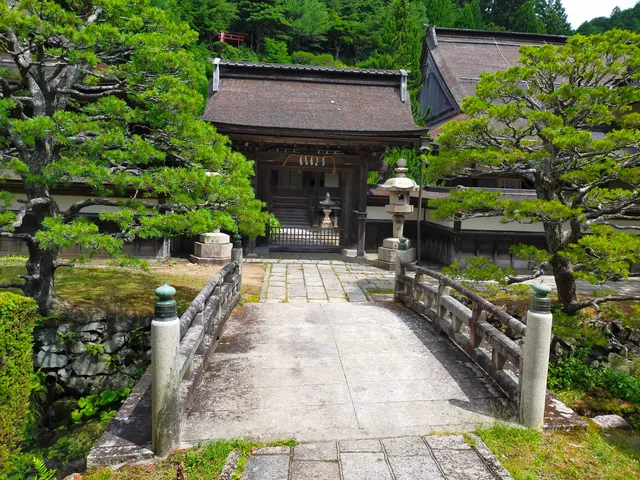
For being an 1,100-year-old temple, my room in Sekishoin’s new wing was remarkably comfy, with very spacious tatami-mat room, thick futon & quilt, TV, wi-fi, AC/heat system, private bath w shower-tub, separate space for bidet toilet, and, beyond the shoji-screen, a wood-floor area w chairs and a sliding-glass door exit down into the temple’s scenic garden featuring a carp-fish pond, small bridges and torii gate, numerous stones and greenery, and a pathway up into thick forest rising steeply north of the garden. Fall colors--superb! Sekishoin has male & female onsen baths (4-9 pm) and other amenities in common areas (shared microwave, fridge, tea/coffee).
You’re loaned a monastic “samue” blue pajama-type outfit to wear if you wish, along with silvery ceremonial vest that many of us wore during the half-hour morning otsutome ceremonies (beginning 6:45 a.m.) and meal-times (I saw 20 people the first morning, 40 people on day 2).
The vegan multi-item shojin-ryori breakfasts & dinners, served by monks and laity in two adjacent dining rooms (one for big groups), were absolutely delicious. I originally signed up for half-board (breakfast only) but opted to get the dinners, too. The staff apparently weren’t even going to charge me extra, but I gave 5,000 yen at checkout, the restaurant-rate for the amount and quality of food served.
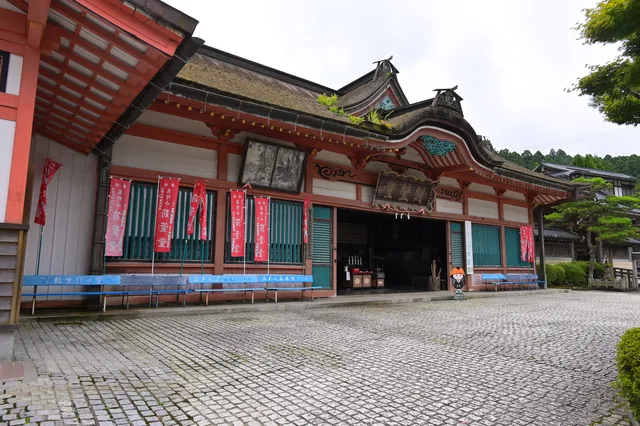
Sekishoin houses much attractive Buddhist art in its primary sanctum and flanking altars as well as in the hallways, dining rooms, and elsewhere. Horizontally wall-mounted along the hall leading past the sanctum toward the guestrooms is a fascinating illustrated scroll ~7 meters long, a whimsical Zen-like painting showing dozens of the Buddha’s rakan/arhat-disciples in various antics, such as one of them trying to steal the peach of immortality from Chinese Daoist folk-deity Shouxing-lao (god of longevity).
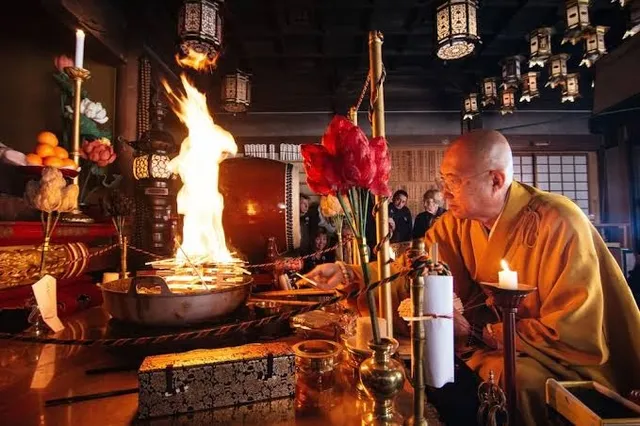
In the sanctum, where occurs the sonorous chanting of Shingon Buddhist scriptures and sounding of big gong and drum, you feel the palpable holiness as monks carry on their 1,200-year-old practices. Encouraged to release any selfish tendencies, you write your name on a flat stick and offer it into the ritual fire left of the main altar. The altar’s central symbol is the Sanskrit letter “A,” standing for the Divine Source Reality or Unborn Buddha Nature, and transcendence of all phenomena.
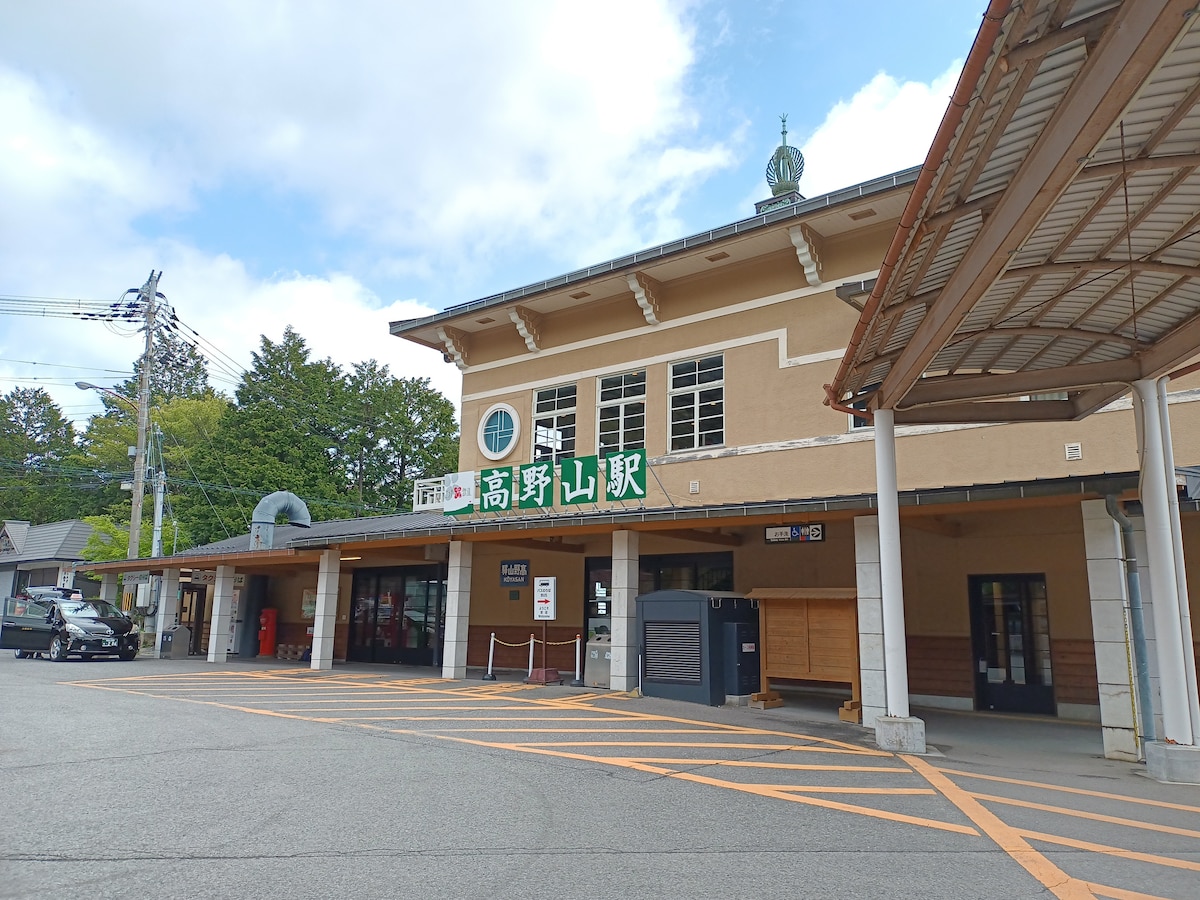
It’s an easy 11-minute walk or faster bus-ride (from Ichinohashi stop) west to Koyasan’s sacred Garan buildings set up by Kukai (towering orange-white Daito pagoda, Kondo golden Buddha hall, etc) and nearby Shingon head-temple Kongobuji, with interesting shops & cafes along the way and over 100 Shingon sub-temples in the vicinity—four dozen offering shukubo stays. I might visit them in future, but would happily return to...
Read moreBased on my experience I would assign this 3.5 bubbles if that were an option, and expect that room assignment for this temple lodging is a good predictor of the rating it receives. We were part of a tour group. all guests were to have private room with ensuite. As rooms were assigned many ended up with shared bathrooms or adjacent private bathroom. As the tour manager worked to sort this all out we all ended up looking at a lot of vacant rooms. Some rooms here are lovely, with window views onto the garden, or patio doors with chairs onto a small balcony. Others not so much - the first room we and some of fellow travellers were assigned was down a long corridor then outside and then back into another section - not sure it was an annex but it felt like one.. The rooms were "called tea-rooms" windowless, lacking an ensuite, some with shared bath, and a smell of mothballs (not saying was mothballs it did smell like one). Fortunately we were all re-assigned so that at minimum everyone had an ensuite - some did get very nice rooms - others still windowless, still a little pad-lock for the door, we didn't bother because our room was separated only by a sliding shoji screen - between us and the guest next door - this of course doesn't lock - happily our neighbours were as respectful of our privacy as we were of there's. so not an issue - but be aware. Sleeping arrangements are all Japanese style on tatami and futon with a comfy duvet. The ensuite bathrooms were modernized, good water-pressure (shower only) and a hairdryer - thankfully. The room amenities include wifi, a TV, kettle, an a safe - an older style combination lock (we never bothered with). Dinner and breakfast was vegan and actually quite good, seating on a tatami mat, with a little stool for guests available for any guest with difficulty sitting on the floor. There was also an opportunity for guests to observe monks at prayer early the next morning. The thing to remember is this is temple lodging not a hotel per se, and that Koyansan is a special place to visit - but do try and get confirmation of exactly what type of room you will...
Read more