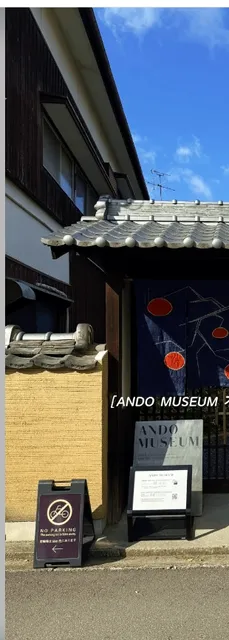
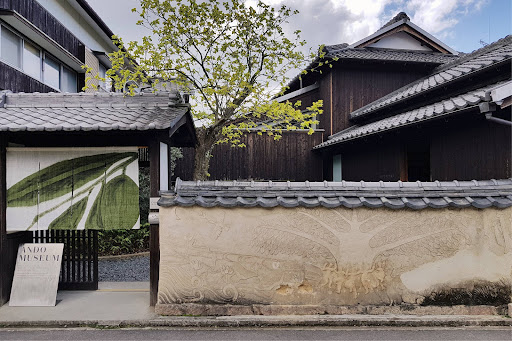
Ando Museum things to do, attractions, restaurants, events info and trip planning
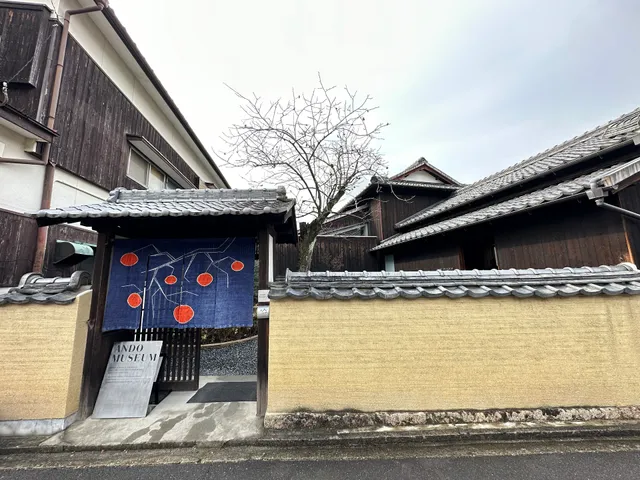
Basic Info
Ando Museum
Japan, 〒761-3110 Kagawa, Kagawa District, Naoshima, 本村736-2
4.0(451)
Open until 12:00 AM

tickets
Save
spot
spot
Ratings & Description
Info
Cultural
Accessibility
attractions: Art House Project: Kadoya, Art House Project: Go'o Shrine, Art House Project: Gokaisho, The Naoshima Plan 2019 "The Water", Art House Project: Haisha, Gokurakuji Temple, Art House Project: Kinza, Art House Project: Ishibashi, Naoshima Kagawa Lacquer Art Gallery, Naoshima Port (Honmura) Stone Lantern, restaurants: Ebisukamo, APRON CAFE, maimai(元祖 直島バーガー), Aisunao, Café Ippo, Cafe Salon Nakaoku, Kon'nichiwa, Luke's Pizza & Grill, naoshima gelato (直島ジェラート), Guu, local businesses: Ando Museum, Art House Project: Minamidera, Naoshima New Museum of Art, Art House Project: Haisha, Honmura Lounge & Archive, Go'o Shrine Honden: Main Shrine, Hachiman Shrine Haiden, Naoshima Port, Naoshima (Honmura) Port Terminal, MARU CHOCOLATE FACTORY
 Learn more insights from Wanderboat AI.
Phone
+81 87-892-3754
Website
benesse-artsite.jp
Open hoursSee all hours
Tue10 AM - 1 PM, 2 - 4:30 PMOpen
Plan your stay

Pet-friendly Hotels in Naoshima
Find a cozy hotel nearby and make it a full experience.

Affordable Hotels in Naoshima
Find a cozy hotel nearby and make it a full experience.

The Coolest Hotels You Haven't Heard Of (Yet)
Find a cozy hotel nearby and make it a full experience.

Trending Stays Worth the Hype in Naoshima
Find a cozy hotel nearby and make it a full experience.
Reviews
Live events
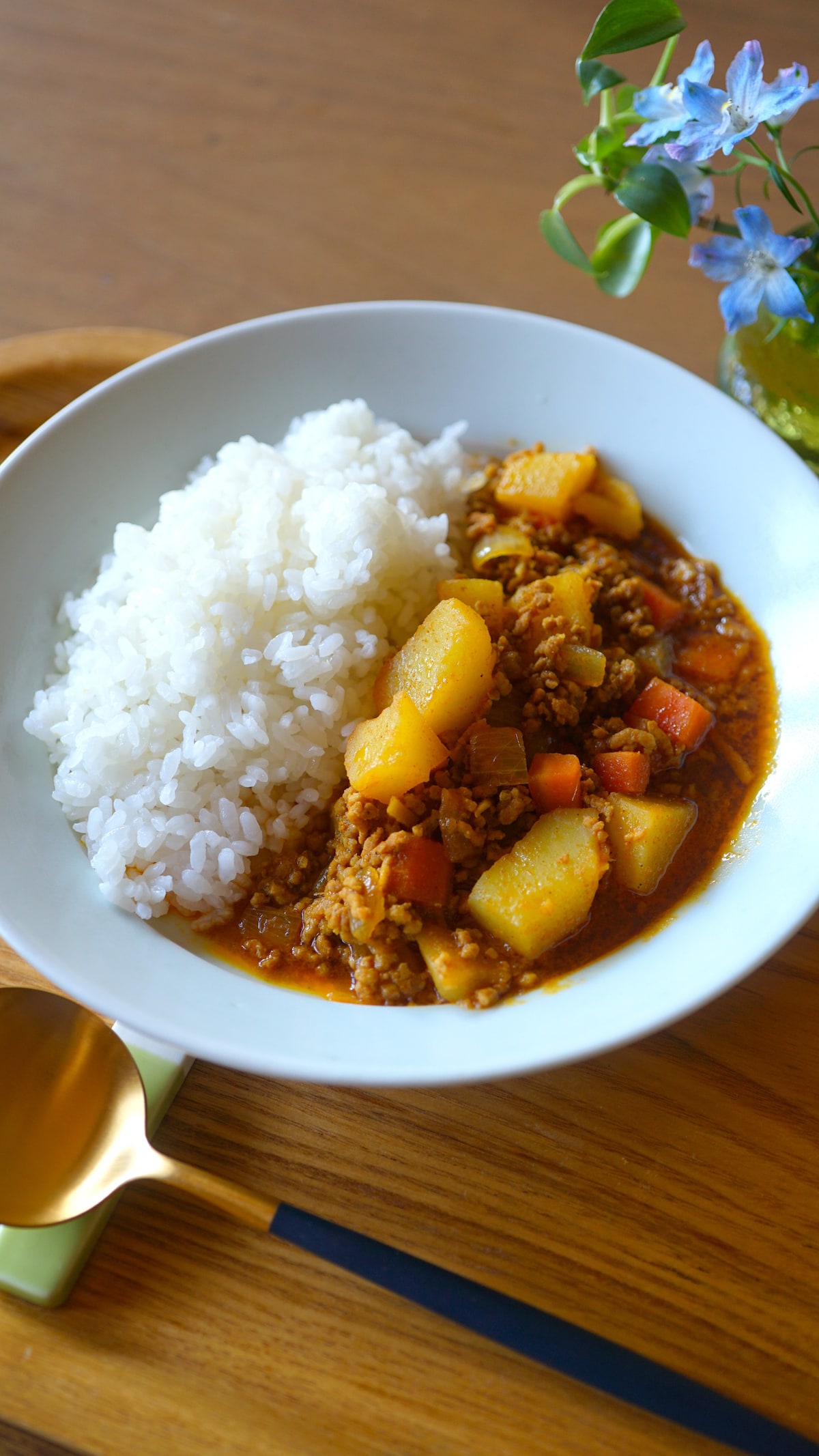
Make Japanese curry and fried chicken with simple ingredients
Tue, Feb 17 • 10:00 AM
760-0078, Kagawa, Takamatsu, Japan
View details
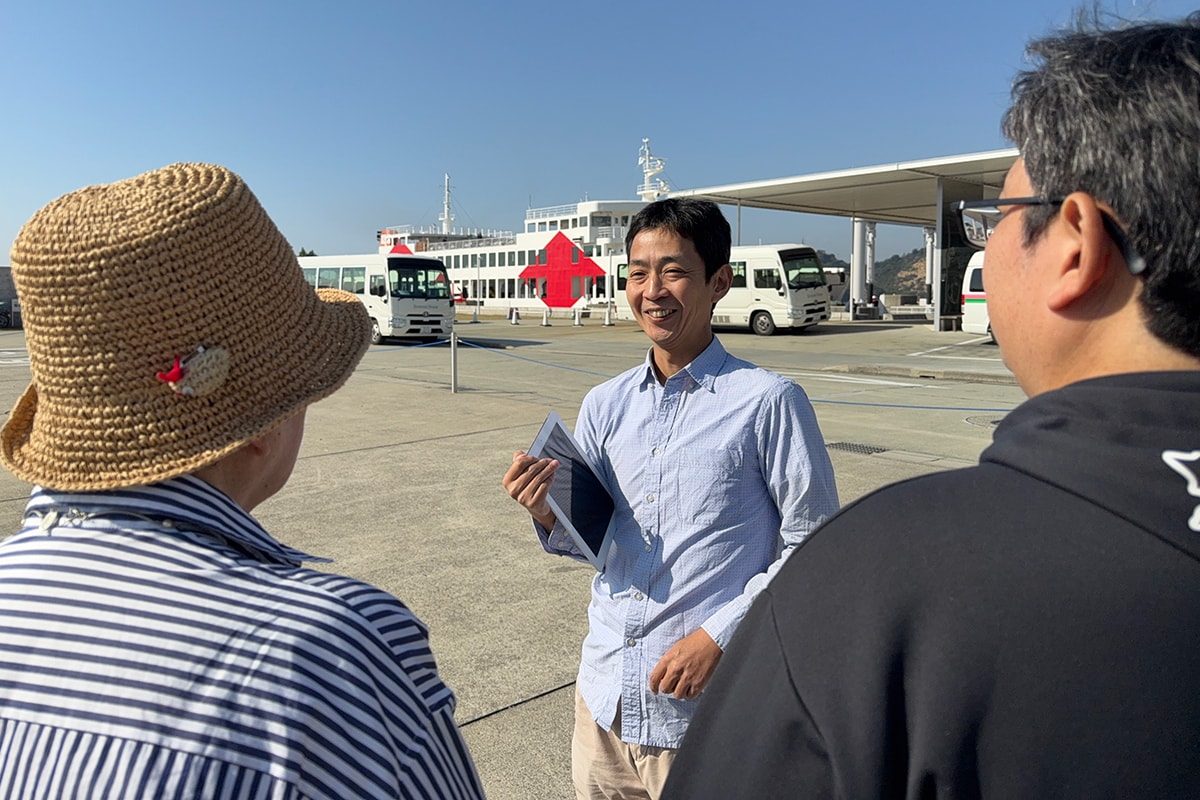
Naoshima and Secret Art Tour with a Former Benesse House Staff
Sat, Feb 21 • 9:00 AM
761-3110, Kagawa, Naoshima, Kagawa District, Japan
View details
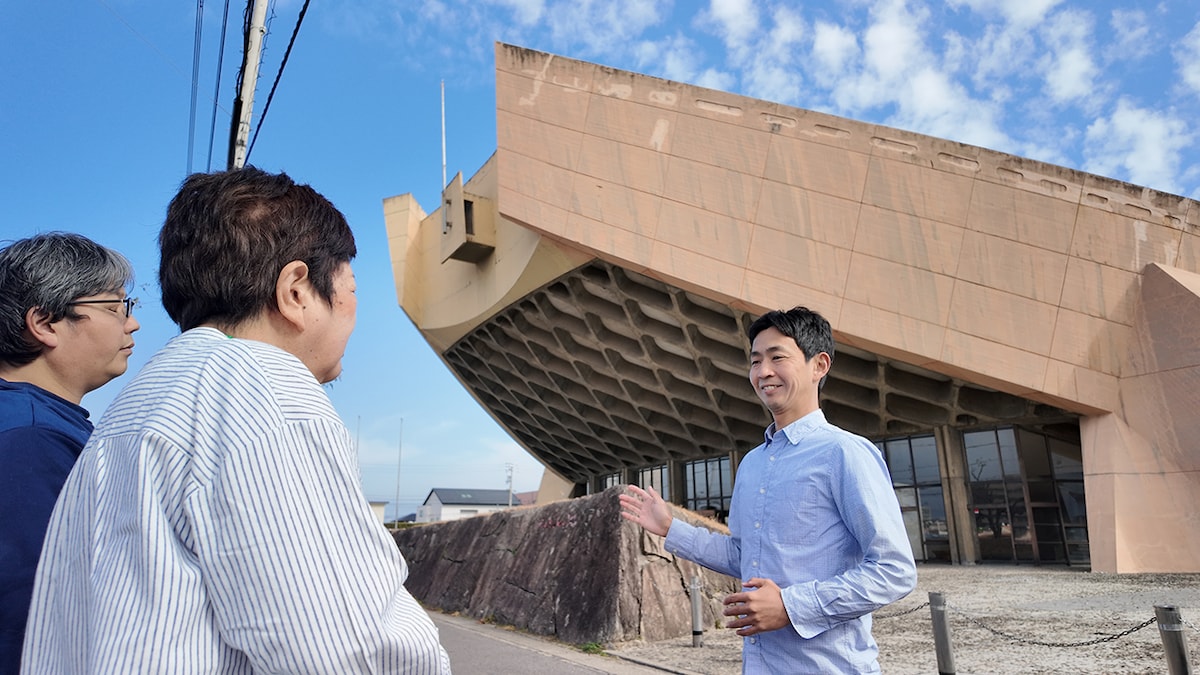
A tour of the works of the master Kensho Tange
Sat, Feb 21 • 1:00 PM
760-0018, Kagawa, Takamatsu, Japan
View details
Nearby attractions of Ando Museum
Art House Project: Kadoya
Art House Project: Go'o Shrine
Art House Project: Gokaisho
The Naoshima Plan 2019 "The Water"
Art House Project: Haisha
Gokurakuji Temple
Art House Project: Kinza
Art House Project: Ishibashi
Naoshima Kagawa Lacquer Art Gallery
Naoshima Port (Honmura) Stone Lantern
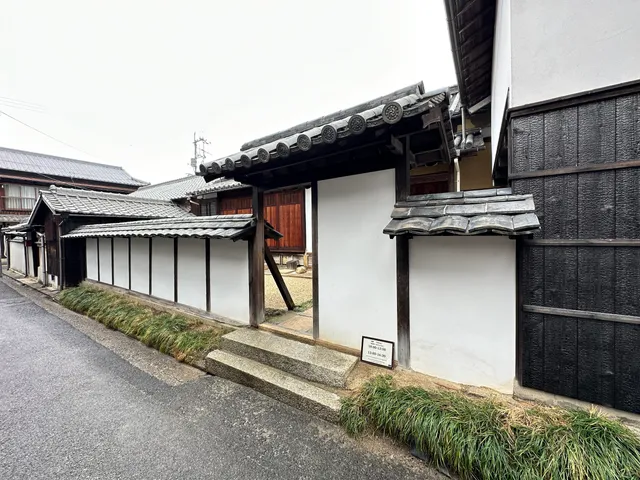
Art House Project: Kadoya
4.0
(150)
Open until 12:00 AM
Click for details
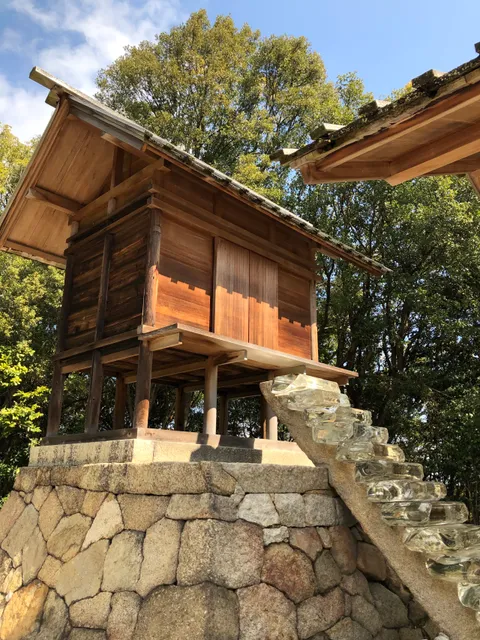
Art House Project: Go'o Shrine
4.4
(156)
Open until 12:00 AM
Click for details
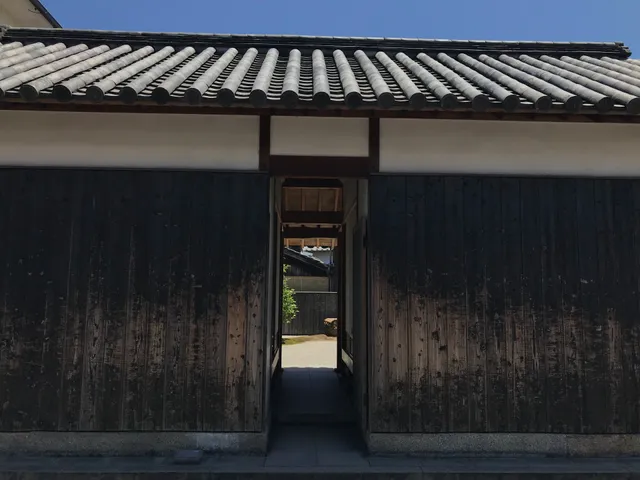
Art House Project: Gokaisho
3.5
(101)
Open until 12:00 AM
Click for details
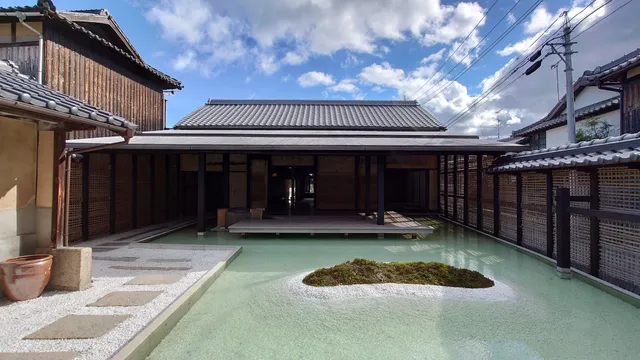
The Naoshima Plan 2019 "The Water"
4.7
(73)
Open 24 hours
Click for details
Nearby restaurants of Ando Museum
Ebisukamo
APRON CAFE
maimai(元祖 直島バーガー)
Aisunao
Café Ippo
Cafe Salon Nakaoku
Kon'nichiwa
Luke's Pizza & Grill
naoshima gelato (直島ジェラート)
Guu
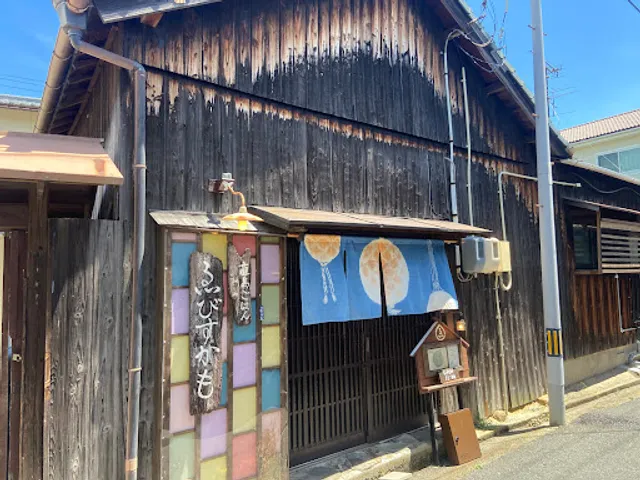
Ebisukamo
4.2
(123)
$$
Open until 12:00 AM
Click for details
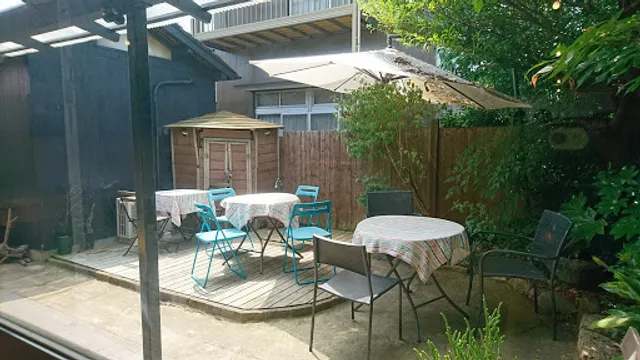
APRON CAFE
4.6
(108)
Open until 12:00 AM
Click for details
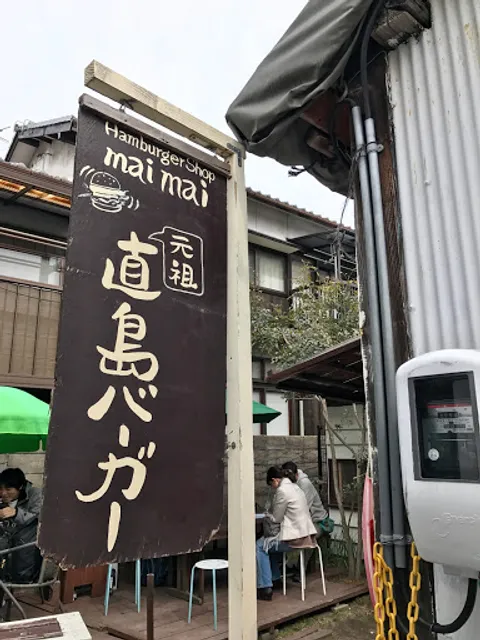
maimai(元祖 直島バーガー)
4.1
(121)
Open until 12:00 AM
Click for details
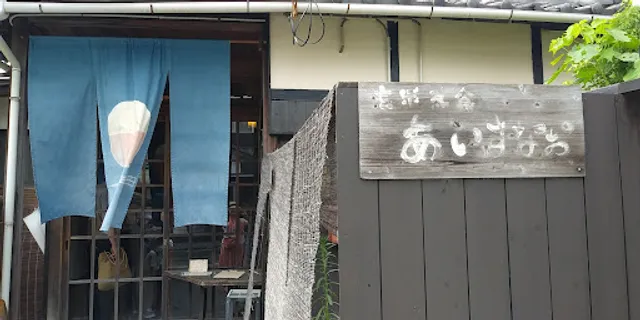
Aisunao
4.3
(214)
Open until 12:00 AM
Click for details
Nearby local services of Ando Museum
Ando Museum
Art House Project: Minamidera
Naoshima New Museum of Art
Art House Project: Haisha
Honmura Lounge & Archive
Go'o Shrine Honden: Main Shrine
Hachiman Shrine Haiden
Naoshima Port
Naoshima (Honmura) Port Terminal
MARU CHOCOLATE FACTORY
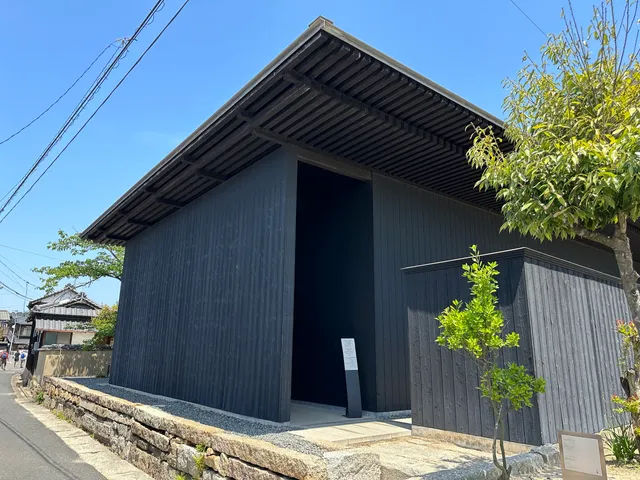
Ando Museum
4.0
(346)
Click for details
Art House Project: Minamidera
4.4
(372)
Click for details
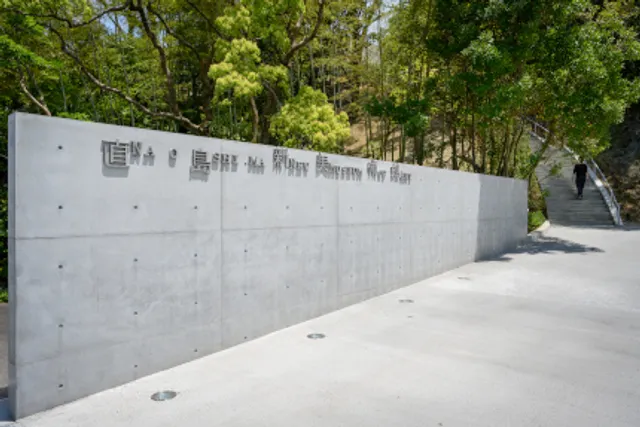
Naoshima New Museum of Art
4.5
(206)
Click for details
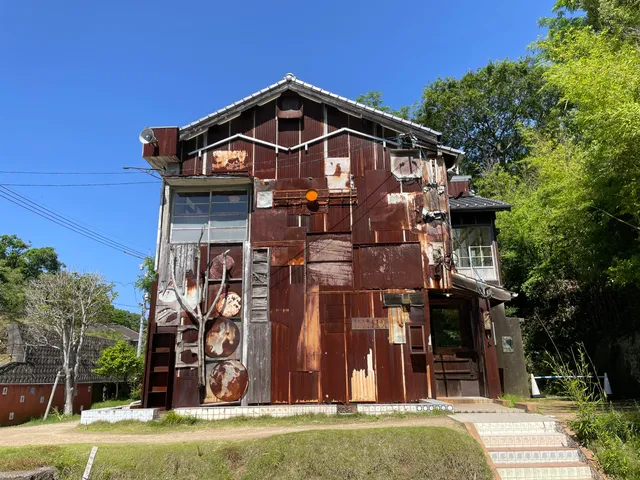
Art House Project: Haisha
4.1
(190)
Click for details