HTML SitemapExplore
logo
Find Things to DoFind The Best Restaurants

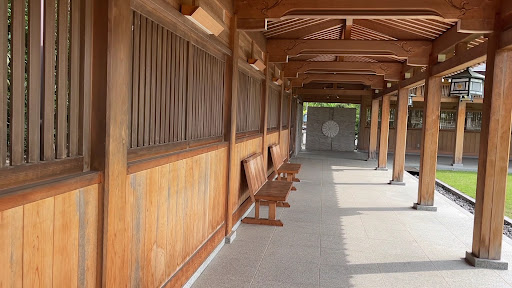
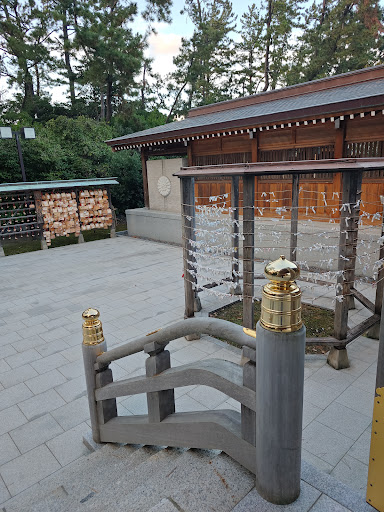
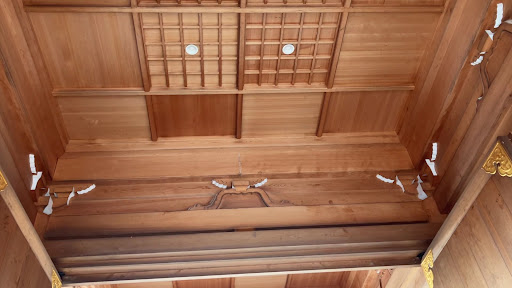
Niigata-ken Gokoku Shrine — Attraction in Niigata

Name
Niigata-ken Gokoku Shrine
Description
Nearby attractions
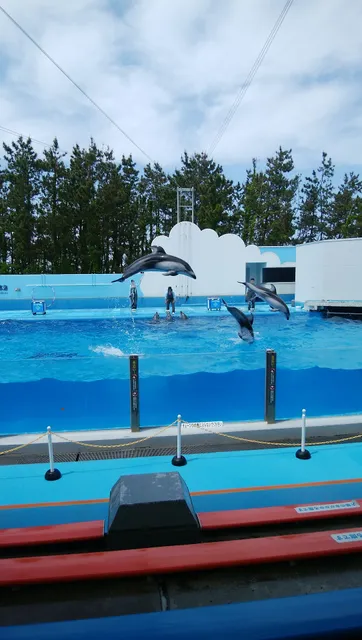
Niigata City Aquarium Marinepia Nihonkai (Sea of Japan)
5932-445 Nishifunamicho, Chuo Ward, Niigata, 951-8101, Japan
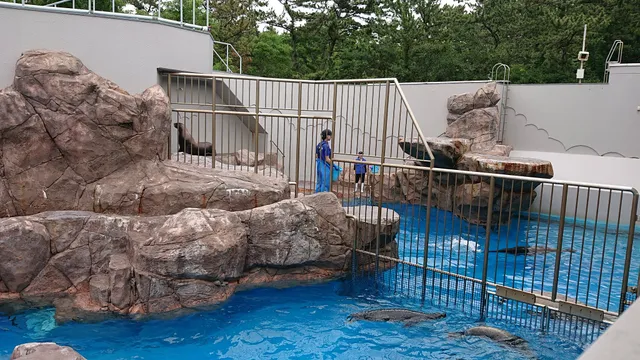
Marine Safari
5932-445 Nishifunamicho, Chuo Ward, Niigata, 951-8101, Japan
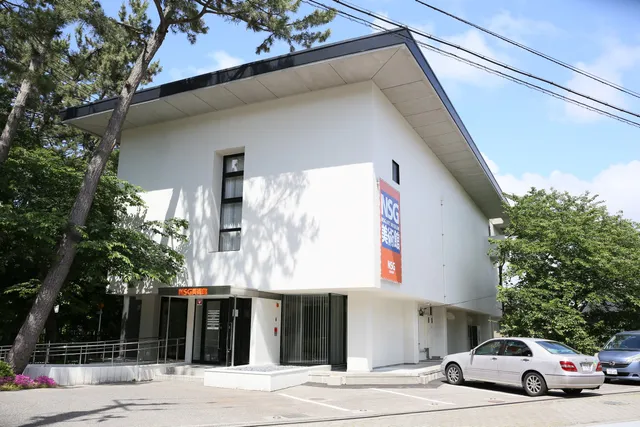
NSG Museum
5932番地561 Nishifunamicho, Chuo Ward, Niigata, 951-8101, Japan
砂丘館(旧日本銀行新潟支店長役宅)
5218-1 Nishiohatacho, Chuo Ward, Niigata, 951-8104, Japan
Niitsu Museum
1 Bancho-754 Asahimachidori, Chuo Ward, Niigata, 951-8122, Japan
Christ The King Cathedral
Japan, 〒951-8106 Niigata, Chuo Ward, Higashiohatadori, 1 Bancho 656番地
安吾風の館
5927-9 Nishiohatacho, Chuo Ward, Niigata, 951-8104, Japan
Donyama
1 Chome-5932-111 Futabacho, Chuo Ward, Niigata, 951-8101, Japan
Nearby restaurants
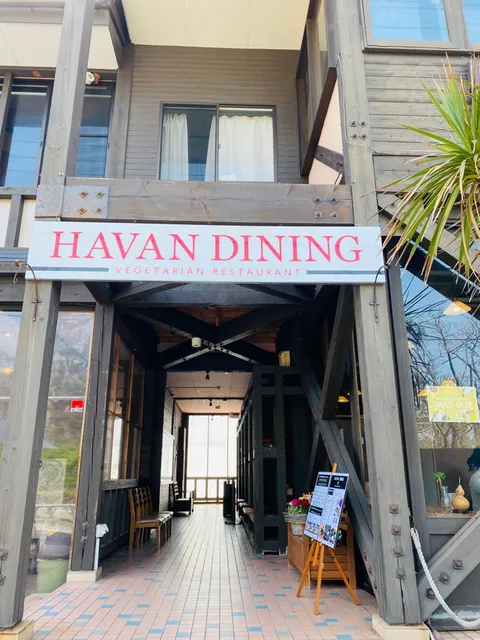
HAVAN DINING(ハヴァナダイニング)
Japan, 〒951-8121 Niigata, Chuo Ward, Suidocho, 1 Chome−5939-37 SEA WEST3
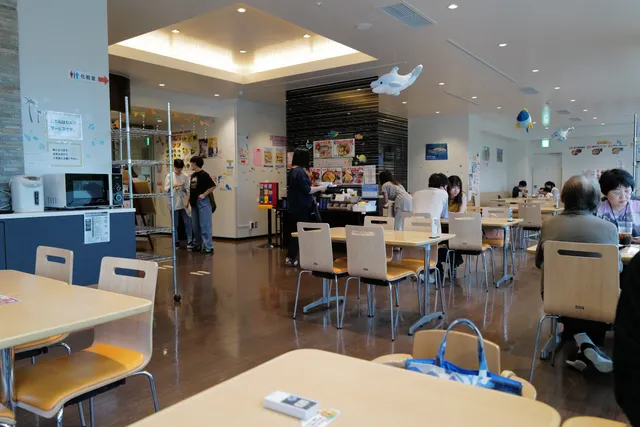
レストラン UMINONE
5932-445 Nishifunamicho, Chuo Ward, Niigata, 951-8101, Japan
マ・メゾン・ボンジュール
494-14 Gakkochodori, Chuo Ward, Niigata, 951-8126, Japan
Wakasaya
2 Bancho-568-4 Gakkochodori, Chuo Ward, Niigata, 951-8126, Japan
Bulldog
3 Bancho-472 Gakkochodori, Chuo Ward, Niigata, 951-8126, Japan
広来飯店 学校町店
Japan, 〒951-8126 Niigata, Chuo Ward, Gakkochodori, 2 Bancho−5294 RaisonD’etre
スズキ食堂車
Japan, 〒951-8126 Niigata, Chuo Ward, Gakkochodori, 2−5299-3
Osteria BACCO
Japan, 〒951-8104 Niigata, Chuo Ward, Nishiohatacho, 591-1 異人池ハウス
Kaifu-tei
Japan, 〒951-8114 Niigata, Chuo Ward, Eishodori, 2 Bancho−692-27 ビラ・プリンス
Burger Stand Tender
1 Bancho-86-12 Higashinakadori, Chuo Ward, Niigata, 951-8116, Japan
Nearby hotels
APA Hotel Niigata Higashinakadori
2 Bancho-289-2 Higashinakadori, Chuo Ward, Niigata, 951-8116, Japan
Related posts
Keywords
Niigata-ken Gokoku Shrine tourism.Niigata-ken Gokoku Shrine hotels.Niigata-ken Gokoku Shrine bed and breakfast. flights to Niigata-ken Gokoku Shrine.Niigata-ken Gokoku Shrine attractions.Niigata-ken Gokoku Shrine restaurants.Niigata-ken Gokoku Shrine travel.Niigata-ken Gokoku Shrine travel guide.Niigata-ken Gokoku Shrine travel blog.Niigata-ken Gokoku Shrine pictures.Niigata-ken Gokoku Shrine photos.Niigata-ken Gokoku Shrine travel tips.Niigata-ken Gokoku Shrine maps.Niigata-ken Gokoku Shrine things to do.
Niigata-ken Gokoku Shrine things to do, attractions, restaurants, events info and trip planning
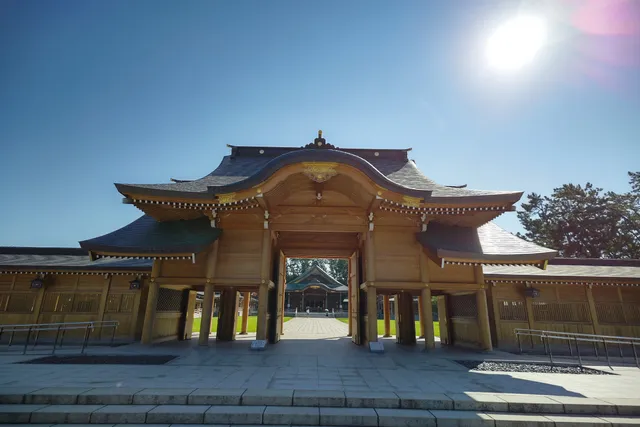
Niigata-ken Gokoku Shrine
JapanNiigata PrefectureNiigataNiigata-ken Gokoku Shrine

Basic Info

Niigata-ken Gokoku Shrine

5932-300 Nishifunamicho, Chuo Ward, Niigata, 951-8101, Japan
4.3(788)
Open until 5:00 PM
Save
spot

Ratings & Description

Info

Cultural
Scenic
Relaxation
Family friendly
Accessibility
attractions: Niigata City Aquarium Marinepia Nihonkai (Sea of Japan), Marine Safari, NSG Museum, 砂丘館(旧日本銀行新潟支店長役宅), Niitsu Museum, Christ The King Cathedral, 安吾風の館, Donyama, restaurants: HAVAN DINING(ハヴァナダイニング), レストラン UMINONE, マ・メゾン・ボンジュール, Wakasaya, Bulldog, 広来飯店 学校町店, スズキ食堂車, Osteria BACCO, Kaifu-tei, Burger Stand Tender
logoLearn more insights from Wanderboat AI.
Phone
+81 25-229-4345
Website
niigata-gokoku.or.jp
Open hoursSee all hours
Wed9:30 AM - 5 PMOpen

Plan your stay

hotel
Pet-friendly Hotels in Niigata
Find a cozy hotel nearby and make it a full experience.

hotel
Affordable Hotels in Niigata
Find a cozy hotel nearby and make it a full experience.

hotel
The Coolest Hotels You Haven't Heard Of (Yet)
Find a cozy hotel nearby and make it a full experience.

hotel
Trending Stays Worth the Hype in Niigata
Find a cozy hotel nearby and make it a full experience.

Reviews

Nearby attractions of Niigata-ken Gokoku Shrine

Niigata City Aquarium Marinepia Nihonkai (Sea of Japan)

Marine Safari

NSG Museum

砂丘館(旧日本銀行新潟支店長役宅)

Niitsu Museum

Christ The King Cathedral

安吾風の館

Donyama
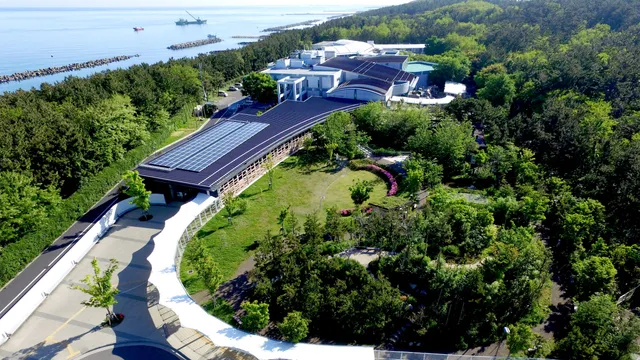
Niigata City Aquarium Marinepia Nihonkai (Sea of Japan)

Niigata City Aquarium Marinepia Nihonkai (Sea of Japan)

4.3

(2.8K)

Open until 5:00 PM
Click for details
Marine Safari

Marine Safari

4.5

(29)

Open until 5:00 PM
Click for details
NSG Museum

NSG Museum

3.7

(47)

Open 24 hours
Click for details
砂丘館(旧日本銀行新潟支店長役宅)

砂丘館(旧日本銀行新潟支店長役宅)

4.2

(109)

Open 24 hours
Click for details

Things to do nearby

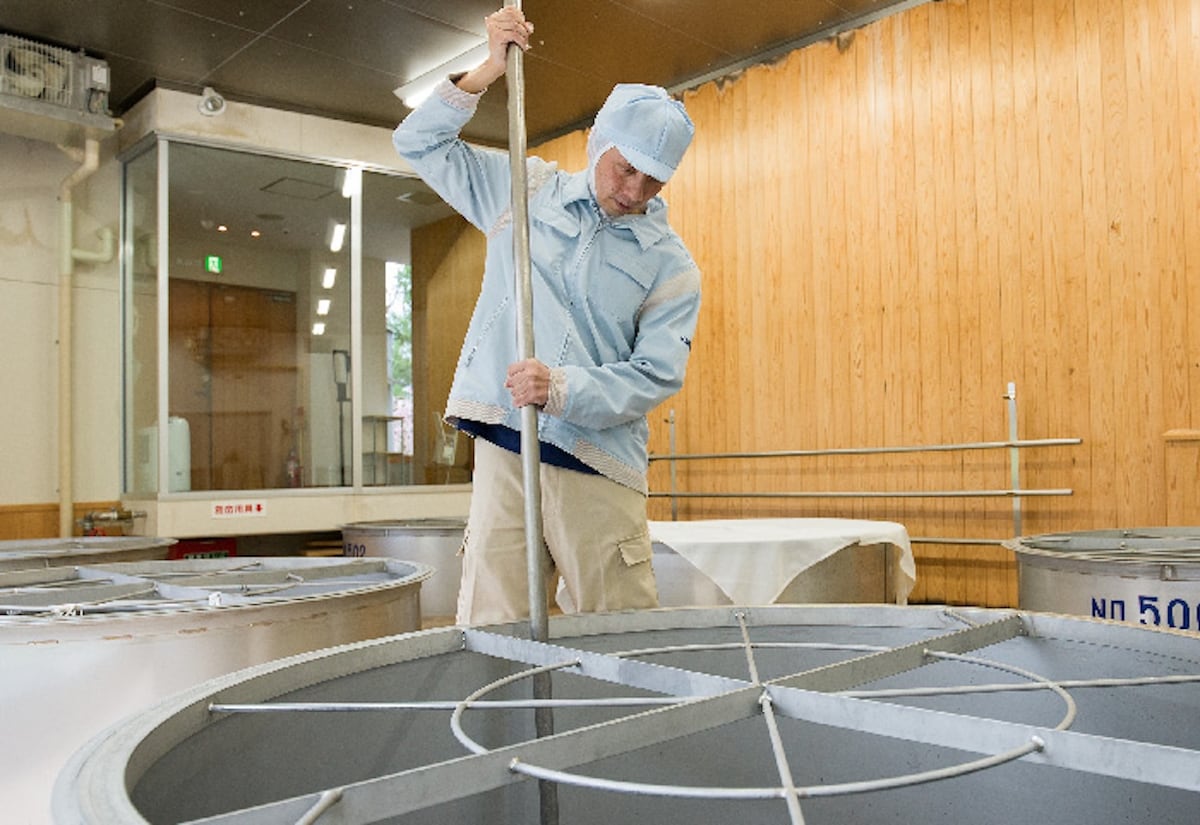
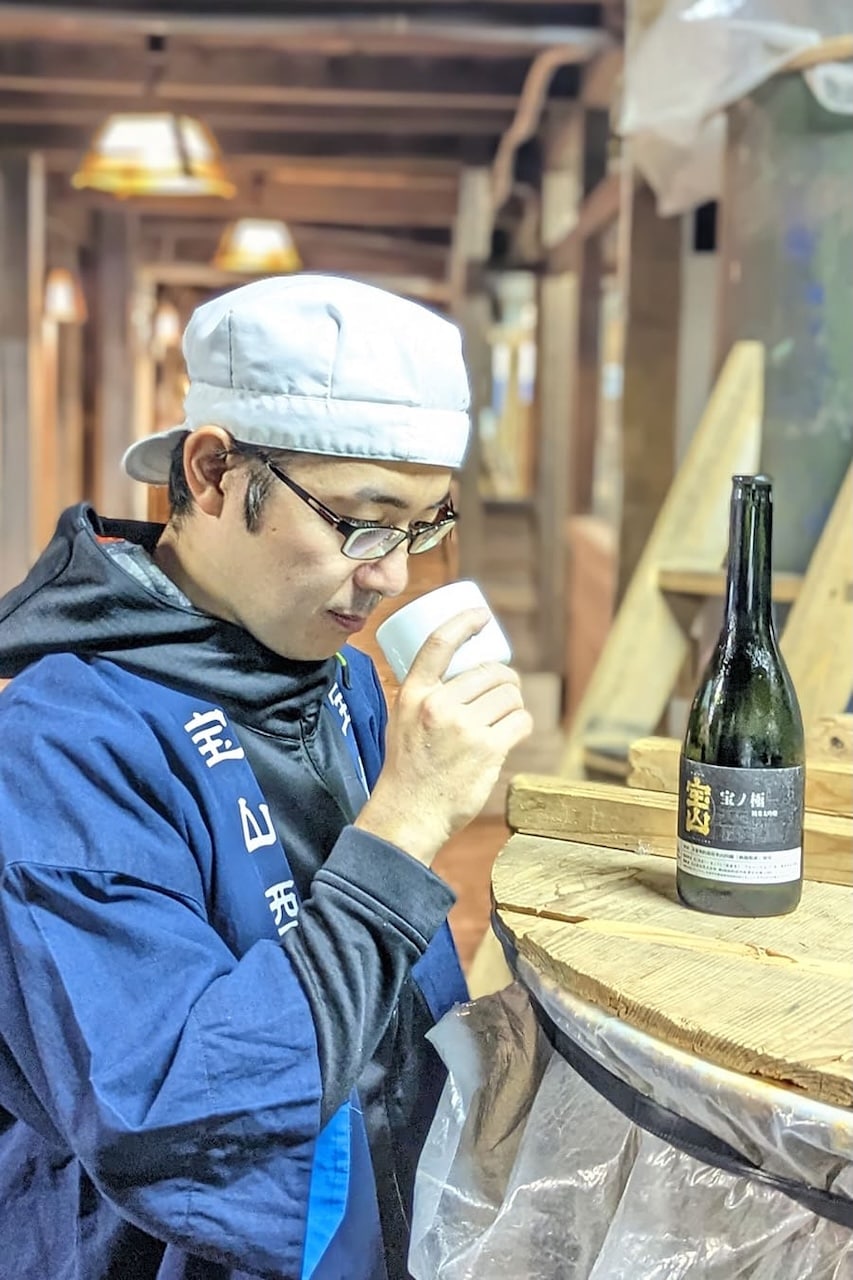
Experience at Takarayama Brewery
Sake tasting & brewery tour
Experience at Takarayama Brewery Sake tasting & brewery tour
Wed, Dec 10 • 2:00 PM
953-0141, Niigata, Niigata, Japan
View details

Nearby restaurants of Niigata-ken Gokoku Shrine

HAVAN DINING(ハヴァナダイニング)

レストラン UMINONE

マ・メゾン・ボンジュール

Wakasaya

Bulldog

広来飯店 学校町店

スズキ食堂車

Osteria BACCO

Kaifu-tei

Burger Stand Tender

HAVAN DINING(ハヴァナダイニング)

HAVAN DINING(ハヴァナダイニング)

4.0

(109)

$

Click for details
レストラン UMINONE

レストラン UMINONE

3.5

(49)

Click for details
マ・メゾン・ボンジュール

マ・メゾン・ボンジュール

4.6

(24)

$$

Click for details
Wakasaya

Wakasaya

4.3

(34)

$

Click for details
Get the Appoverlay
Get the AppOne tap to find yournext favorite spots!
Wanderboat LogoWanderboat

Your everyday Al companion for getaway ideas

CompanyAbout Us
InformationAI Trip PlannerSitemap
SocialXInstagramTiktokLinkedin
LegalTerms of ServicePrivacy Policy

Get the app

© 2025 Wanderboat. All rights reserved.
logo

Reviews of Niigata-ken Gokoku Shrine

4.3
(788)
avatar
4.0
29w

新潟市の中で白山神社と並ぶ大きい神社 改装され雨天でも屋根がある仕様になりました

以下、自分のために調べた記録を残しておきます 護国神社(ごこくじんじゃ)は、日本各地にある神社で、主に「国のために命を捧げた人々(戦没者)」を祀ることを目的としています。その「大きな意味」は、日本の近代史や社会意識と深く関わっています。以下に分かりやすく解説します。

護国神社の大きな意味

  1. 英霊(戦没者)を慰霊・顕彰する場

戦争で亡くなった軍人・軍属・民間人(特に戦災死者)を「英霊(えいれい)」として祀る。 その死を「国家のため」と位置づけ、感謝と敬意を表す。 特定の地域(県や都市)ごとに建てられた護国神社では、その地域出身の戦没者が祀られている。

  1. 国家と宗教の関係を象徴する存在

明治時代に国家神道の一環として形成され、天皇中心の国家体制を支える精神的な支柱とされた。 戦後、国家と神道の分離(政教分離)が進んだが、護国神社は「宗教法人」として残り、現在も慰霊の役割を担っている。

  1. 地域コミュニティの記憶の場

地元の戦没者の名前が石碑などに刻まれ、家族や地域の人が訪れる場所。 春秋の例大祭や慰霊祭などでは、地域全体での祈りの行事が行われる。 歴史教育や平和学習の場としても機能しているケースがある。

  1. 戦争の記憶と評価をめぐる議論の場

護国神社や靖国神社への参拝をめぐって、国内外で賛否が分かれることがある。 「戦争賛美か、慰霊か」「加害責任との向き合い方はどうか」など、戦争の記憶の継承の仕方をめぐって社会的な議論を呼びやすい場所でもある。

補足:靖国神社との違い

\靖国神社(東京)\は全国の戦没者(主に旧日本軍の軍人・軍属)を祀る中心的な神社。 護国神社は各地の「地方版靖国神社」ともいえる存在で、地元の戦没者を祀っている。

One of the major shrines in Niigata City, alongside Hakusan Shrine. It has been renovated to include a roofed area, making it suitable for visits even in rainy weather.

Below is a record of my research for personal reference:

Gokoku Shrine is a type of Shinto shrine found throughout Japan, established primarily to enshrine those who sacrificed their lives for the nation—particularly war dead. Its significance is deeply tied to Japan’s modern history and public consciousness. Here's an easy-to-understand explanation:

The Broader Significance of Gokoku Shrines

  1. A Place to Honor and Commemorate the War Dead

Enshrines soldiers, military personnel, and civilians (especially those who died in wartime air raids) as Eirei (heroic spirits). Their deaths are viewed as sacrifices for the nation, and the shrines serve to express gratitude and respect. Each shrine typically honors war dead from the local prefecture or city.

  1. A Symbol of the Relationship Between State and Religion

Established during the Meiji period as part of State Shinto, reinforcing the emperor-centered national structure. After WWII, Japan introduced the separation of religion and state, but Gokoku Shrines remained as religious corporations and continue to serve as memorial sites.

  1. A Site of Collective Memory for Local Communities

The names of the local war dead are often inscribed on stone monuments, and families and residents visit to pay respects. Seasonal festivals and memorial ceremonies involve the entire community in acts of remembrance. Some shrines are also used as venues for historical education and peace-related learning.

  1. A Space for Debate on the Legacy of War

Visits to Gokoku Shrines or Yasukuni Shrine can spark controversy both domestically and internationally. These shrines often raise questions such as: “Is this honoring the dead or glorifying war?” and “How should we confront responsibility for past aggression?” They thus become focal points in discussions about how societies remember war.

Additional Note: Difference from Yasukuni Shrine

Yasukuni Shrine (Tokyo) enshrines war dead from all over Japan, particularly former Imperial Army and Navy personnel. Gokoku Shrines are sometimes referred to as “local versions of Yasukuni,” each enshrining war dead from a...

   Read more
avatar
4.0
2y

Apparently it's a place for marriage ceremonies and engagement photography etc. I wasn't too sure if it counts as a shrine. But nonetheless there's still some interesting structures to look and marvel at. You can occasionally see couples taking their wedding photos(?) So it's sort of peering into different...

   Read more
avatar
4.0
5y

It was a very quiet and serene place. A shrine that is both beautiful and the best place for prayer. The only problem is the difficulty in locating the area and it is not very accessible. But I recommend that when you visit Niigata you should visit...

   Read more
Page 1 of 7
Previous
Next

Posts

peopeo
新潟市の中で白山神社と並ぶ大きい神社 改装され雨天でも屋根がある仕様になりました 以下、自分のために調べた記録を残しておきます 護国神社(ごこくじんじゃ)は、日本各地にある神社で、主に「国のために命を捧げた人々(戦没者)」を祀ることを目的としています。その「大きな意味」は、日本の近代史や社会意識と深く関わっています。以下に分かりやすく解説します。 --- ### 護国神社の大きな意味 #### 1. **英霊(戦没者)を慰霊・顕彰する場** * 戦争で亡くなった軍人・軍属・民間人(特に戦災死者)を「英霊(えいれい)」として祀る。 * その死を「国家のため」と位置づけ、感謝と敬意を表す。 * 特定の地域(県や都市)ごとに建てられた護国神社では、その地域出身の戦没者が祀られている。 #### 2. **国家と宗教の関係を象徴する存在** * 明治時代に国家神道の一環として形成され、天皇中心の国家体制を支える精神的な支柱とされた。 * 戦後、国家と神道の分離(政教分離)が進んだが、護国神社は「宗教法人」として残り、現在も慰霊の役割を担っている。 #### 3. **地域コミュニティの記憶の場** * 地元の戦没者の名前が石碑などに刻まれ、家族や地域の人が訪れる場所。 * 春秋の例大祭や慰霊祭などでは、地域全体での祈りの行事が行われる。 * 歴史教育や平和学習の場としても機能しているケースがある。 #### 4. **戦争の記憶と評価をめぐる議論の場** * 護国神社や靖国神社への参拝をめぐって、国内外で賛否が分かれることがある。 * 「戦争賛美か、慰霊か」「加害責任との向き合い方はどうか」など、戦争の記憶の継承の仕方をめぐって社会的な議論を呼びやすい場所でもある。 --- ### 補足:靖国神社との違い * \*\*靖国神社(東京)\*\*は全国の戦没者(主に旧日本軍の軍人・軍属)を祀る中心的な神社。 * **護国神社**は各地の「地方版靖国神社」ともいえる存在で、地元の戦没者を祀っている。 One of the major shrines in Niigata City, alongside Hakusan Shrine. It has been renovated to include a roofed area, making it suitable for visits even in rainy weather. Below is a record of my research for personal reference: **Gokoku Shrine** is a type of Shinto shrine found throughout Japan, established primarily to enshrine those who sacrificed their lives for the nation—particularly war dead. Its significance is deeply tied to Japan’s modern history and public consciousness. Here's an easy-to-understand explanation: --- ### The Broader Significance of Gokoku Shrines #### 1. **A Place to Honor and Commemorate the War Dead** * Enshrines soldiers, military personnel, and civilians (especially those who died in wartime air raids) as *Eirei* (heroic spirits). * Their deaths are viewed as sacrifices for the nation, and the shrines serve to express gratitude and respect. * Each shrine typically honors war dead from the local prefecture or city. #### 2. **A Symbol of the Relationship Between State and Religion** * Established during the Meiji period as part of State Shinto, reinforcing the emperor-centered national structure. * After WWII, Japan introduced the separation of religion and state, but Gokoku Shrines remained as religious corporations and continue to serve as memorial sites. #### 3. **A Site of Collective Memory for Local Communities** * The names of the local war dead are often inscribed on stone monuments, and families and residents visit to pay respects. * Seasonal festivals and memorial ceremonies involve the entire community in acts of remembrance. * Some shrines are also used as venues for historical education and peace-related learning. #### 4. **A Space for Debate on the Legacy of War** * Visits to Gokoku Shrines or Yasukuni Shrine can spark controversy both domestically and internationally. * These shrines often raise questions such as: “Is this honoring the dead or glorifying war?” and “How should we confront responsibility for past aggression?” * They thus become focal points in discussions about how societies remember war. --- ### Additional Note: Difference from Yasukuni Shrine * **Yasukuni Shrine (Tokyo)** enshrines war dead from all over Japan, particularly former Imperial Army and Navy personnel. * **Gokoku Shrines** are sometimes referred to as “local versions of Yasukuni,” each enshrining war dead from a specific region.
Tsunderin !Tsunderin !
Apparently it's a place for marriage ceremonies and engagement photography etc. I wasn't too sure if it counts as a shrine. But nonetheless there's still some interesting structures to look and marvel at. You can occasionally see couples taking their wedding photos(?) So it's sort of peering into different cultures practise.
Michael KearneyMichael Kearney
Very beautiful place found it by mistake walking around. It was very nice and friendly people in the grounds it started raining and they ordered us a taxi after a bit of google translation hahah.
See more posts
See more posts
hotel
Find your stay

Pet-friendly Hotels in Niigata

Find a cozy hotel nearby and make it a full experience.

新潟市の中で白山神社と並ぶ大きい神社 改装され雨天でも屋根がある仕様になりました 以下、自分のために調べた記録を残しておきます 護国神社(ごこくじんじゃ)は、日本各地にある神社で、主に「国のために命を捧げた人々(戦没者)」を祀ることを目的としています。その「大きな意味」は、日本の近代史や社会意識と深く関わっています。以下に分かりやすく解説します。 --- ### 護国神社の大きな意味 #### 1. **英霊(戦没者)を慰霊・顕彰する場** * 戦争で亡くなった軍人・軍属・民間人(特に戦災死者)を「英霊(えいれい)」として祀る。 * その死を「国家のため」と位置づけ、感謝と敬意を表す。 * 特定の地域(県や都市)ごとに建てられた護国神社では、その地域出身の戦没者が祀られている。 #### 2. **国家と宗教の関係を象徴する存在** * 明治時代に国家神道の一環として形成され、天皇中心の国家体制を支える精神的な支柱とされた。 * 戦後、国家と神道の分離(政教分離)が進んだが、護国神社は「宗教法人」として残り、現在も慰霊の役割を担っている。 #### 3. **地域コミュニティの記憶の場** * 地元の戦没者の名前が石碑などに刻まれ、家族や地域の人が訪れる場所。 * 春秋の例大祭や慰霊祭などでは、地域全体での祈りの行事が行われる。 * 歴史教育や平和学習の場としても機能しているケースがある。 #### 4. **戦争の記憶と評価をめぐる議論の場** * 護国神社や靖国神社への参拝をめぐって、国内外で賛否が分かれることがある。 * 「戦争賛美か、慰霊か」「加害責任との向き合い方はどうか」など、戦争の記憶の継承の仕方をめぐって社会的な議論を呼びやすい場所でもある。 --- ### 補足:靖国神社との違い * \*\*靖国神社(東京)\*\*は全国の戦没者(主に旧日本軍の軍人・軍属)を祀る中心的な神社。 * **護国神社**は各地の「地方版靖国神社」ともいえる存在で、地元の戦没者を祀っている。 One of the major shrines in Niigata City, alongside Hakusan Shrine. It has been renovated to include a roofed area, making it suitable for visits even in rainy weather. Below is a record of my research for personal reference: **Gokoku Shrine** is a type of Shinto shrine found throughout Japan, established primarily to enshrine those who sacrificed their lives for the nation—particularly war dead. Its significance is deeply tied to Japan’s modern history and public consciousness. Here's an easy-to-understand explanation: --- ### The Broader Significance of Gokoku Shrines #### 1. **A Place to Honor and Commemorate the War Dead** * Enshrines soldiers, military personnel, and civilians (especially those who died in wartime air raids) as *Eirei* (heroic spirits). * Their deaths are viewed as sacrifices for the nation, and the shrines serve to express gratitude and respect. * Each shrine typically honors war dead from the local prefecture or city. #### 2. **A Symbol of the Relationship Between State and Religion** * Established during the Meiji period as part of State Shinto, reinforcing the emperor-centered national structure. * After WWII, Japan introduced the separation of religion and state, but Gokoku Shrines remained as religious corporations and continue to serve as memorial sites. #### 3. **A Site of Collective Memory for Local Communities** * The names of the local war dead are often inscribed on stone monuments, and families and residents visit to pay respects. * Seasonal festivals and memorial ceremonies involve the entire community in acts of remembrance. * Some shrines are also used as venues for historical education and peace-related learning. #### 4. **A Space for Debate on the Legacy of War** * Visits to Gokoku Shrines or Yasukuni Shrine can spark controversy both domestically and internationally. * These shrines often raise questions such as: “Is this honoring the dead or glorifying war?” and “How should we confront responsibility for past aggression?” * They thus become focal points in discussions about how societies remember war. --- ### Additional Note: Difference from Yasukuni Shrine * **Yasukuni Shrine (Tokyo)** enshrines war dead from all over Japan, particularly former Imperial Army and Navy personnel. * **Gokoku Shrines** are sometimes referred to as “local versions of Yasukuni,” each enshrining war dead from a specific region.
peo

peo

hotel
Find your stay

Affordable Hotels in Niigata

Find a cozy hotel nearby and make it a full experience.

Get the Appoverlay
Get the AppOne tap to find yournext favorite spots!
Apparently it's a place for marriage ceremonies and engagement photography etc. I wasn't too sure if it counts as a shrine. But nonetheless there's still some interesting structures to look and marvel at. You can occasionally see couples taking their wedding photos(?) So it's sort of peering into different cultures practise.
Tsunderin !

Tsunderin !

hotel
Find your stay

The Coolest Hotels You Haven't Heard Of (Yet)

Find a cozy hotel nearby and make it a full experience.

hotel
Find your stay

Trending Stays Worth the Hype in Niigata

Find a cozy hotel nearby and make it a full experience.

Very beautiful place found it by mistake walking around. It was very nice and friendly people in the grounds it started raining and they ordered us a taxi after a bit of google translation hahah.
Michael Kearney

Michael Kearney

See more posts
See more posts