Kanaya Hotel History Museum things to do, attractions, restaurants, events info and trip planning
Basic Info
Kanaya Hotel History Museum
Japan, 〒321-1434 Tochigi, Nikko, Honcho, 1−25 資料館棟
4.4(177)
Closed

tickets
Save
spot
spot
Ratings & Description
Info
Cultural
Family friendly
Accessibility
attractions: Nikko Tamozawa Imperial Villa Memorial Park, Jōkō-ji, Nikkō Tōshōgū, Nikko Futarasan-jinja Haiden, Rin’nōji Taiyū-in (Mausoleum of Iemitsu), Yashamon Gate, Kanmangafuchi Abyss, Gojū-no-tō (five-storied pagoda), Yōmeimon Gate, Yoi'en-saka Inclined Slope, restaurants: 金谷ホテルベーカリー カテッジイン・レストラン&ベーカリー, Pizza Linne, いちごの里カフェ 日光店, Nikko Castella Honpo Bandai Nikko Store, Nikko Coffee, Indian Restaurant Taj Nikko インド料理タージ日光, Goyoutei Saryou, Nikko Maruhide Shokudo, Nikko Suien, Cafe Restaurant BELL, local businesses: Nikko Toshogu, Nikko Futarasan jinja, Taiyu-in Temple Hall, Nitenmon Gate, Rinōji Taiyūin Nitenmon, Rin’nōji Jōgyō-dō Hall, Nikkozan Rinnoji Temple, Niōmon Gate, Nikkofutarasanjinja Honsha Parking Lot, Rin-no-ji Treasure House
 Learn more insights from Wanderboat AI.
Phone
+81 288-50-1873
Website
nikko-kanaya-history.jp
Open hoursSee all hours
Mon10 AM - 4 PMClosed
Plan your stay

Pet-friendly Hotels in Nikko
Find a cozy hotel nearby and make it a full experience.

Affordable Hotels in Nikko
Find a cozy hotel nearby and make it a full experience.

The Coolest Hotels You Haven't Heard Of (Yet)
Find a cozy hotel nearby and make it a full experience.

Trending Stays Worth the Hype in Nikko
Find a cozy hotel nearby and make it a full experience.
Reviews
Nearby attractions of Kanaya Hotel History Museum
Nikko Tamozawa Imperial Villa Memorial Park
Jōkō-ji
Nikkō Tōshōgū
Nikko Futarasan-jinja Haiden
Rin’nōji Taiyū-in (Mausoleum of Iemitsu)
Yashamon Gate
Kanmangafuchi Abyss
Gojū-no-tō (five-storied pagoda)
Yōmeimon Gate
Yoi'en-saka Inclined Slope
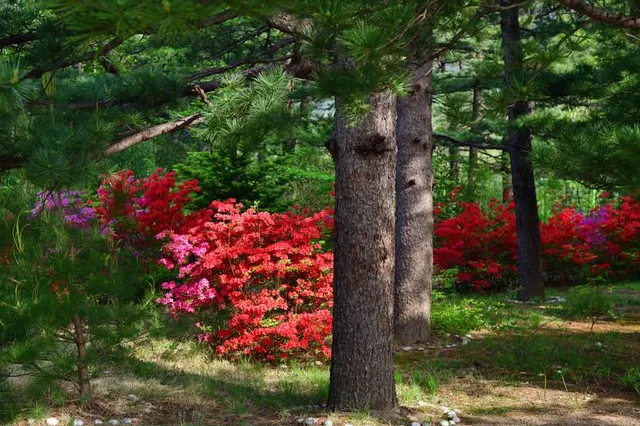
Nikko Tamozawa Imperial Villa Memorial Park
4.4
(32)
Closed
Click for details

Jōkō-ji
4.1
(44)
Open until 12:00 AM
Click for details
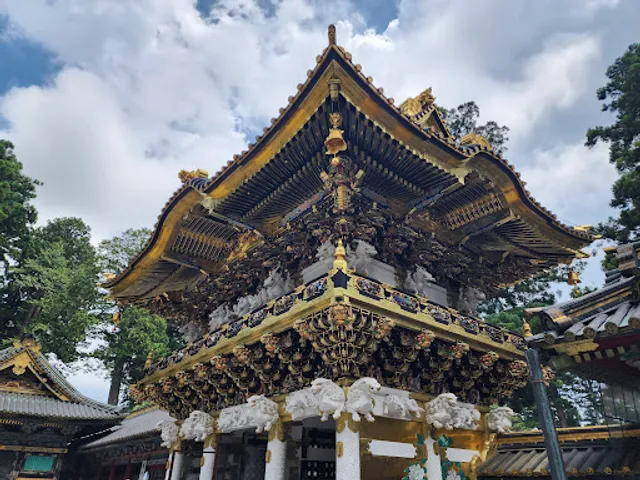
Nikkō Tōshōgū
4.5
(12.4K)
Closed
Click for details
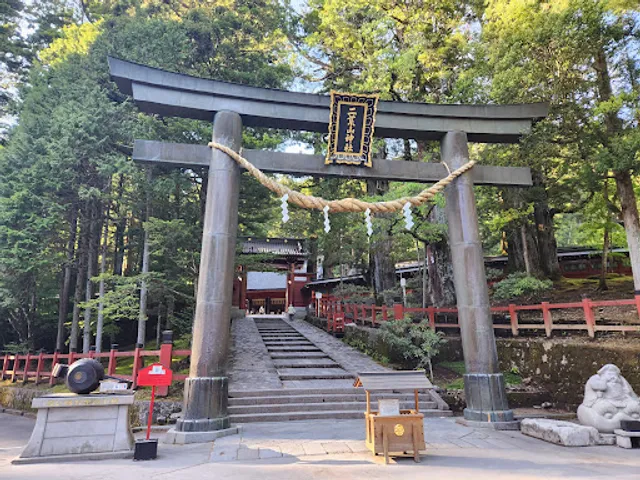
Nikko Futarasan-jinja Haiden
4.4
(2.1K)
Closed
Click for details
Nearby restaurants of Kanaya Hotel History Museum
金谷ホテルベーカリー カテッジイン・レストラン&ベーカリー
Pizza Linne
いちごの里カフェ 日光店
Nikko Castella Honpo Bandai Nikko Store
Nikko Coffee
Indian Restaurant Taj Nikko インド料理タージ日光
Goyoutei Saryou
Nikko Maruhide Shokudo
Nikko Suien
Cafe Restaurant BELL
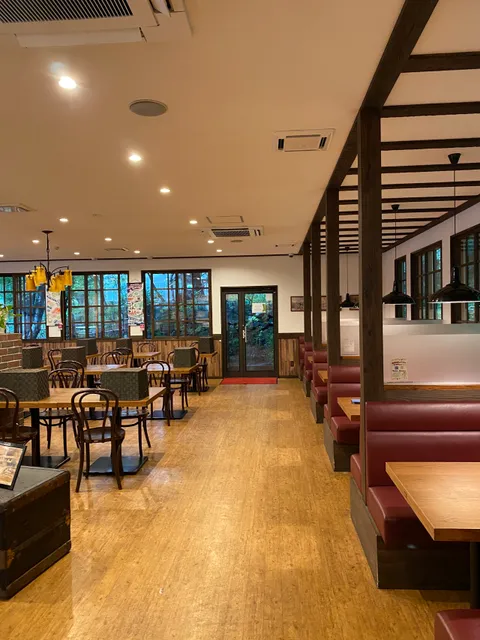
金谷ホテルベーカリー カテッジイン・レストラン&ベーカリー
4.1
(325)
Closed
Click for details
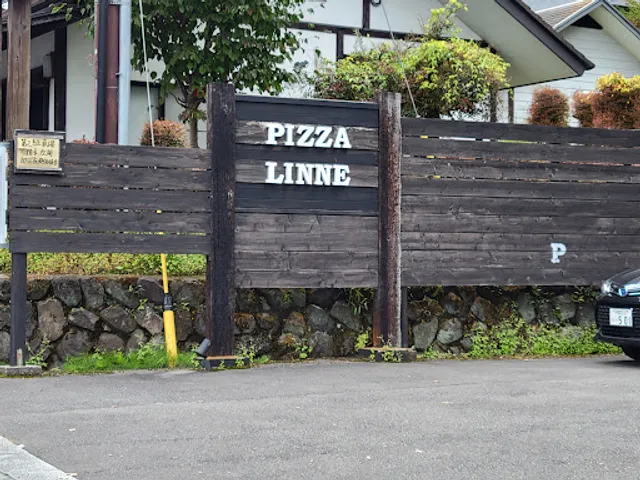
Pizza Linne
4.7
(140)
Open until 12:00 AM
Click for details
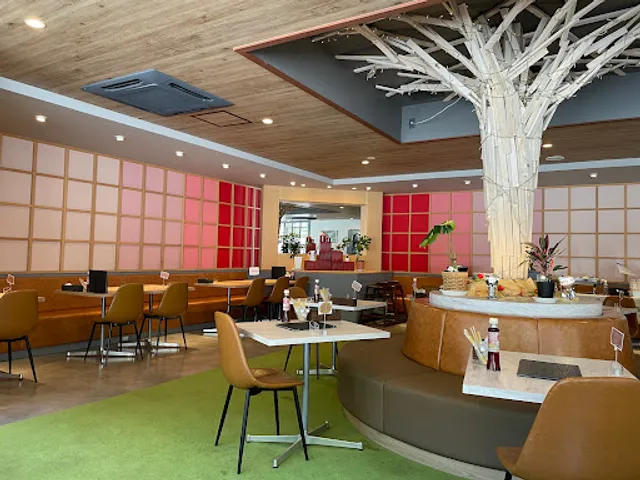
いちごの里カフェ 日光店
3.7
(176)
Closed
Click for details
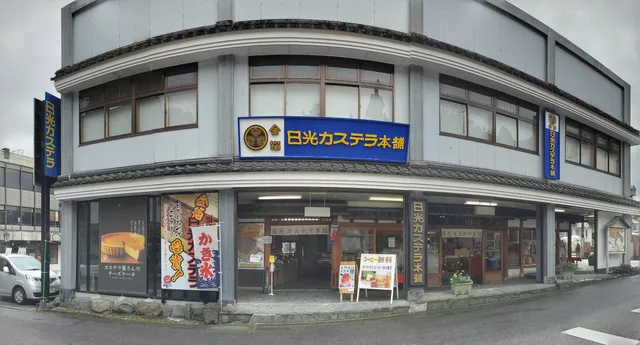
Nikko Castella Honpo Bandai Nikko Store
3.4
(543)
Closed
Click for details
Nearby local services of Kanaya Hotel History Museum
Nikko Toshogu
Nikko Futarasan jinja
Taiyu-in Temple Hall
Nitenmon Gate
Rinōji Taiyūin Nitenmon
Rin’nōji Jōgyō-dō Hall
Nikkozan Rinnoji Temple
Niōmon Gate
Nikkofutarasanjinja Honsha Parking Lot
Rin-no-ji Treasure House
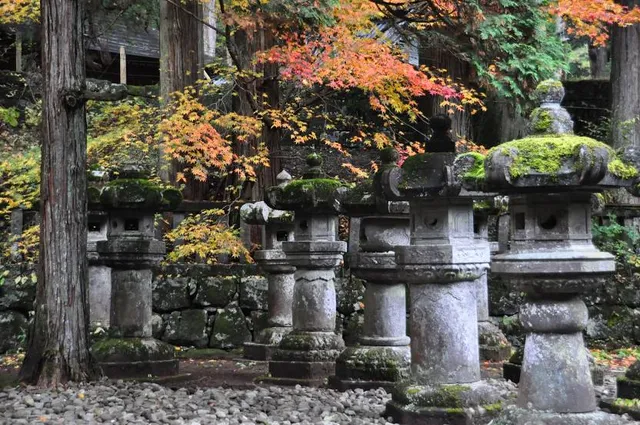
Nikko Toshogu
4.5
(9.8K)
Click for details
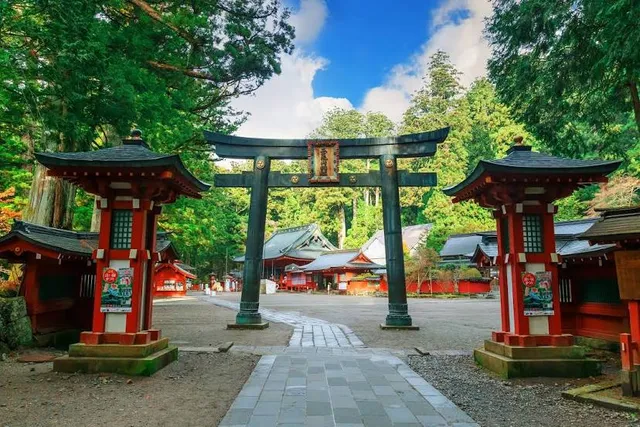
Nikko Futarasan jinja
4.3
(1.8K)
Click for details
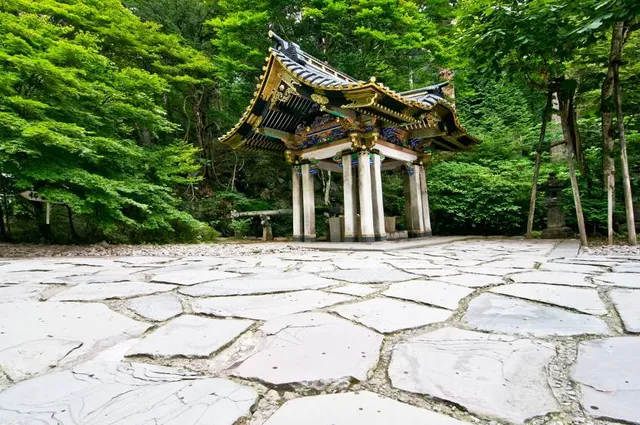
Taiyu-in Temple Hall
4.5
(377)
Click for details
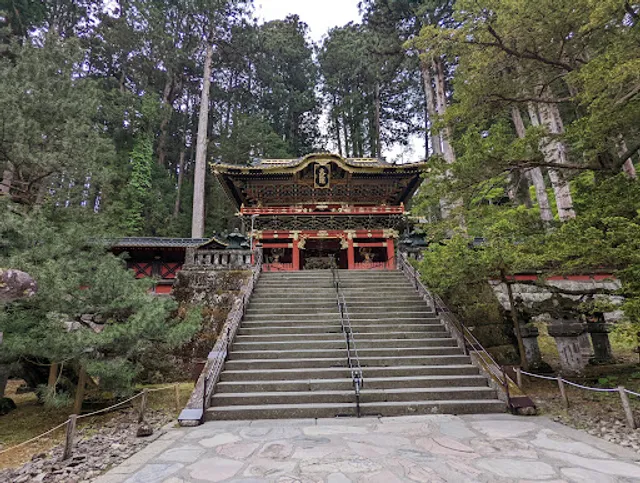
Nitenmon Gate
4.5
(53)
Click for details