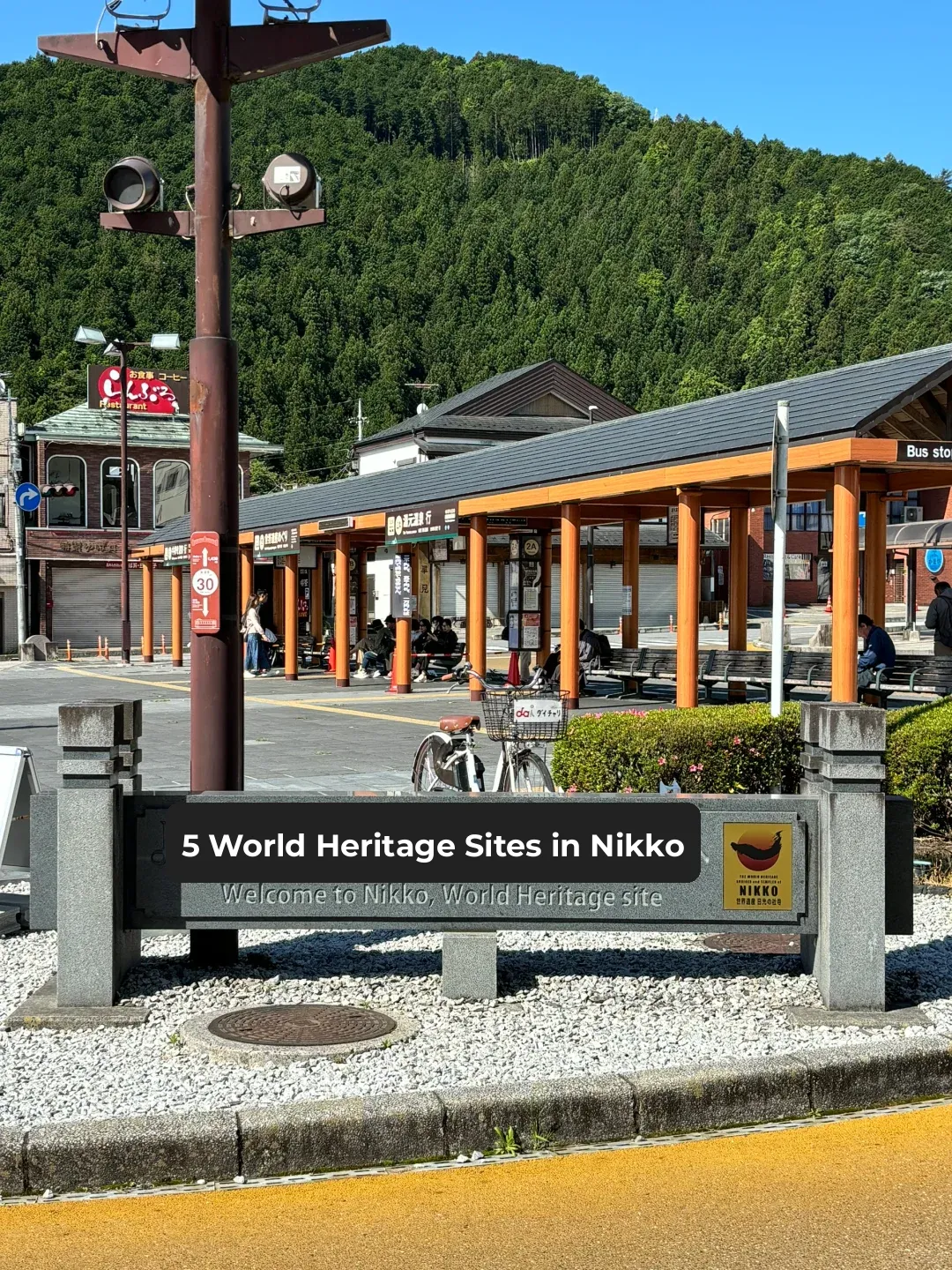
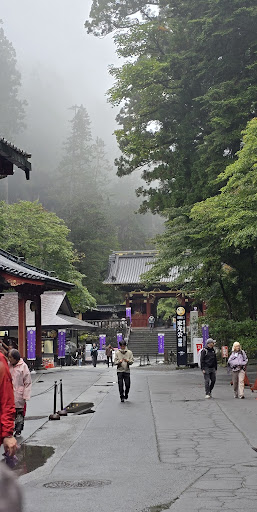
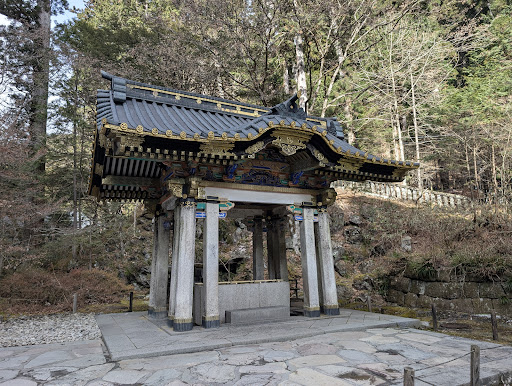
Rin’nōji Taiyū-in (Mausoleum of Iemitsu) things to do, attractions, restaurants, events info and trip planning
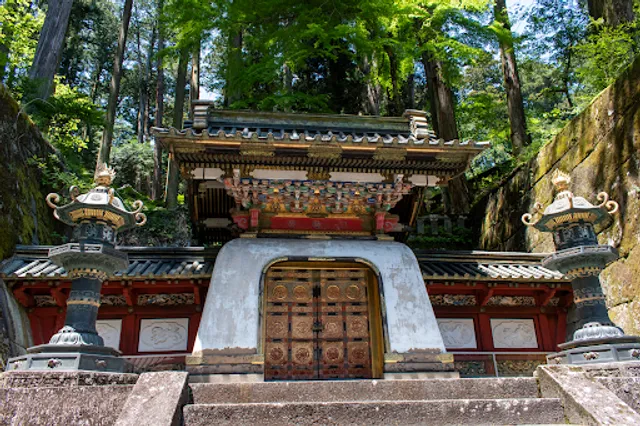
Basic Info
Rin’nōji Taiyū-in (Mausoleum of Iemitsu)
2300-2307 Sannai, Nikko, Tochigi 321-1431, Japan
4.6(545)
Open until 4:00 PM
Save
spot
spot
Ratings & Description
Info
Cultural
Scenic
Family friendly
Accessibility
attractions: Nikko Futarasan-jinja Haiden, Nikkō Tōshōgū, Yashamon Gate, Mitomo Shrine, Yōmeimon Gate, Rin’nōji Yakushi-do, Nemuri-neko (Sleeping cat carving), Gojū-no-tō (five-storied pagoda), Wish-Granting Tree, Shinkyūsha (Sanzaru, three monkeys), restaurants: Cafe Azumaya, Sannai shokudo - Kissa Suiran, Nikko Castella Honpo Bandai Nikko Store, Nikko Maruhide Shokudo, Kariman Kourindō, Nishi-sando chaya, 金谷ホテルベーカリー カテッジイン・レストラン&ベーカリー, Indian Restaurant Taj Nikko インド料理タージ日光, Sanraku, Ueshima Coffee Nikko-toshogu-ten, local businesses: Nikko Futarasan jinja, Taiyu-in Temple Hall, Nikko Toshogu, Niōmon Gate, Nitenmon Gate, Rinōji Taiyūin Nitenmon, Purification Fountain, Rin’nōji Jōgyō-dō Hall, Futara Reisen Spring, Hie Shrine
 Learn more insights from Wanderboat AI.
Phone
+81 288-54-0531
Website
rinnoji.or.jp
Open hoursSee all hours
Sun8 AM - 4 PMOpen
Plan your stay

Pet-friendly Hotels in Nikko
Find a cozy hotel nearby and make it a full experience.

Affordable Hotels in Nikko
Find a cozy hotel nearby and make it a full experience.

The Coolest Hotels You Haven't Heard Of (Yet)
Find a cozy hotel nearby and make it a full experience.

Trending Stays Worth the Hype in Nikko
Find a cozy hotel nearby and make it a full experience.
Reviews
Nearby attractions of Rin’nōji Taiyū-in (Mausoleum of Iemitsu)
Nikko Futarasan-jinja Haiden
Nikkō Tōshōgū
Yashamon Gate
Mitomo Shrine
Yōmeimon Gate
Rin’nōji Yakushi-do
Nemuri-neko (Sleeping cat carving)
Gojū-no-tō (five-storied pagoda)
Wish-Granting Tree
Shinkyūsha (Sanzaru, three monkeys)
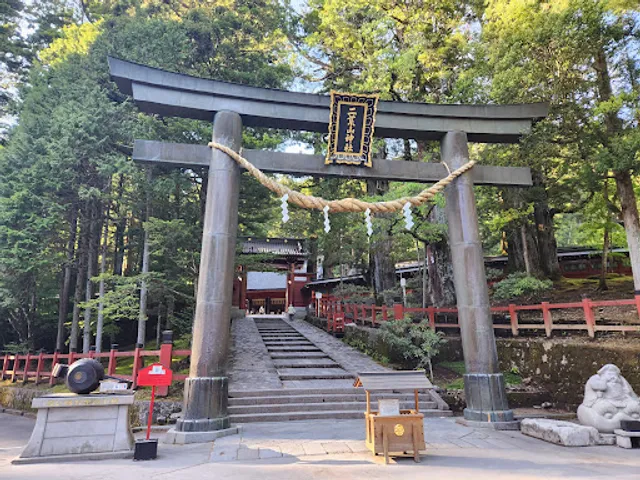
Nikko Futarasan-jinja Haiden
4.4
(2.1K)
Open until 3:30 PM
Click for details
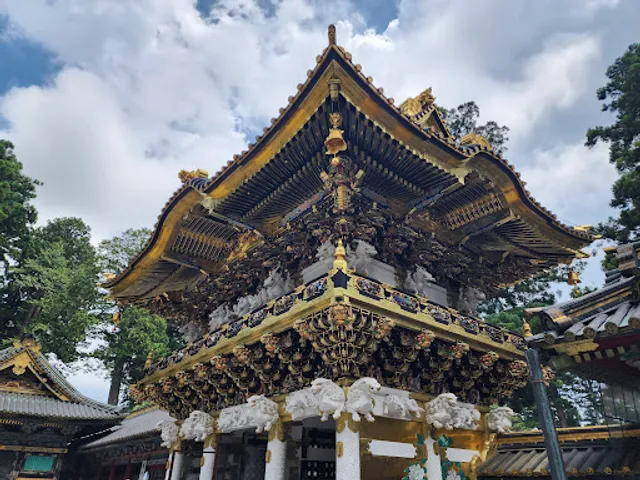
Nikkō Tōshōgū
4.5
(12.4K)
Open until 4:00 PM
Click for details
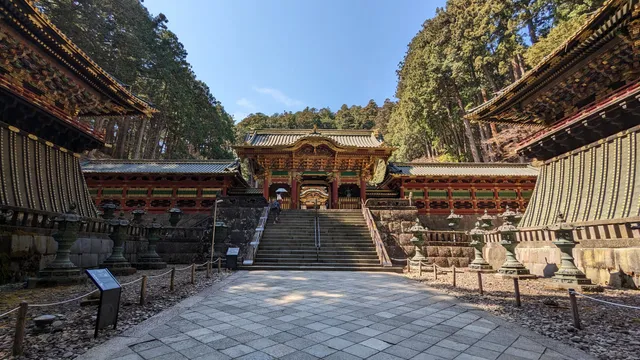
Yashamon Gate
4.6
(67)
Open until 4:00 PM
Click for details
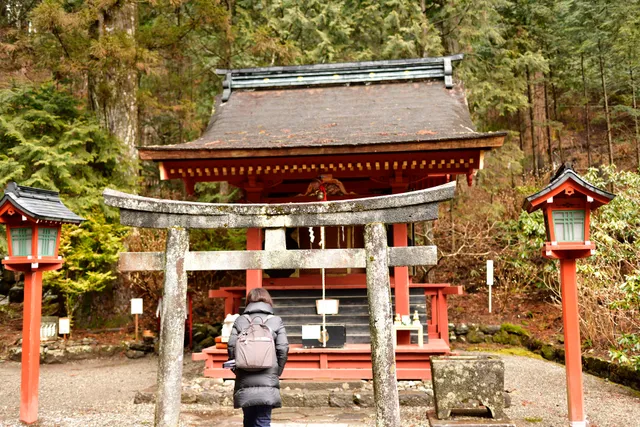
Mitomo Shrine
4.2
(17)
Open 24 hours
Click for details
Nearby restaurants of Rin’nōji Taiyū-in (Mausoleum of Iemitsu)
Cafe Azumaya
Sannai shokudo - Kissa Suiran
Nikko Castella Honpo Bandai Nikko Store
Nikko Maruhide Shokudo
Kariman Kourindō
Nishi-sando chaya
金谷ホテルベーカリー カテッジイン・レストラン&ベーカリー
Indian Restaurant Taj Nikko インド料理タージ日光
Sanraku
Ueshima Coffee Nikko-toshogu-ten
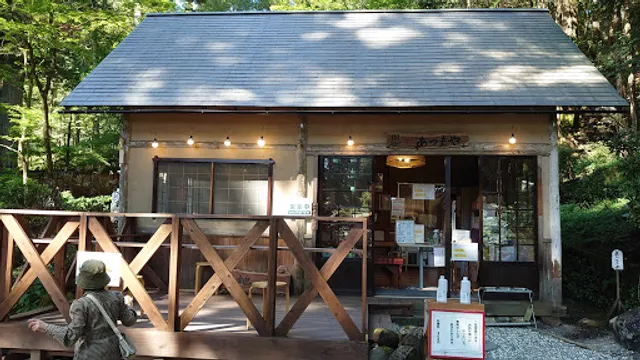
Cafe Azumaya
3.6
(22)
Open until 4:00 PM
Click for details
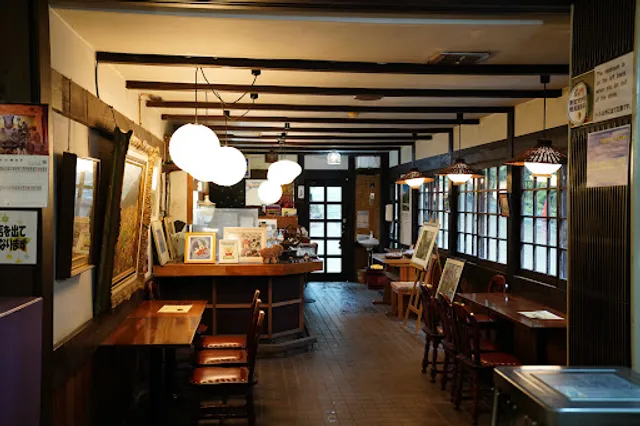
Sannai shokudo - Kissa Suiran
4.3
(84)
Open until 3:00 PM
Click for details
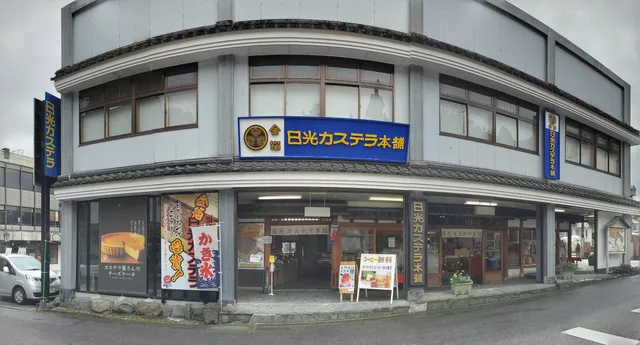
Nikko Castella Honpo Bandai Nikko Store
3.4
(543)
Open until 5:00 PM
Click for details
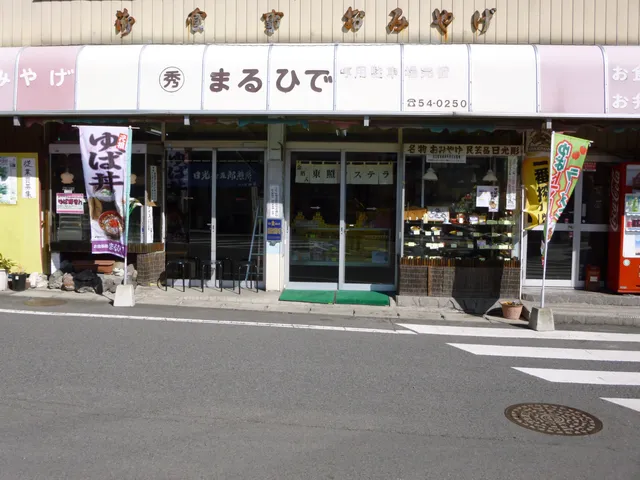
Nikko Maruhide Shokudo
3.9
(318)
Open until 4:00 PM
Click for details
Nearby local services of Rin’nōji Taiyū-in (Mausoleum of Iemitsu)
Nikko Futarasan jinja
Taiyu-in Temple Hall
Nikko Toshogu
Niōmon Gate
Nitenmon Gate
Rinōji Taiyūin Nitenmon
Purification Fountain
Rin’nōji Jōgyō-dō Hall
Futara Reisen Spring
Hie Shrine
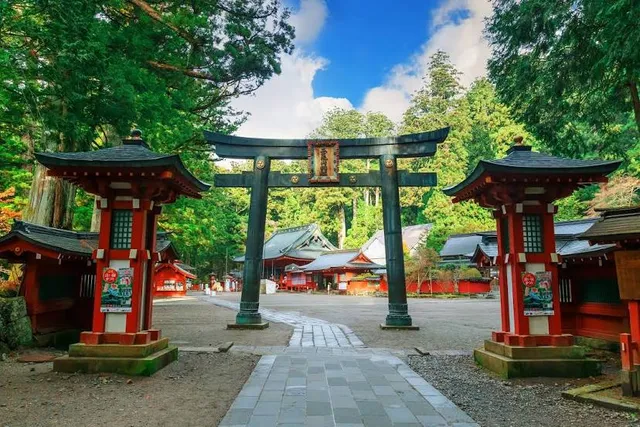
Nikko Futarasan jinja
4.3
(1.8K)
Click for details
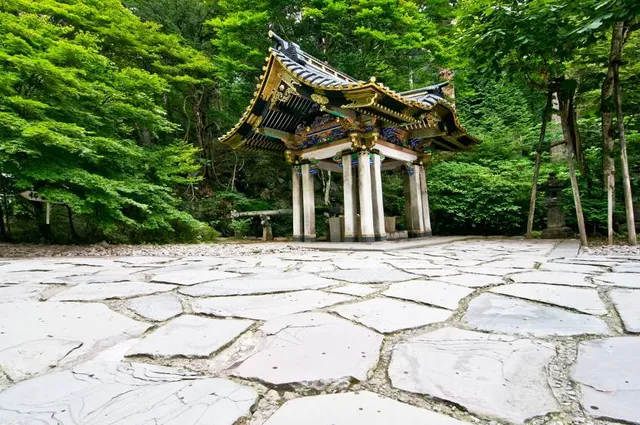
Taiyu-in Temple Hall
4.5
(377)
Click for details
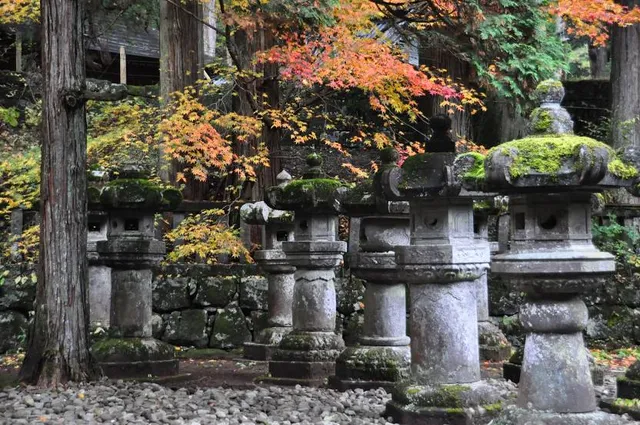
Nikko Toshogu
4.5
(9.8K)
Click for details
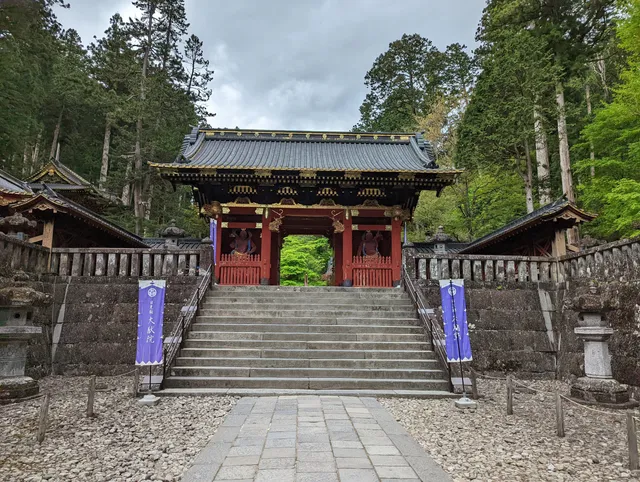
Niōmon Gate
4.3
(40)
Click for details