HTML SitemapExplore
logo
Find Things to DoFind The Best Restaurants

Kuwait Towers — Attraction in Dasman

Name
Kuwait Towers
Description
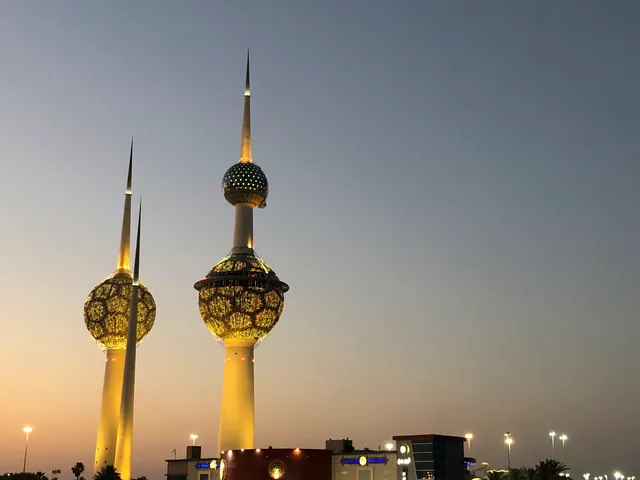
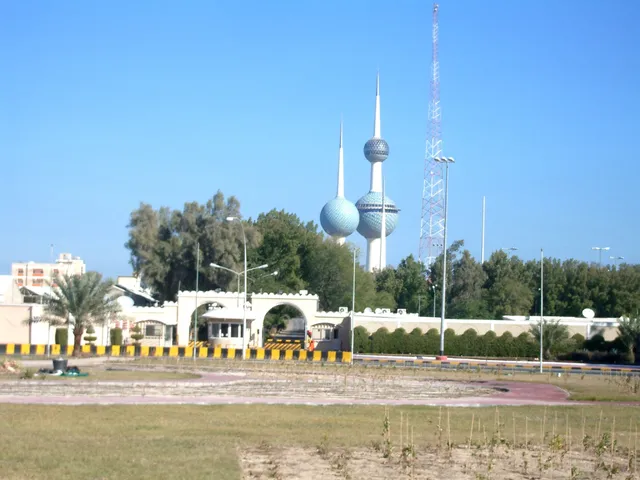
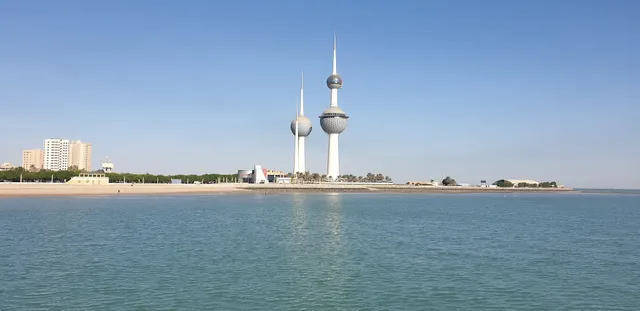
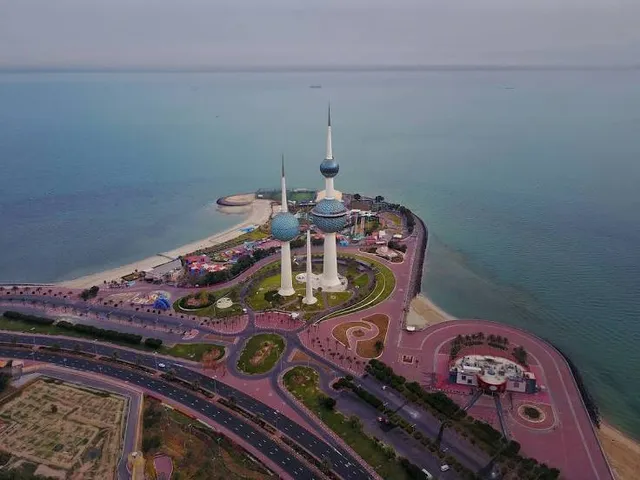
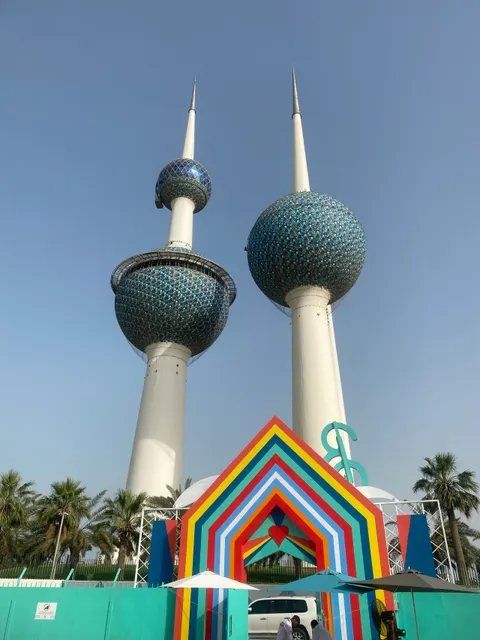
The Kuwait Towers are a group of three thin towers in Kuwait City, standing on a promontory into the Persian Gulf. They were the sixth, and last, group in the larger Kuwait Water Towers system of 34 towers, and were built in a style considerably different from the other five groups.
Nearby attractions
Bay Zero
next to Kuwait Towers, Arabian Gulf St, Kuwait City, Kuwait
Aqua Park Kuwait
92R3+FGR, Kuwait City, Kuwait
Dasman Palace
Jawahar Palace, Jasim Mohamad Al Bahar St, Kuwait City, Kuwait
Nearby restaurants
Fish market towers
Kuwait Tower (Electrical)، Gulf street beside, Arabian Gulf St, Kuwait City, Kuwait
Amimoto
Kuwait Tower (Main), Arabian Gulf St, Kuwait City 00000, Kuwait
Horizon Restaurant
Kuwait Tower (Main), Unnamed Road, Arabian Gulf St, Kuwait City 00000, Kuwait
مطعم ابراج الكويت المشروعات السياحيه
Kuwait Tower (Electrical), Arabian Gulf St, Kuwait City 00000, Kuwait
Mais Alghanim
Kuwait Kuwait city, 13012, Kuwait
McDonald's
Kuwait Towers, Gulf Road, 75411, 00000, Kuwait
Upper Street Steakhouse
Waves Restaurant Complex, Arabian Gulf Road, St 19, Kuwait City, Kuwait
Republique
near, Kuwait Tower (Main), Arabian Gulf Street, inside JŌN, Kuwait City, Kuwait
The Cheesecake Factory
Arabian Gulf St, Al Kuwayt, Kuwait
Dean & Deluca
Arabian Gulf St, Kuwait
Nearby hotels
Related posts
Keywords
Kuwait Towers tourism.Kuwait Towers hotels.Kuwait Towers bed and breakfast. flights to Kuwait Towers.Kuwait Towers attractions.Kuwait Towers restaurants.Kuwait Towers travel.Kuwait Towers travel guide.Kuwait Towers travel blog.Kuwait Towers pictures.Kuwait Towers photos.Kuwait Towers travel tips.Kuwait Towers maps.Kuwait Towers things to do.
Kuwait Towers things to do, attractions, restaurants, events info and trip planning
Kuwait Towers
KuwaitAl AsimahDasmanKuwait Towers

Basic Info

Kuwait Towers

Arabian Gulf St, Kuwait City 00000, Kuwait
4.5(7.4K)
Open 24 hours
Save
spot

Ratings & Description

Info

The Kuwait Towers are a group of three thin towers in Kuwait City, standing on a promontory into the Persian Gulf. They were the sixth, and last, group in the larger Kuwait Water Towers system of 34 towers, and were built in a style considerably different from the other five groups.

Cultural
Outdoor
Family friendly
Accessibility
attractions: Bay Zero, Aqua Park Kuwait, Dasman Palace, restaurants: Fish market towers, Amimoto, Horizon Restaurant, مطعم ابراج الكويت المشروعات السياحيه, Mais Alghanim, McDonald's, Upper Street Steakhouse, Republique, The Cheesecake Factory, Dean & Deluca
logoLearn more insights from Wanderboat AI.
Phone
+965 2496 5500
Website
tec.com.kw

Plan your stay

hotel
Pet-friendly Hotels in Dasman
Find a cozy hotel nearby and make it a full experience.

hotel
Affordable Hotels in Dasman
Find a cozy hotel nearby and make it a full experience.

hotel
The Coolest Hotels You Haven't Heard Of (Yet)
Find a cozy hotel nearby and make it a full experience.

hotel
Trending Stays Worth the Hype in Dasman
Find a cozy hotel nearby and make it a full experience.

Reviews

Nearby attractions of Kuwait Towers

Bay Zero

Aqua Park Kuwait

Dasman Palace
Bay Zero

Bay Zero

3.5

(182)

Closed
Click for details
Aqua Park Kuwait

Aqua Park Kuwait

3.9

(223)

Closed
Click for details
Dasman Palace

Dasman Palace

5.0

(10)

Open 24 hours
Click for details

Nearby restaurants of Kuwait Towers

Fish market towers

Amimoto

Horizon Restaurant

مطعم ابراج الكويت المشروعات السياحيه

Mais Alghanim

McDonald's

Upper Street Steakhouse

Republique

The Cheesecake Factory

Dean & Deluca
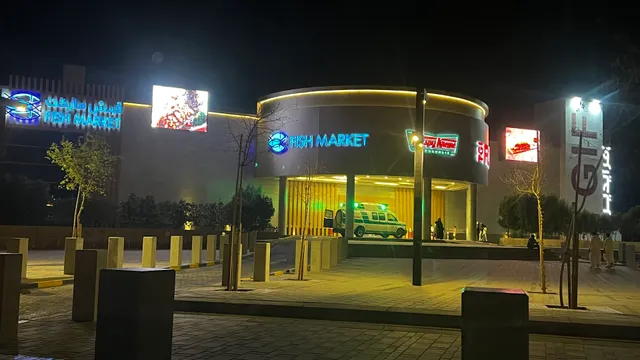
Fish market towers

Fish market towers

4.2

(645)

Click for details
Amimoto

Amimoto

4.4

(112)

Closed
Click for details
Horizon Restaurant

Horizon Restaurant

4.3

(71)

Click for details
مطعم ابراج الكويت المشروعات السياحيه

مطعم ابراج الكويت المشروعات السياحيه

4.0

(25)

Click for details
Get the Appoverlay
Get the AppOne tap to find yournext favorite spots!
Wanderboat LogoWanderboat

Your everyday Al companion for getaway ideas

CompanyAbout Us
InformationAI Trip PlannerSitemap
SocialXInstagramTiktokLinkedin
LegalTerms of ServicePrivacy Policy

Get the app

Š 2025 Wanderboat. All rights reserved.
logo

Posts

Your browser does not support the video tag.
eduavagieduavagi
Kuwait nem egy olyan ország, ami mély nyomot hagy az emberben, sőt! Valójában semmilyen. Valahol olvastam korábban, hogy a természet nem túl szép, az épületek nem túl extrák és az emberek sem kedvesek. Ezzel a kijelentéssel tudok azonosulni. De mégis örülök neki, hogy ha csak egy rövid kis látogatás erejéig, de megnéztem ezt a várost. 🙌🏻 A kuwait towers egyébként megérte, érdekes volt, szép volt a kilátás és egyáltalán nem volt más turista. 😅 #kuwait #kuwaitcity #kuwait_city #kuwait🇰🇼 #visitkuwait #kuwaittowers #timetotravel #meettheworld #seetheworld #letsgosomewhere #exploreeverything #worldcitizen
Eng.Rashid AlnuaimiEng.Rashid Alnuaimi
Kuwait Towers is a group of three slender towers that symbolizes Kuwait’s economic resurgence and also World cultural as well as touristic landmark. The structure is often referred to as Kuwait tower in singular although there are three towers. Standing on a promontory into the Arabian Gulf, Kuwait towers were officially inaugurated in 1979 and are rated as a tourist attraction and iconic building of modern Kuwait. The Kuwait Towers delightfully suggest a combination of traditional Islamic design and modern architectural themes, with comparisons being made to blue-tiled mosques and slender minarets of Samarkand and Bukhara. The easy visibility and popularity of the towers with photographers is also due to the fact that there are no other high rise buildings in the general area of the Kuwait Towers. Ever since the official inauguration of the towers, they have come to signify the prosperity and opulence that has boosted this previously sleepy backwater country into the world’s tenth richest country per capita.
How to go?

Located in downtown Kuwait City, The Kuwait Towers (Burjan- Al- Kuwait) are on the seashore in Arabian Gulf Street of Sharq district.
History

The plan of constructing Kuwait Tower dates back to 1962, less than a year after Kuwait achieved its freedom from England. The design was done by Swedish architects Malene Björn and Sune Lindström of Vatten-Byggnadsbyzan (VBB) and this was officially approved in 1971. Belgrade-based contractor Union-Inzenjering was assigned with most of the structural work which was completed between1975 and 1976.

Seven months of Iraqi occupation which began on August 2nd, 1990, when Saddam Hussein of Iraq invaded Kuwait had left an ugly mark on Kuwait. Kuwait salvaged its sovereignty after a 100-hour ground campaign that began on February 25th. Saddam’s troops were guilty for sabotaging actions intended to wipe out all reminders of an independent Kuwait which also included the Kuwait Towers. Iraqi soldiers deliberately shattered the towers’ electrical utilities and wrecked interior facilities besides causing damage to the towers’ exteriors with gunfire and shrapnel.

The damage sustained to the Kuwait Towers (estimated to be 75 percent) was repaired throughout the balance of 1991 and well into 1992, and necessary technical as well as comfort facilities were restored to their original condition. The refurbishment cost was an estimated KD 2 million. On December 26th of 1992, it was an inspirational occasion for proud Kuwaiti citizens as the Kuwait Towers were officially reopened to the public by Nasser Al-Roudhan, Finance and Planning Minister at that time.
Design and Construction

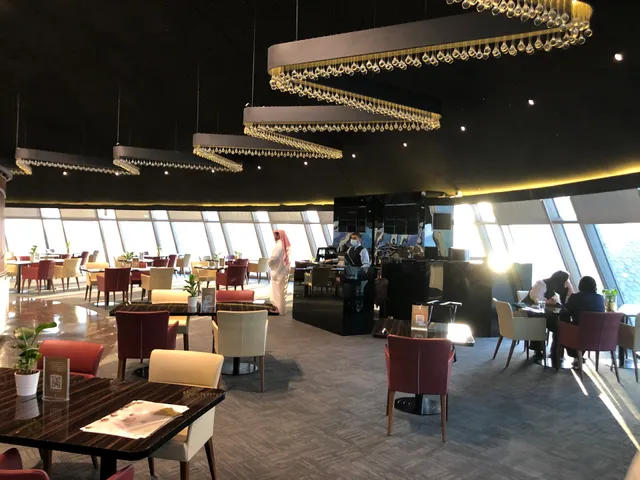
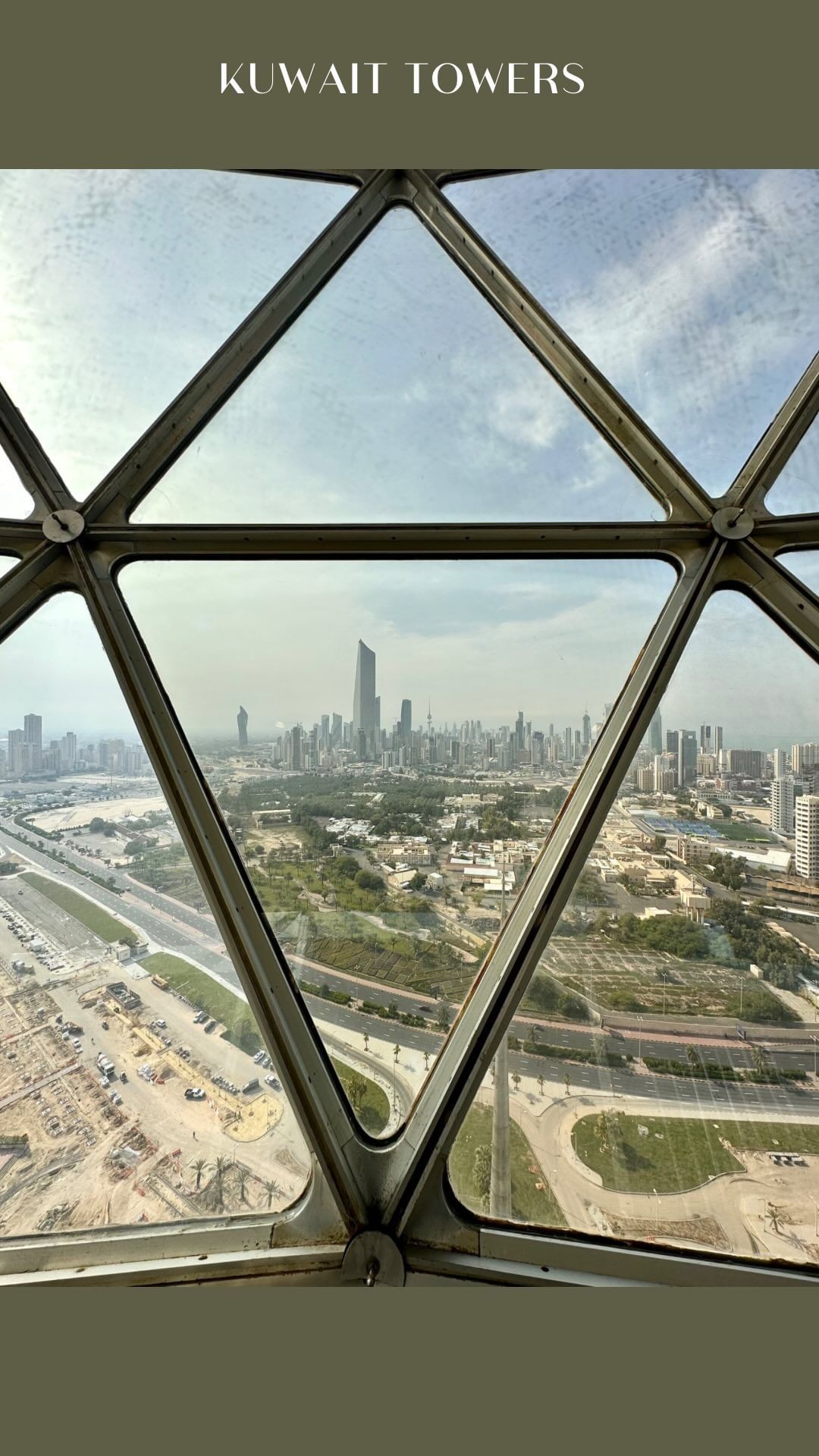
Kuwait towers were built in March 1979 and comprises of an area of 38,000 m² with two major towers and a minor tower. The height of main tower is 187 meters (614 ft) and consists of the Ground Floor, Main Sphere and the Viewing Sphere. The main tower is also home to Kuwait Towers’ signature restaurants, cafés and reception halls; the lower sphere holds in its upper half a restaurant for 90 persons and in its bottom half a water tank of 4,500 cubic meters. Rising to 123 meters above the sea level, the viewing sphere completes a 360° turn every 30 minutes so that visitors can experience a panoramic view of Kuwait City, its fascinating vicinities and the tranquil blue waters of the Arabian Gulf within a glass enclosed pavilion. The Viewing Sphere's revolving platform provides an empowering view of Kuwait city, along with extra amenities like a quick snack cafeteria and a souvenir store.

The second tower serves as a water reservoir and is 147 meters high. The third tower houses equipment to illuminate the two larger towers and supply electricity for some areas in Kuwait City. The towers hold 10,000 cubic meters of water on the whole.
Mohammed AlmeerMohammed Almeer
The Kuwait Towers are a group of three slender towers in Kuwait City, standing on a promontory into the Persian Gulf. They were the sixth, and last, group in the larger Kuwait Water Towers system of 34 towers (33 store water; one stores equipment), and were built in a style considerably different from the other five groups. The Kuwait Towers were officially inaugurated in March 1979[2] and are regarded as a landmark and symbol of modern Kuwait.[3] The towers were closed for maintenance from March 2012 to 8 March 2016, with a massive fireworksfestival commemorating the re-opening.[4] The main tower is 187 metres (614 ft) high and carries two spheres. The lower sphere holds in its bottom half a water tank of 4,500 cubic metres (1,200,000 US gal; 990,000 imp gal) and in its upper half there is a restaurant that accommodates 90 people, a cafÊ, a lounge and a reception hall. The upper sphere, which rises to 123 metres (404 ft) above sea level and completes a full turn every 30 minutes, holds a cafÊ. The second tower is 147 metres (482 ft) high and serves as a water tower. The third tower does not store water, housing equipment to illuminate the two larger towers. The two water towers hold 9,000 cubic metres (2,400,000 US gal; 2,000,000 imp gal) of water altogether.[5][6][7][better source needed] The Kuwait Towers were designed by Danish architect Malene Bjørn as part of a water distribution project run by the Swedish engineering company VBB (renamed Sweco in 1997). Chief architect of the company and husband of Malene Bjørn, Sune LindstrÜm, erected five groups of his typical "mushroom" water towers, the Kuwait Water Towers, but the Emir of Kuwait, Sheikh Jaber Al-Ahmed, wanted a more attractive design for the sixth site. Out of ten different designs, three were presented to the Amir, who chose the design built.[8][9] VBB contracted construction of the three Kuwait Towers to RAD construction company of Belgrade, Yugoslavia (now part of Serbia).[10] The towers were built of reinforced concrete and prestressed concrete. Building took place from 1971 to 1976 and the main tower was opened to the public on 1 March 1979.[11] Approximately 41,000 enameled steel discs cover the three spheres in eight shades of blue, green and gray, recalling the tiled domes of historic mosques. The discs are arranged in spiral patterns around the spheres. According to the architect, the Kuwait Tower group refers to ideals of humanity and technology, symbolised by the globe and the rocket.[12] Source: Wikipedia
See more posts
See more posts
hotel
Find your stay

Pet-friendly Hotels in Dasman

Find a cozy hotel nearby and make it a full experience.

Kuwait nem egy olyan ország, ami mély nyomot hagy az emberben, sőt! Valójában semmilyen. Valahol olvastam korábban, hogy a természet nem túl szép, az épületek nem túl extrák és az emberek sem kedvesek. Ezzel a kijelentéssel tudok azonosulni. De mégis örülök neki, hogy ha csak egy rövid kis látogatás erejéig, de megnéztem ezt a várost. 🙌🏻 A kuwait towers egyébként megérte, érdekes volt, szép volt a kilátás és egyáltalán nem volt más turista. 😅 #kuwait #kuwaitcity #kuwait_city #kuwait🇰🇼 #visitkuwait #kuwaittowers #timetotravel #meettheworld #seetheworld #letsgosomewhere #exploreeverything #worldcitizen
eduavagi

eduavagi

hotel
Find your stay

Affordable Hotels in Dasman

Find a cozy hotel nearby and make it a full experience.

Get the Appoverlay
Get the AppOne tap to find yournext favorite spots!
Kuwait Towers is a group of three slender towers that symbolizes Kuwait’s economic resurgence and also World cultural as well as touristic landmark. The structure is often referred to as Kuwait tower in singular although there are three towers. Standing on a promontory into the Arabian Gulf, Kuwait towers were officially inaugurated in 1979 and are rated as a tourist attraction and iconic building of modern Kuwait. The Kuwait Towers delightfully suggest a combination of traditional Islamic design and modern architectural themes, with comparisons being made to blue-tiled mosques and slender minarets of Samarkand and Bukhara. The easy visibility and popularity of the towers with photographers is also due to the fact that there are no other high rise buildings in the general area of the Kuwait Towers. Ever since the official inauguration of the towers, they have come to signify the prosperity and opulence that has boosted this previously sleepy backwater country into the world’s tenth richest country per capita.
How to go?

Located in downtown Kuwait City, The Kuwait Towers (Burjan- Al- Kuwait) are on the seashore in Arabian Gulf Street of Sharq district.
History

The plan of constructing Kuwait Tower dates back to 1962, less than a year after Kuwait achieved its freedom from England. The design was done by Swedish architects Malene Björn and Sune Lindström of Vatten-Byggnadsbyzan (VBB) and this was officially approved in 1971. Belgrade-based contractor Union-Inzenjering was assigned with most of the structural work which was completed between1975 and 1976.

Seven months of Iraqi occupation which began on August 2nd, 1990, when Saddam Hussein of Iraq invaded Kuwait had left an ugly mark on Kuwait. Kuwait salvaged its sovereignty after a 100-hour ground campaign that began on February 25th. Saddam’s troops were guilty for sabotaging actions intended to wipe out all reminders of an independent Kuwait which also included the Kuwait Towers. Iraqi soldiers deliberately shattered the towers’ electrical utilities and wrecked interior facilities besides causing damage to the towers’ exteriors with gunfire and shrapnel.

The damage sustained to the Kuwait Towers (estimated to be 75 percent) was repaired throughout the balance of 1991 and well into 1992, and necessary technical as well as comfort facilities were restored to their original condition. The refurbishment cost was an estimated KD 2 million. On December 26th of 1992, it was an inspirational occasion for proud Kuwaiti citizens as the Kuwait Towers were officially reopened to the public by Nasser Al-Roudhan, Finance and Planning Minister at that time.
Design and Construction

Kuwait towers were built in March 1979 and comprises of an area of 38,000 m² with two major towers and a minor tower. The height of main tower is 187 meters (614 ft) and consists of the Ground Floor, Main Sphere and the Viewing Sphere. The main tower is also home to Kuwait Towers’ signature restaurants, cafés and reception halls; the lower sphere holds in its upper half a restaurant for 90 persons and in its bottom half a water tank of 4,500 cubic meters. Rising to 123 meters above the sea level, the viewing sphere completes a 360° turn every 30 minutes so that visitors can experience a panoramic view of Kuwait City, its fascinating vicinities and the tranquil blue waters of the Arabian Gulf within a glass enclosed pavilion. The Viewing Sphere's revolving platform provides an empowering view of Kuwait city, along with extra amenities like a quick snack cafeteria and a souvenir store.

The second tower serves as a water reservoir and is 147 meters high. The third tower houses equipment to illuminate the two larger towers and supply electricity for some areas in Kuwait City. The towers hold 10,000 cubic meters of water on the whole.
Eng.Rashid Alnuaimi

Eng.Rashid Alnuaimi

hotel
Find your stay

The Coolest Hotels You Haven't Heard Of (Yet)

Find a cozy hotel nearby and make it a full experience.

hotel
Find your stay

Trending Stays Worth the Hype in Dasman

Find a cozy hotel nearby and make it a full experience.

The Kuwait Towers are a group of three slender towers in Kuwait City, standing on a promontory into the Persian Gulf. They were the sixth, and last, group in the larger Kuwait Water Towers system of 34 towers (33 store water; one stores equipment), and were built in a style considerably different from the other five groups. The Kuwait Towers were officially inaugurated in March 1979[2] and are regarded as a landmark and symbol of modern Kuwait.[3] The towers were closed for maintenance from March 2012 to 8 March 2016, with a massive fireworksfestival commemorating the re-opening.[4] The main tower is 187 metres (614 ft) high and carries two spheres. The lower sphere holds in its bottom half a water tank of 4,500 cubic metres (1,200,000 US gal; 990,000 imp gal) and in its upper half there is a restaurant that accommodates 90 people, a cafÊ, a lounge and a reception hall. The upper sphere, which rises to 123 metres (404 ft) above sea level and completes a full turn every 30 minutes, holds a cafÊ. The second tower is 147 metres (482 ft) high and serves as a water tower. The third tower does not store water, housing equipment to illuminate the two larger towers. The two water towers hold 9,000 cubic metres (2,400,000 US gal; 2,000,000 imp gal) of water altogether.[5][6][7][better source needed] The Kuwait Towers were designed by Danish architect Malene Bjørn as part of a water distribution project run by the Swedish engineering company VBB (renamed Sweco in 1997). Chief architect of the company and husband of Malene Bjørn, Sune LindstrÜm, erected five groups of his typical "mushroom" water towers, the Kuwait Water Towers, but the Emir of Kuwait, Sheikh Jaber Al-Ahmed, wanted a more attractive design for the sixth site. Out of ten different designs, three were presented to the Amir, who chose the design built.[8][9] VBB contracted construction of the three Kuwait Towers to RAD construction company of Belgrade, Yugoslavia (now part of Serbia).[10] The towers were built of reinforced concrete and prestressed concrete. Building took place from 1971 to 1976 and the main tower was opened to the public on 1 March 1979.[11] Approximately 41,000 enameled steel discs cover the three spheres in eight shades of blue, green and gray, recalling the tiled domes of historic mosques. The discs are arranged in spiral patterns around the spheres. According to the architect, the Kuwait Tower group refers to ideals of humanity and technology, symbolised by the globe and the rocket.[12] Source: Wikipedia
Mohammed Almeer

Mohammed Almeer

See more posts
See more posts

Reviews of Kuwait Towers

4.5
(7,396)
avatar
5.0
2y

Kuwait Towers is a group of three slender towers that symbolizes Kuwait’s economic resurgence and also World cultural as well as touristic landmark. The structure is often referred to as Kuwait tower in singular although there are three towers. Standing on a promontory into the Arabian Gulf, Kuwait towers were officially inaugurated in 1979 and are rated as a tourist attraction and iconic building of modern Kuwait.

The Kuwait Towers delightfully suggest a combination of traditional Islamic design and modern architectural themes, with comparisons being made to blue-tiled mosques and slender minarets of Samarkand and Bukhara. The easy visibility and popularity of the towers with photographers is also due to the fact that there are no other high rise buildings in the general area of the Kuwait Towers. Ever since the official inauguration of the towers, they have come to signify the prosperity and opulence that has boosted this previously sleepy backwater country into the world’s tenth richest country per capita.
How to go?

Located in downtown Kuwait City, The Kuwait Towers (Burjan- Al- Kuwait) are on the seashore in Arabian Gulf Street of Sharq district.
History

The plan of constructing Kuwait Tower dates back to 1962, less than a year after Kuwait achieved its freedom from England. The design was done by Swedish architects Malene Björn and Sune Lindström of Vatten-Byggnadsbyzan (VBB) and this was officially approved in 1971. Belgrade-based contractor Union-Inzenjering was assigned with most of the structural work which was completed between1975 and 1976.

Seven months of Iraqi occupation which began on August 2nd, 1990, when Saddam Hussein of Iraq invaded Kuwait had left an ugly mark on Kuwait. Kuwait salvaged its sovereignty after a 100-hour ground campaign that began on February 25th. Saddam’s troops were guilty for sabotaging actions intended to wipe out all reminders of an independent Kuwait which also included the Kuwait Towers. Iraqi soldiers deliberately shattered the towers’ electrical utilities and wrecked interior facilities besides causing damage to the towers’ exteriors with gunfire and shrapnel.

The damage sustained to the Kuwait Towers (estimated to be 75 percent) was repaired throughout the balance of 1991 and well into 1992, and necessary technical as well as comfort facilities were restored to their original condition. The refurbishment cost was an estimated KD 2 million. On December 26th of 1992, it was an inspirational occasion for proud Kuwaiti citizens as the Kuwait Towers were officially reopened to the public by Nasser Al-Roudhan, Finance and Planning Minister at that time.
Design and Construction

Kuwait towers were built in March 1979 and comprises of an area of 38,000 m² with two major towers and a minor tower. The height of main tower is 187 meters (614 ft) and consists of the Ground Floor, Main Sphere and the Viewing Sphere. The main tower is also home to Kuwait Towers’ signature restaurants, cafés and reception halls; the lower sphere holds in its upper half a restaurant for 90 persons and in its bottom half a water tank of 4,500 cubic meters. Rising to 123 meters above the sea level, the viewing sphere completes a 360° turn every 30 minutes so that visitors can experience a panoramic view of Kuwait City, its fascinating vicinities and the tranquil blue waters of the Arabian Gulf within a glass enclosed pavilion. The Viewing Sphere's revolving platform provides an empowering view of Kuwait city, along with extra amenities like a quick snack cafeteria and a souvenir store.

The second tower serves as a water reservoir and is 147 meters high. The third tower houses equipment to illuminate the two larger towers and supply electricity for some areas in Kuwait City. The towers hold 10,000 cubic meters of water...

   Read more
avatar
5.0
5y

The Kuwait Towers are a group of three slender towers in Kuwait City, standing on a promontory into the Persian Gulf. They were the sixth, and last, group in the larger Kuwait Water Towers system of 34 towers (33 store water; one stores equipment), and were built in a style considerably different from the other five groups. The Kuwait Towers were officially inaugurated in March 19792] and are regarded as a landmark and symbol of modern Kuwait.[3] The towers were closed for maintenance from March 2012 to 8 March 2016, with a massive fireworksfestival commemorating the re-opening.[4]

The main tower is 187 metres (614 ft) high and carries two spheres. The lower sphere holds in its bottom half a water tank of 4,500 cubic metres (1,200,000 US gal; 990,000 imp gal) and in its upper half there is a restaurant that accommodates 90 people, a cafÊ, a lounge and a reception hall. The upper sphere, which rises to 123 metres (404 ft) above sea level and completes a full turn every 30 minutes, holds a cafÊ. The second tower is 147 metres (482 ft) high and serves as a water tower. The third tower does not store water, housing equipment to illuminate the two larger towers. The two water towers hold 9,000 cubic metres (2,400,000 US gal; 2,000,000 imp gal) of water altogether.[57 The Kuwait Towers were designed by Danish architect Malene Bjørn as part of a water distribution project run by the Swedish engineering company VBB (renamed Sweco in 1997). Chief architect of the company and husband of Malene Bjørn, Sune LindstrÜm, erected five groups of his typical "mushroom" water towers, the Kuwait Water Towers, but the Emir of Kuwait, Sheikh Jaber Al-Ahmed, wanted a more attractive design for the sixth site. Out of ten different designs, three were presented to the Amir, who chose the design built.8 VBB contracted construction of the three Kuwait Towers to RAD construction company of Belgrade, Yugoslavia (now part of Serbia).[10] The towers were built of reinforced concrete and prestressed concrete. Building took place from 1971 to 1976 and the main tower was opened to the public on 1 March 1979.[11] Approximately 41,000 enameled steel discs cover the three spheres in eight shades of blue, green and gray, recalling the tiled domes of historic mosques. The discs are arranged in spiral patterns around the spheres. According to the architect, the Kuwait Tower group refers to ideals of humanity and technology, symbolised by the globe and the...

   Read more
avatar
5.0
1y

Kuwait Towers: An Architectural Marvel on the Arabian Gulf

Nestled along the Arabian Gulf, the Kuwait Towers are a trio of iconic structures that have become synonymous with the country's modern skyline. Designed by Danish architect Malene Bjorn, these towers have stood tall as a symbol of Kuwait's architectural prowess since their completion in 1979.

Architecture and Design

The three towers form a striking ensemble, with their distinctive circular shapes and varying heights. The main tower, known as the Main Tower, stands at an impressive 187 meters tall. Its spherical structure houses two observation decks, offering breathtaking panoramic views of the city and the surrounding gulf.

The two smaller towers, known as the Auxiliary Towers, are 147 meters tall. These towers contain water reservoirs that supply the city with potable water. The spherical orbs at the top of these towers serve as restaurants, providing diners with a unique dining experience with stunning views.

Engineering Marvel

The Kuwait Towers are not only architectural masterpieces but also engineering marvels. The Main Tower features a unique suspension system that allows it to withstand high winds and seismic activity. The water reservoirs in the Auxiliary Towers are supported by a complex network of pillars and beams, ensuring the safe storage and distribution of water.

Tourist Attraction

The Kuwait Towers have become a major tourist attraction. Visitors can ascend the Main Tower to enjoy the panoramic views, dine in the revolving restaurants of the Auxiliary Towers, or simply admire the towers' striking architecture from afar. The surrounding area features a park, fountains, and other amenities, making it a popular destination for locals and tourists alike.

Symbol of Kuwait

The Kuwait Towers have transcended their architectural significance to become a symbol of Kuwait's progress and development. They have been featured on stamps, banknotes, and countless souvenirs, and their image is instantly recognizable around the world.

Conclusion

The Kuwait Towers are a testament to the architectural ingenuity and engineering prowess of Kuwait. Their striking design, engineering marvel, and iconic status make them a must-visit attraction for anyone traveling to Kuwait. As a symbol of the country's modern identity, the Kuwait Towers will continue to inspire and awe visitors for...

   Read more
Page 1 of 7
Previous
Next