Museum of Occupations and Freedom Fights things to do, attractions, restaurants, events info and trip planning
Basic Info
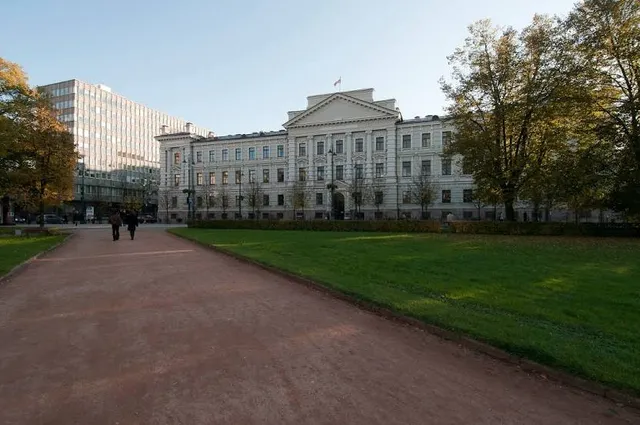
Museum of Occupations and Freedom Fights
Aukų g. 2A, Vilnius, 01400 Vilniaus m. sav., Lithuania
4.6(2.3K)
Closed


tickets
Save
spot
spot
Ratings & Description
Info
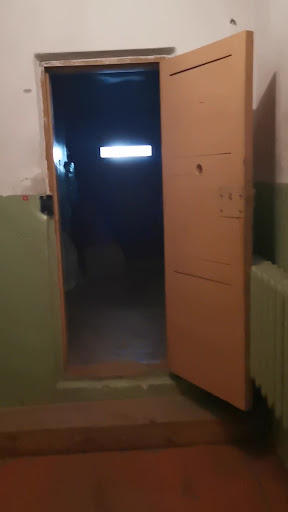
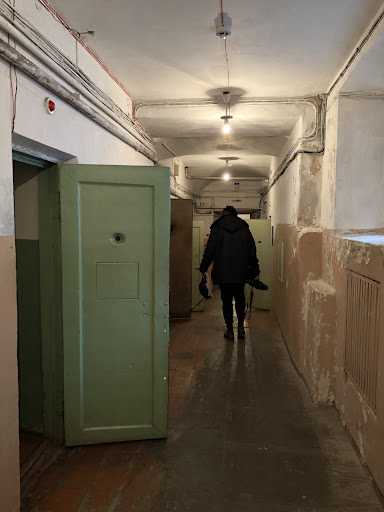
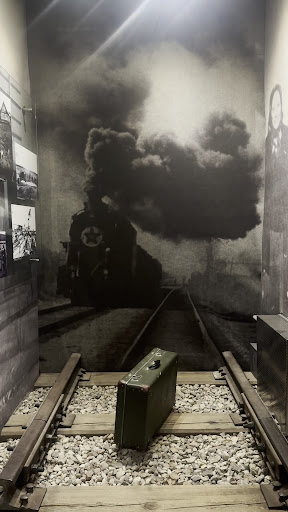
The Museum of Occupations and Freedom Fights in Vilnius, is dedicated to showing artifacts and records from the 50-year period of Soviet occupation of Lithuania.
Cultural
Accessibility
attractions: Dominican Church of Apostles St. Philip and St. Jacob, Lukiškių kalėjimas 2.0, Baltasis tiltas, Vincas Kudirka Square, Vytautas Kasiulis Art Museum, Beatrice’s house, Frank Zappa, Money Museum of the Bank of Lithuania, Church of St. Archangel Raphael, Radvila Palace Art Museum, restaurants: Bonocosì, LA PEPA (BISTRO-BRUNCH), RB Bistro, Radharanė, Pink&Yellow, Formosa Bubble Tea, CAFFEINE LT, Can Can Pizza @ Gedimino prospektas, Bar DOG, Ad Astrum Cofe-Bar, local businesses: Beatos virtuvės studija, Gedimino pr. 43, Tauradvaris, Venclovų namai-muziejus | The Venclova house-museum, G9, Gedimino pr. 9, St. Nicholas' Church, Baras Biliardas FUKSAS, Vilniaus g. 22, Upės g. 6
 Learn more insights from Wanderboat AI.
Phone
+370 602 87022
Website
olkm.lt
Open hoursSee all hours
Sat10 AM - 6 PMClosed
Plan your stay

Pet-friendly Hotels in Vilnius
Find a cozy hotel nearby and make it a full experience.

Affordable Hotels in Vilnius
Find a cozy hotel nearby and make it a full experience.

The Coolest Hotels You Haven't Heard Of (Yet)
Find a cozy hotel nearby and make it a full experience.

Trending Stays Worth the Hype in Vilnius
Find a cozy hotel nearby and make it a full experience.
Reviews
Live events

Discover the secrets of Vilnius Old Town
Sat, Feb 14 • 9:30 AM
01143, Vilnius, Vilnius County, Lithuania
View details

Candlelight Valentino diena: Klasikinė romantika
Sat, Feb 14 • 3:30 PM
Gedimino Prospektas 35, Vilnius, 01108
View details
Nearby attractions of Museum of Occupations and Freedom Fights
Dominican Church of Apostles St. Philip and St. Jacob
Lukiškių kalėjimas 2.0
Baltasis tiltas
Vincas Kudirka Square
Vytautas Kasiulis Art Museum
Beatrice’s house
Frank Zappa
Money Museum of the Bank of Lithuania
Church of St. Archangel Raphael
Radvila Palace Art Museum
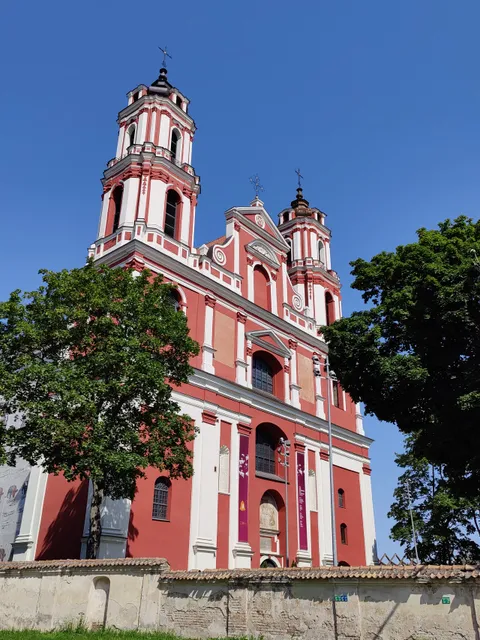
Dominican Church of Apostles St. Philip and St. Jacob
4.8
(407)
Closed
Click for details
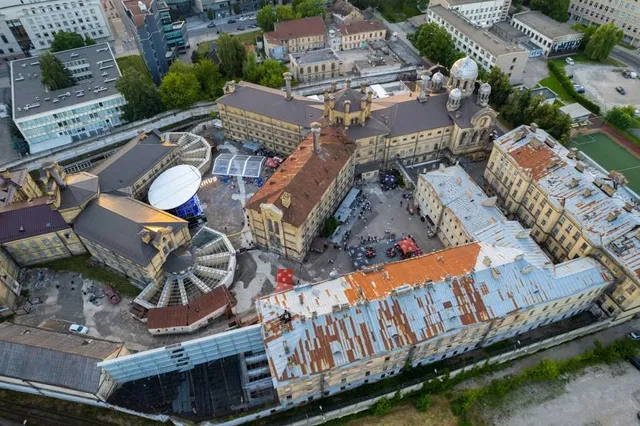
Lukiškių kalėjimas 2.0
4.8
(3.1K)
Closed
Click for details
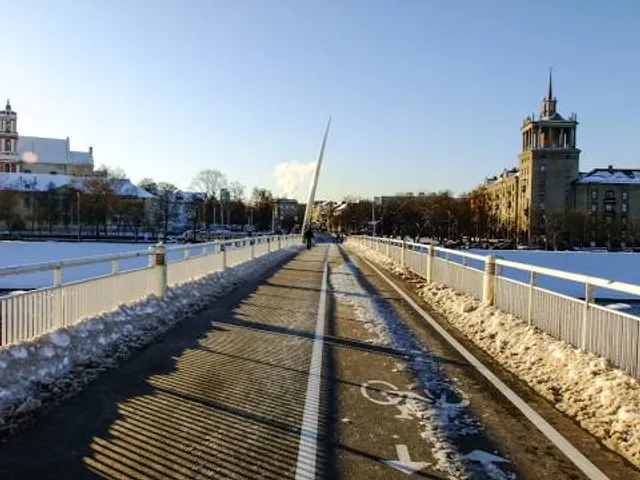
Baltasis tiltas
4.7
(1.8K)
Open until 12:00 AM
Click for details
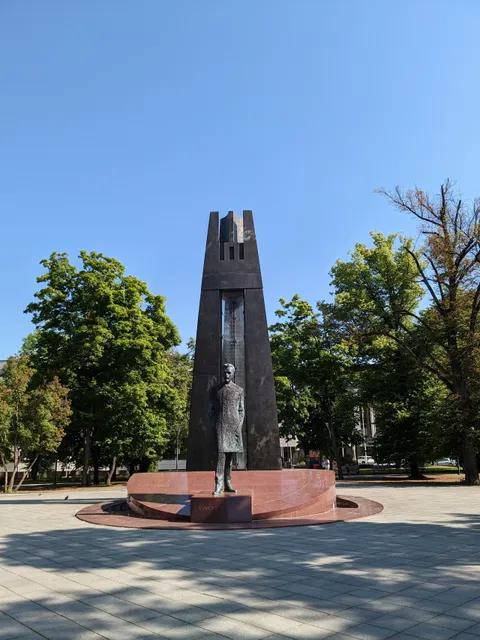
Vincas Kudirka Square
4.6
(3K)
Open until 12:00 AM
Click for details
Nearby restaurants of Museum of Occupations and Freedom Fights
Bonocosì
LA PEPA (BISTRO-BRUNCH)
RB Bistro
Radharanė
Pink&Yellow
Formosa Bubble Tea
CAFFEINE LT
Can Can Pizza @ Gedimino prospektas
Bar DOG
Ad Astrum Cofe-Bar
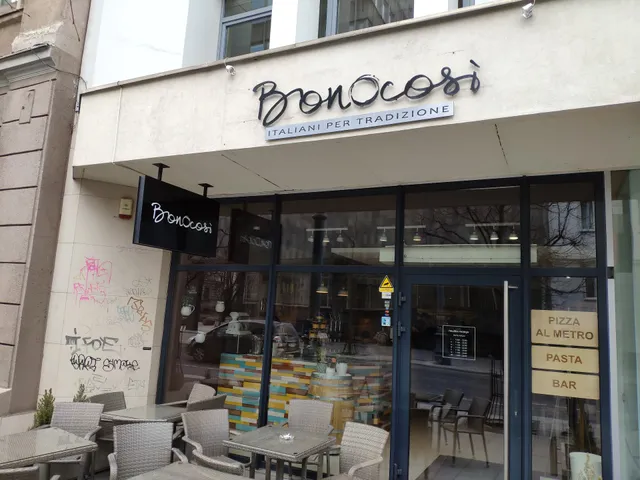
Bonocosì
4.4
(986)
Closed
Click for details
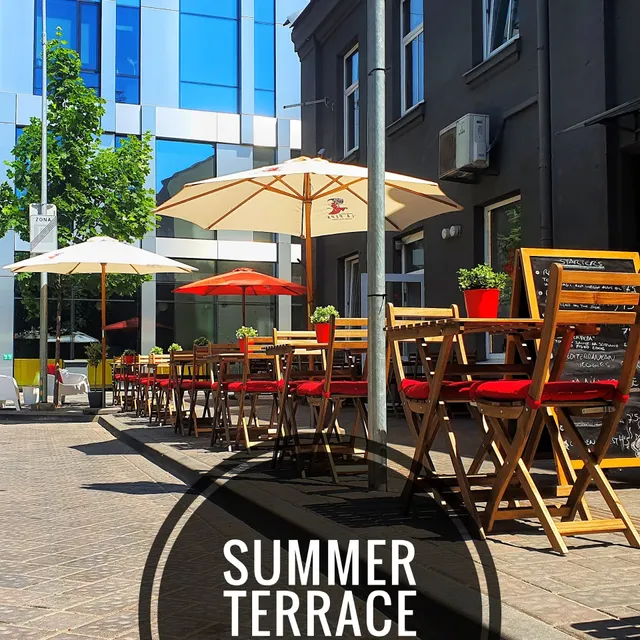
LA PEPA (BISTRO-BRUNCH)
4.8
(835)
Closed
Click for details
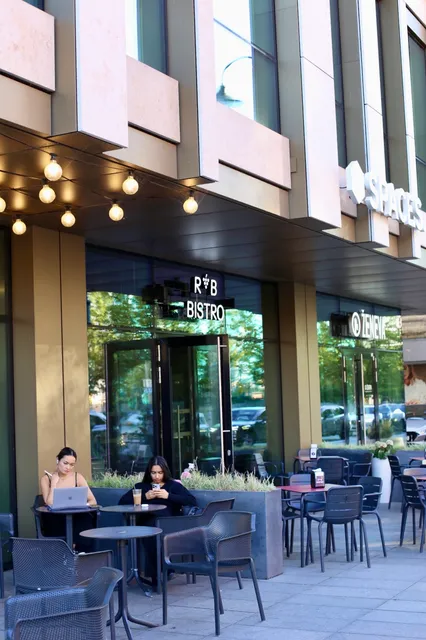
RB Bistro
4.9
(360)
Closed
Click for details
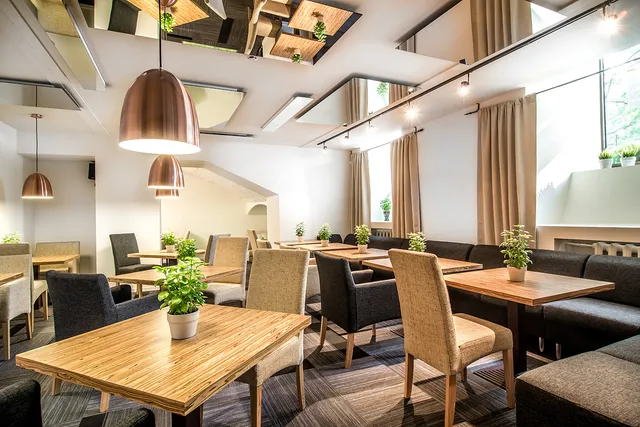
Radharanė
4.5
(615)
Closed
Click for details
Nearby local services of Museum of Occupations and Freedom Fights
Beatos virtuvės studija
Gedimino pr. 43
Tauradvaris
Venclovų namai-muziejus | The Venclova house-museum
G9
Gedimino pr. 9
St. Nicholas' Church
Baras Biliardas FUKSAS
Vilniaus g. 22
Upės g. 6
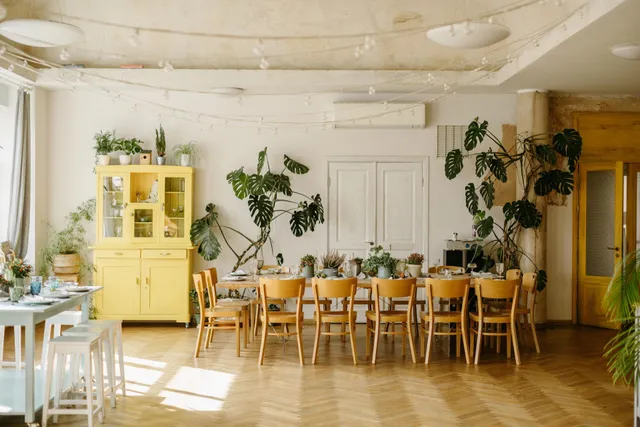
Beatos virtuvės studija
4.5
(63)
Click for details
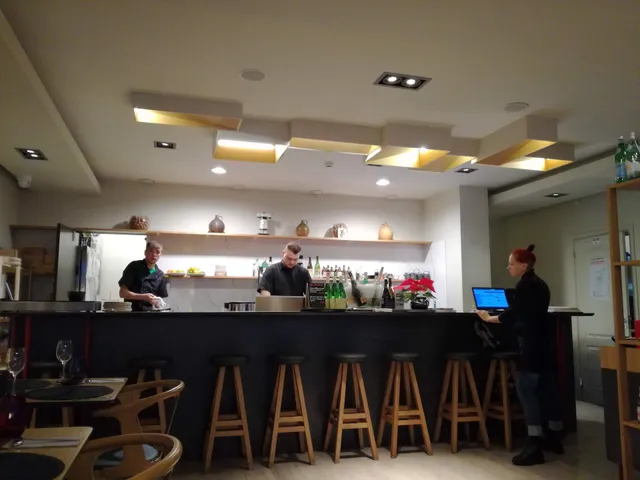
Gedimino pr. 43
4.3
(112)
Click for details
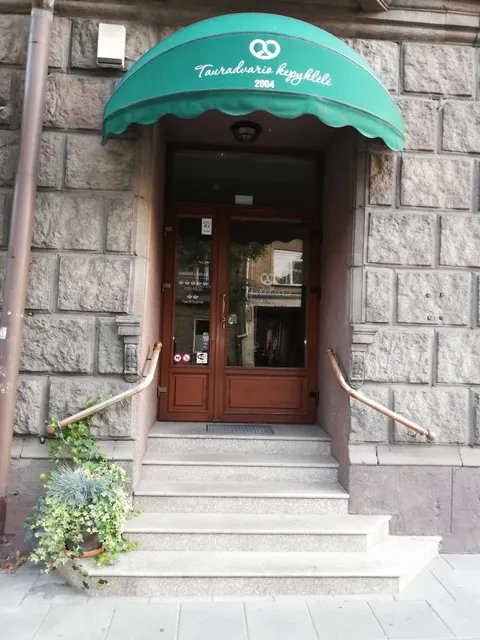
Tauradvaris
4.8
(55)
Click for details
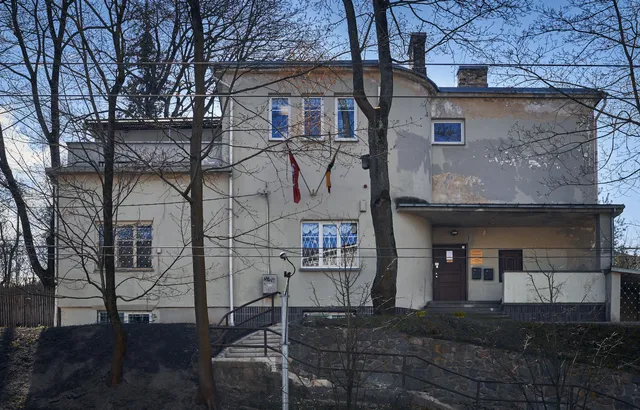
Venclovų namai-muziejus | The Venclova house-museum
4.3
(18)
Click for details