Saint Parasceve Orthodox Church things to do, attractions, restaurants, events info and trip planning
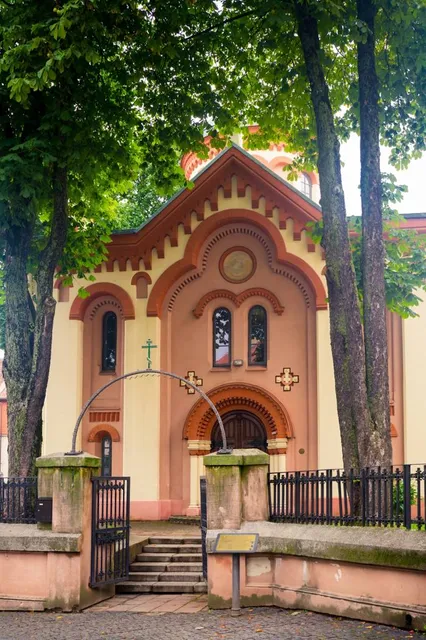
Basic Info
Saint Parasceve Orthodox Church
Didžioji g. 2, Vilnius, 01123 Vilniaus m. sav., Lithuania
4.6(282)
Closed
Save
spot
spot
Ratings & Description
Info
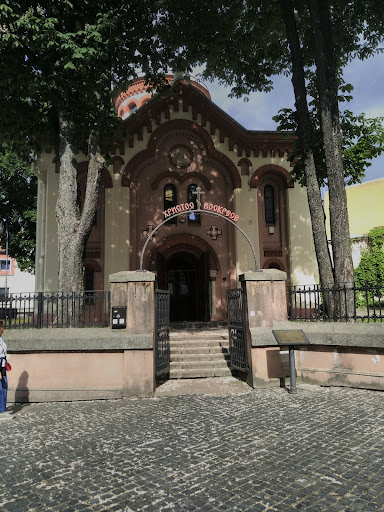
St. Paraskeva Church is the oldest Eastern Orthodox church in Lithuania, located in the capital Vilnius, belonging to the Russian Orthodox Diocese of Lithuania.
Cultural
Scenic
attractions: Vilnius Picture Gallery, Lithuanian National Museum of Art, St. John the Baptist and St. John the Apostle and Evangelist Church, Town Hall Square, Signatories House (The House of Signatories), The Shrine of Divine Mercy, Vilnius University, Orthodox Cathedral of the Theotokos, Šv. Jonų Bažnyčios Varpinė, Vilnius St. Virgin Maria 's Church, restaurants: Čili Pizza, Karčma 1863, El Mercado, Nomads Cocktail Bar, Ertlio Namas, Beigelistai, The Whisky Shop & Bar by Duoklė Angelams, Amatininkų Užeiga, Fish & Ale, Balzac, local businesses: Pilies g. 10, Vilnius Town Hall, Pilies g., Gastrobaras Rūsio Aidai, Pilies Street, Monaster Ducha Świętego w Wilnie, Plus Plus Plus, Cathedral Square, Alumnat papieski, Rabbit Hole Gastro Pub
 Learn more insights from Wanderboat AI.
Open hoursSee all hours
Thu12 - 6 PMClosed
Plan your stay

Pet-friendly Hotels in Vilnius
Find a cozy hotel nearby and make it a full experience.

Affordable Hotels in Vilnius
Find a cozy hotel nearby and make it a full experience.

The Coolest Hotels You Haven't Heard Of (Yet)
Find a cozy hotel nearby and make it a full experience.

Trending Stays Worth the Hype in Vilnius
Find a cozy hotel nearby and make it a full experience.
Reviews
Live events

Discover the secrets of Vilnius Old Town
Sun, Mar 1 • 9:30 AM
01143, Vilnius, Vilnius County, Lithuania
View details

Candlelight: „Coldplay“ ir „Imagine Dragons“
Sat, Feb 28 • 3:30 PM
Gedimino Prospektas 35, Vilnius, 01108
View details

Vilnius Highlights Outdoor Exploration Game
Sat, Jan 31 • 11:00 PM
Gedimino pr. 4, Vilnius, 01103
View details
Nearby attractions of Saint Parasceve Orthodox Church
Vilnius Picture Gallery
Lithuanian National Museum of Art
St. John the Baptist and St. John the Apostle and Evangelist Church
Town Hall Square
Signatories House (The House of Signatories)
The Shrine of Divine Mercy
Vilnius University
Orthodox Cathedral of the Theotokos
Šv. Jonų Bažnyčios Varpinė
Vilnius St. Virgin Maria 's Church
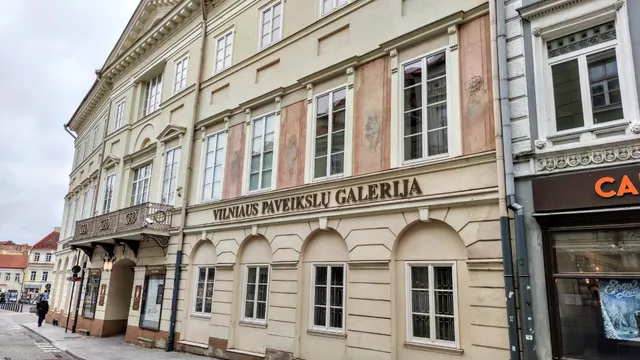
Vilnius Picture Gallery
4.6
(368)
Closed
Click for details

Lithuanian National Museum of Art
4.5
(180)
Closed
Click for details
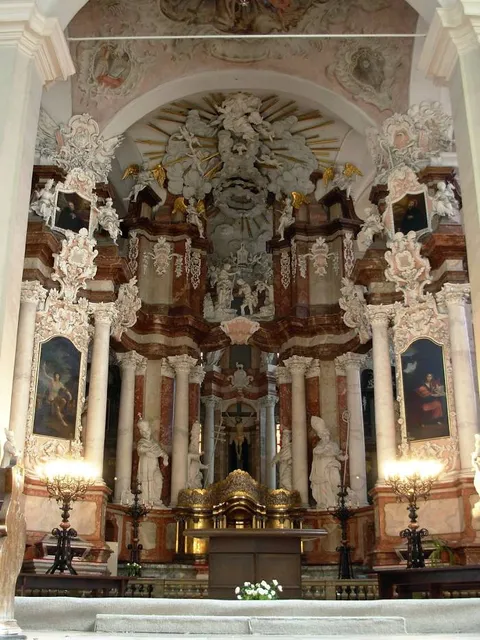
St. John the Baptist and St. John the Apostle and Evangelist Church
4.8
(852)
Closed
Click for details
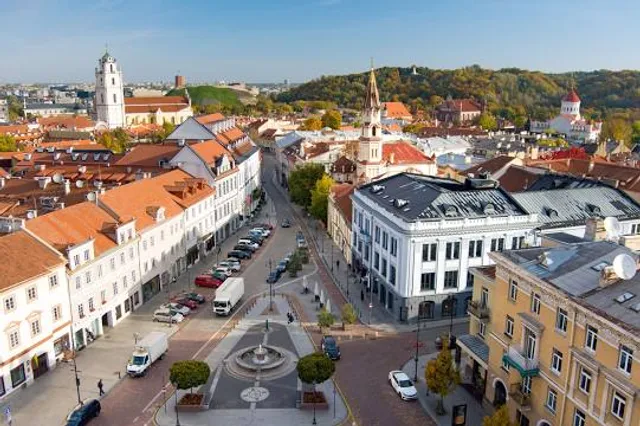
Town Hall Square
4.7
(1.5K)
Open until 12:00 AM
Click for details
Nearby restaurants of Saint Parasceve Orthodox Church
Čili Pizza
Karčma 1863
El Mercado
Nomads Cocktail Bar
Ertlio Namas
Beigelistai
The Whisky Shop & Bar by Duoklė Angelams
Amatininkų Užeiga
Fish & Ale
Balzac
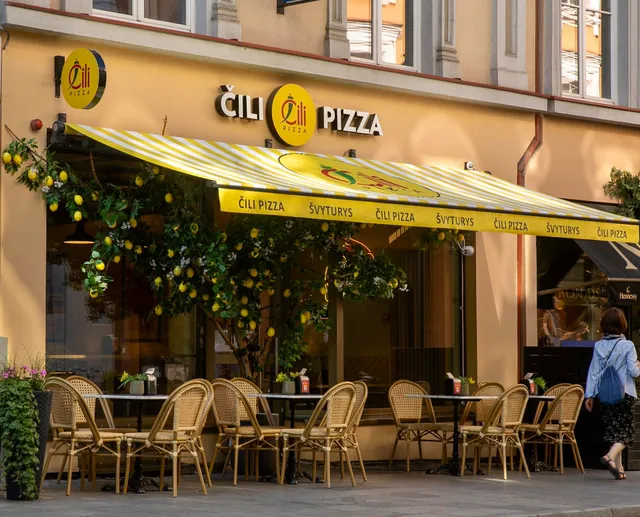
Čili Pizza
3.8
(1.6K)
Closed
Click for details
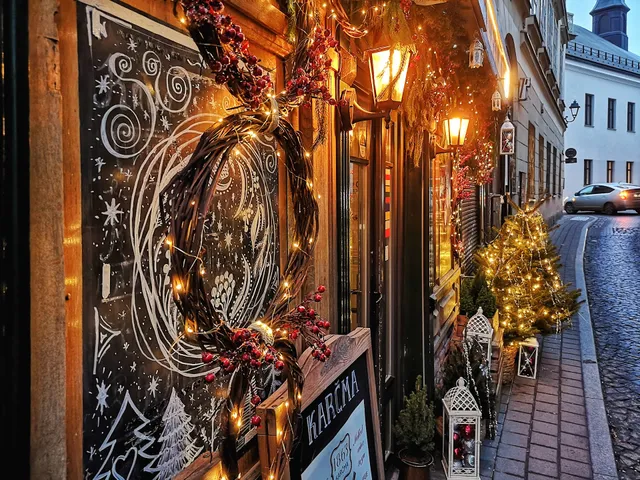
Karčma 1863
4.7
(329)
$$
Closed
Click for details
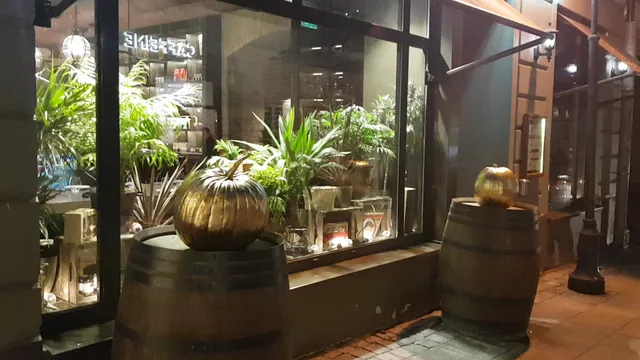
El Mercado
4.3
(668)
$$$
Click for details

Nomads Cocktail Bar
4.7
(330)
Closed
Click for details
Nearby local services of Saint Parasceve Orthodox Church
Pilies g. 10
Vilnius Town Hall
Pilies g.
Gastrobaras Rūsio Aidai
Pilies Street
Monaster Ducha Świętego w Wilnie
Plus Plus Plus
Cathedral Square
Alumnat papieski
Rabbit Hole Gastro Pub
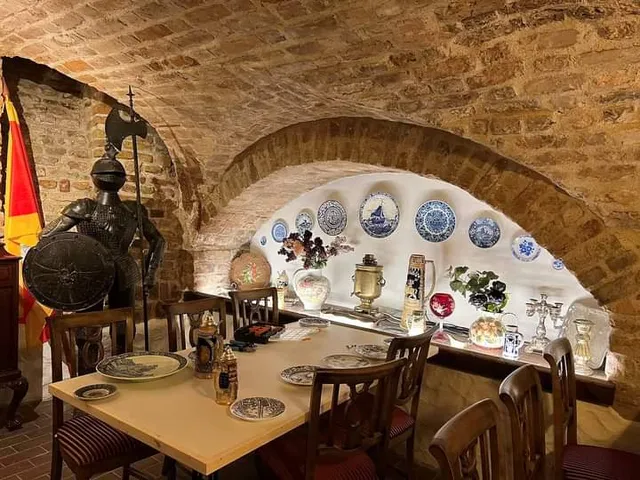
Pilies g. 10
4.4
(885)
Click for details

Vilnius Town Hall
4.7
(441)
Click for details
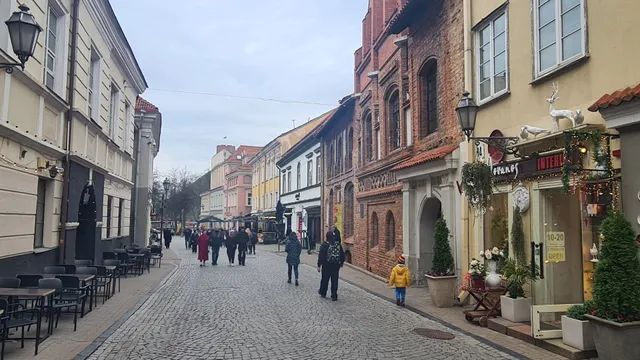
Pilies g.
4.7
(101)
Click for details
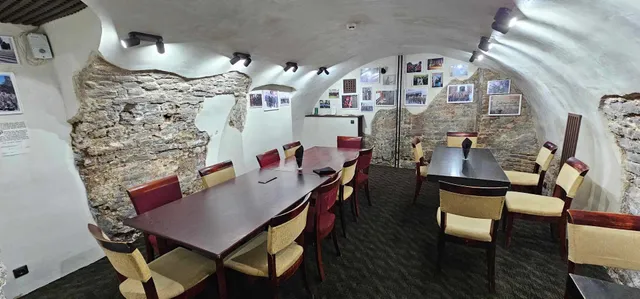
Gastrobaras Rūsio Aidai
4.7
(36)
Click for details