Fort Cornwallis things to do, attractions, restaurants, events info and trip planning
Basic Info
Fort Cornwallis
4, Jalan Tun Syed Sheh Barakbah, George Town, 10200 George Town, Pulau Pinang, Malaysia
3.5(2K)
Open 24 hours
Save
spot
spot
Ratings & Description
Info
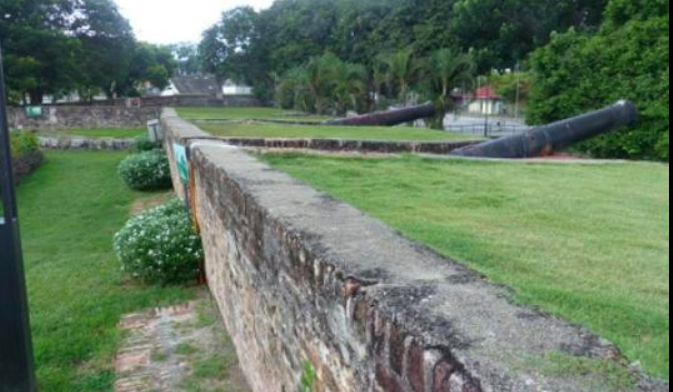
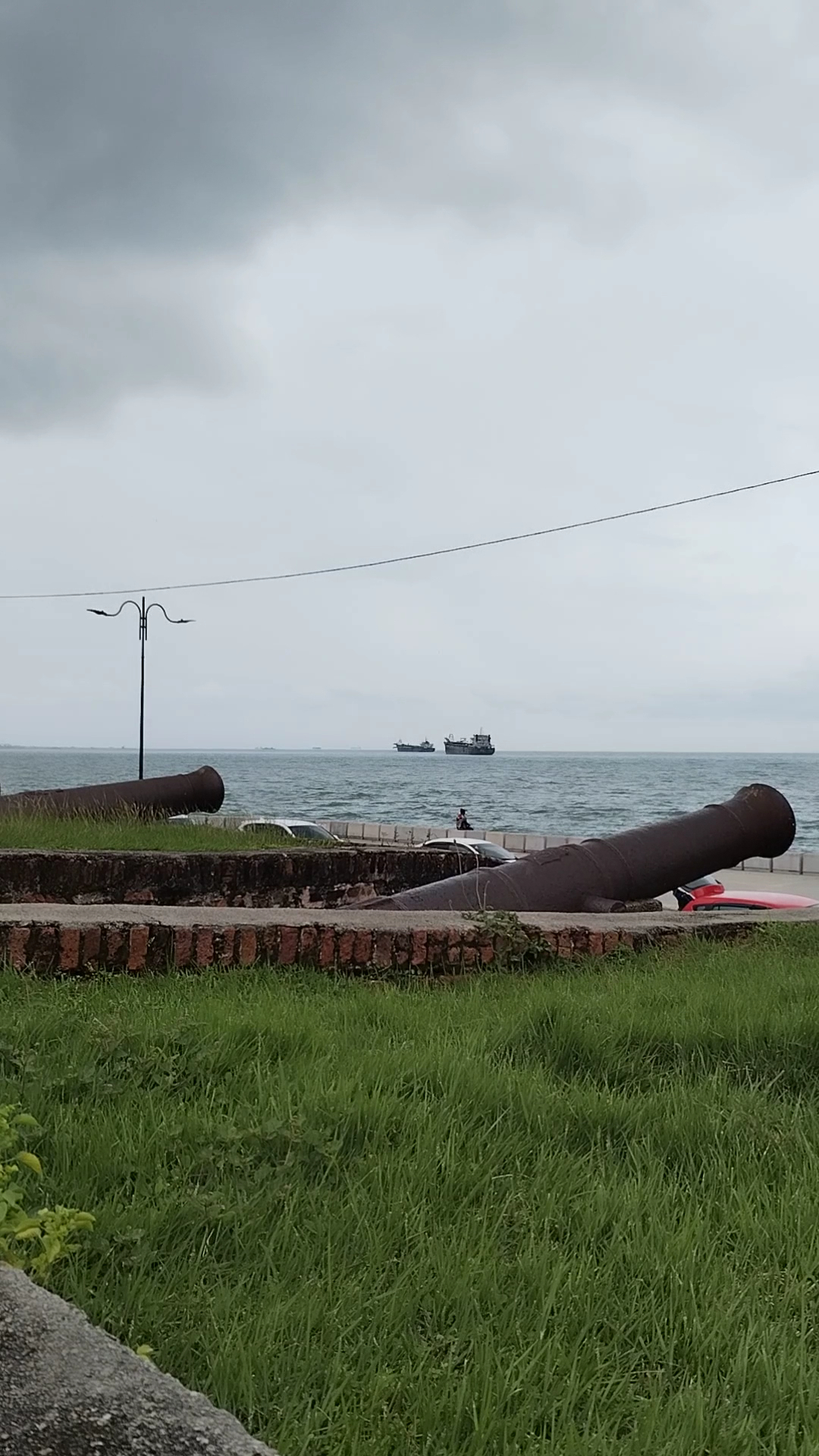
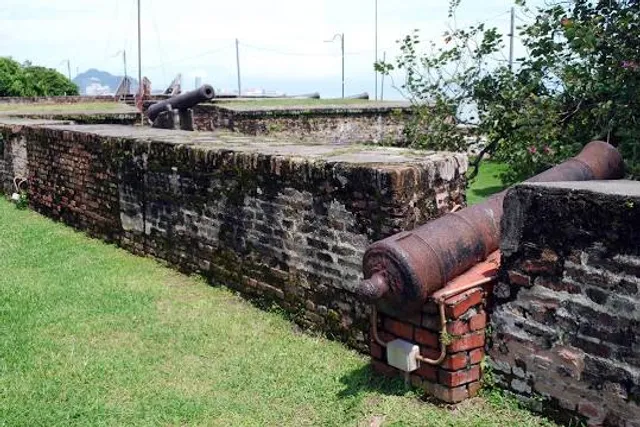
Fort Cornwallis is a bastion fort in George Town, Penang, Malaysia, built by the British East India Company in the late 18th century. Named after the then Lieutenant-General The 2nd Earl Cornwallis, the Governor-General of Bengal at the time of the fort's construction, it is the largest standing fort in Malaysia.
Cultural
Outdoor
Family friendly
attractions: Queen Victoria Memorial Clock Tower, Esplanade, Fort Cornwallis Lighthouse, Penang 3D Trick Art Museum, Pinang Peranakan Mansion, Penang Little India, The Whiteaways Arcade, Wonder Food Museum, Penang Town Hall, The House of Yeap Chor Ee, restaurants: Kota Dine & Coffee - when Francis meets rempah, Esplanade Park Food Court, Kareem Pasembur Rojak, Constant Gardener Coffee, Auntie Gaik Lean's Old School Eatery, Two Frenchies Cafe Bistro, Sri Weld Food Court, Urban Daybreak Cafe @ George Town, JOJA Bagels, Via Pre Penang Italian Restaurant, local businesses: Penang City Hall, Nyonya Portrait Photography, Penang Heritage Trust, Catering Penang DotCom, Botanical Garden Penang, Temple Kuan Yin Teng, Penang Global Tourism, Penang State Museum, Heritage on a Plate - Food Tours in George Town, Penang, Penang State Art Gallery
 Learn more insights from Wanderboat AI.
Phone
+60 16-411 0000
Website
mypenang.gov.my
Plan your stay

Pet-friendly Hotels in George Town
Find a cozy hotel nearby and make it a full experience.

Affordable Hotels in George Town
Find a cozy hotel nearby and make it a full experience.

The Coolest Hotels You Haven't Heard Of (Yet)
Find a cozy hotel nearby and make it a full experience.

Trending Stays Worth the Hype in George Town
Find a cozy hotel nearby and make it a full experience.
Reviews
Live events
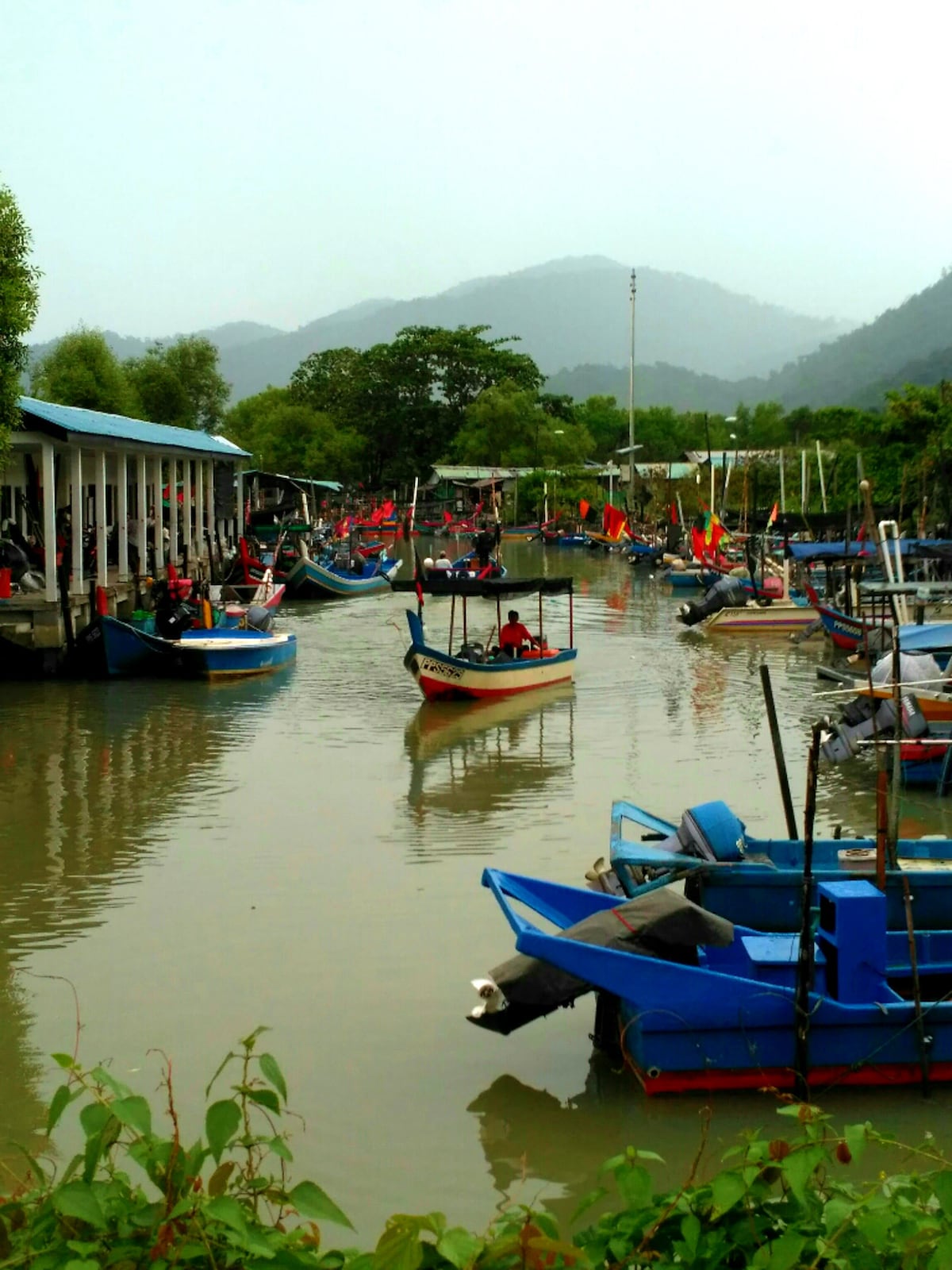
Biking through Malay countryside
Sat, Feb 28 • 7:00 AM
10200, George Town, Penang, Malaysia
View details
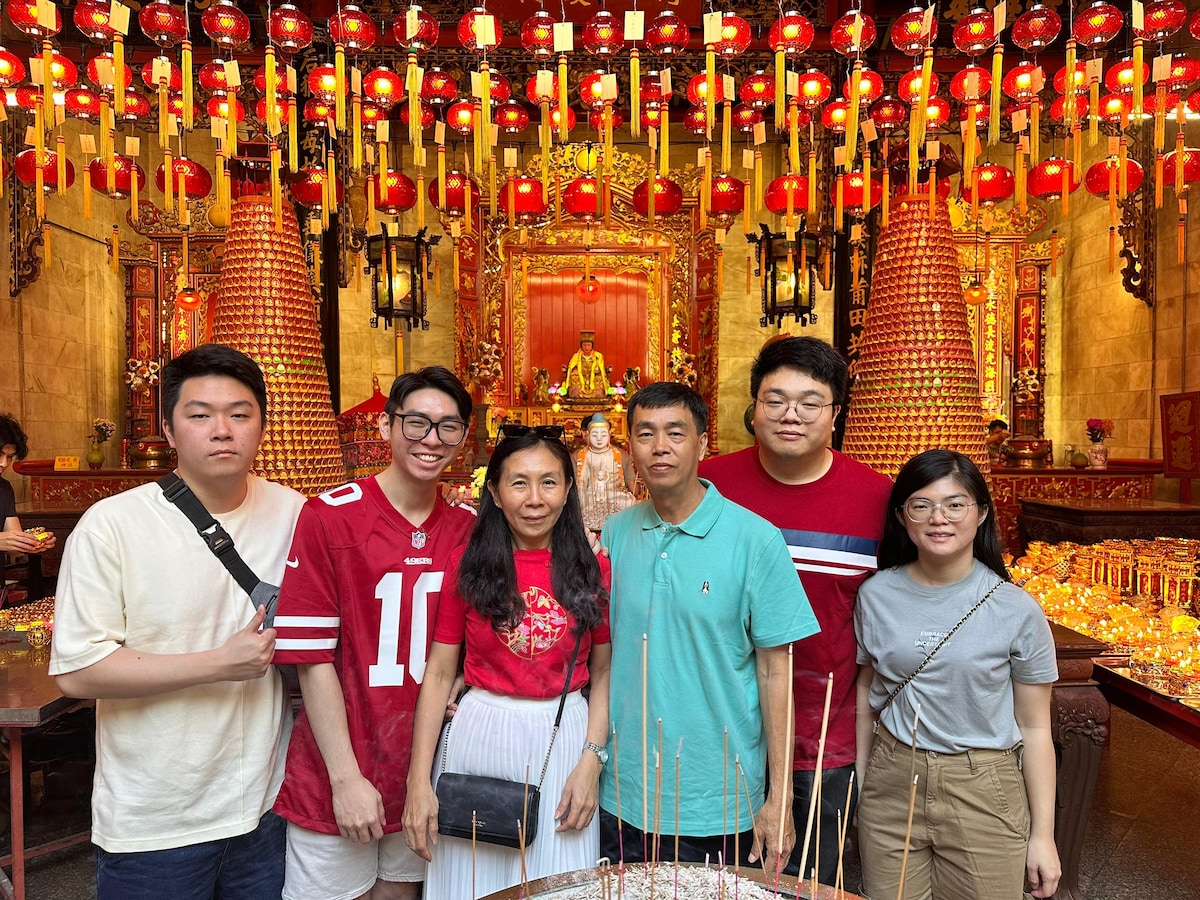
Taste Penangs afternoon street foods
Fri, Feb 27 • 3:30 PM
10450, George Town, Penang, Malaysia
View details
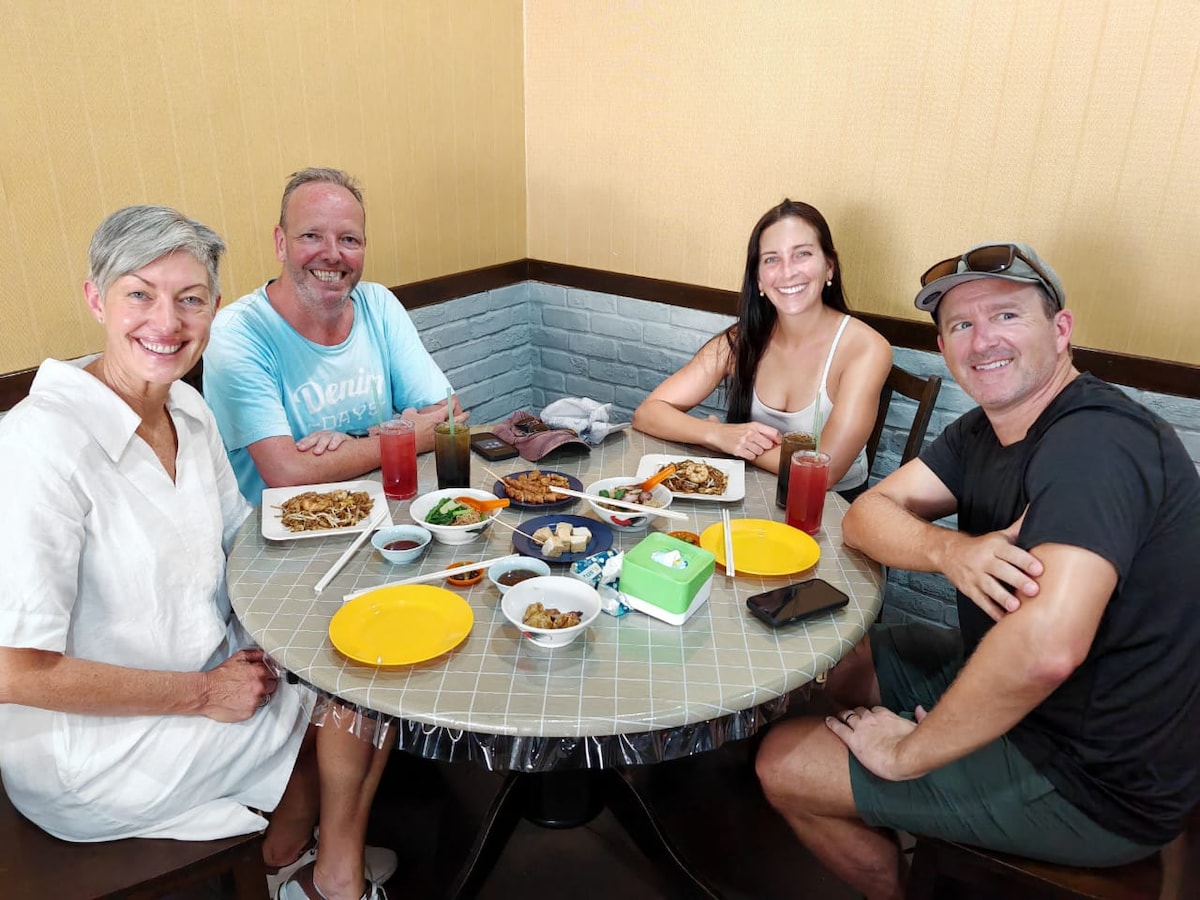
Sample Morning Street Foods and Drinks
Sun, Mar 1 • 9:00 AM
10000, George Town, Penang, Malaysia
View details
Nearby attractions of Fort Cornwallis
Queen Victoria Memorial Clock Tower
Esplanade
Fort Cornwallis Lighthouse
Penang 3D Trick Art Museum
Pinang Peranakan Mansion
Penang Little India
The Whiteaways Arcade
Wonder Food Museum
Penang Town Hall
The House of Yeap Chor Ee
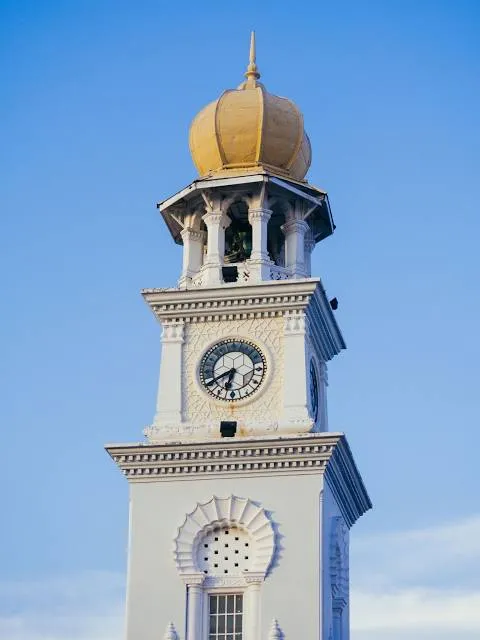
Queen Victoria Memorial Clock Tower
4.2
(690)
Open 24 hours
Click for details

Esplanade
4.3
(6.3K)
Open until 12:00 AM
Click for details

Fort Cornwallis Lighthouse
3.7
(53)
Closed
Click for details
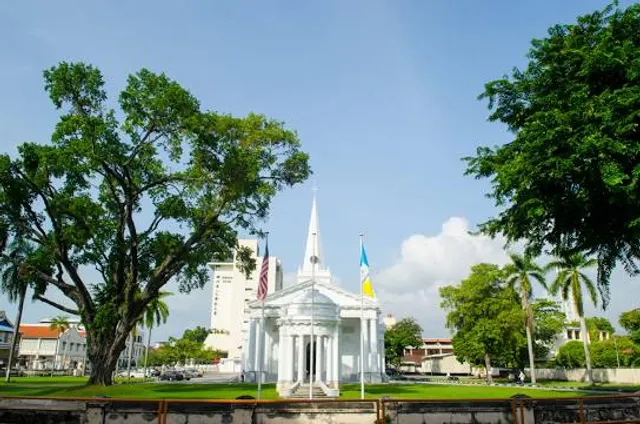
Penang 3D Trick Art Museum
4.3
(2K)
Closed
Click for details
Nearby restaurants of Fort Cornwallis
Kota Dine & Coffee - when Francis meets rempah
Esplanade Park Food Court
Kareem Pasembur Rojak
Constant Gardener Coffee
Auntie Gaik Lean's Old School Eatery
Two Frenchies Cafe Bistro
Sri Weld Food Court
Urban Daybreak Cafe @ George Town
JOJA Bagels
Via Pre Penang Italian Restaurant
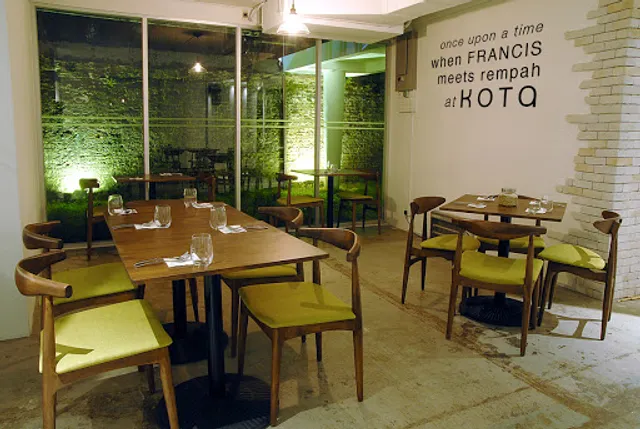
Kota Dine & Coffee - when Francis meets rempah
4.1
(298)
Open until 10:00 PM
Click for details
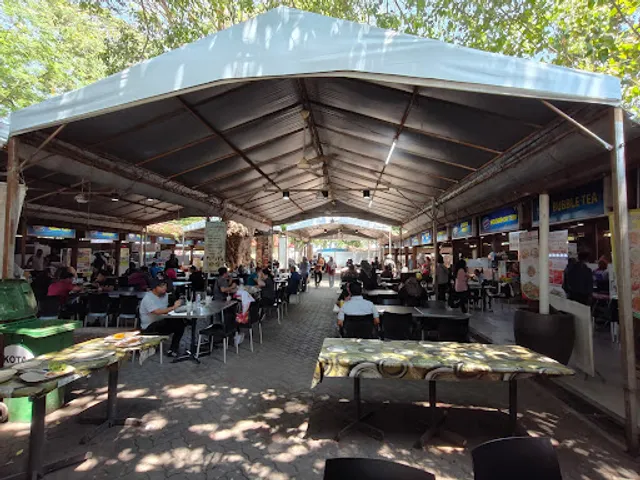
Esplanade Park Food Court
4.0
(413)
Open until 8:00 PM
Click for details
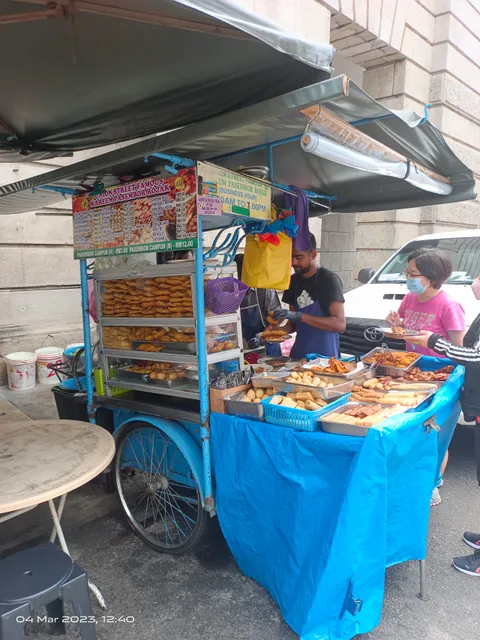
Kareem Pasembur Rojak
4.2
(413)
Open until 7:00 PM
Click for details
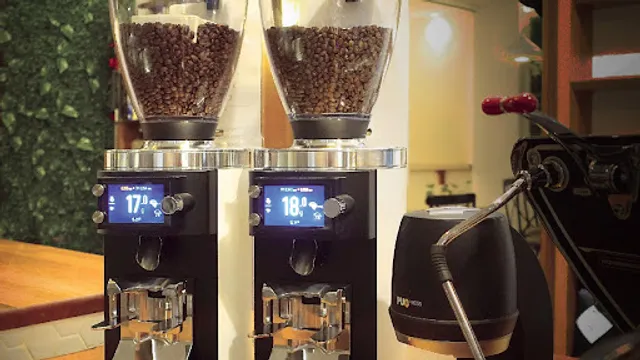
Constant Gardener Coffee
4.5
(510)
Open until 10:30 PM
Click for details
Nearby local services of Fort Cornwallis
Penang City Hall
Nyonya Portrait Photography
Penang Heritage Trust
Catering Penang DotCom
Botanical Garden Penang
Temple Kuan Yin Teng
Penang Global Tourism
Penang State Museum
Heritage on a Plate - Food Tours in George Town, Penang
Penang State Art Gallery
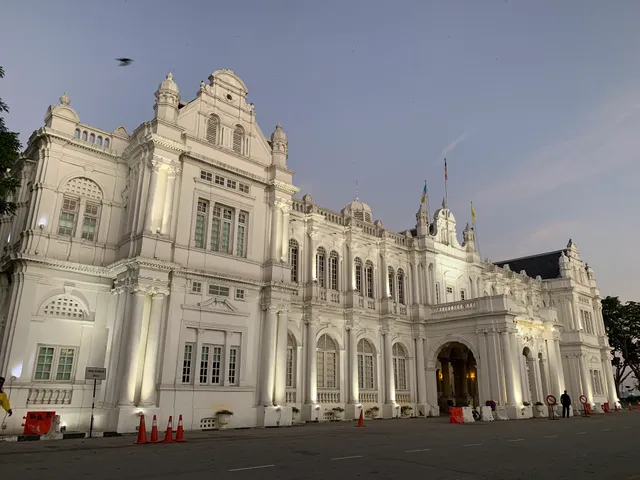
Penang City Hall
4.3
(148)
Click for details
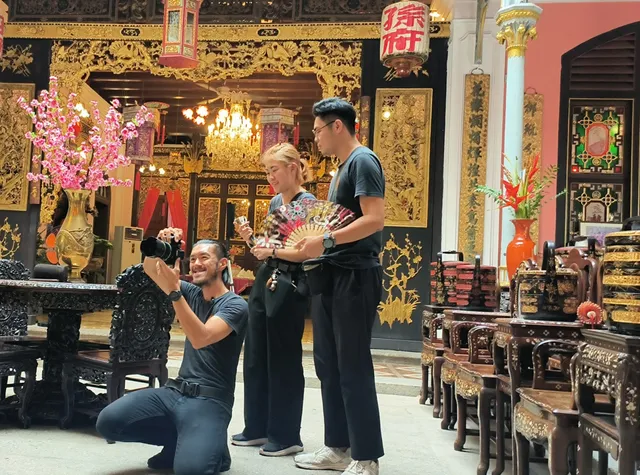
Nyonya Portrait Photography
4.8
(89)
Click for details
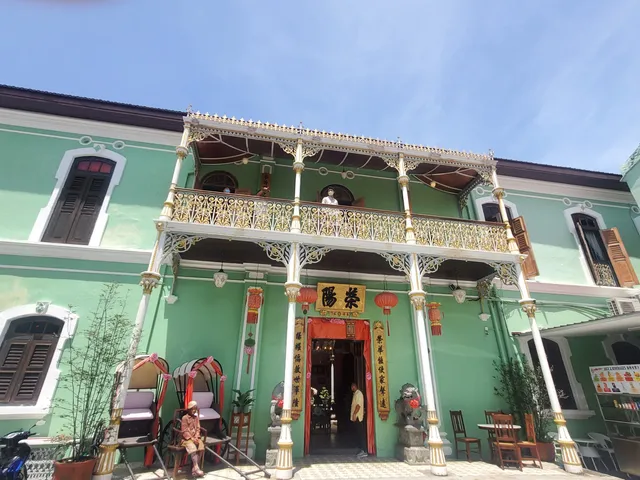
Penang Heritage Trust
4.5
(57)
Click for details
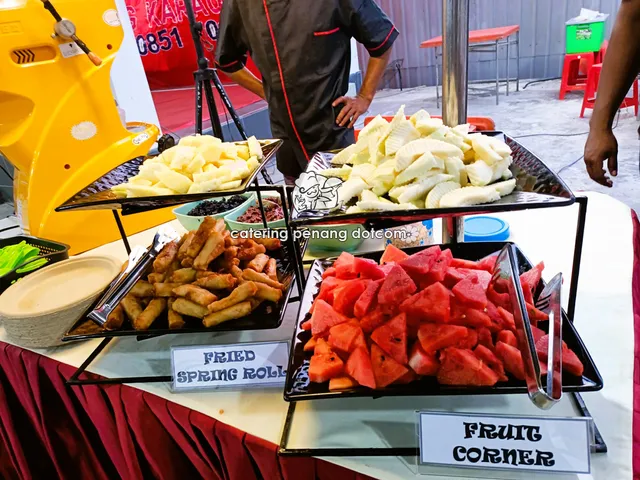
Catering Penang DotCom
4.6
(18)
Click for details