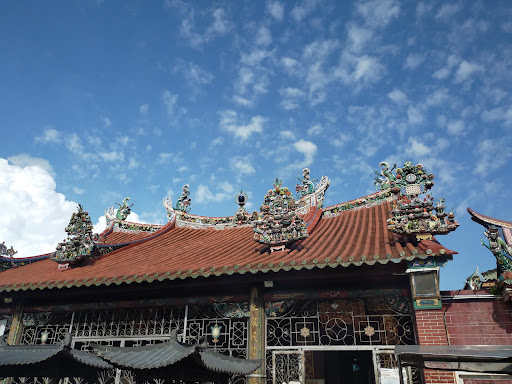
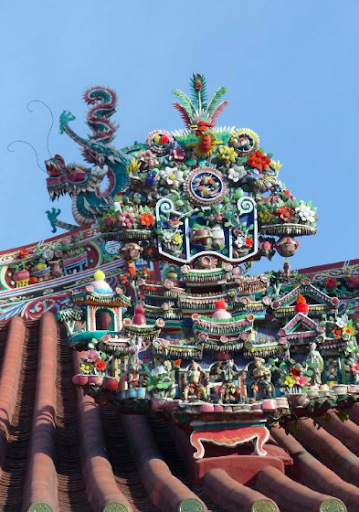
Goddess Of Mercy Temple things to do, attractions, restaurants, events info and trip planning
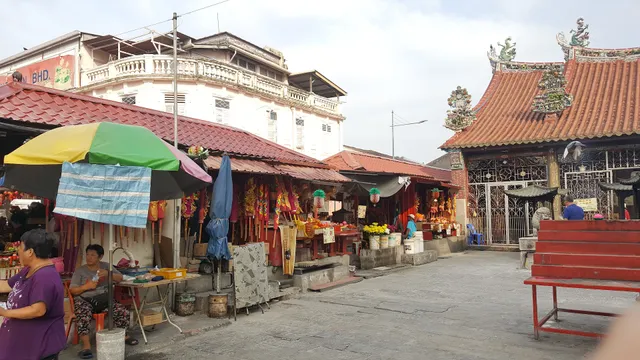
Basic Info
Goddess Of Mercy Temple
30, Jln Masjid Kapitan Keling, George Town, 10200 George Town, Pulau Pinang, Malaysia
4.5(1.2K)
Open until 7:00 PM
Save
spot
spot
Ratings & Description
Info
Cultural
Scenic
attractions: Georgetown UNESCO Historic Site, Penang Little India, Kapitan Keling Mosque, Kuan Yin Temple 1880, Pinang Peranakan Mansion, St. George's Anglican Church, Penang, Malaysia, Sri Mahamariamman Temple., Wonder Food Museum, Penang 3D Trick Art Museum, Penang Street Art, restaurants: The Alley, 5 Stewart Lane, Firewood Penang, D'Sakra - Finest Indian Restaurant In The City, Bean Sprout Café, Annachi Bamboo Masalla Briyani, Restoran Tajuddin Hussain, Kebaya Dining Room, Tea Kadai HQ, Restoran Kapitan (Chulia Street), FIVELEAF PRESTIGE George Town, local businesses: Temple Kuan Yin Teng, Penang State Museum, Love Ln, Queen Street (Lebuh Queen /குயின் தெரு), Han Jiang Ancestral Temple, Heritage on a Plate - Food Tours in George Town, Penang, Penang State Art Gallery, Lbh Chulia, Nyonya Portrait Photography, Penang Teochew Association (Persatuan Teochew Pulau Pinang/பினாங்கு தியோச் சங்கம்/槟城潮州公会)
 Learn more insights from Wanderboat AI.
Phone
+60 4-226 2645
Website
facebook.com
Open hoursSee all hours
Mon7 AM - 7 PMOpen
Plan your stay

Pet-friendly Hotels in George Town
Find a cozy hotel nearby and make it a full experience.

Affordable Hotels in George Town
Find a cozy hotel nearby and make it a full experience.

The Coolest Hotels You Haven't Heard Of (Yet)
Find a cozy hotel nearby and make it a full experience.

Trending Stays Worth the Hype in George Town
Find a cozy hotel nearby and make it a full experience.
Reviews
Live events
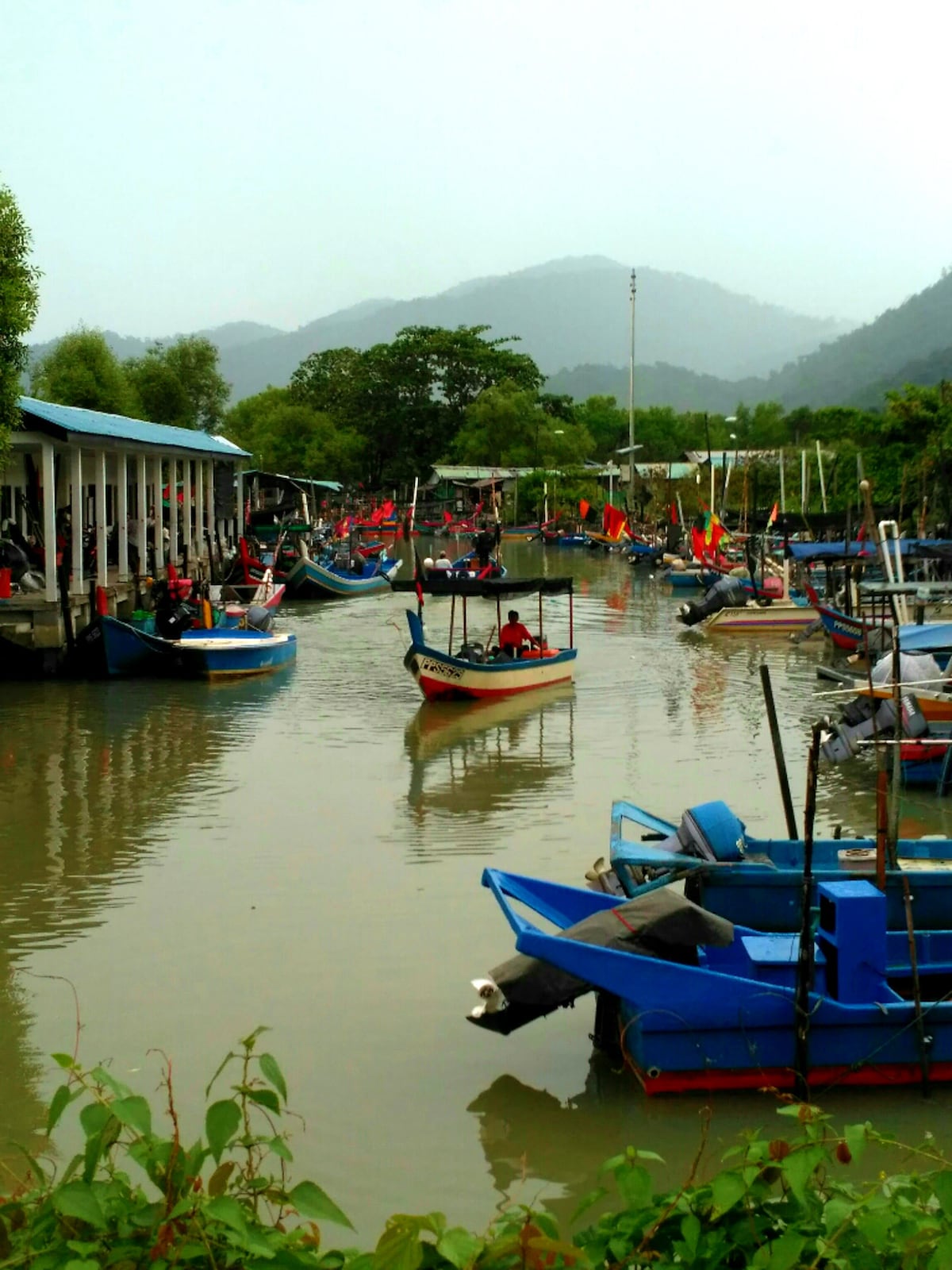
Biking through Malay countryside
Tue, Feb 24 • 7:00 AM
10200, George Town, Penang, Malaysia
View details
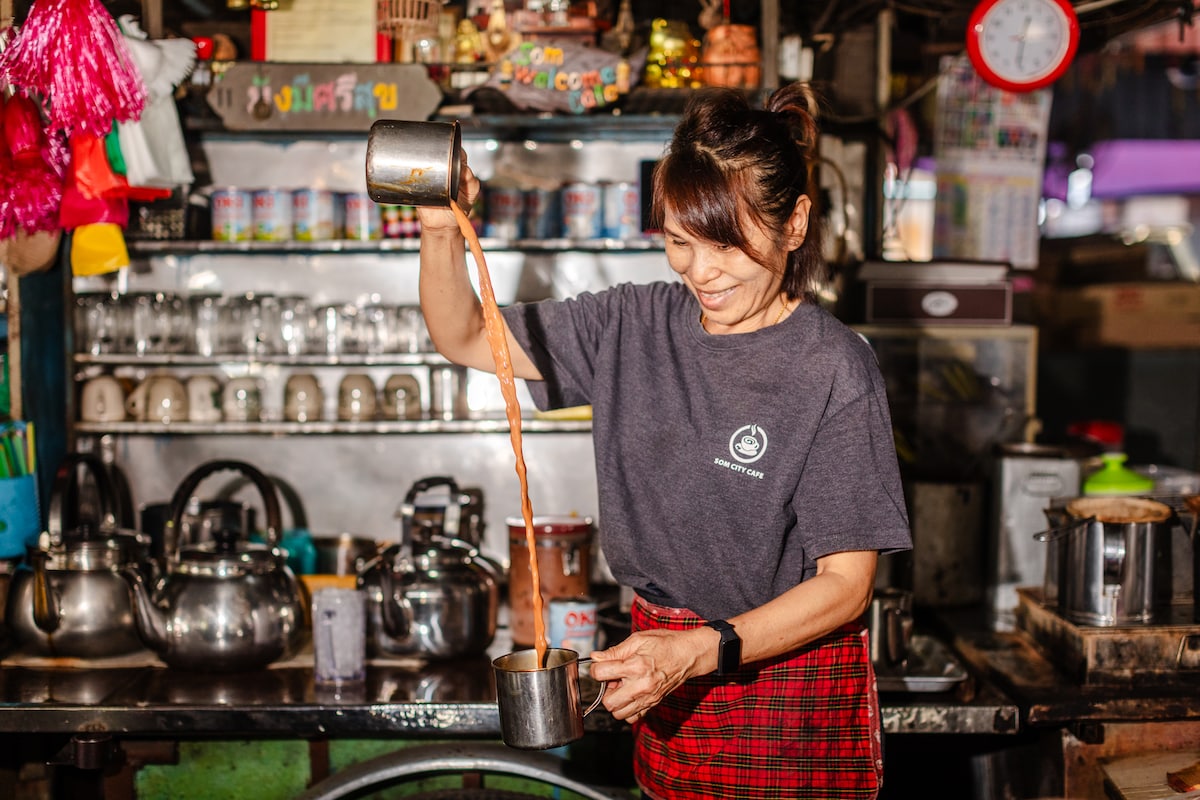
Good Morning Penang Food Tour with 15-plus tasting
Tue, Feb 24 • 10:00 AM
10050, George Town, Penang, Malaysia
View details
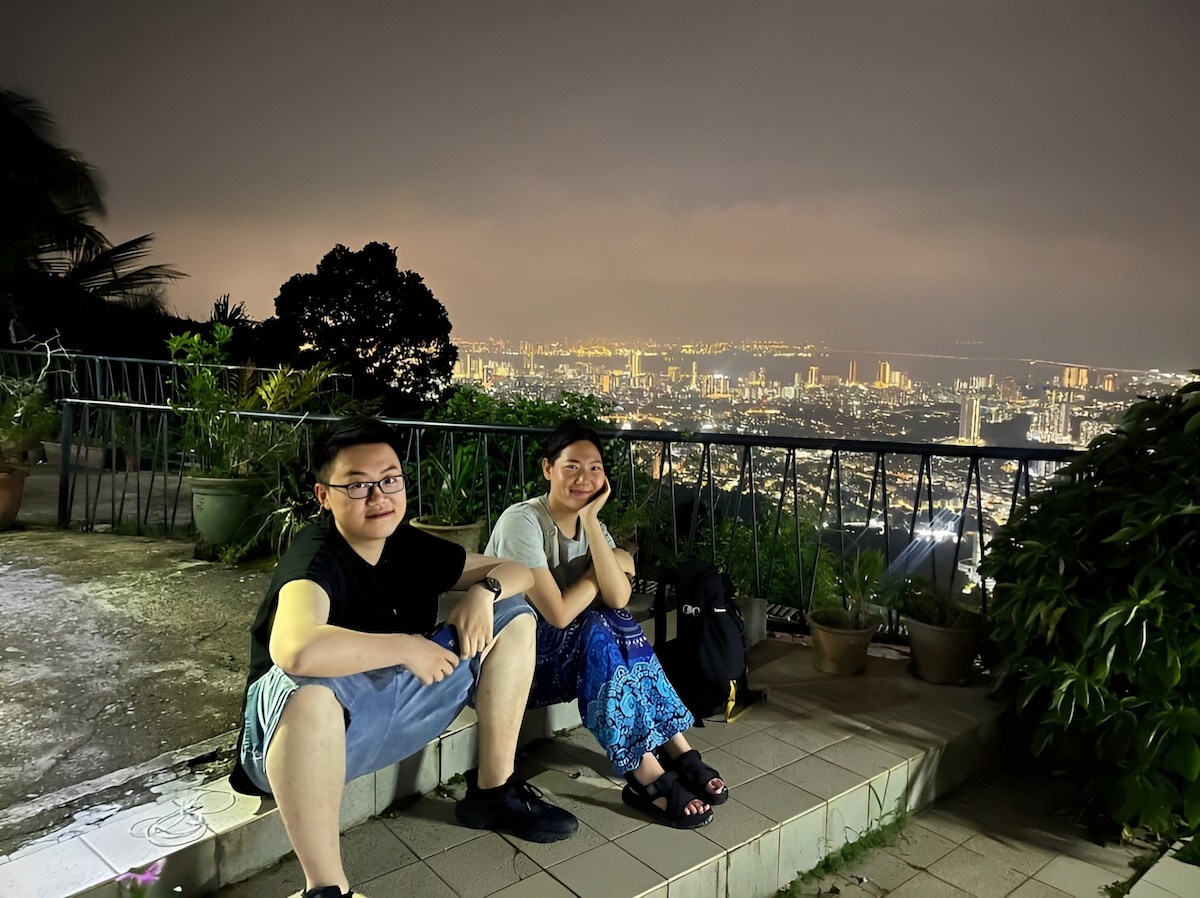
Penang Hill Hike & Night View
Mon, Feb 23 • 7:45 PM
11500, Bukit Bendera, Penang, Malaysia
View details
Nearby attractions of Goddess Of Mercy Temple
Georgetown UNESCO Historic Site
Penang Little India
Kapitan Keling Mosque
Kuan Yin Temple 1880
Pinang Peranakan Mansion
St. George's Anglican Church, Penang, Malaysia
Sri Mahamariamman Temple.
Wonder Food Museum
Penang 3D Trick Art Museum
Penang Street Art
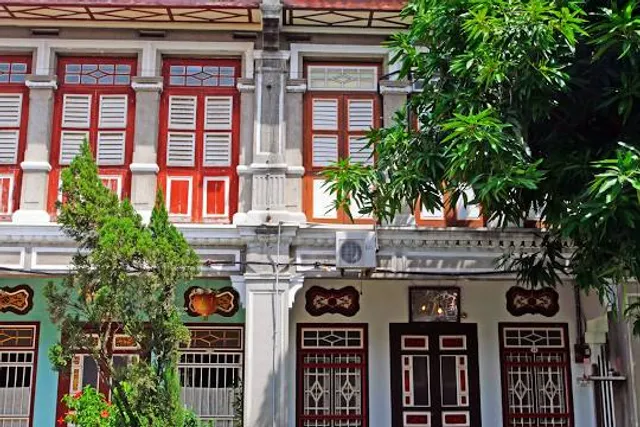
Georgetown UNESCO Historic Site
4.4
(4.1K)
Closed
Click for details
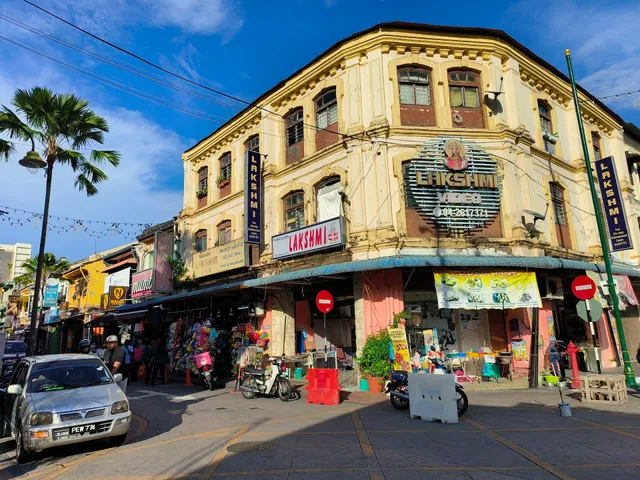
Penang Little India
4.3
(6.4K)
Open until 8:30 PM
Click for details
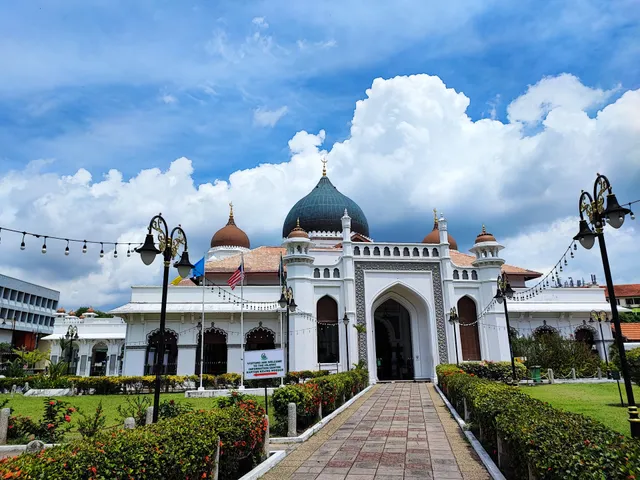
Kapitan Keling Mosque
4.6
(1.6K)
Open until 10:00 PM
Click for details
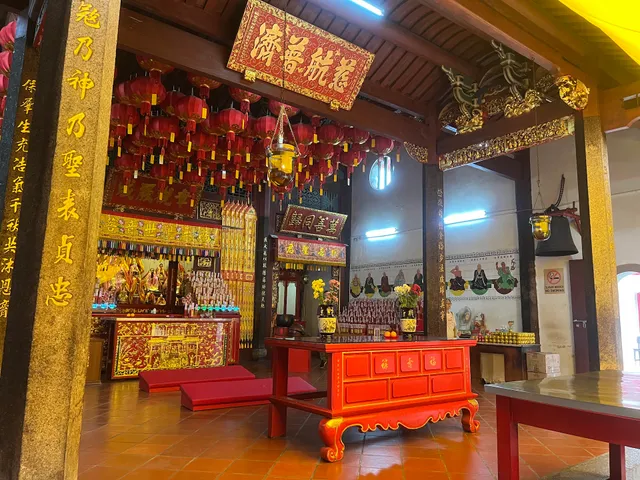
Kuan Yin Temple 1880
4.7
(68)
Open until 7:00 PM
Click for details
Nearby restaurants of Goddess Of Mercy Temple
The Alley, 5 Stewart Lane
Firewood Penang
D'Sakra - Finest Indian Restaurant In The City
Bean Sprout Café
Annachi Bamboo Masalla Briyani
Restoran Tajuddin Hussain
Kebaya Dining Room
Tea Kadai HQ
Restoran Kapitan (Chulia Street)
FIVELEAF PRESTIGE George Town
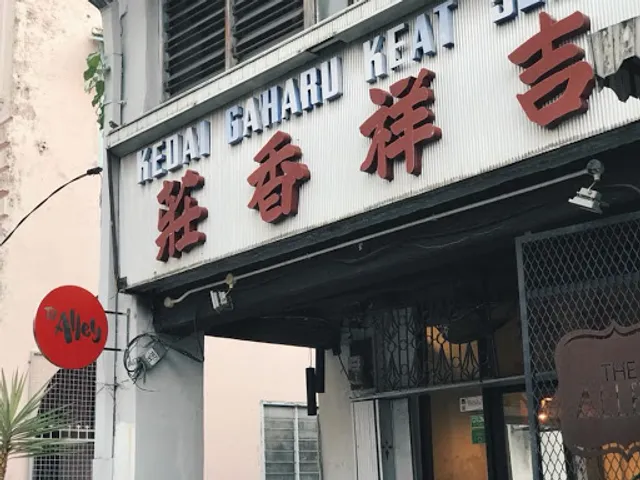
The Alley, 5 Stewart Lane
4.8
(1.0K)
Open until 6:00 PM
Click for details
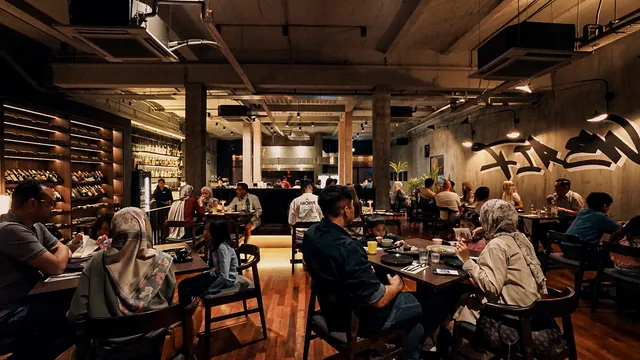
Firewood Penang
4.9
(1.4K)
$$$
Open until 12:00 AM
Click for details
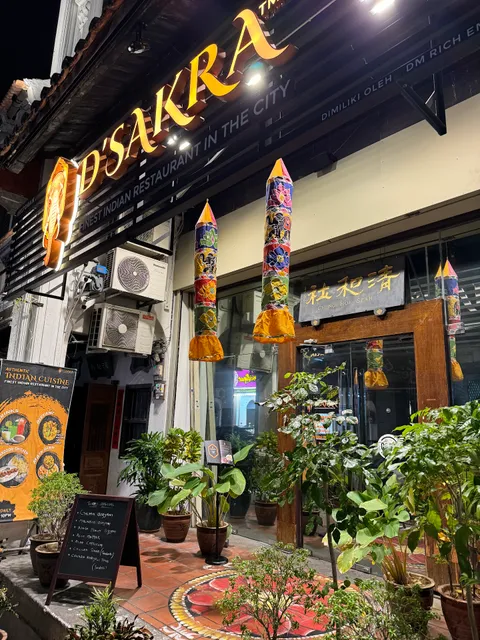
D'Sakra - Finest Indian Restaurant In The City
4.7
(1.9K)
Open until 10:00 PM
Click for details
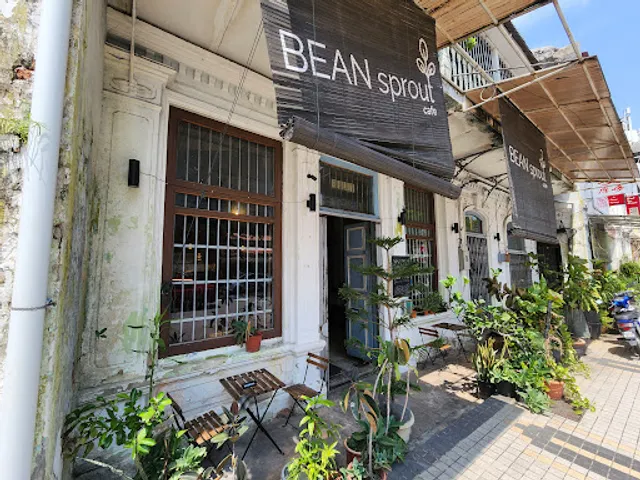
Bean Sprout Café
4.4
(296)
Open until 5:00 PM
Click for details
Nearby local services of Goddess Of Mercy Temple
Temple Kuan Yin Teng
Penang State Museum
Love Ln
Queen Street (Lebuh Queen /குயின் தெரு)
Han Jiang Ancestral Temple
Heritage on a Plate - Food Tours in George Town, Penang
Penang State Art Gallery
Lbh Chulia
Nyonya Portrait Photography
Penang Teochew Association (Persatuan Teochew Pulau Pinang/பினாங்கு தியோச் சங்கம்/槟城潮州公会)
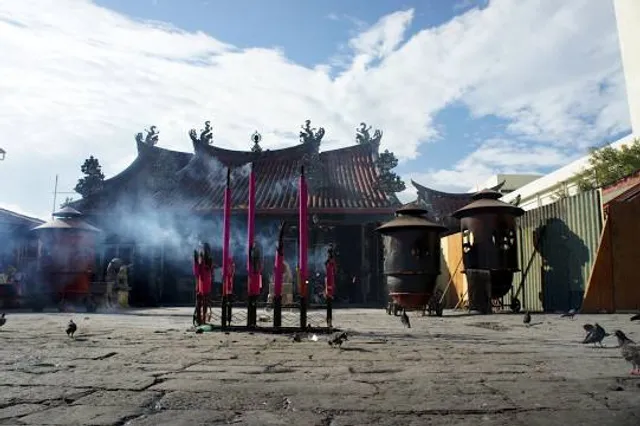
Temple Kuan Yin Teng
4.5
(995)
Click for details
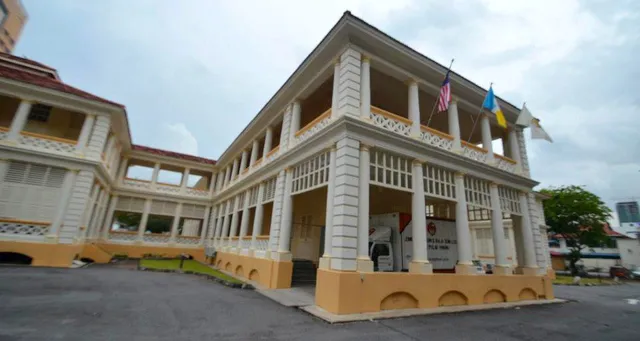
Penang State Museum
3.7
(197)
Click for details
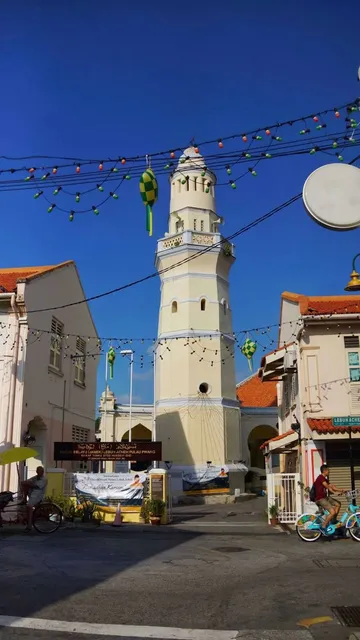
Love Ln
4.6
(113)
Click for details
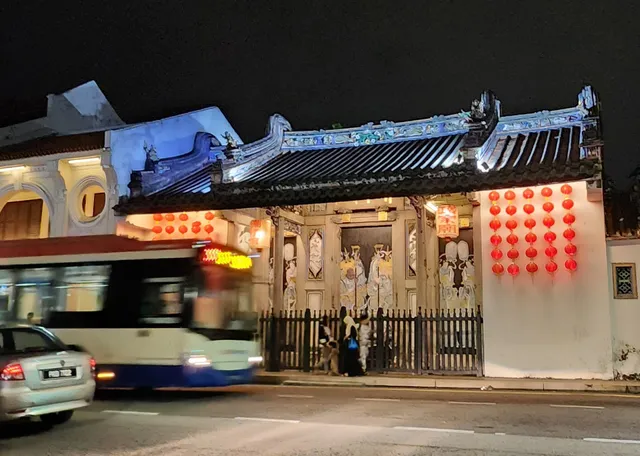
Queen Street (Lebuh Queen /குயின் தெரு)
4.8
(13)
Click for details