National Museum of Fine Arts of Moldova things to do, attractions, restaurants, events info and trip planning
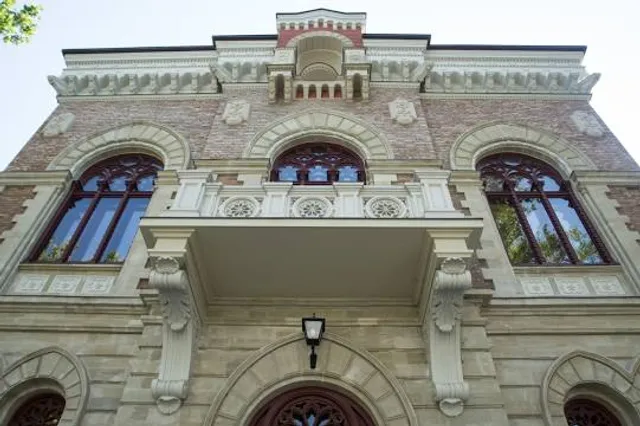
Basic Info
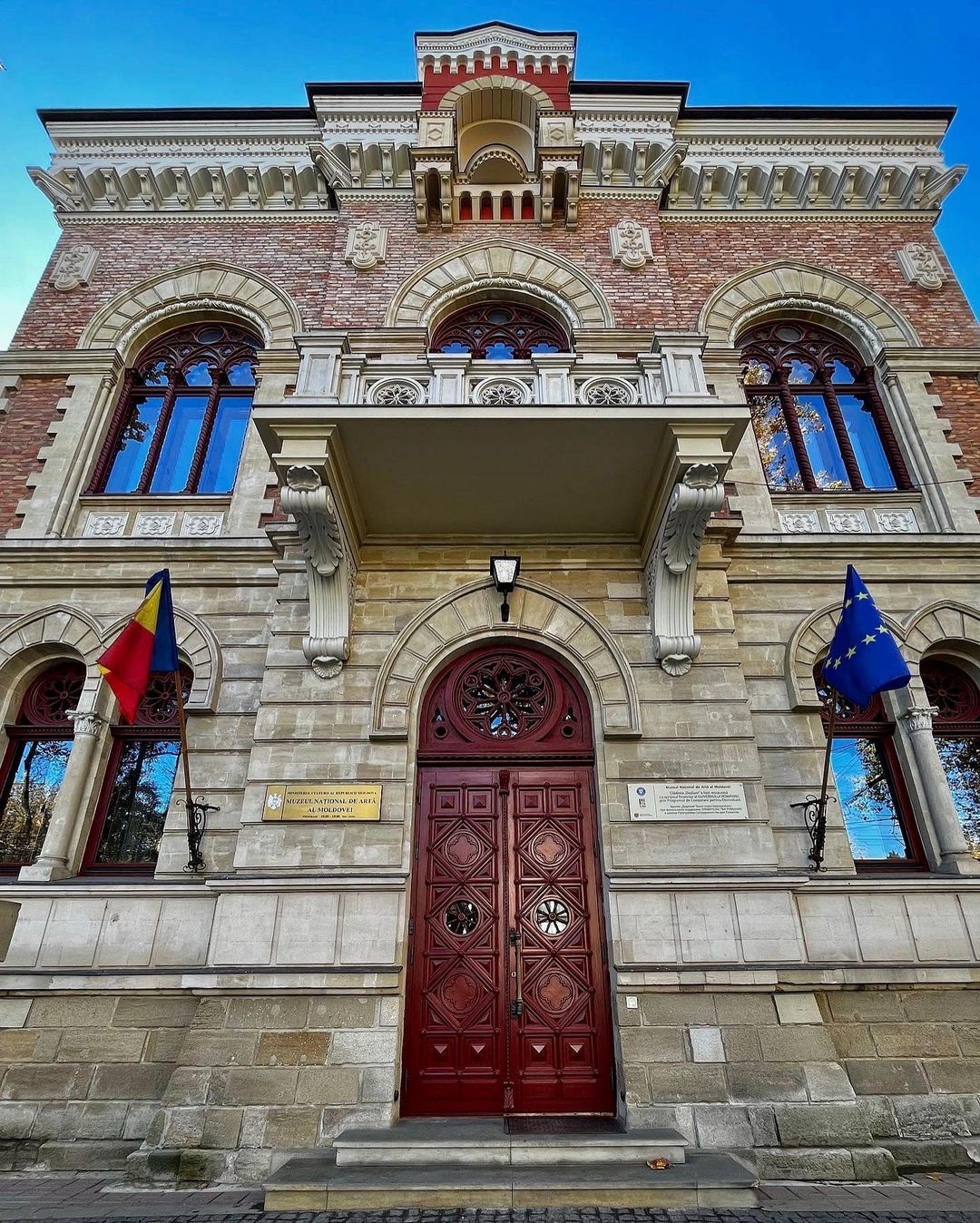
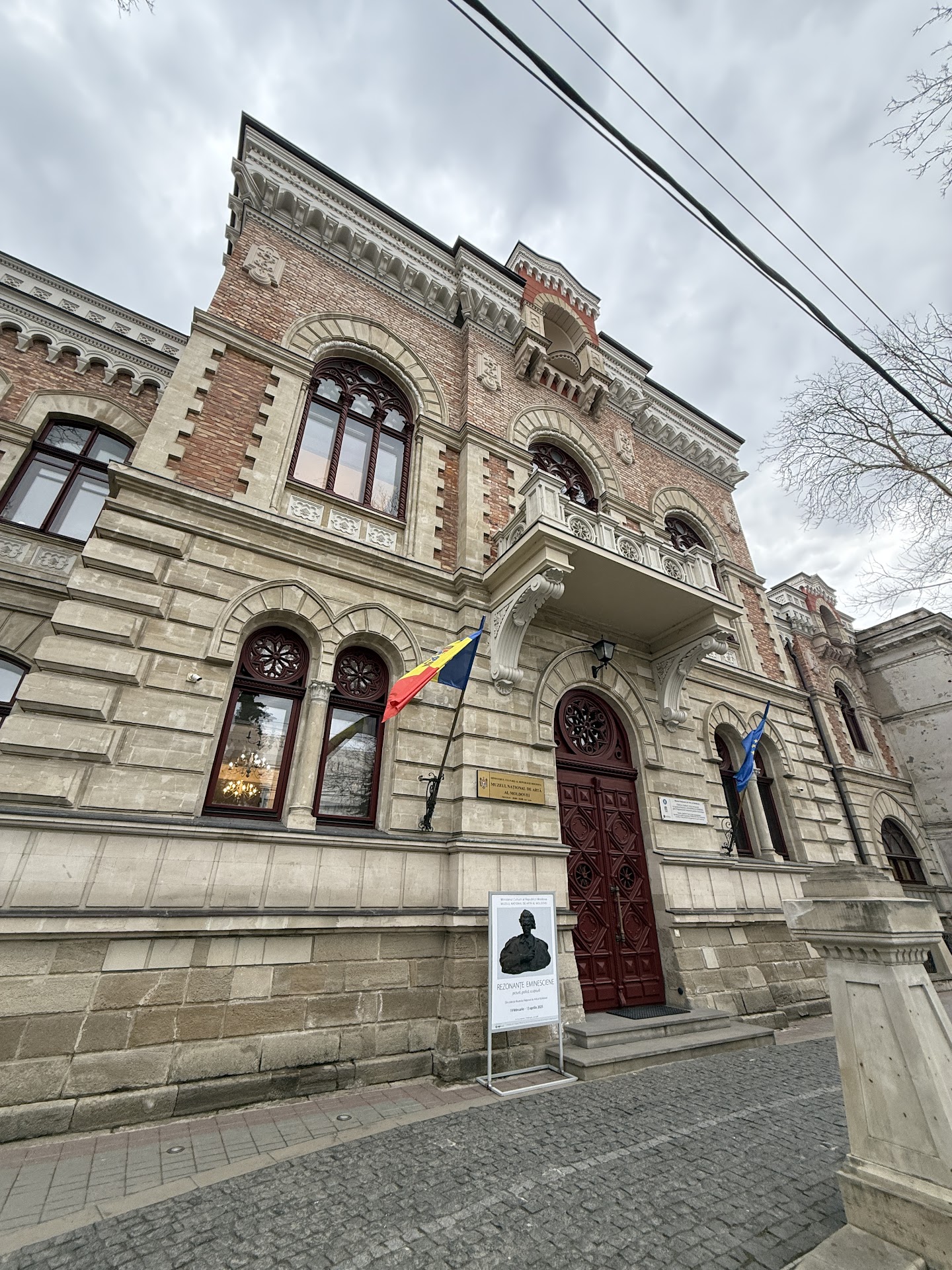
National Museum of Fine Arts of Moldova
31 August 1989 St 115, Chișinău, Moldova
4.7(643)
Open until 6:00 PM

tickets
Save
spot
spot
Ratings & Description
Info
Cultural
Family friendly
Accessibility
attractions: National History Museum of Moldova, The Triumphal Arch, Stephen the Great Central Park, Saint Pantaleon Orthodox Church, Stephen the Great Monument, Arhitect Șciusev Museum, Metropolitan Cathedral of Christ's Nativity, Alley of Classics, National Museum of Ethnography and Natural History, I Love Chișinău, restaurants: Taifas, Coffee Monkey, Vino Pizza & Wine, Kozlovna Česká pivní restaurace, LUME Neobistro, Little Napoli, Divus Restaurant, Sumo, Sincer Café, Sisters Restaurant & Bar & Cafe, local businesses: Saint Theodora of Sihla Romanian Orthodox Cathedral, Alexander Pushkin Statue, Valea Morilor Park, Muzeul de Istorie al Orașului Chișinău, Sovada Tur, Cathedral of Divine Providence, Transfiguration of the Savior Orthodox Church
 Learn more insights from Wanderboat AI.
Phone
+373 22 241 312
Website
mnam.md
Open hoursSee all hours
Wed10 AM - 6 PMOpen
Plan your stay

Pet-friendly Hotels in Buiucani Sector
Find a cozy hotel nearby and make it a full experience.

Affordable Hotels in Buiucani Sector
Find a cozy hotel nearby and make it a full experience.

The Coolest Hotels You Haven't Heard Of (Yet)
Find a cozy hotel nearby and make it a full experience.

Trending Stays Worth the Hype in Buiucani Sector
Find a cozy hotel nearby and make it a full experience.
Reviews
Live events
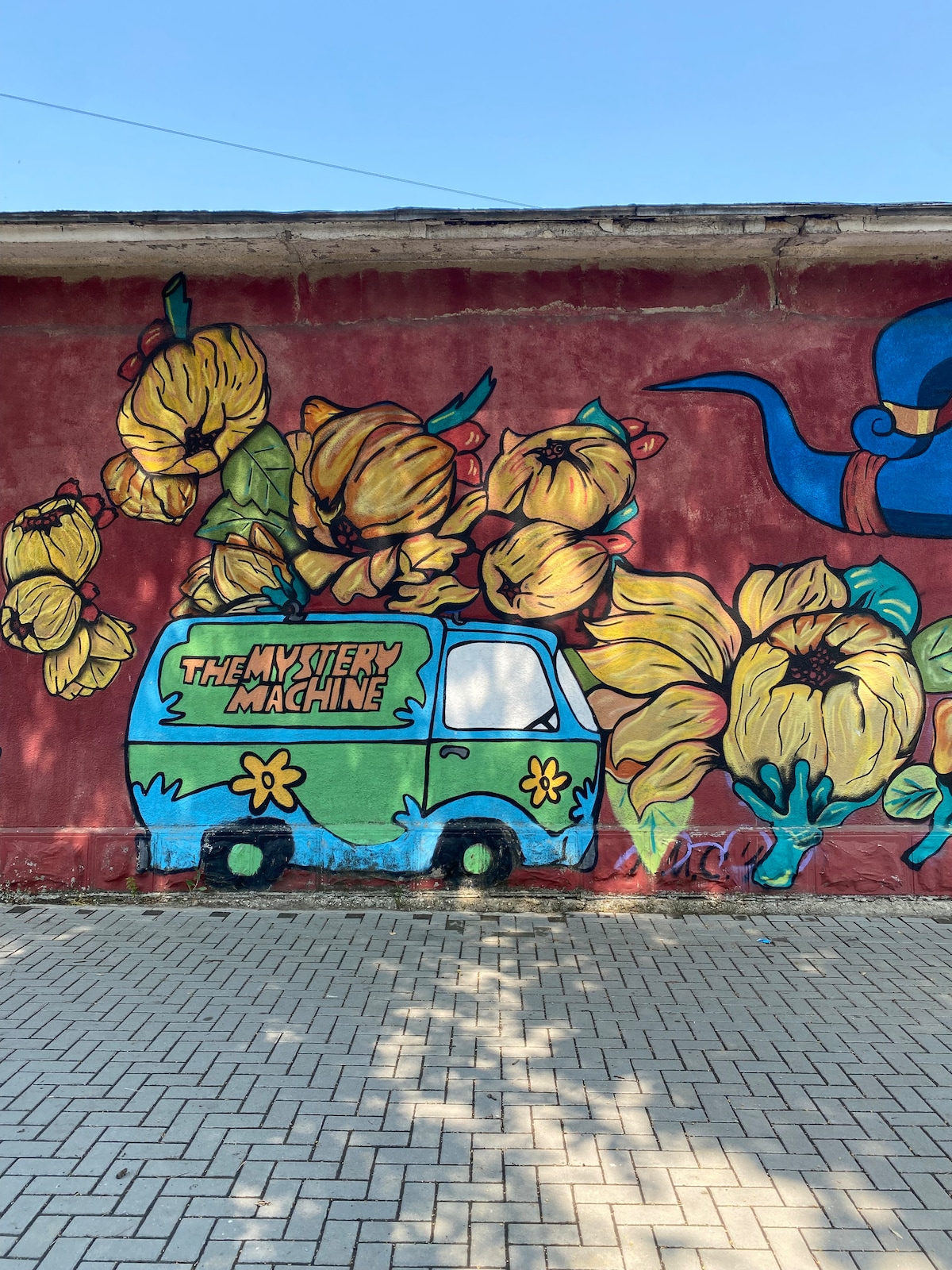
Explore street art in Chișinău
Thu, Jan 29 • 9:00 AM
Chișinău, Chisinau 2004, Moldova
View details
Nearby attractions of National Museum of Fine Arts of Moldova
National History Museum of Moldova
The Triumphal Arch
Stephen the Great Central Park
Saint Pantaleon Orthodox Church
Stephen the Great Monument
Arhitect Șciusev Museum
Metropolitan Cathedral of Christ's Nativity
Alley of Classics
National Museum of Ethnography and Natural History
I Love Chișinău
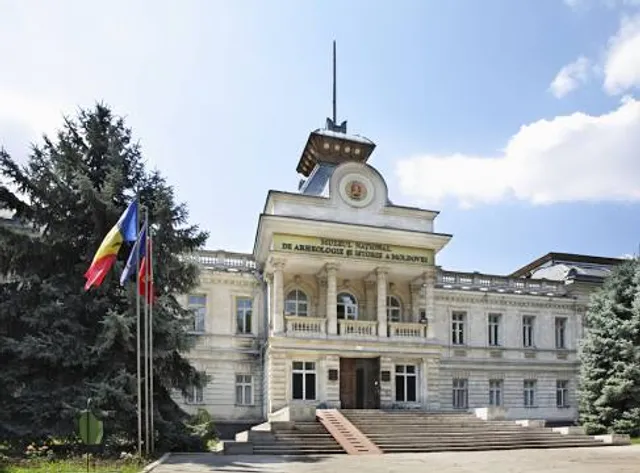
National History Museum of Moldova
4.6
(1.3K)
Closed
Click for details
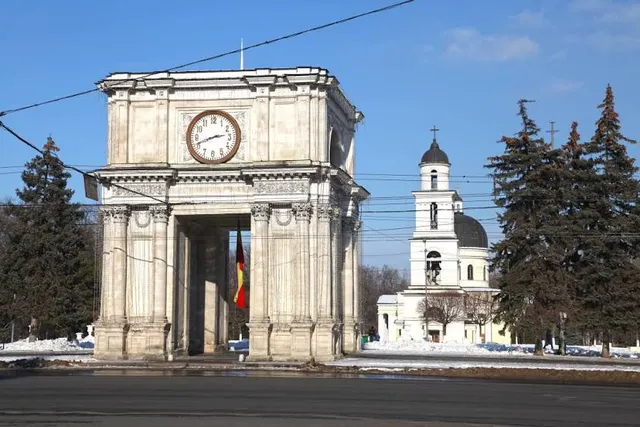
The Triumphal Arch
4.7
(3.1K)
Open until 12:00 AM
Click for details
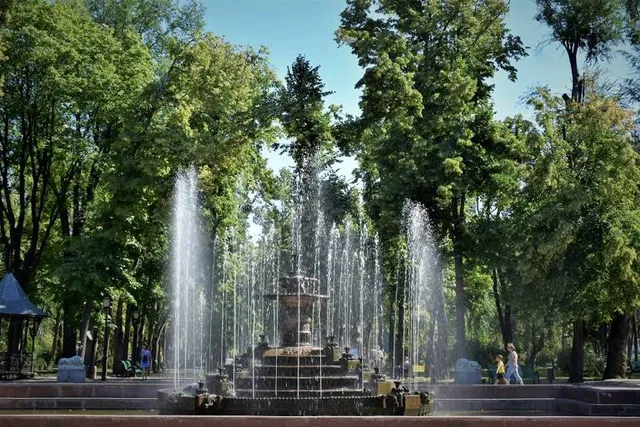
Stephen the Great Central Park
4.6
(5.6K)
Open until 12:00 AM
Click for details
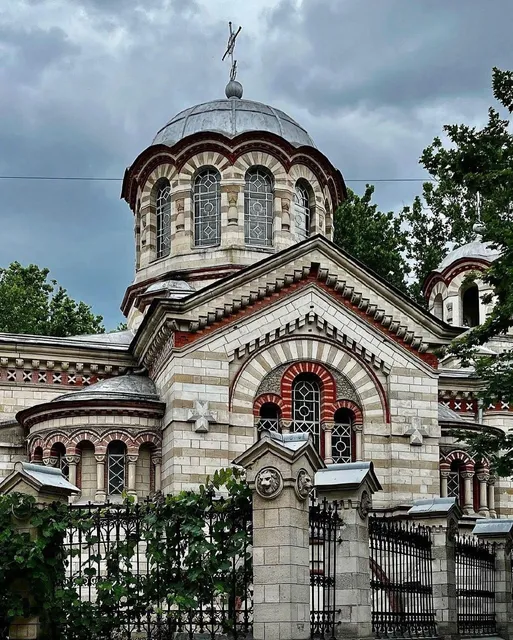
Saint Pantaleon Orthodox Church
4.6
(130)
Open 24 hours
Click for details
Nearby restaurants of National Museum of Fine Arts of Moldova
Taifas
Coffee Monkey
Vino Pizza & Wine
Kozlovna Česká pivní restaurace
LUME Neobistro
Little Napoli
Divus Restaurant
Sumo
Sincer Café
Sisters Restaurant & Bar & Cafe
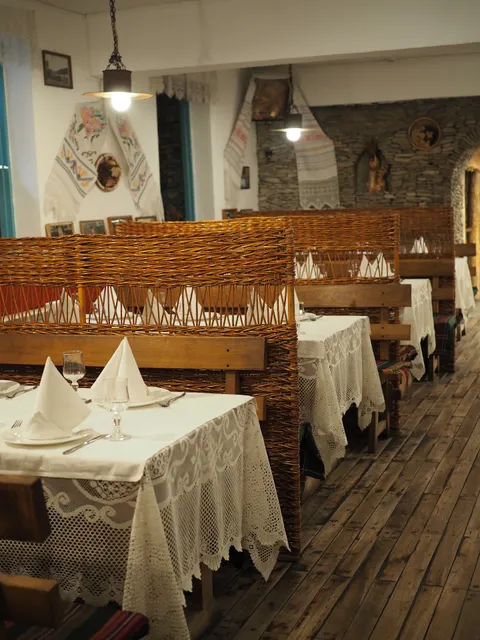
Taifas
4.4
(974)
$$$
Open until 10:00 PM
Click for details
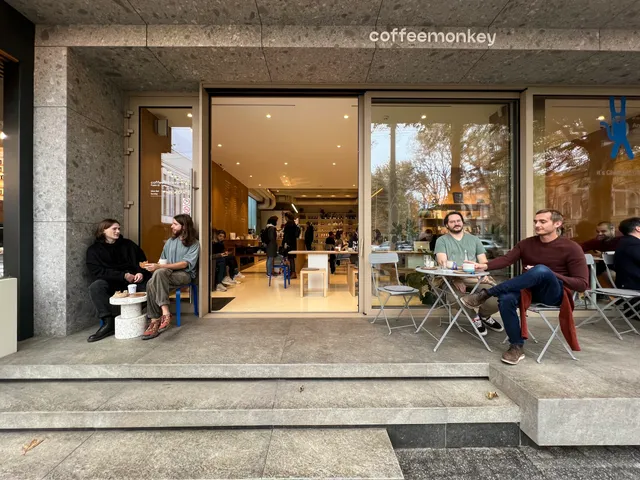
Coffee Monkey
4.2
(336)
Open until 10:00 PM
Click for details
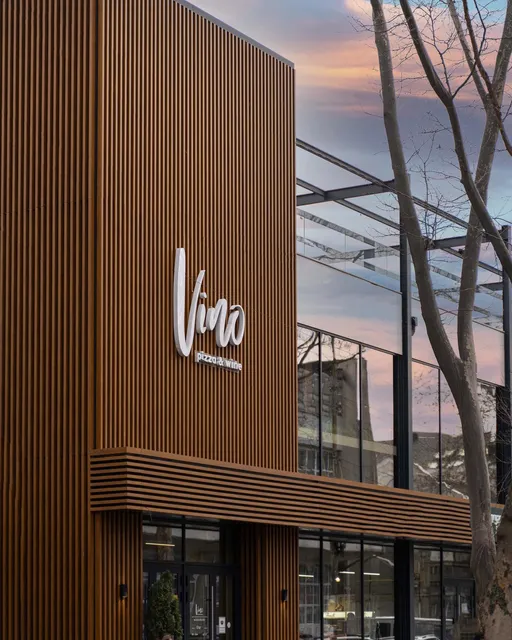
Vino Pizza & Wine
4.6
(242)
$$
Open until 11:00 PM
Click for details
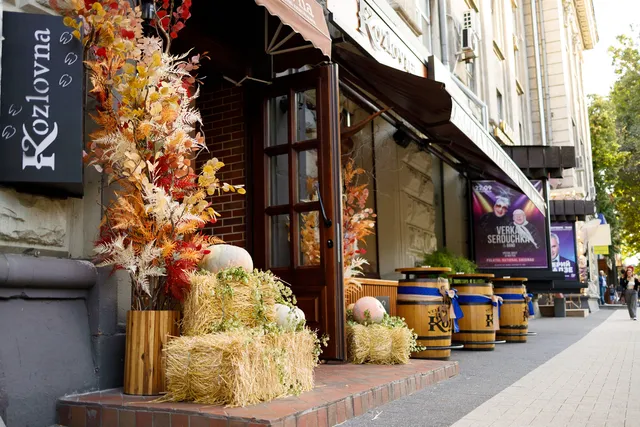
Kozlovna Česká pivní restaurace
4.4
(1.3K)
$$
Open until 12:00 AM
Click for details
Nearby local services of National Museum of Fine Arts of Moldova
Saint Theodora of Sihla Romanian Orthodox Cathedral
Alexander Pushkin Statue
Valea Morilor Park
Muzeul de Istorie al Orașului Chișinău
Sovada Tur
Cathedral of Divine Providence
Transfiguration of the Savior Orthodox Church
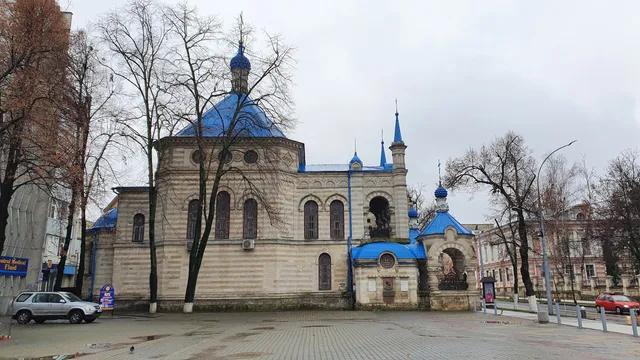
Saint Theodora of Sihla Romanian Orthodox Cathedral
4.7
(129)
Click for details
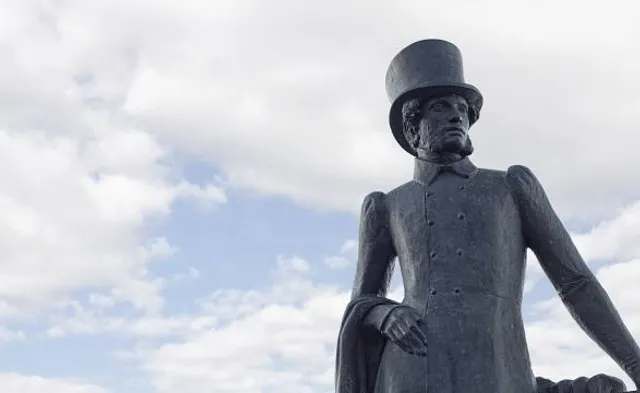
Alexander Pushkin Statue
4.5
(32)
Click for details
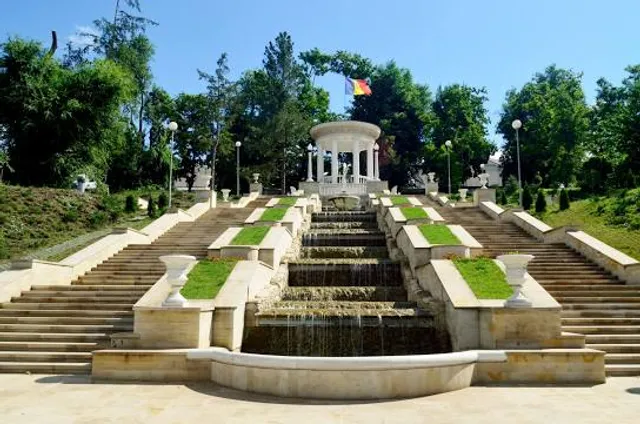
Valea Morilor Park
4.7
(5.9K)
Click for details
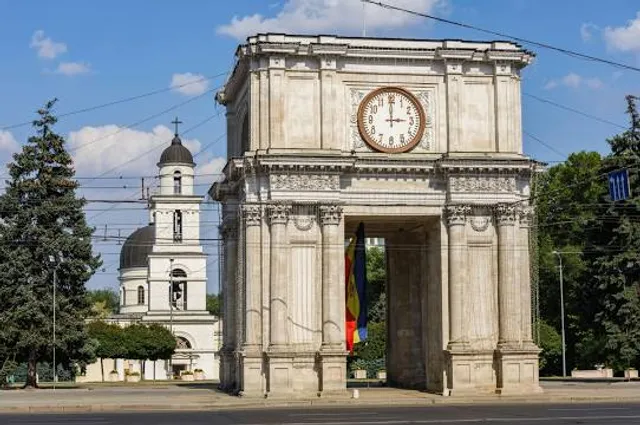
Muzeul de Istorie al Orașului Chișinău
4.8
(112)
Click for details