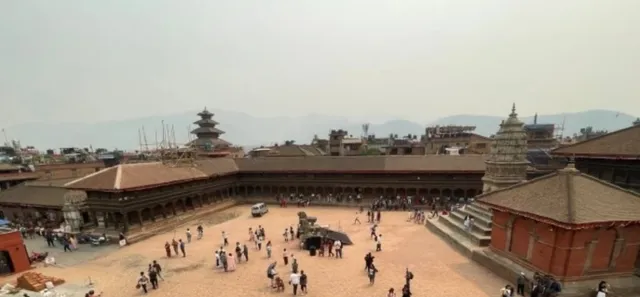
No words bro: no words!! Simply stunned! Facts from the web:-
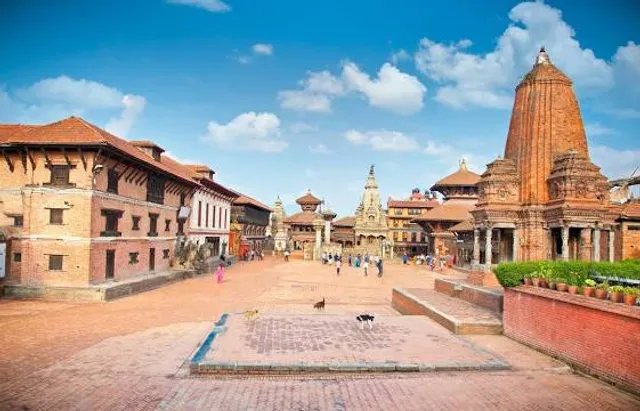
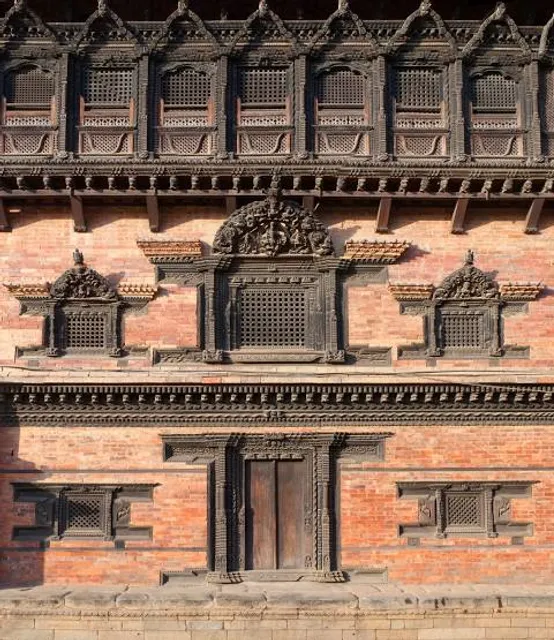
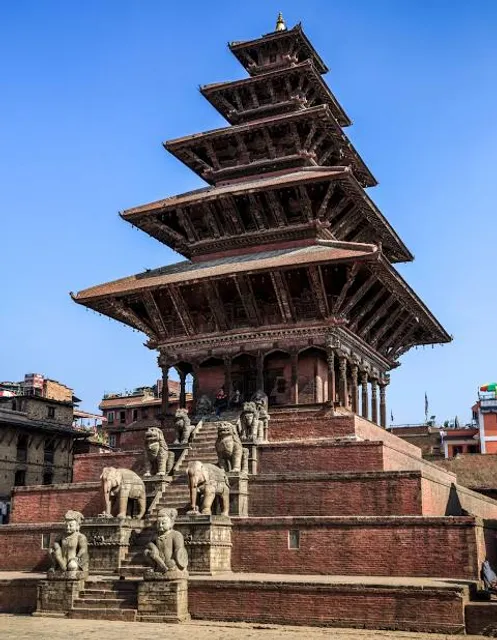
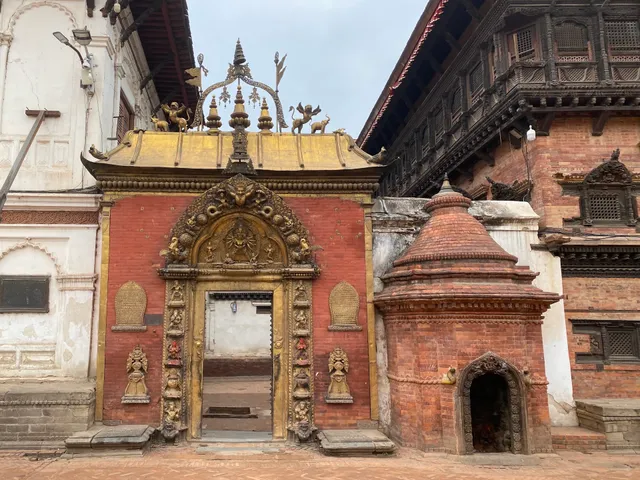
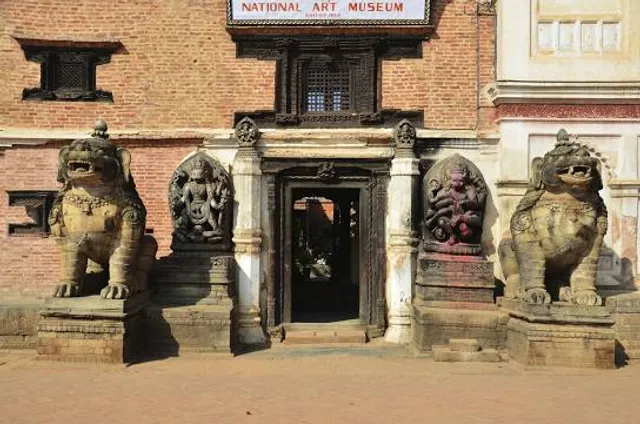
Bhaktapur Durbar Square is a captivating historical site located in the city of Bhaktapur, Nepal, about 13 kilometers east of Kathmandu. It holds immense cultural, religious, and historical significance, and here's what makes it so special: Historical Significance: Former Royal Palace: The square was the royal palace complex of the Malla kings who ruled the Kathmandu Valley from the 12th to the 18th centuries. Bhaktapur served as the capital of an independent kingdom until its conquest in 1769. Malla Dynasty's Golden Age: The Malla period was a time of flourishing arts and architecture in Bhaktapur, and the Durbar Square is a testament to their craftsmanship and artistic vision. Kings like Yaksha Malla and Bhupatindra Malla significantly contributed to the square's development. Coronation Site: Even after the Malla rule, Bhaktapur Durbar Square remained an important royal center, even hosting the coronations of King Birendra Bir Bikram Shah in 1975 and King Gyanendra Bir Bikram Shah in 2001. UNESCO World Heritage Site: Recognizing its exceptional cultural and historical value, UNESCO inscribed Bhaktapur Durbar Square as a World Heritage Site in 1979 as part of the Kathmandu Valley complex. Architectural Highlights: Bhaktapur Durbar Square is a treasure trove of traditional Newari architecture, showcasing a remarkable collection of temples, palaces, courtyards, and statues. Some of the prominent structures include: The 55-Window Palace (Pachpanna Jhyale Durbar): Built in the 17th century by King Bhupatindra Malla, this palace is a masterpiece of intricate wood carving. Its 55 windows are adorned with exquisite designs, making it a unique and iconic structure. The Golden Gate (Sun Dhoka): This stunning gilded gate, crafted in the mid-18th century during the reign of King Ranjit Malla, is considered one of the most beautiful gates in the world. It is adorned with repoussé work depicting deities and mythical creatures and serves as the entrance to the main courtyard of the 55-Window Palace. Vatsala Temple: This impressive stone temple is dedicated to the goddess Vatsala Devi and is known for its intricate craftsmanship and a large bell. Bhairab Nath Temple: Dedicated to Bhairab, a fierce manifestation of Lord Shiva, this temple stands at the edge of the square. Nyatapola Temple: While slightly outside the main Durbar Square, this five-storied pagoda is a magnificent example of Newari temple architecture and is known for its towering height and the powerful stone figures guarding its entrance. Statue of King Bhupatindra Malla: A prominent statue of King Bhupatindra Malla seated on a throne stands as a tribute to one of Bhaktapur's most influential rulers. National Art Museum: Housed within a section of the old palace, the museum displays a rich collection of historical artifacts, royal regalia, and traditional art. Cultural Significance: Living Heritage: Bhaktapur is known as the "City of Devotees," and the Durbar Square remains a vibrant center of religious and cultural life. Numerous festivals and rituals are still held here, showcasing the rich traditions of the Newar community. Artisanal Hub: Bhaktapur is famous for its traditional crafts, including pottery, wood carving, and metalwork. The Durbar Square and its surrounding areas are dotted with workshops and shops where artisans continue these age-old traditions. Pottery Square, in particular, is a fascinating place to witness the creation of traditional earthenware. Social Gathering Space: The Durbar Square serves as a central gathering place for locals to socialize, relax, and participate in community events. Impact of Earthquakes: Bhaktapur Durbar Square has suffered damage from earthquakes over the centuries, particularly the devastating earthquakes of 1833 and 1934. While some structures were lost or damaged, significant restoration efforts have been undertaken to preserve its historical and...
Read moreBhaktapur Durbar Square (Nepal Bhasa: 𑐏𑑂𑐰𑐥 𑐮𑐵𑐫𑐎𑐸 Nepali: भक्तपुर दरबार क्षेत्र) is a former royal palace complex located in Bhaktapur, Nepal. It housed the Malla kings of Nepal from 14th to 15th century and the kings of the Kingdom of Bhaktapur from 15th to late 18th century until the kingdom was conquered in 1769. Today, this square is recognised by UNESCO, managed jointly by the Archeological Department of Nepal and Bhaktapur Municipality, and is undergoing extensive restoration due to the damages from the earthquake in 1934 and the recent earthquake of 2015. The Durbar Square is a generic name for the Malla palace square and can be found in Kathmandu and Patan as well. The one in Bhaktapur was considered the biggest and the grandest among the three during its independency but now many of the buildings that once occupied the square has been lost to the frequent earthquakes.[2] During its height, Bhaktapur Durbar Square contained 99 courtyards but today hardly 15 of these courtyards remain.[2] The square has lost most of its buildings and courtyards to frequent earthquakes, particularly those in 1833 and 1934 and only a few of the damaged buildings were restored. The Durbar Square of Bhaktapur once fortified and occupied a very large area.[3] After, Bhaktapur was defeated by the Gorkhali forces, the palace square fell into disrepair and the earthquakes of 1833 and 1934 reduced the square to its present size.[4] The former palace ground have been used as government offices, schools and private houses.[4] Like the ones of Kathmandu and Patan, Bhaktapur Durbar Square contains various temples, palaces and courtyards all of which were built in the traditional Nep alese architecture.
In general, the Durbar Square is divided into three parts based on its location: Kvathū Lyākū, literally meaning 'lower part of the royal palace' in Nepal Bhasa, the Kvathū Lyākū is the westermost part of the palace and is bounded by the Khaumā district in the west and the Vyāsi district in the north.[6] This part contains the Lyākū Dhvākhā gate, the ruins of Basantapūra and Chaukota palace and a replica of the Char Dham of India.[6]
Dathū Lyākū, literally means 'middle palace' and contains the principal buildings and temples of the square. This part contains the two main royal palaces, the Luṁ dhvākā (or the Golden gate) which servers as the main entrance to the inner courtyards of the palace and a few temples.The final part of the palace square is Thanthū Lyākū, literally meaning 'upper palace', it is the least preserved of the three parts as the former palaces and temples after being destroyed by an earthquake in 1833 has been replaced with government offices, schools and even residential buildings. The Durbar Square was severely damaged by the earthquake in 1934 and hence appears more spacious than the others, in Kathmandu and Patan.[
Originally, there were 99 courtyards attached to this place, but now only 6 remain. Before the 1934 earthquake, there were 3 separate groups of temples. Currently, the square is surrounded by buildings that survived the quake.
On 25 April 2015, another major earthquake damaged many buildings in the square. The main temple in Bhaktapur's square lost its roof, while the Vatsala Devi temple, known for its sandstone walls and gold-topped pagodas, was also demolished. In total, 116 historical and cultural monuments...
Read moreBhaktapur Durbar Square is like a time capsule—a place where Nepal’s medieval heart still beats strongly. Located about 13 kilometers east of Kathmandu, this beautifully preserved square is the crown jewel of Bhaktapur, a city that once served as the royal capital of the Kathmandu Valley. Stepping into Bhaktapur Durbar Square feels like walking into a living painting, where history, craftsmanship, and spirituality blend seamlessly.
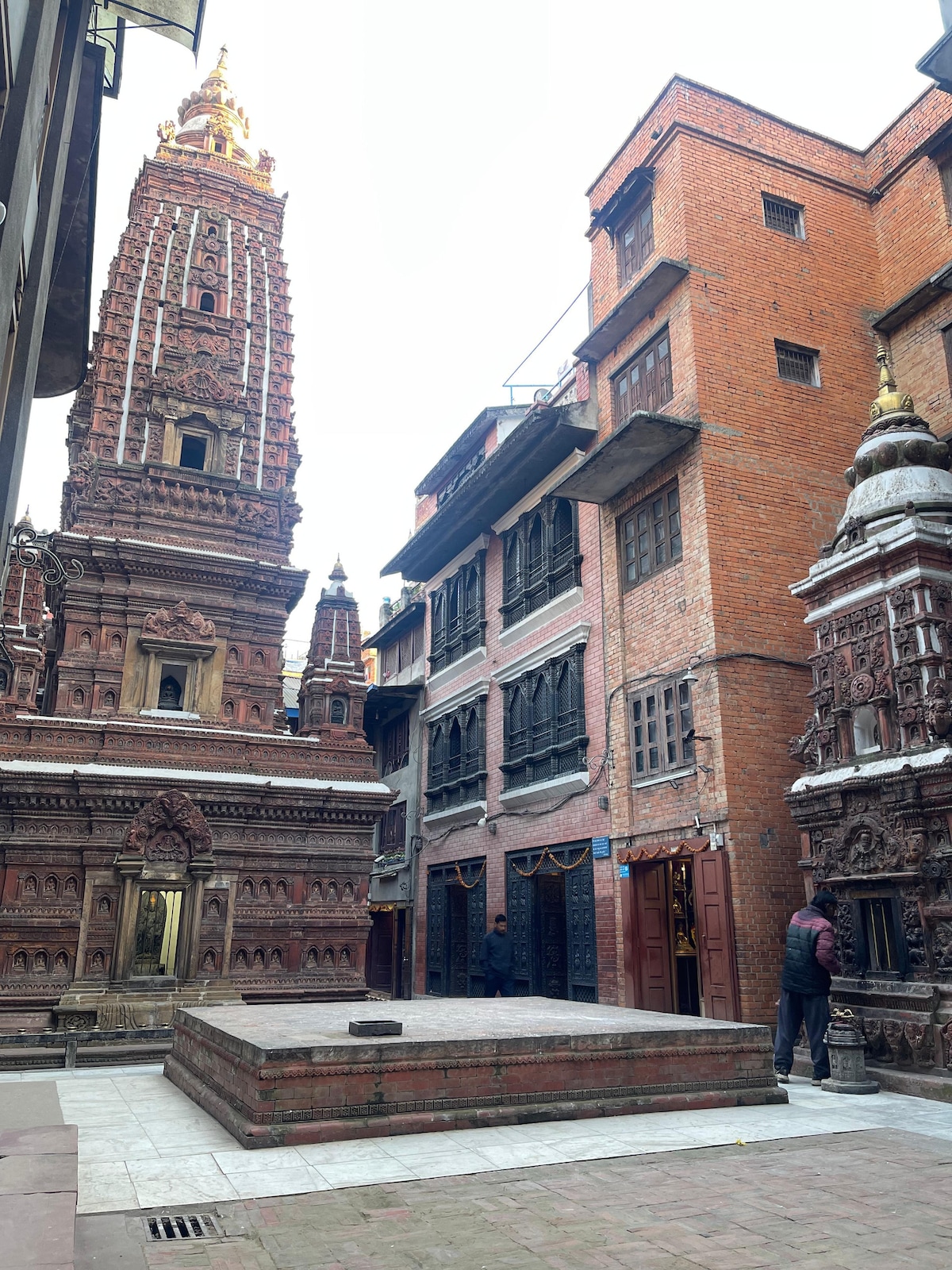
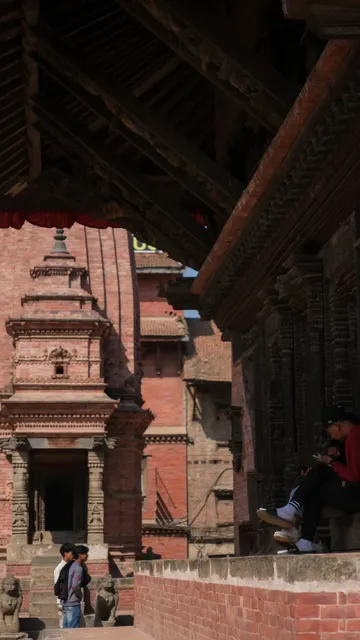
The square itself is breathtaking. It's cleaner, quieter, and more spacious than its counterparts in Kathmandu and Patan, making it easier to soak in the atmosphere. The architecture here is some of the finest you’ll see in all of Nepal—intricately carved wooden windows, brick temples, towering pagodas, and grand courtyards. Every structure tells a story, and the detail is astounding.
One of the first things to catch your eye is the 55-Window Palace, an elegant red-brick structure with, as the name suggests, fifty-five beautifully carved wooden windows. It served as the royal palace during the Malla period and is a testament to the refined artistry of that time. Just beside it is the Golden Gate, considered one of the most exquisite pieces of metalwork in the world. Its golden details gleam in the sunlight, and the craftsmanship is mesmerizing.
You’ll also find the Vatsala Temple, with its beautiful stone façade and bell, and the towering Nyatapola Temple in nearby Taumadhi Square—a five-tiered pagoda that dominates the skyline and symbolizes strength and beauty. Climbing its steep steps gives you a panoramic view of the town, and the feeling is simply unforgettable.
Unlike other heritage sites, Bhaktapur Durbar Square feels less like a tourist attraction and more like a living museum. Locals go about their daily routines—shopkeepers open stores, children play in courtyards, and elders gather in the shade for quiet conversation. The sense of community is strong, and it gives the square a warmth that goes beyond its physical beauty.
Even after the 2015 earthquake, which damaged several monuments, the restoration work has been careful and respectful. Much of the square remains intact, and the reconstruction only adds to the sense of resilience and reverence the locals have for their heritage.
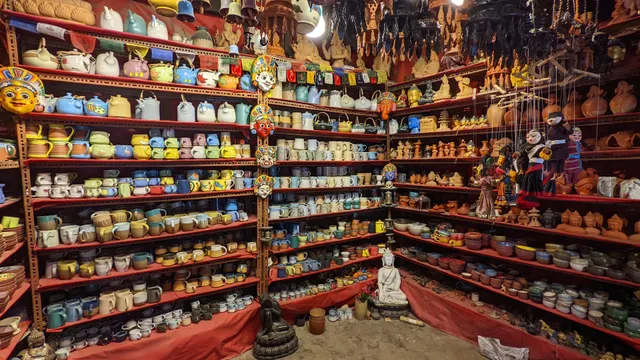
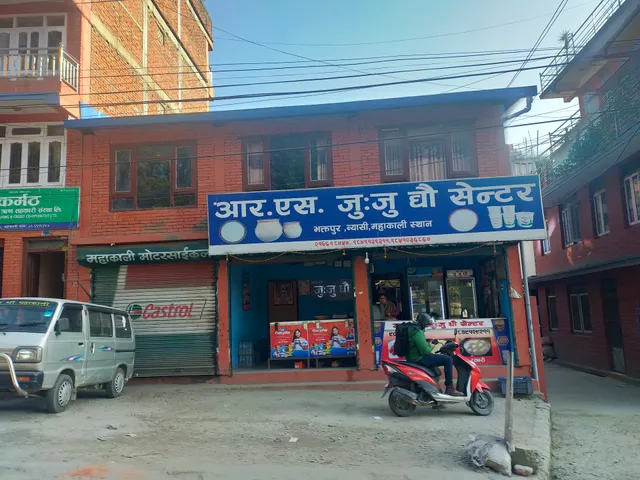
Another thing that makes Bhaktapur special is its preserved Newari culture. The city has resisted modernization in many ways, and you’ll notice it in the traditional music, vibrant festivals, and handmade pottery and crafts on sale in tiny alleyway shops. Don’t leave without trying some famous Juju Dhau—the “King of Yogurt”—served in traditional clay pots.
Bhaktapur Durbar Square isn’t just a destination—it’s an experience. It’s ideal for travelers who want to step off the beaten path and immerse themselves in the heart of Nepalese tradition. Give yourself time to wander, to sit quietly, to admire the carvings and the people. You’ll leave with a deep appreciation for the city’s soul and the people who...
Read more