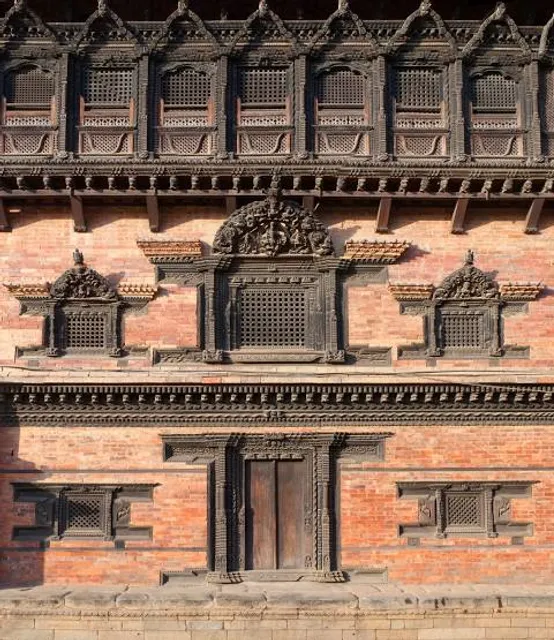
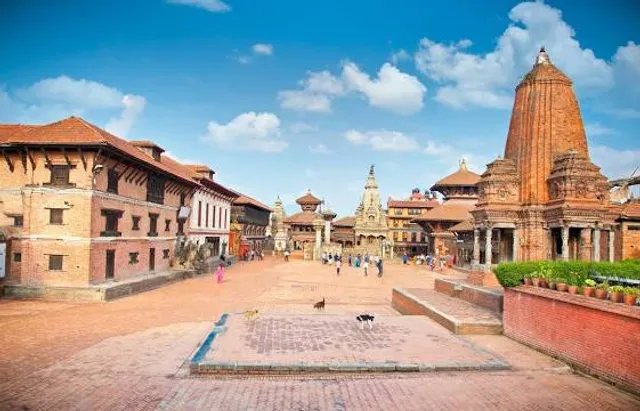
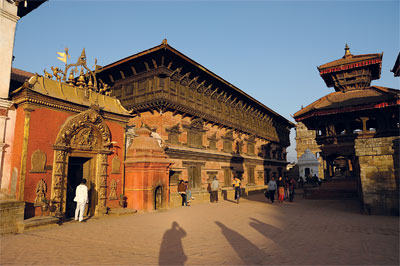
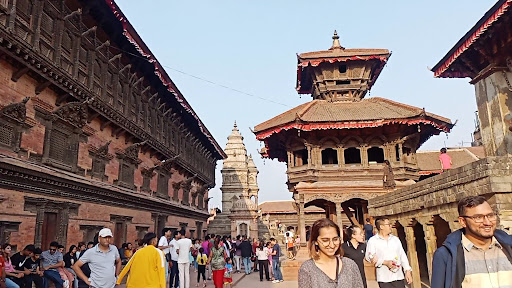
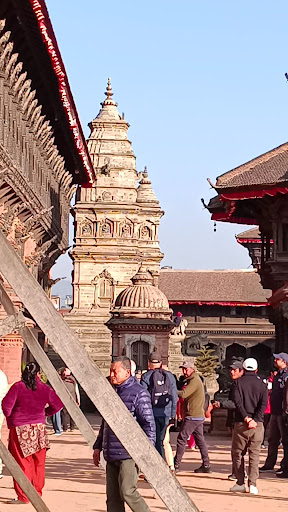
On a recent visit to the Bhaktapur Durbar Square, we overheard a local “guide” tell the “not so impressed” tourist that the king who built the fifty five window palace actually had 55 wives. This may sound quite logical if you think of inclusion and fairness of the ruler. What a nice idea to be able to allocate or dedicate a window for each queen. For the rest of the day everyone pointed at the rest of the houses and joked about the number of windows and corresponding number of wives the owner must have.
Climbing up the steps to the Swayambhu Stupa (Maha Chaitya), a story was narrated about a “western writer” who asked a group of women pilgrims, who had built the great monument. The women giggled and said, “Bhaya mathu” which in Newari means “do not know your language”. The visitor, it is said, duly took notes and wrote Swayambu was built by a local wealthy businessman by the name of Bhaya mathu. These stories are told for fun but the problems they raise are quite serious.
These are two good tales that illustrate the challenge we face in being able to preserve Nepal’s globally unique heritage. Most information is passed down in the oral tradition and over time, things get diluted and new pieces of information added. Many new angles are added to make the stories “interesting” and sellable. The challenge is to separate what is authentic and what is not.
We must also remember that referring to history books may not be the only solution. History is written by the winners; and the good side does not always win. This is even true in the present time as well. This is probably why all political parties wish to have the communication ministry to themselves so that they can tell their story, from their perspective. They want to have control over the “truth”. Remember George Orwell’s Ministry of Truth is his famous book 1984? Proper signage is going to have be a big part of the solution to help visitors and locals to understand our heritage. We must learn to tell the story much better and ensure authenticity.
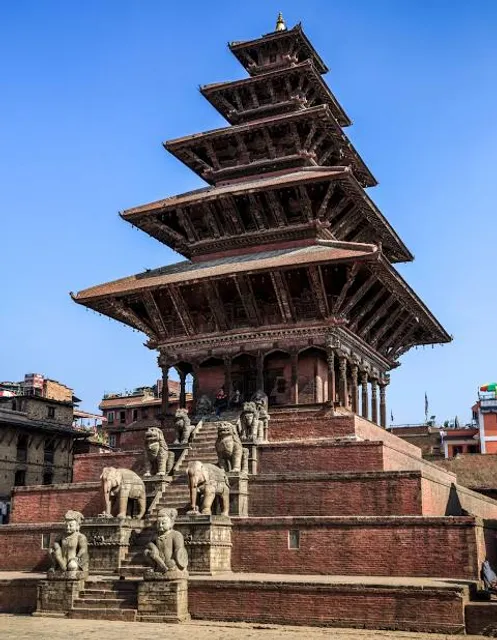
By the way, the 55 window palace that is a major attraction of Bhaktapur Durbar Square was built during the reign of King Bhupatindra Malla. He ruled from 1696 to 1722 AD. The king was also a great composer and has 17 plays attributed to him. This great builder king also laid the foundation stone for the magnificent five storey temple of Bhaktapur, Nyatapau, in 1702. His son Ranjit Malla became the last king of his dynasty in Bhaktapur. There are good books being published in Nepal all the time. A good deal of research is being done by Nepalis and expats alike and there is no death of good sources to build a good story. Many visitors do not read books on Nepal on the way here. You can see them often with a copy of the Lonely Planet. Let us not take them to be as naïve as we...
Read moreThe 55-Window Palace, also known as the Pachpanna Jhyale Durbar, is a stunning architectural gem situated in the historic city of Bhaktapur, Nepal. Built by King Bhupatindra Malla in 1754, this magnificent structure is a prime example of Newari architecture and artistry, showcasing the opulence and sophistication of the Malla dynasty.
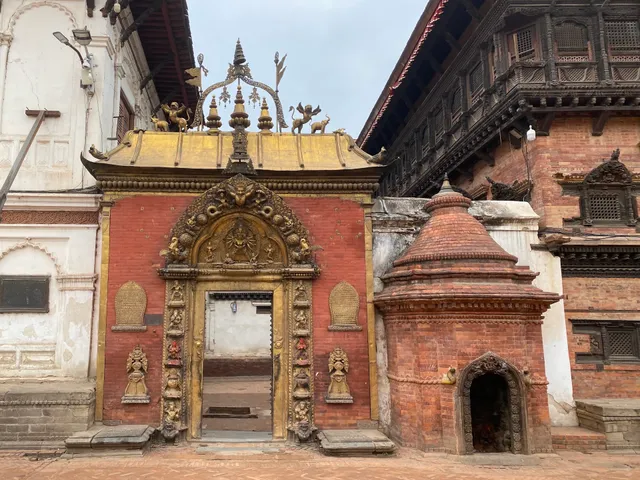
The palace is part of the Bhaktapur Durbar Square, a UNESCO World Heritage Site, and stands out due to its impressive façade adorned with fifty-five intricately carved wooden windows. These windows, each a masterpiece of detailed craftsmanship, epitomize the skill and creativity of the Newar artisans. The central window, known as the "Sun Dhoka" or Golden Gate, is particularly noteworthy for its ornate design and the use of gold-plated elements.
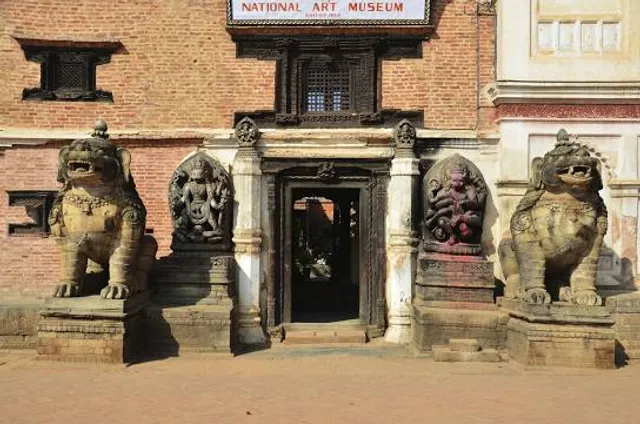
Inside, the palace offers a glimpse into the rich cultural and historical heritage of Nepal. The courtyard, known as the Mul Chowk, is surrounded by beautifully carved wooden balconies and pillars, providing a serene and regal atmosphere. The palace also houses various artifacts, traditional artworks, and ancient manuscripts that reflect the artistic and cultural achievements of the Malla period.
Visitors to the 55-Window Palace are often captivated by its grandeur and the intricate details that adorn every corner of the structure. The panoramic view from the upper floors offers a stunning perspective of Bhaktapur and its surrounding landscapes, further enhancing the visitor experience.
The local community takes immense pride in preserving this historical treasure, and their efforts are evident in the well-maintained condition of the palace and its surroundings. Regular cultural events and festivals held at Bhaktapur Durbar Square add to the vibrant atmosphere, making the palace a living monument of Nepalese heritage.
In conclusion, the 55-Window Palace is a must-visit for anyone interested in exploring the architectural and cultural splendors of Nepal. Its historical significance, exquisite craftsmanship, and the timeless beauty of its design make it a highlight of any visit...
Read moreThe 55 Window Palace, also known as Pachpanna Jhyale Durbar in Nepali, is a historic palace located in Bhaktapur Durbar Square in Bhaktapur, Nepal. It was built during the reign of King Bhupatindra Malla in the 15th century and is considered one of the finest examples of traditional Newari architecture in Nepal.
The palace is named after its 55 intricately carved wooden windows, which are adorned with lattice work, statues of deities, and other decorative elements. The palace was originally used as a royal residence and a center for administration, and it was also the site of important ceremonies and events.
The 55 Window Palace is a three-story building with a central courtyard and a number of smaller rooms and chambers. The palace is built entirely from brick and timber, and its sloping roofs and ornate carvings are typical of Newari architecture. The palace is now a museum, where visitors can learn about the history of Bhaktapur and the Malla dynasty.
In addition to the 55 Window Palace, Bhaktapur Durbar Square is home to a number of other important structures, including the Golden Gate, the Taleju Temple, and the Natapole Temple, among others. The area is also known for its vibrant street life, with vendors selling traditional handicrafts, food, and other goods in the bustling squares and alleyways. Overall, Bhaktapur Durbar Square is a must-visit destination for anyone interested in Nepal's rich cultural heritage...
Read more